Have you or a loved one been told you have a visual acuity of 20/200? You may be wondering what exactly that means.
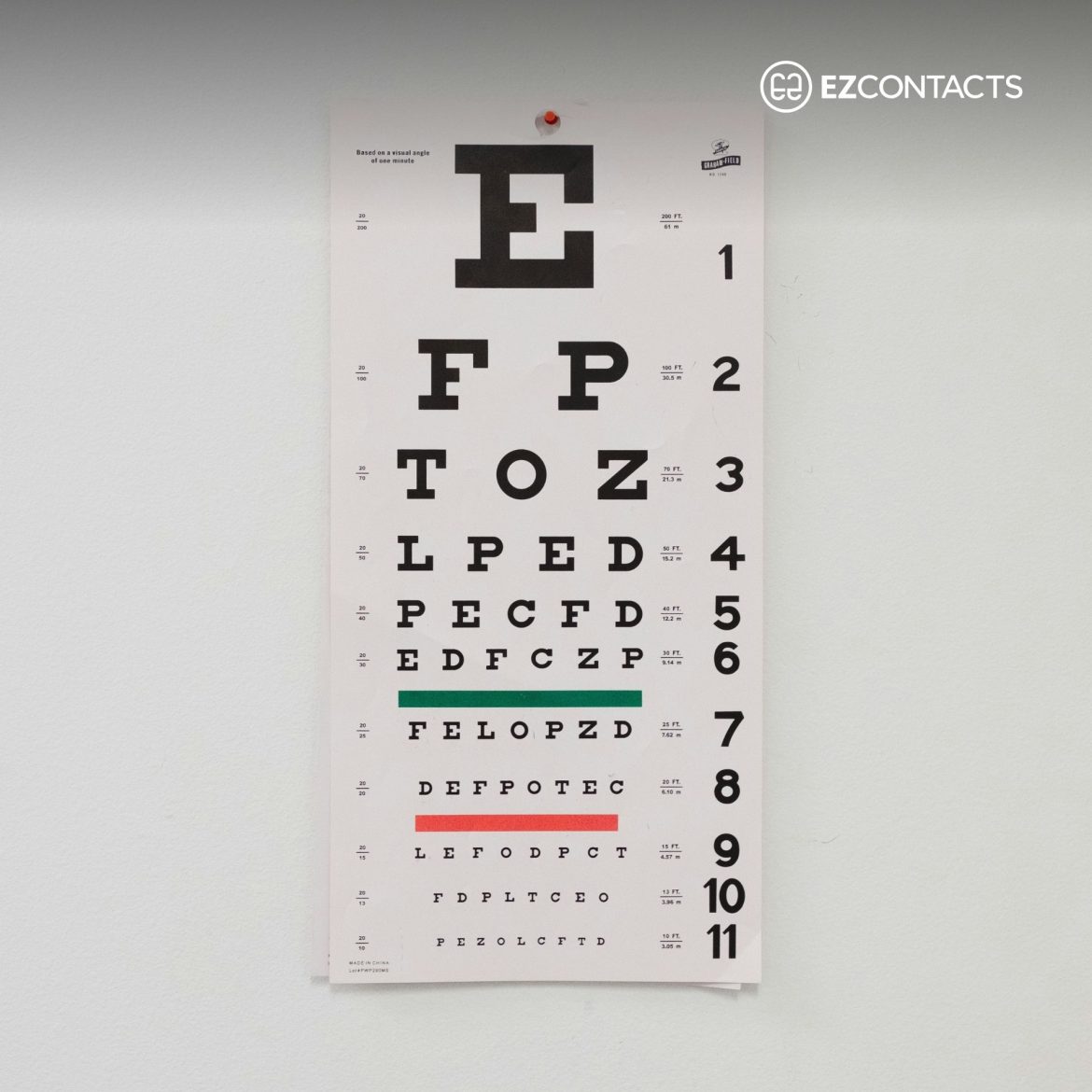
Visual acuity is the measure of the clarity or sharpness of your vision. To put it simply, someone with 20/200 vision needs to be at 20 feet to see what a person with ‘normal’ 20/20 vision can see at 200 feet. That’s a pretty significant decline in vision.
Let’s get into what 20/200 vision is and correction options.
What Causes 20/200 Vision?
There are a number of conditions that can reduce your vision to 20/200, but one of the most common is myopia (nearsightedness). Essentially, you have to get closer to objects to see them clearly.
What causes myopia? The eyeball grows too long or curves irregularly, causing problems with seeing at a distance. Frequently, myopia is genetic, so if family members have it, there’s a good chance you will, too. However, doing “near work,” including staring at a screen, also increases the risk.
Myopia is not the only potential cause of 20/200 vision. You may also be diagnosed with hyperopia (farsightedness), astigmatism (blurry vision due to an irregularly shaped cornea or lens), or presbyopia (age-related loss of focus).
Will 20/200 Vision Worsen with Age?
This depends on what caused your vision loss and sometimes other factors. When diagnosed in childhood, myopia often progresses as the person ages and their eyes change. Then, for some people, their vision stabilizes in adulthood. However, other people continue to experience myopia progression into adulthood.
If your myopia comes from age-related eye diseases, like glaucoma or macular degeneration, your vision could also decline over time.
Your eye doctor can help answer any questions you have about whether your condition is likely to progress. Regular eye exams can also help to ensure that you always have the right prescription for your eyes if your needs do change.
Can 20/200 Vision Be Improved with Corrective Lenses?
In many cases, yes. Your ophthalmologist will work to determine the cause of your vision difficulties and find the best lenses for you.
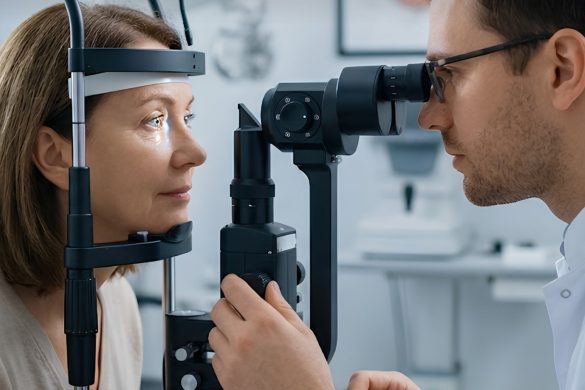
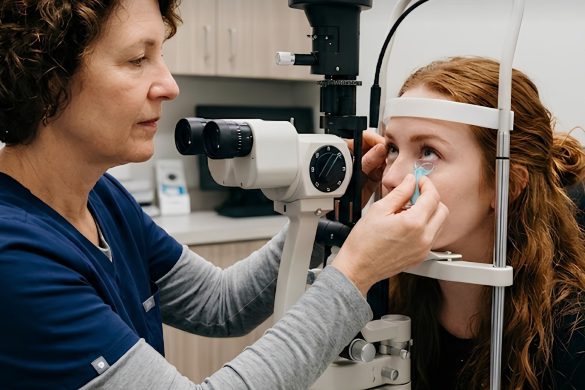
You probably know how this part goes; the doctor will ask you to look through different lenses to determine which ones make your vision better or worse. This part of the exam can be tedious, but it often leads to much better sight once you find the correct lenses.
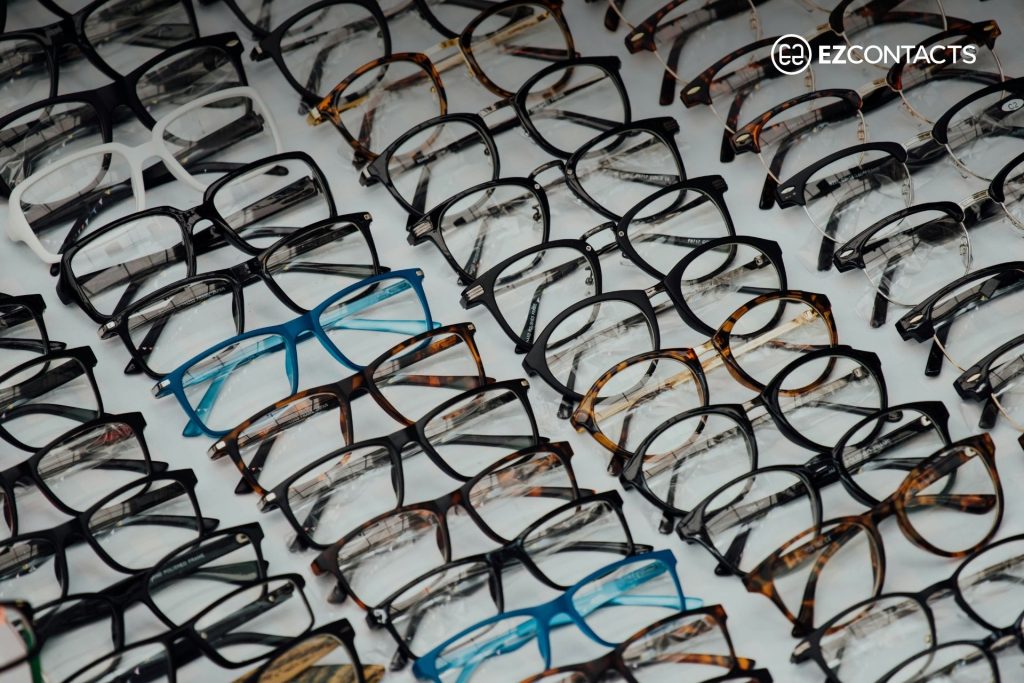
After the doctor determines what level of correction you need, they will write you a vision prescription. You can use this prescription to order glasses or contacts at a brick-and-mortar eyeglass store or at an online eyewear retailer.
Can I Get Contacts Instead of Glasses for 20/200 Vision?
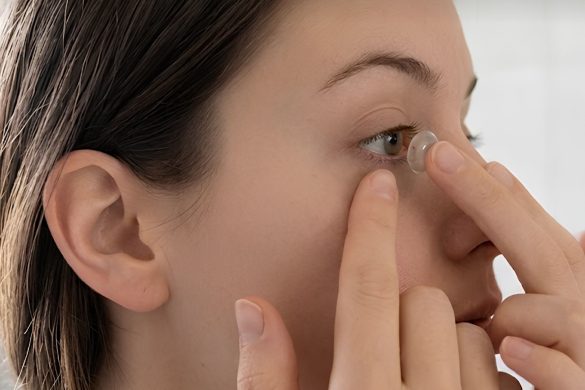
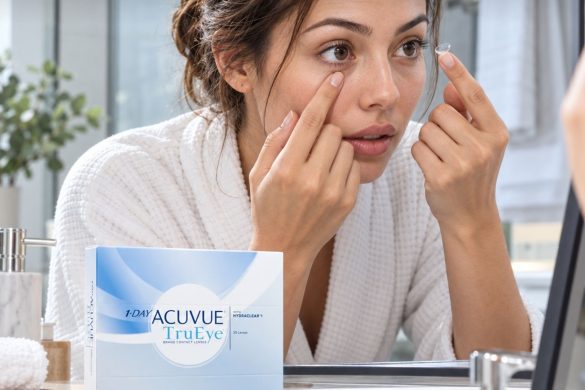
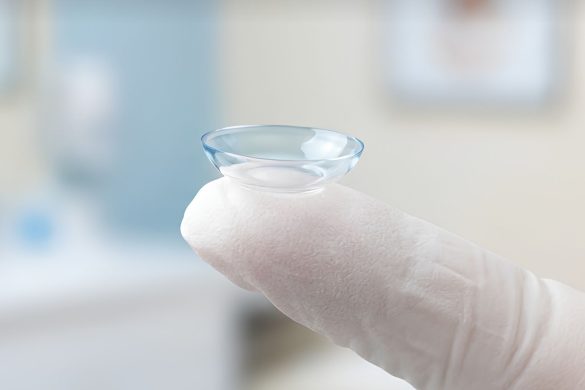
For most people, contacts are a good alternative to glasses. Contact lenses are effective at improving vision for myopia, hyperopia, and several other conditions that cause vision loss.
However, you will need to consider several factors when deciding what option is right for you. Let’s look at some of the reasons people stick with glasses:
- Some people prefer glasses because they typically last longer than even reusable contacts, and as a result, may be less expensive.
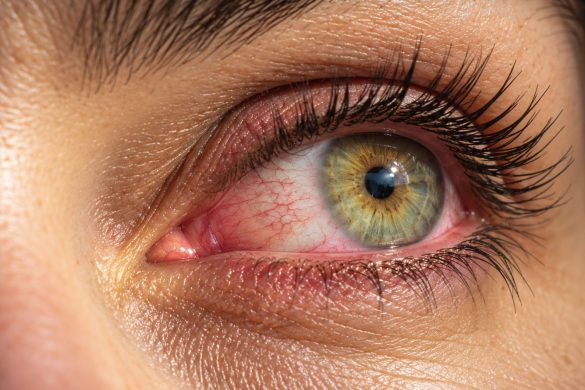
- While contact lenses are fine for most people, a small percentage may have dry eyes, severe allergies, frequent eye infections, or other conditions that make contacts problematic.
- If you have reusable lenses, you’ll need to make sure to follow a cleaning routine to keep the contacts safe and reduce the risk of eye irritation or infection.
However, some corrective lens wearers find that contacts fit their needs better. Here are some of the reasons why:
- Glasses just don’t work well for some situations, like playing sports or enjoying outdoor activities in the rain.
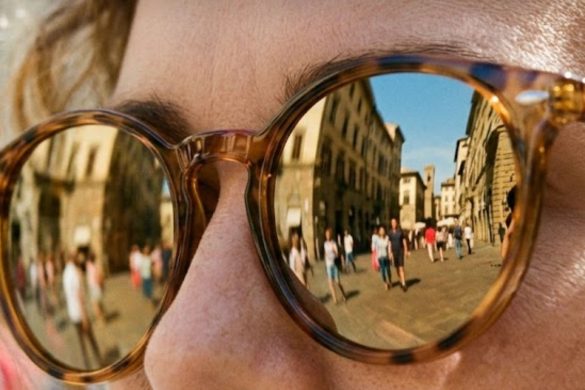
- Some people opt for contacts because they find glasses uncomfortable or difficult to wear. If this happens, a different pair of frames is a good place to start, because fit and comfort can vary widely.
- For example, a different bridge design can make a huge difference for some wearers. However, if new frames don’t make you more comfortable, you might prefer contacts.
- Sometimes, people prefer the look of contact lenses or enjoy trying out different eye colors with colored contacts.
There’s also a third option: Keep a pair of glasses on hand but also order contacts. Then, you can always switch between the two for different activities. It’s also nice to have a backup in case you just used your last disposable pair and then realize you forgot to order new lenses.
If You Have 20/200 Vision, Are You Legally Blind?
Legal blindness is not a medical term, but a governmental term used to classify vision disorders. It does not necessarily mean a person is totally blind, but that their vision is limited by a specific amount. In the United States, legal blindness is defined as one of the following:
- Your eyesight is 20/200 or worse (the second number is higher than 200) with correction.
- Your field of view is 20 degrees wide or less.
If you meet the criteria for legal blindness, you may be eligible to receive government benefits for people with disabilities.
What To Do After a 20/200 Diagnosis
For most people, it’s as simple as filling your prescription for corrective lenses and wearing them. If glasses or contacts feel weird at first, that’s normal. It takes time to adjust. However, you should let your eye doctor know if you’re still having trouble seeing or experiencing pain or discomfort.
Hearing that you have 20/200 vision can be scary, but it doesn’t have to be. For many people with this diagnosis, glasses or contacts can restore their vision to 20/20 or close to it.
TL;DR
- A person with 20/200 vision must be 20 feet away to see what a person with normal vision sees at 200 feet.
- One of the most common causes of 20/200 vision is myopia. With myopia, the eyeball grows too long or curves irregularly, making distant objects appear blurry.
- 20/200 vision can often be improved with corrective lenses, such as glasses and contact lenses.
- 20/200 vision is the standard threshold for legal blindness in the United States if it can’t be corrected with glasses or contacts. If you meet the criteria for legal blindness, you could be eligible to receive government benefits for people with disabilities.