Are you worried you’ve worn your disposable contact lenses for too long? It does happen!
On long work or travel days, you could find yourself accidentally wearing these contacts for more time than recommended.
But how long is too long to wear disposable contacts? Let’s break it down.
How Long Can I Wear Disposable Lenses For?
Before we go any further, it’s a good idea to clarify how long daily disposable lenses are supposed to be worn in the first place.
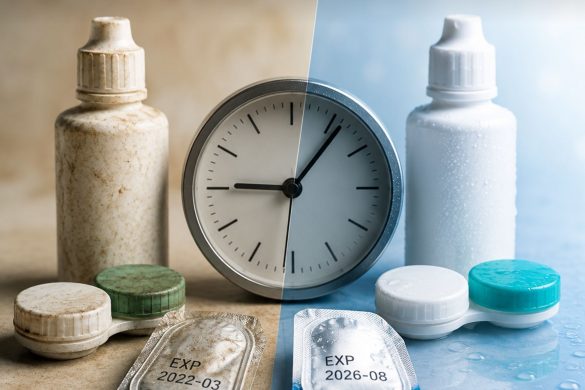
Although the box might say “one day,” it doesn’t mean you can wear the same pair for a full 24 hours. And it definitely doesn’t mean you can sleep in them (unless you want to risk an eye infection).
In most cases, dailies can be worn for up to 16 hours in a single day. But some lenses have shorter wear limits, so you should always read the information on the packaging.
The exact wear time will depend on the brand, the specific lenses, and the advice given by your doctor. You also need to listen to what your eyes are telling you throughout the day; take your contacts out if your eyes ever feel uncomfortable.
Why Disposable Contact Lenses Have a Wear Limit
If you ever forget to remove your disposable lenses on schedule, take them out as soon as possible. Then, monitor your eyes for any irritation or pain.
Here’s what could potentially happen if you wear dailies too long.
Reduced oxygen reaching the eye
Your cornea gets oxygen directly from the air, not from blood vessels. Modern contact lenses are designed to be as oxygen-permeable as possible. However, the longer you wear a lens, the more it dries out and the more deposits it accumulates.
This creates a barrier that puts a limit on how much oxygen can reach your eye. Ultimately, it’ll lead to redness, discomfort, and a heavy or tired feeling in the eye. In more serious cases, it can cause swelling of the cornea.
Buildup on the lens surface
By the end of the day, your lenses will have collected a layer of proteins and oils from your tear film. If you keep wearing them even longer, that buildup stays there and keeps accumulating.
As the lens starts to dry out, that buildup becomes harder to ignore. You might start to notice your contacts no longer feel “smooth” like they should. The buildup can create a surface that bacteria can more easily stick to.
The buildup could also make your vision blurrier, or it could make it harder to focus.
Increased risk of infection
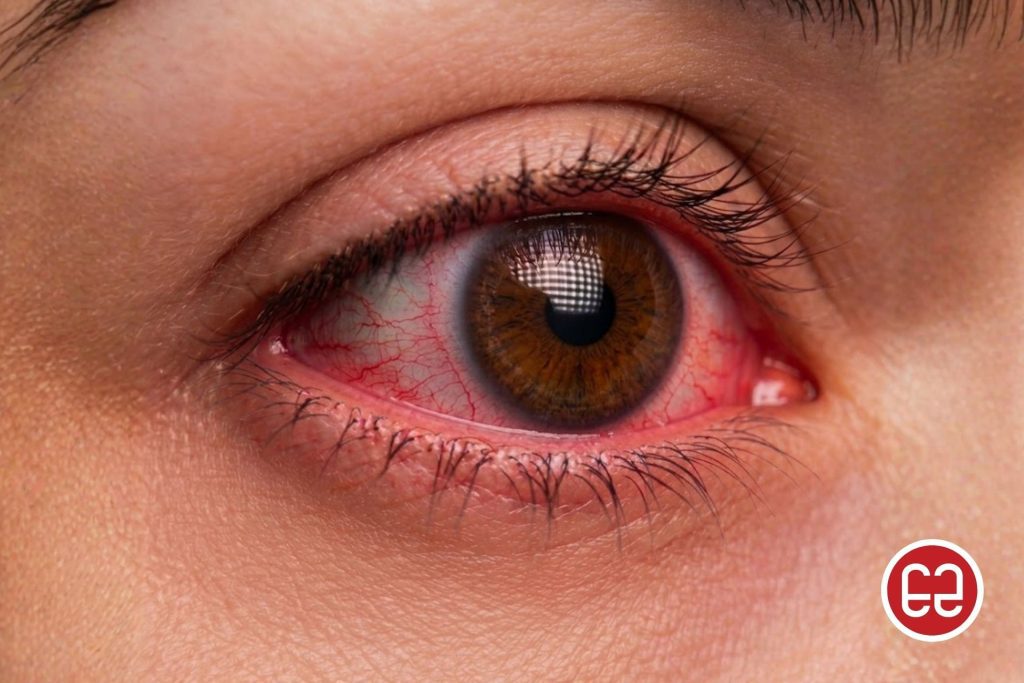
As deposits build up on the surface of the lens, bacteria is more likely to attach. Wearing contacts for longer than recommended can allow microorganisms to multiply.
Lenses can trap these microorganisms against the cornea, increasing the risk of infections like conjunctivitis or bacterial keratitis. Symptoms include redness, discharge, sensitivity to light, and eye pain. In the very worst cases, untreated infections can even affect your vision.
If you’re experiencing these symptoms, reach out to your eye doctor.
Dryness
Lenses gradually lose their moisture as you wear them. This dryness will eventually transfer to your eyes.
You might find yourself blinking more often or notice that your eyes feel irritated. Dryness is usually the first sign that disposable contacts have reached their limit for the day.
The lenses lose their secure fit
Daily lenses are designed to keep their shape for a limited time. The material will start to degrade if worn too long, and the fit on your eye will become less secure.
This can cause the lenses to shift slightly when you blink or move your eyes. It’s not dangerous, but it will be uncomfortable and mean your vision won’t be corrected properly.
What Makes Disposable Contacts Different
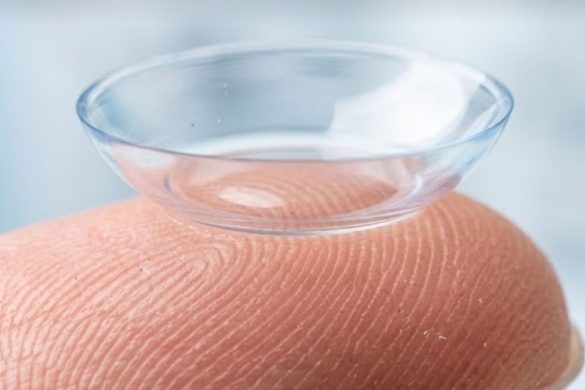
Daily disposable lenses are typically softer and contain more water than longer-wear lenses, such as monthly or weekly lenses. This makes them gentle on the eyes straight out of the box, but also means that the materials break down faster.
Daily disposables are not designed to:
- Get repeatedly handled
- Be cleaned or disinfected
- Keep their structure for longer than a day
Dailies also don’t have the same resistance to your eyes’ natural deposits. Proteins and oils from your tear film start building up on the lens surface within just hours of wear.
Can You Reuse or Clean a Disposable Lens?
No. It might be tempting to reuse a pair if you only wore them for a short time, but they’re not designed for it. Even if you didn’t wear them for long, the lens has already been exposed to bacteria and tear-film deposits.
You can’t clean daily disposables either. Reusable lenses are made to handle rubbing, rinsing, and soaking in solution. Trying to clean a disposable lens this way can easily tear it. Even if it stays intact, the surface could get damaged, or the lens could become misshapen.
How to Use Daily Lenses Safely
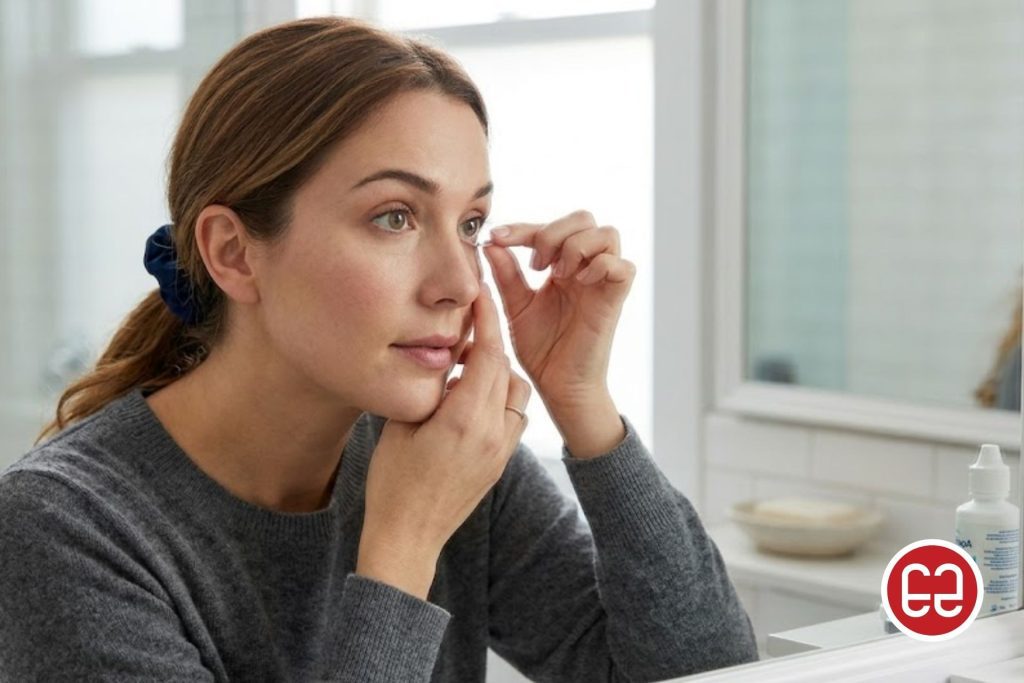
Daily disposables are the lowest-maintenance option for contacts, as long as you follow the instructions on the box.
Use a new pair each day and throw them in the trash after you take them out. Don’t wear them for longer than you’re supposed to, and switch to glasses if they start to feel uncomfortable.
TL;DR
- Most daily disposable contacts can be worn for up to 16 hours. However, this can vary from person to person. While some people can wear them comfortably up to 16 hours, others may need to remove them sooner due to dryness or irritation.
- If you accidentally wear them over the limit, take them out as soon as you can. Then, monitor your eyes for any redness, irritation, or pain.
- Wearing dailies too long can reduce oxygen flow, cause buildup, and increase your risk for infection.
- Never reuse daily lenses or try to clean them. Always insert a fresh pair.
- See an eye care professional if you have any serious symptoms from wearing contacts.