
Author:

Lauren Anderson

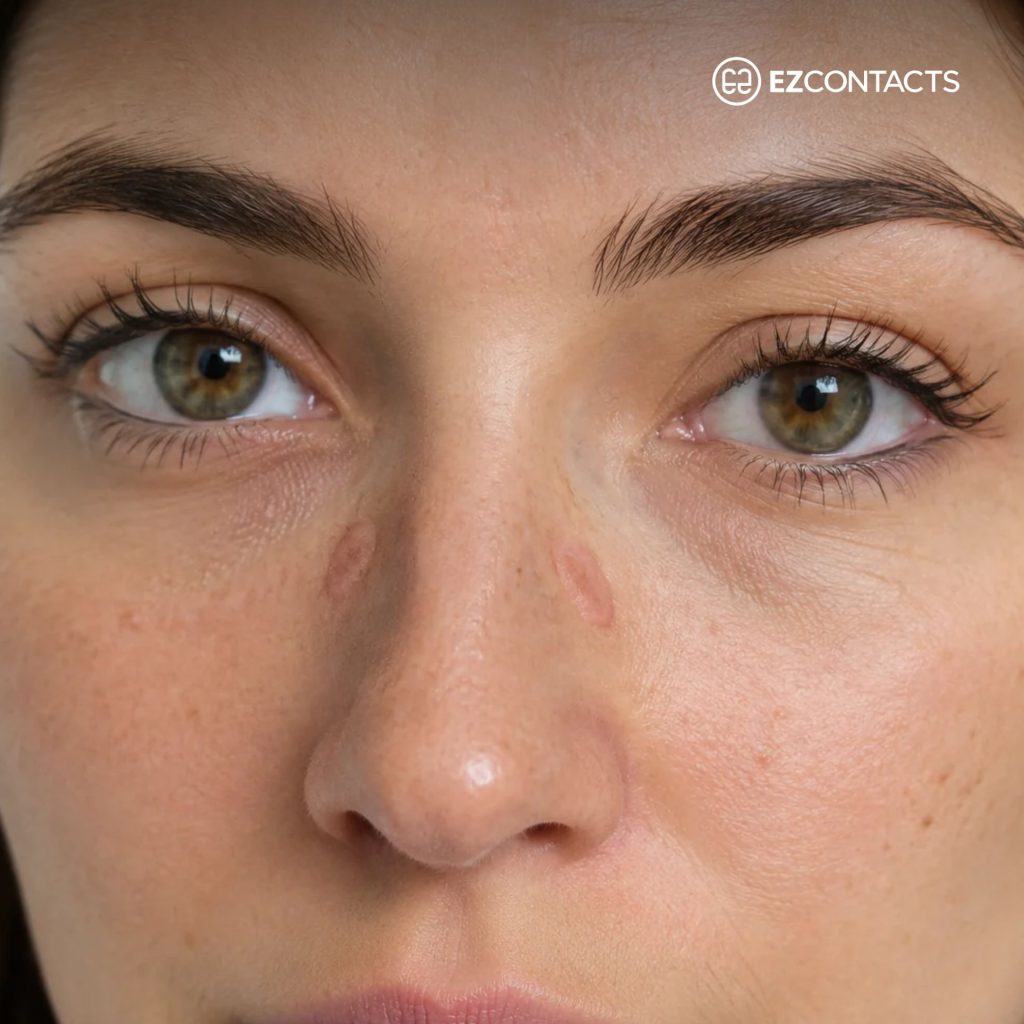
Permanent Dent on Nose From Glasses: How Do I Stop It?

Permanent Dent on Nose From Glasses: How Do I Stop It?

When you take your glasses off at the end of the day, do you often notice two dents on either side of your nose as you look in the mirror? Maybe they go away after a bit, or maybe they seem to stick around forever. 

All glasses have the potential to leave pressure marks on your nose, but if you wear glasses every day, then this isn’t something you want to be dealing with all the time. 

The good news is that while deep or lasting dents aren’t normal, you should be able to sort them out without too much trouble. Here’s how to deal with what looks like a permanent dent on your nose from glasses. 

Continue Reading
Biweekly Contacts: What You Need to Know

Biweekly Contacts: What You Need to Know

Daily disposables and monthly contacts aren’t the only options for contact lens wearers. Biweekly lenses offer a nice “middle ground” between the two.

Some people find that biweekly lenses work better for them because there’s less chance for deposits or bacteria to build up compared to monthly lenses. Sometimes, the cost per day also works out cheaper since you’re not using a new pair of lenses every day.

Here’s everything you need to know about biweekly contact lenses to help you see if they’re right for you.

Continue Reading
Are Trifocal Glasses the Same as Progressive Glasses Featured

Are Trifocal Glasses the Same as Progressive Glasses?

Both trifocal and progressive glasses are designed to help with near, intermediate, and distance vision, all in the same pair of glasses. But the two designs are very different. 

Trifocal glasses combine three different prescriptions into each of the two lenses, with each prescription or “zone” divided by a line that can be seen on the lens. Progressive glasses have lenses that gradually (or progressively) transition from near to far without any visible lines.

Progressive glasses are essentially the modern alternative to trifocal glasses. Here’s a complete deep dive into what makes them different.

Continue Reading
Pink Eye and Contacts Featured

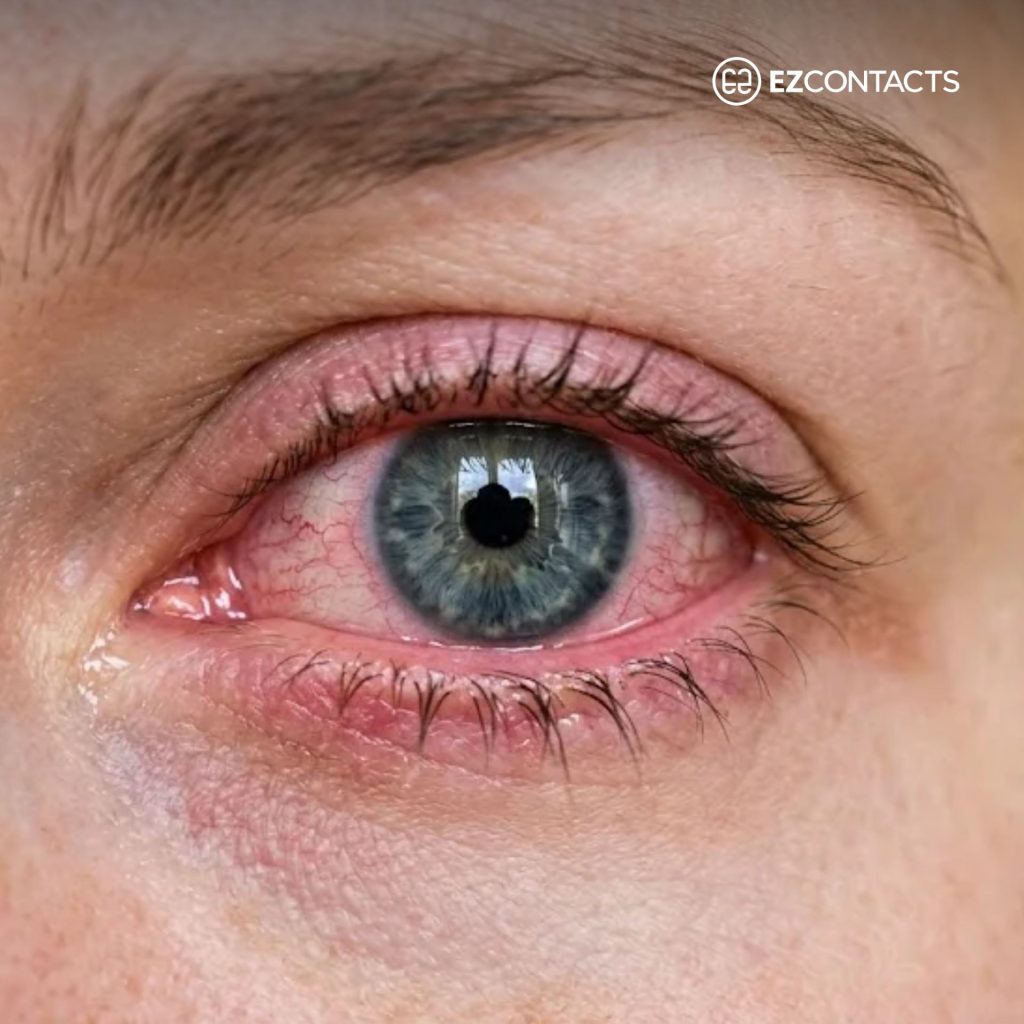
Pink Eye and Contacts: What Now?

Are your eyes red, itchy, irritated, watery… or all of the above? You might have pink eye. The official name for pink eye is conjunctivitis. A lot of cases of pink eye do heal on their own, but if you wear contacts, you need to be more careful. 

Official advice from organizations like the CDC is to seek medical care if you suspect you have pink eye as a contact wearer. No matter what, you certainly shouldn’t be wearing your lenses until your eye(s) have fully healed. 

So, what should you do? I’m going to walk you through exactly what to do next as a contact lens user, including how you can ease some of the discomfort.

Continue Reading

Socialize With Us #EZONTHEEYES

Scroll to Top