Tag:

Contact Lenses

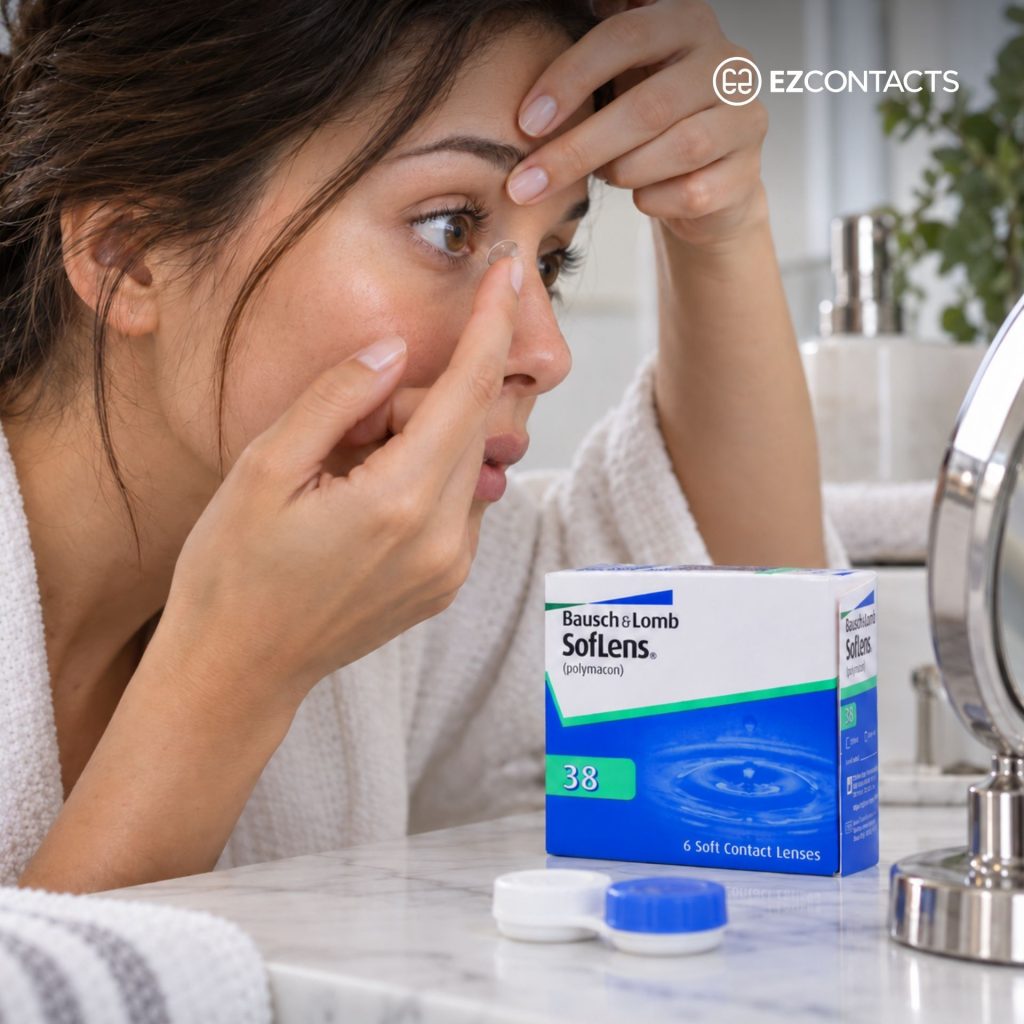
Woman holding a contact lens

The Long-Term Side Effects of Monovision Contact Lenses

Monovision contact lenses are an innovative solution for people with presbyopia. But some people worry about the side effects they can cause.

Monovision contacts are generally safe and non-invasive. However, some people do find visual trade-offs that persist beyond the expected time it takes to get used to them.

I’ve done the research so you don’t have to. This article summarizes numerous studies to give you the most accurate information on what the science says about the long-term side effects of monovision contact lenses.

Continue Reading
Woman rubbing her eyes

Eye Dryness with Contacts: Causes and How to Fix It

If you wear contacts, there’s a pretty good chance you’ll deal with eye dryness at some stage in your journey with contact lenses. In fact, between 30% and 50% of contact lens wearers experience some level of dryness. 

It’s not all doom and gloom, though. For most, eye dryness with contacts is very manageable once you understand why it’s happening.

We’re going to look at why contacts can cause dryness, which lenses are the biggest culprits for dryness, and what you can do to alleviate it.

Continue Reading
Glasses, contacts, and an eye prescription

How Long Are Eye Prescriptions Good For?

If you wear glasses or contacts, you should have an expiration date printed on your prescription. You may be wondering, how long are eye prescriptions good for typically?

In the U.S., prescriptions for glasses usually expire after one or two years. Most contact lens prescriptions are valid for one year.

Eye doctors also have to consider things like age, eye conditions, and the general health of the patient before they decide on an expiration date.

Let’s get into how long eye prescriptions are good for in the U.S. and why some expire sooner than others.

Continue Reading
Woman wearing an orthokeratology contact lens

Lens for Orthokeratology: A Complete Guide to Ortho-K Treatment

Imagine being able to wake up in the morning with corrected vision, without having to use glasses or contact lenses all day. That’s the idea behind orthokeratology, usually shortened to Ortho-K.

Ortho-K has become increasingly popular for children with progressing myopia, adults who aren’t fans of daytime lenses, and people who aren’t ready for laser eye surgery. 

We’re going to explain what a lens for orthokeratology is, how these lenses reshape the eye, and what you should realistically expect from this treatment.

Continue Reading
Scroll to Top