Are you confused about what exactly convex and concave lenses are? You’re not alone!
The terms convex and concave sound similar, and many people mix them up. However, they’re two very different types of lenses designed to correct different vision problems.
So what is a convex lens, and how does it differ from a concave lens? Let’s get into it!
At-a-Glance Summary
This article compares convex and concave lenses and their purposes. It answers the question ‘what is a convex lens,’ and it explains how it differs from a concave lens.
What Is a Convex Lens?
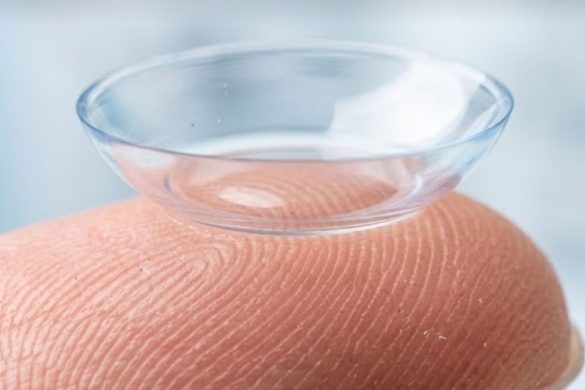
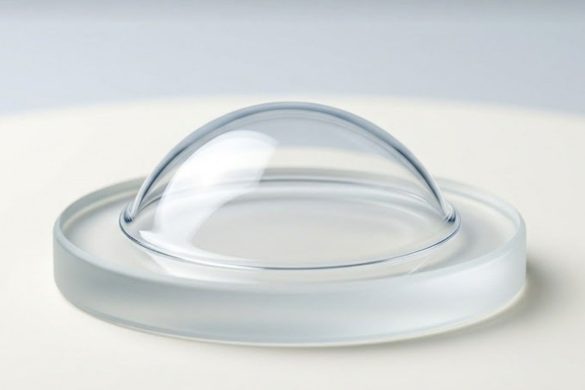
A convex lens is thicker in the middle and thinner toward the edges. This causes light to bend inwards. These lenses are used to treat farsightedness (hyperopia).
What Is Farsightedness?
Farsightedness develops because the eyeball grows too short or the cornea is too flat. This causes light entering the eye to focus behind the retina instead of directly on it. Because of that, nearby objects may appear blurry, but distant objects are often easier to see clearly.
You may find yourself having to hold your book or phone farther away to read them clearly. Your eyes could also feel tired or strained after reading. In addition, you could find yourself squinting to help focus on close-up objects.
What Is a Concave Lens?
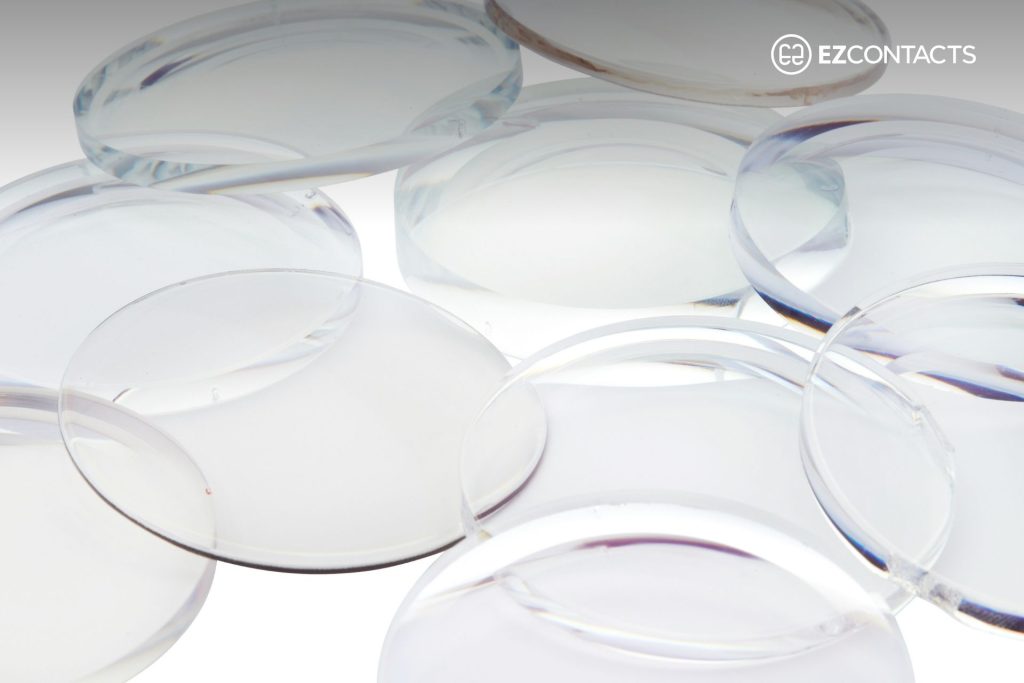
A concave lens is the opposite of a convex lens: it’s thinner in the middle and thicker toward the outside of the lens. This has the effect of bending light outward, which is helpful for people with nearsightedness (myopia).
What Is Nearsightedness?
Nearsightedness develops when the eyeball is too long, or the cornea is too curved. This causes light entering the eye to focus in front of the retina instead of directly on it. As a result, nearby objects usually appear clear, but distant objects may look blurry.
If you find yourself squinting to read signs or struggling to recognize objects far away, those could be signs of myopia.
How To Figure Out What Kind of Corrective Lenses You Need
Your eye doctor will write you a prescription specifying exactly what type of correction you need. However, the flow chart usually goes like this:
Start
   │

   ▼
Have you been diagnosed with hyperopia (farsightedness)?
├── Yes → Your eye doctor will likely prescribe a convex lens.
└── No
│
▼Have you been diagnosed with myopia (nearsightedness)?
├── Yes → Your eye doctor will likely prescribe a concave lens.
└── No → Your eye doctor may prescribe another type of vision correction. This will typically depend on your diagnosis (such as astigmatism or presbyopia).
How Often Should You Get a New Prescription?
This varies from person to person. It’s best to get an eye exam about once a year to determine if your vision needs have changed. For example, myopia often changes or worsens during childhood and adolescence, but it’s more likely to remain stable in adulthood. However, some adults may continue to experience changes in their prescription as they grow older.
The best way to know what’s going on with your eyes is to have regular exams. While some people have the same prescription for years, you never know exactly when your vision will change. Eye exams can also help detect certain eye conditions early, such as glaucoma, cataracts, and diabetic retinopathy.
Glasses vs. Contacts for Your Convex or Concave Lenses
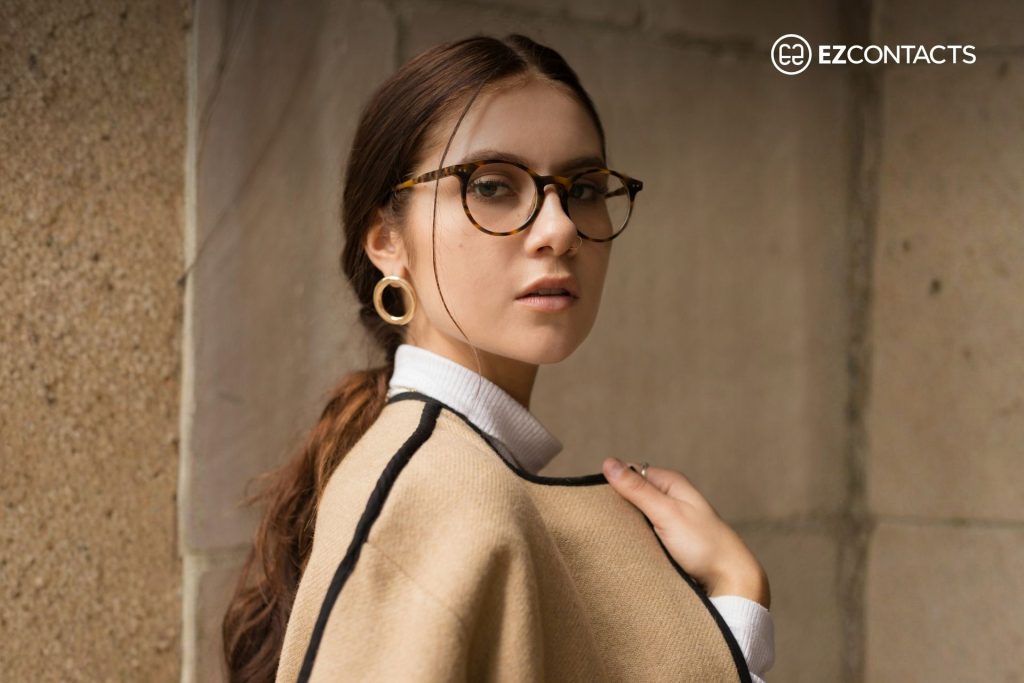
You can get convex or concave lenses in eyeglasses or contact lenses. Some people have a hard time deciding which one to get, especially if they are new to wearing corrective lenses and aren’t sure what would work best for their needs.
You may want to choose contacts if:
- You live an active lifestyle or play sports frequently. Contacts can be convenient while you’re exercising or playing sports, as they’ll stay in place while you’re moving.
- You spend a lot of time outdoors. Glasses can sometimes fog up when you step outside in certain weather conditions. You won’t have to worry about that with contacts.
- You prefer a full field of vision. Since contacts sit right on your eyes, they don’t obstruct your vision in the way glasses frames sometimes can.
You may want to choose glasses if:
- You have sensitive or dry eyes. Contact lenses can sometimes make dry eye symptoms worse.
- You work in a dirty or dusty environment. Dust and debris can sometimes get under contact lenses, causing irritation or blurry vision. Glasses can help protect your eyes; you can also consider using safety glasses for even more protection.
- You don’t want to touch your eyes. Some people find putting in and taking out contacts to be uncomfortable.
- You like a low-maintenance option. Glasses don’t require cleaning or special contact lens solutions like reusable contacts do.
Glasses and contacts can both work well for different people. The best choice depends on your lifestyle, eye health needs, and comfort. If you have questions about which option is best for you, reach out to your eye doctor.
FAQs
How do I tell the difference between concave and convex lenses?
One of the easiest ways to tell is by looking at your eye prescription. If your prescription has a plus sign, that means you are farsighted and need correction to help you see objects that are closer to you. Your eye doctor will most likely prescribe convex lenses.
If your prescription has a minus sign, that means that you’re nearsighted and need correction to see objects that are farther away. Your eye doctor will most likely prescribe concave lenses.
You can also identify the lenses by their shapes. Concave lenses are thinner in the center and thicker at the edges. Convex lenses are the opposite; they’re thicker in the center and thinner at the edges.
What if I need help seeing close up and far away?
Your doctor may recommend multifocal lenses, which have zones for close-up and far-off objects. They are most commonly prescribed to people over the age of 40 who struggle with age-related loss of ability to see clearly up close.
If I have a hard time reading small text, can I just grab some reading glasses off the rack?

This isn’t the best idea. While some people do find a pair of reading glasses off the rack, it can be hard to know the exact right strength level you need. Plus, your eye doctor will check you for other conditions that interfere with your vision. If you just buy glasses off a rack, you may not know what your exact diagnosis is, and your condition could worsen without treatment.
TL;DR
- Are you wondering, what is a convex lens? Convex lenses are thicker in the middle and thinner toward the edges, bending light inward and correcting farsightedness.
- Concave lenses are thinner in the middle and thicker toward the edges, bending light outward and correcting nearsightedness.
- You can get convex or concave lenses in glasses or contact lenses. The best option depends on your specific lifestyle and eye health needs.
- Some people may have multiple vision needs, and multifocals may be a good solution for them.