Do you have an appointment for a contact lens fitting coming up? If it’s your first time trying contacts, you might be a bit anxious about what the appointment entails.
But don’t fret; I’m going to talk you through what you can expect at your fitting so you’re prepared.
At a Glance
- A contact lens fitting checks your vision and eye health while also determining which lenses are right for your eyes.
- During your fitting, it’s likely you’ll have a few measurements taken of your eyes and corneas before it’s determined which is the right lens for you.
- You’ll normally get to try a contact lens on during the fitting so the practitioner can assess its position, movement, and your comfort.
- You’ll probably try more than one type or size of lens before finding the right fit.
- If you’re new to contact lenses, your practitioner will typically show you how to safely put your lenses in, take them out, and care for them. If they don’t offer to show you this, ask them to.
- You might need a follow-up appointment to check how the lenses are performing after you’ve worn them a while.
What Happens During a Contact Lens Fitting?
A fitting starts much like a regular eye exam, but with some extra steps. Your practitioner has to find out what prescription you need. They also need to make sure your eyes are healthy enough to wear contact lenses.
Your eye and medical history
The eye doctor will ask about your vision, any existing eye conditions, and your previous experience with contact lenses if you’ve worn them before.
They’ll likely ask how often you want to wear contacts. They may also ask whether you plan to wear them for sports or other activities. In addition, they could ask which distances you spend the most time looking at throughout the day, i.e., near, intermediate, or far.
Your vision is checked
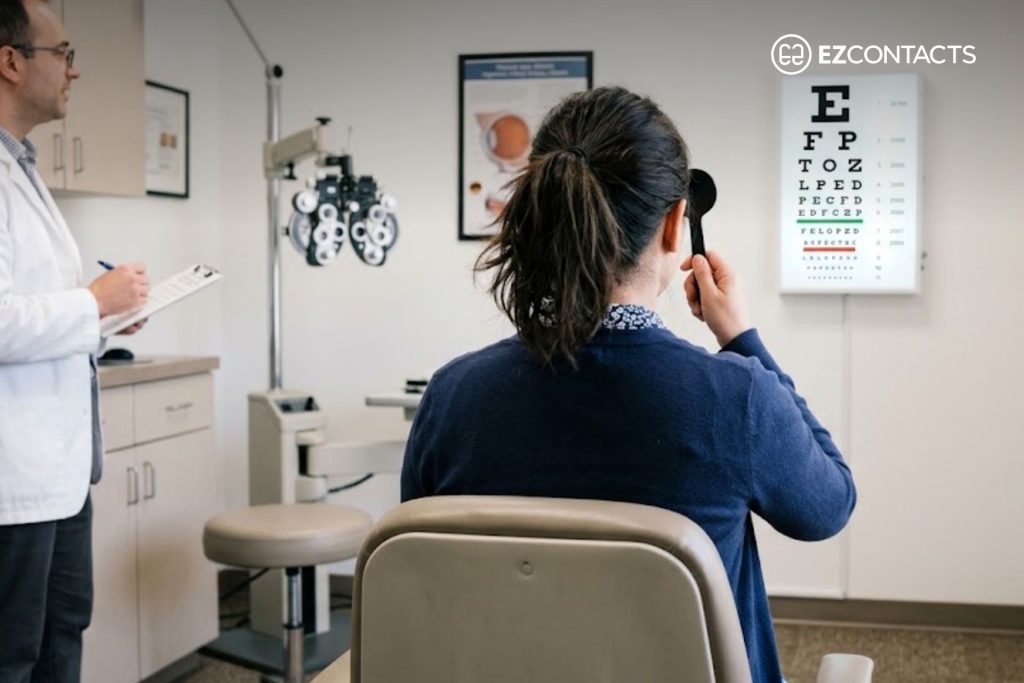
You’ll typically have your vision tested to determine the prescription you need. It’ll be similar to the vision testing you’d have during a regular eye exam.
Your contact lens prescription isn’t always the same as your glasses prescription. Contact lenses rest right up against the eye, while glasses sit in front of your eyes, so the power needed can differ. This is especially true with stronger prescriptions.
Your eyes are examined
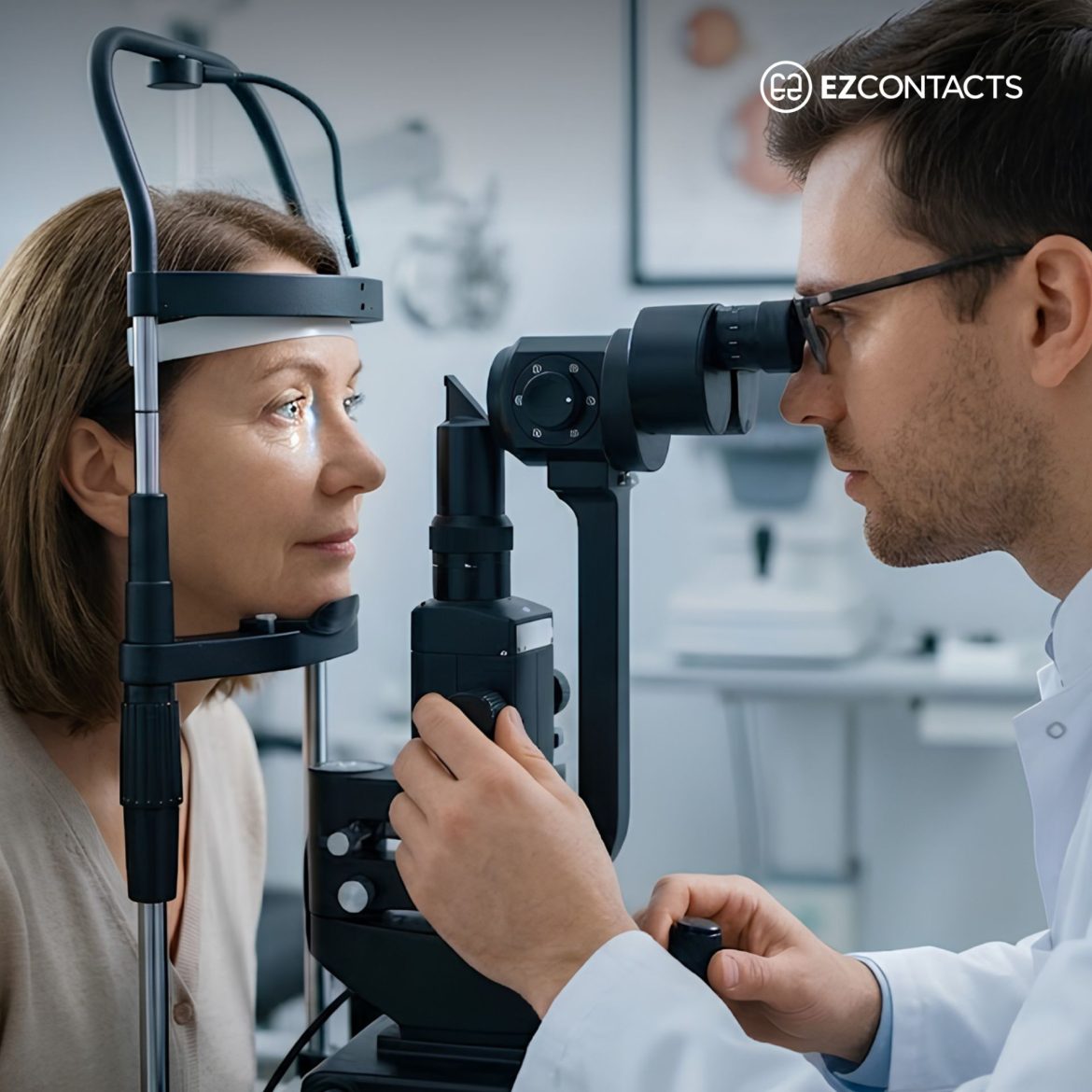
Your practitioner will examine the health of your eyes before putting you into contact lenses. They may use a slit lamp, which is a microscope that provides a magnified view of the eye. This is used to look at the cornea, conjunctiva, and other structures at the front of the eye.
They’ll be looking for anything that could affect your experience with contacts, like irritation, inflammation, or problems with the surface of the eye.
The shape of your cornea might be measured too. Keratometry is used to measure the curvature of the cornea, while corneal topography can provide a more detailed map of the surface. Not everyone will have the same measurements taken, though. It depends on the type of lenses you’re being fitted for and which specific eye conditions you have.
How Do They Choose the Right Contact Lens?
Contact lenses aren’t one-size-fits-all. Your practitioner will consider your prescription as well as the size and shape of your eye and the way a particular lens behaves when you wear it.
They’ll choose a lens with the appropriate power, base curve, and diameter. The material the lens is made from and the wear schedule will factor in too.
There are different types of contact lenses for different eye conditions. For example, a person with astigmatism often wears a toric lens, while someone with presbyopia may need a multifocal lens.
Do You Try the Contacts During the Fitting?
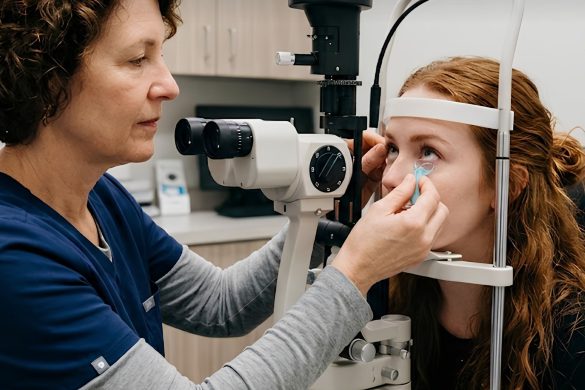
Yes, this is one of the most important parts of a contact lens fitting. You and your practitioner both need to see how the lens behaves on your eye, and whether or not it’s comfortable.
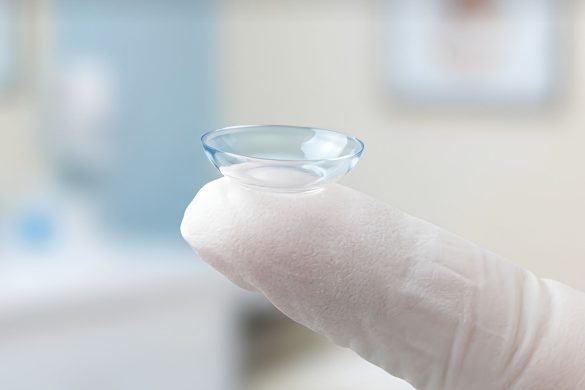
Your practitioner may place a diagnostic or trial lens on your eye and give it some time to settle. They’ll then look at the lens through the slit lamp to check its position and movement.
A contact lens isn’t supposed to sit motionless on the eye. It needs to move in the right way when you blink so it can properly interact with the tear film.
You’ll have your vision checked while wearing the lens too. Your practitioner may ask you to read letters on an eye chart or assess your vision at different distances, depending on the type of lens you’re being fitted for.
If the lens doesn’t fit properly or your vision isn’t as good as expected, the practitioner can try another lens with different parameters.
What If It’s Your First Time Wearing Contacts?
If you’re new to contact lenses, part of the appointment will be spent learning how to handle them.
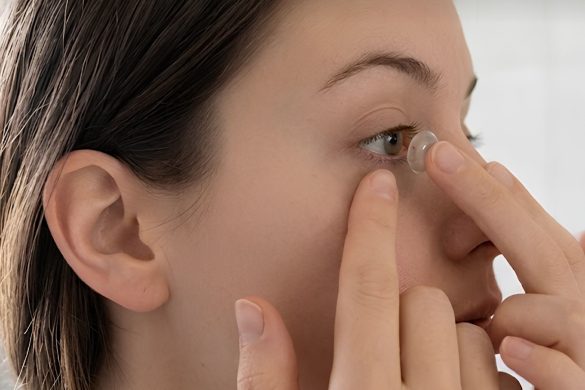
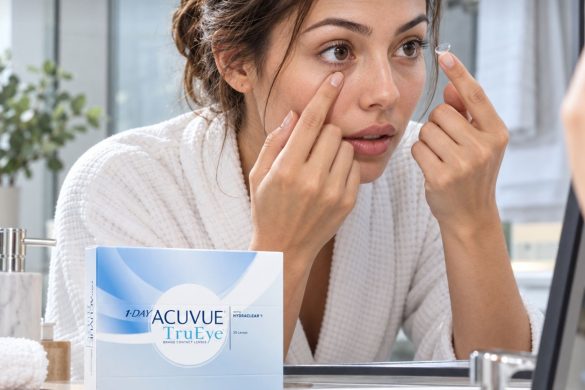
You’ll be shown how to insert a lens without unnecessarily touching your eyes and how to remove it safely. You’ll normally be given a chance to practice this yourself.
If your practitioner doesn’t offer this, let them know that you’d like to check if your technique is correct. It’s better to learn the right technique before you leave their office than to struggle with it all when you get home.

If you’re being fitted for reusable lenses, you should also be taught how to clean and store them, how often to replace them, and which products are best to use with your lenses.
Successfully getting a contact lens onto your eye for the first time can feel tricky in the beginning. But many people become much quicker at it with practice.
What Happens After a Contact Lens Fitting?
You might leave with trial lenses to wear for a specific period before returning for a follow-up appointment. This is so your practitioner can see how they perform when you’ve worn them for longer than a few minutes in the office.
At the follow-up, they’ll check your vision and how well the lenses are doing on your eyes. If you’re experiencing discomfort, dryness, or blurred vision, make sure to tell them. They can then adjust the lens parameters or recommend a different lens.
Once the fitting is done, you’ll get your contact lens prescription. This tells you which lenses have been prescribed for your eyes, including the lens power, brand, base curve, and diameter.
With your prescription in hand, you’re ready to order your new contact lenses.
FAQs About Contact Lens Fittings
Is a contact lens fitting painful?
A standard contact lens fitting shouldn’t be painful. But you might find the feeling of having a lens placed on your eye a bit strange at first.
Does the eye doctor put the contact lenses in for you?
If you’re trying contacts for the first time, the practitioner might put the trial lenses in for you. You’ll then usually learn how to insert and remove them yourself before you leave.
Do they dilate your eyes during a contact lens fitting?
You don’t need to have your eyes dilated just to get fitted for contact lenses. Your practitioner might dilate them if you’re also having a comprehensive eye exam, but it isn’t a routine part of every contact lens fitting.
Can you get contact lenses at the same appointment?
You might leave with trial lenses at the fitting, but getting your final lenses can take longer. Your practitioner may want to assess how the trial lenses perform before finalizing your prescription.