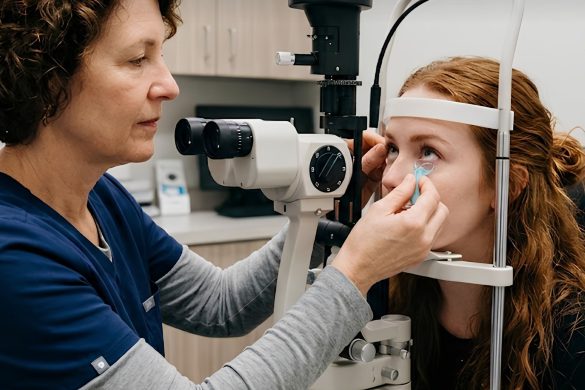

It’s the middle of the day. You’re trying to work, and you just can’t concentrate. Your head is pounding, and your vision is blurry. What’s causing these symptoms?
There are several possible reasons for blurry vision and a headache. Let’s go through some of the most common causes, along with when it’s best to seek medical attention.
At a Glance
- Eye strain can cause headaches and blurred vision. This could be because you’re putting pressure on your eyes by looking at screens or doing other “close-up activities,” like reading a book or drawing.
- An uncorrected or outdated prescription could cause headaches or blurry vision.
- Dry eye can make your vision blurry. Dry eye doesn’t typically cause headaches, but you could experience dry eye and a headache simultaneously.
- Migraines can cause temporary disturbances to your vision, sometimes before the headache actually starts. This can sometimes occur without you even feeling any pain.
- If you have sudden vision changes, severe eye pain, or a severe headache with neurological symptoms, call a medical professional immediately.
What Can Cause Blurry Vision and a Headache?
There are many reasons why you might be getting blurry vision and headaches at the same time. Many of the likely causes are relatively benign and can easily be sorted out. However, some could point to a serious problem, though this is less common.
Reading this article is no substitute for going to see a doctor or eye care professional. But it can help you work out what might be behind your symptoms and when it’s worth getting them checked.
Eye strain
If your eyes have been working overtime for a while now, eye strain could explain both symptoms. For example, maybe you’ve been looking at a computer, tablet, or phone for hours.
Digital eye strain can cause blurry vision, headaches, dry eyes, and tired or sore eyes. This is because you blink less when you look at screens. The American Academy of Ophthalmology says people normally blink around 15 times a minute. But it drops to about half this rate when someone is using a screen.
The same applies when doing other activities requiring close-up vision, like knitting or reading. Eye strain will often improve once you give your eyes a break.
An outdated or incorrect prescription
More than 150 million Americans have a refractive error. In other words, light doesn’t focus correctly on their retina, and they experience blurry vision. Nearsightedness, farsightedness, astigmatism, and presbyopia are all examples.
Refractive errors can cause headaches and eye strain, too. Farsightedness can lead to headaches, especially when you’re reading. Astigmatism can produce blurry vision, headaches, and eye strain. Presbyopia, which affects many people as they age and typically starts after 45, can cause headaches and difficulty seeing things up close.
If you wear glasses or contacts but are still getting blurry vision or headaches regularly, it could mean you need a new prescription.
Dry eyes
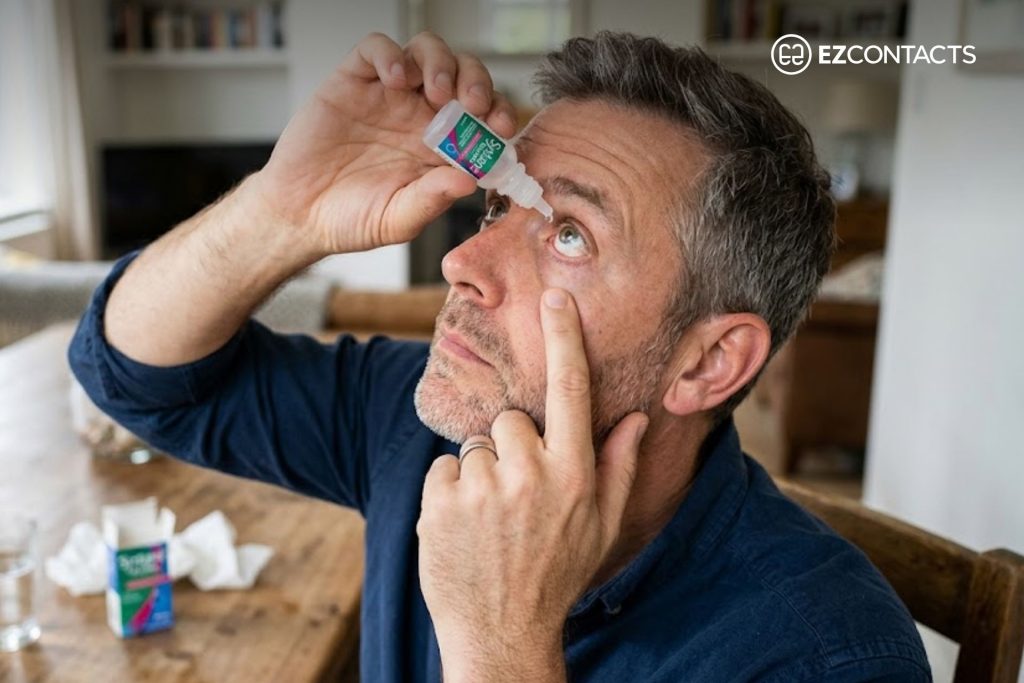
Your tears help keep the surface of your eyes smooth and comfortable. When your eyes don’t produce enough tears or the tears evaporate too quickly, dry eye syndrome can cause blurry or fluctuating vision. You may also experience burning, stinging, redness, or a gritty feeling.
Although dry eye isn’t directly linked to headaches, both can occur at the same time. Screen use is often a big contributor because you’re blinking less.
If your symptoms keep coming back or are impacting your life, it’s worth having your eyes examined. It may be that you need to use lubricating eye drops to get some relief from dry eye.
Migraine
A migraine can cause visual disturbances as well as pain. Some people experience an “aura” before or during one, and visual aura is the most common type.

Migraine symptoms usually develop gradually and last less than an hour. It usually affects both eyes and can happen before or during a headache, or sometimes without a headache at all.
If you experience sudden vision changes in just one eye, don’t assume they’re caused by a migraine. This can be a sign of a more serious eye problem that needs urgent medical attention.
A problem with how your eyes work together
Your eyes are designed to work together, as a team. Problems with their coordination can cause blurry or double vision, headaches, and tired eyes.
Several conditions and vision disorders can prevent your eyes from working together properly. You’ll need to arrange an eye exam to know exactly what the problem is.
A more serious eye condition
Some eye conditions can create blurry vision and a headache along with other symptoms.
One example is acute angle-closure glaucoma. This can cause sudden blurry vision, severe eye pain, headache, nausea or vomiting, redness, and halos around lights. It demands immediate care because eye pressure can rapidly rise and result in permanent vision loss.
Sudden flashes, a lot of new floaters, or a shadow or curtain across your vision could indicate retinal detachment, which again, needs immediate medical attention.
When Should You Worry About Blurry Vision and a Headache?
Blurry vision and a headache don’t always signify something serious. But still, sudden or severe symptoms shouldn’t be ignored.
Seek urgent care if you have:
- Sudden vision loss or a major change in your vision
- Severe eye pain with blurred vision
- A red, painful eye with a headache, nausea, or vomiting
- New flashes, many new floaters, or a shadow across your vision
- Double vision
- A sudden, severe headache
- A headache with weakness, numbness, confusion, difficulty speaking, or trouble walking
- Changes to your vision after an eye or head injury
How Can You Relieve Blurry Vision and a Headache?
The best way to relieve blurry vision and a headache depends on the cause. If eye strain or dry eye is contributing to your symptoms, a few simple changes may help.
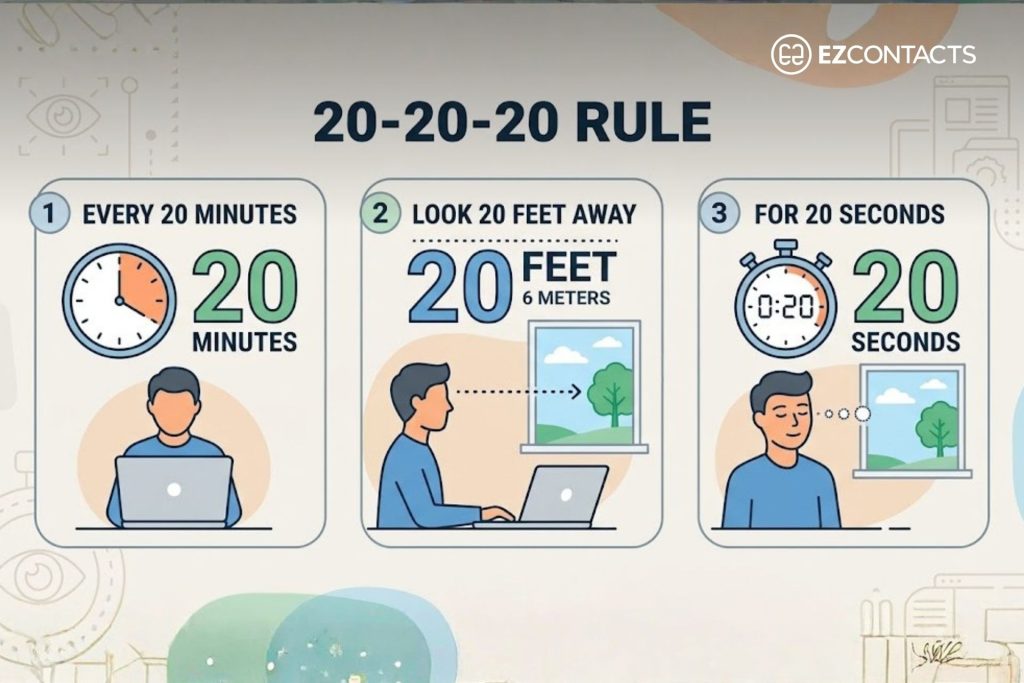
If you need to use a screen for a long time, take regular breaks. The American Academy of Ophthalmology recommends the 20-20-20 rule. Every 20 minutes, look at something at least 20 feet away for 20 seconds. Another tip is to keep your screen arm’s length away and slightly below your eye level.
If your eyes feel dry, eye drops can help. But if you constantly experience eye dryness, it’s best to go for an exam.
Finally, if you’re struggling to see clearly with your current glasses or contact lenses, don’t just assume you need to get used to them. An eye exam can determine whether your prescription needs changing or if it’s another problem that’s causing your symptoms.
FAQs
Can using screens cause blurry vision and headaches?
Yes. Digital eye strain can cause blurry vision, headaches, dry eyes, and tired eyes. Spending less time looking at screens and taking regular breaks can help.
Can a migraine cause blurry vision?
It can cause temporary visual disturbances, especially migraines with auras. You might see flashing lights, zigzags, shimmering spots, and blind areas. The visual disturbances usually last under an hour and can happen before, during, or without a headache.