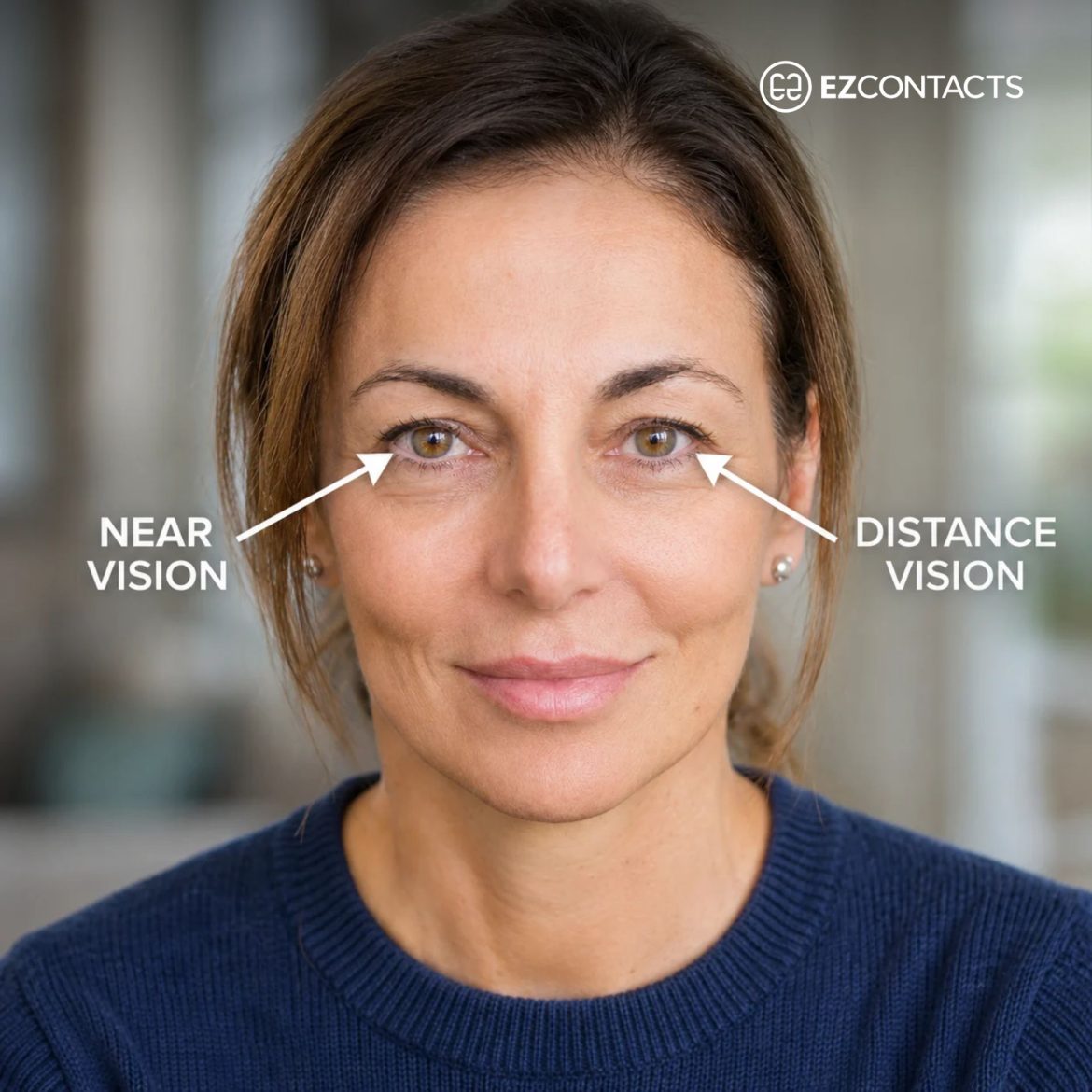
Doctors use monovision contact lenses to treat presbyopia (the normal, age-related loss of the eye’s ability to focus on close-up objects). Everyone gets at least some presbyopia eventually, which means monovision contact lenses could be in your future!
“Monovision” means you’ll have one contact lens in one eye to correct distance vision, and the other eye will have another lens that corrects close-up vision. That concept can sound a little strange, but I promise it does work well for many people. Like any kind of vision treatment, there are a few trade-offs, though.
Here are all the pros and cons for monovision contacts so you can make up your own mind.
At a Glance
- Monovision contact lenses correct your dominant eye for distance and your other eye for near vision.
- You won’t need to put your reading glasses on for every little thing anymore.
- Monovision can reduce depth perception and contrast sensitivity.
- Some people experience blurry vision, eye strain, or difficulty adapting to the difference between their eyes. For most, this goes away with time once they’ve given themselves a chance to adapt.
- Multifocal contacts, modified monovision, and single-vision contacts paired with reading glasses are alternatives.
What Are Monovision Contact Lenses?
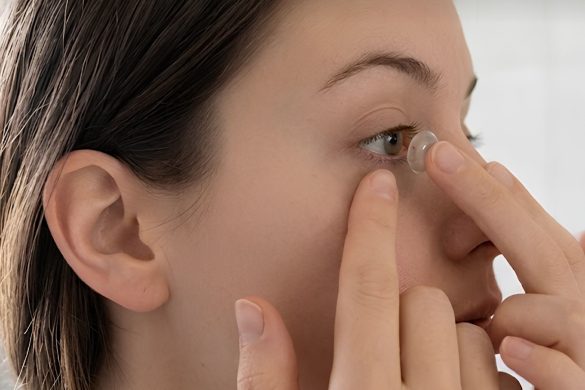
Monovision contacts work by having two lenses with different prescriptions. Typically, they’ll correct your dominant eye for distance vision and the other eye for near vision. With a bit of time, your brain then learns which eye is best to use for whatever you’re currently looking at.
Monovision Contact Lenses: Pros
There are plenty of reasons people choose monovision over other treatments for presbyopia.
You can see both near and far without switching glasses

This is a huge advantage. It means you won’t have to keep putting your reading glasses on whenever you need to read, check your phone, or do any other close-up work. You also won’t have to take off your reading glasses to see clearly at a distance.
If you’re already nearsighted, your eye doctor will correct your distance eye for that, and your other eye will be set for near vision.
Your vision might not be equally clear at every distance, but most people find monovision works well enough for them in their day-to-day life.
You can use standard single-vision contact lenses (usually cheaper)
Unlike multifocal contacts, monovision doesn’t use contact lenses with special focusing designs. It just uses ordinary single-vision lenses with a different prescription in each eye.
This can make fittings a lot easier and make the lenses themselves cheaper. This depends on things like the brand you’re using, but in most cases, monovision tends to be less expensive than multifocal lenses.
It’s a way to try monovision before committing to surgery
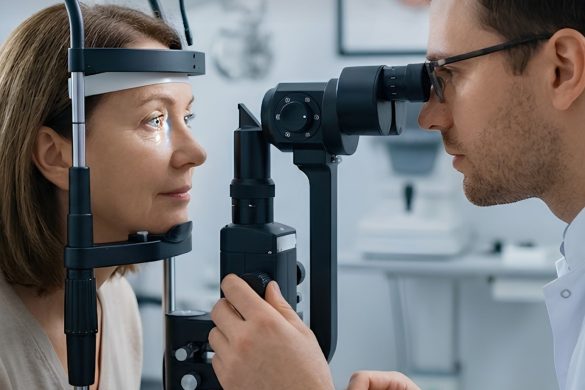
The American Academy of Ophthalmology (AAO) recommends trying monovision with contact lenses before committing to procedures like LASIK or monovision lens implants. It lets you try it out for as long as you want without the expense or permanence of these surgeries.
You can test out how comfortable it feels and see whether you’re able to adapt to wearing different prescriptions in each eye. If you decide monovision isn’t for you, you can then discuss other options with your eye doctor.
Monovision Contact Lenses: Cons
No method of correcting your vision is entirely perfect, and monovision is no exception.
Reduced depth perception
This is probably one of the most common complaints. Usually, your eyes work together to create something called “stereoscopic vision.” This means your brain uses the slightly different images to judge distances and give you accurate depth perception.
When you use monovision contacts, each eye is focused at a different distance, which usually reduces your brain’s ability to achieve stereoscopic vision. People notice it most when they’re using staircases, playing sports, or judging how far away an approaching vehicle is.
This doesn’t mean your depth perception is totally gone, and some people find it gets better with time.
Reduced contrast sensitivity
Contrast sensitivity is how well you can distinguish an object from its background. It’s more noticeable when the object is a similar color to the background or the lighting is dim.
You might lose some contrast sensitivity with monovision because your eyes aren’t working together like they normally do. So your brain is less able to discern what the object in the foreground is and what the background is.
It takes time to get used to
When you first put your monovision contacts in, you’ll probably feel pretty strange. Your brain needs time to adapt. It’s different for everyone, but for those who successfully adapt to monovision, it generally takes a few days up to several weeks.
During that adaptation time, some people experience blurred vision and headaches. Give yourself enough time to adjust, but do speak to your doctor if you think it’s just not going to work out. They might need to change the prescription, or you might need to try an alternative to monovision.
Driving at night might be difficult
Monovision can make your vision poor in low-light conditions. This could be a problem if you frequently drive at night, since it might not be safe. Road signs, headlights, and moving vehicles can all look different than they did before. But some people report having no issues with driving at night. If you drive in the dark, talk to your eye doctor about how to do so safely with monovision contacts if you’re someone who’s affected.
Your intermediate vision might still look blurry
Monovision may not fully correct intermediate distances. This means things like your car dashboard or computer screen could still be a little blurry. Some people find their intermediate vision to be sufficient for them, but for others, this is a deal-breaker.
Are There Any Alternatives to Monovision Contacts?
There certainly are! You can correct presbyopia using several alternatives.
Multifocal contacts
Multifocals are very popular lenses today, and for good reason. Within a single multifocal lens, there are several optical zones or powers. Basically, they’re designed to help you see at near, intermediate, and far distances.
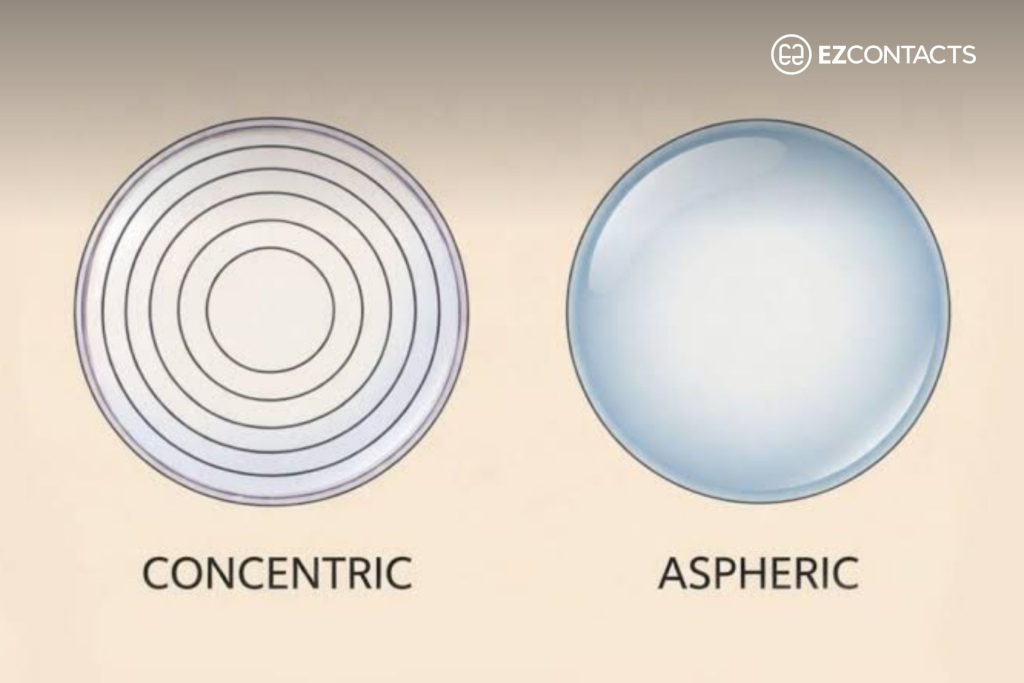
Unlike monovision, both eyes get the same or similar lenses—you don’t use one eye for distance and one eye for close-up vision. Your brain still has to adapt to multifocals so it can learn to select the correct image for the task.
Some people do find that they see halos around lights, and they may notice glare or reduced visual sharpness with multifocals, though.
Modified monovision
This is where a person wears one multifocal lens in one eye, then a single-vision contact in the other. This can improve some people’s intermediate vision, which is a trade-off associated with standard monovision.
Single-vision contacts paired with reading glasses
If you like the contact lenses you already wear, then you don’t necessarily have to give them up. You might decide it works better for you to carry around a pair of reading glasses. Then you can put them on whenever you need to check your phone or look at something else up close. You can shop reading glasses to find a pair that suits you.
Progressive or bifocal glasses
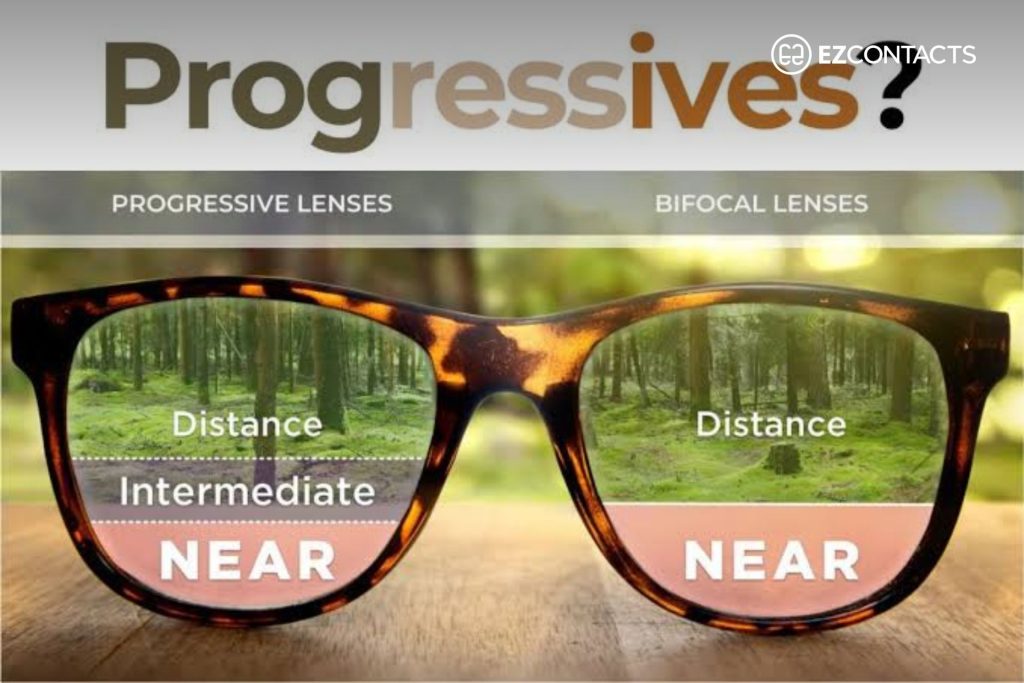
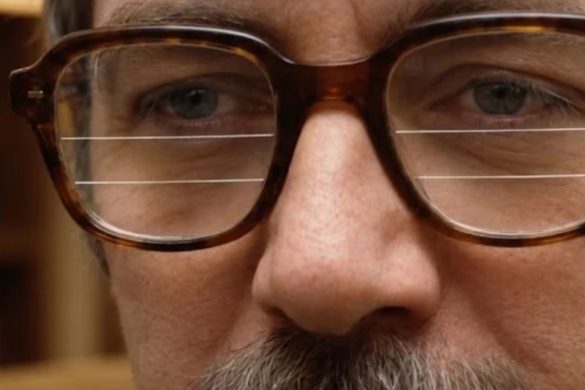
If you don’t want to wear contacts at all, bifocal or progressive glasses are an option. Bifocals have two different sections for near and distance vision. Progressive glasses are more modern and gradually change power across the lens to give you near, intermediate, and distance vision.
FAQs
Can you wear only one contact lens for monovision?
Usually, you’ll have to wear two lenses—one in each eye. But in some rarer cases, a person might only need to wear one lens if the other eye already has good vision for the distance it needs. You’ll have to talk to your eye doctor about this to see if it’s possible for you.
Can monovision cause headaches?
When people are first adapting to monovision, some do experience headaches or eye strain. Having different prescriptions in each eye takes a bit of getting used to. But this usually goes away once you’ve given your brain time to adapt. If you keep having problems after giving monovision a fair chance, talk to your doctor so they can make changes to your prescription or recommend an alternative to monovision.