Have you ever needed to take your glasses off because your skin gets itchy or dry? You might be allergic to something in your frames!
EZContacts sells hypoallergenic glasses frames, and to help you identify which ones are the best fit for you, I’ll show you:
- How allergic reactions to frames happen,
- How to identify your allergens, and
- What you can do about them.
At a Glance
- Metals like nickel, cobalt, chromium, and copper can cause allergic reactions in some people.
- Certain acetate frames contain additives like resins or phthalates that may cause symptoms.
- Hypoallergenic eyeglass materials include titanium, nickel-free stainless steel, cellulose acetate, and some bio-acetates.
- You can search for glasses made of hypoallergenic materials on EZContacts.
How Can I Be Allergic to My Glasses?
So you bought a pair of glasses. They probably weren’t cheap, and now you’re dealing with itchy, red skin where the glasses sit. The last thing you want is to have to buy another pair, right? Especially if you can’t return the ones you got.
The good news is that hypoallergenic glasses frames come in a range of materials, so you may have more options than you think.
But first, let’s start by identifying the signs of an eyewear allergy:
- Redness or a rash where the frame touches the skin.
- Itching or burning that doesn’t go away and may get worse the longer you wear the glasses.
- Bumps, blisters, or swelling, often around the ears or nose.
- Symptoms that improve shortly after you remove the glasses and get worse when you put them back on.
- Symptoms that get worse when you’re hot or start to sweat (because this speeds up the release of metal ions and skin absorption).
If any of these sound like you, you’re on the right track by considering hypoallergenic frames.
How to Confirm an Allergy
First, you should see your doctor. They will examine you to rule out any other issues that could cause similar symptoms, such as an infection. If they suspect you have an allergy, they may refer you to an allergy specialist.
An allergist can perform testing to confirm what you’re allergic to, usually by exposing small patches of skin to common allergens. If you let them know you’re having trouble with glasses, they can look for the allergens most commonly found in eyeglass materials.

Nickel
This is one of the more common contact allergies, and many inexpensive metal alloys contain it. If you look up the model of your glasses (on the inside of the temple) and the listing only says “metal alloy,” there’s a good chance the frames contain nickel. When you’re shopping for hypoallergenic glasses frames, it helps to look for listings that name the specific material instead of just “metal alloy.”
Cobalt and chromium
Along with nickel, metal alloys also frequently contain these metals. If your glasses contain all three, you might need allergy testing to determine which one is the culprit.
Copper
Manufacturers use copper less often than nickel, cobalt, and chromium, but it does occasionally show up in alloys. If you see a green discoloration on your skin or the glasses frames in addition to your symptoms, that may be a sign that copper is the problem.
Plastics
If your frames are made with plant-based cellulose acetate, this material is unlikely to cause issues. However, some more “affordable” plastics use lower-quality ingredients that may cause irritation, such as resins, phthalates, or dyes.
Unfortunately, it can be hard to know what’s in your plastic, and the material information may only say “acetate.” You could try contacting the manufacturer to ask about their ingredients.
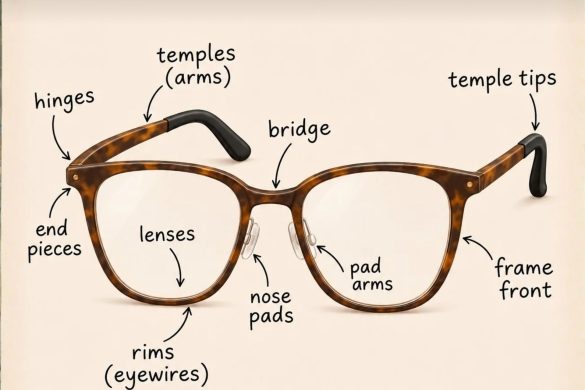
Silicone nose pads
Silicone itself is not likely to cause irritation, but sometimes these pads have chemical coatings or additives that cause issues. Again, brands usually don’t list them, so you may need to ask the manufacturer. But if your irritation is only around the nose, the nose pads may be the cause.
What Are Some Hypoallergenic Materials for Glasses Frames?
Fortunately, there are a number of hypoallergenic options today for people with allergies to nickel, cobalt, or inexpensive plastics:
- Titanium is a lightweight, corrosion-resistant metal that is nickel-free in its pure form, making it a good choice for allergy sufferers. If you want a flexible, durable material, consider the beta-titanium version.
- Some higher-grade stainless steels are nickel-free or low-nickel and may be better tolerated, but standard stainless steel often contains nickel.
- Cellulose acetate comes from cotton or wood pulp and is typically durable, lightweight, and safe for allergy sufferers.
- Some bio-acetates made with biodegradable materials are also hypoallergenic.
- If your nose pads are the issue, you can replace them with medical-grade silicone, EVA, glass, or titanium nose pads.
How to Find Hypoallergenic Glasses Frames
From the EZContacts home page, click on the Eyeglasses tab in the upper left corner to get started.
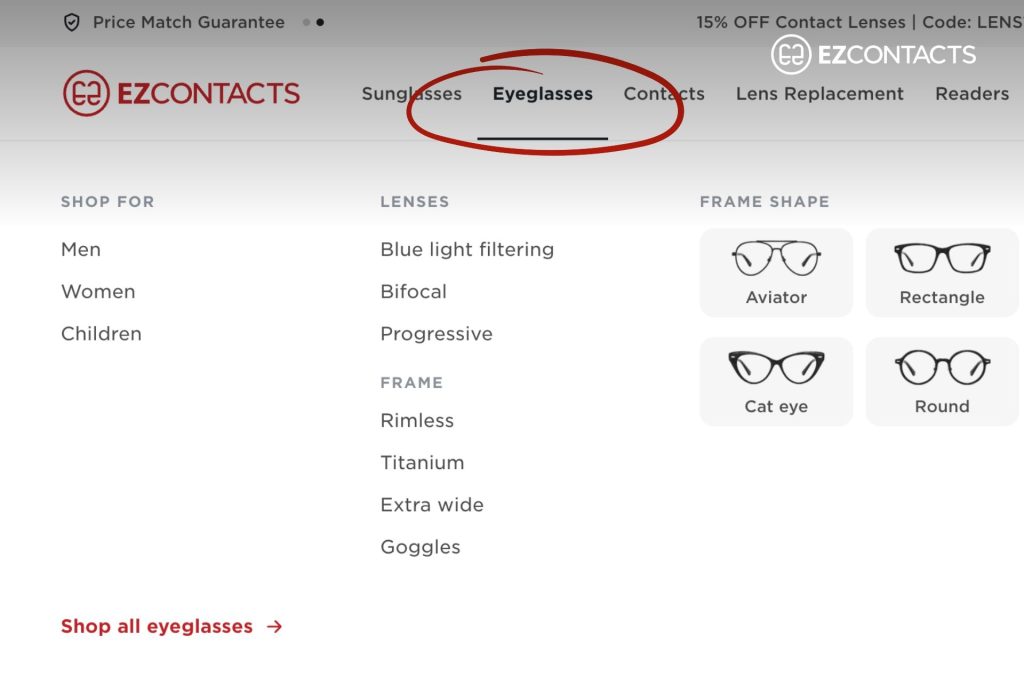
This will lead you to the main eyeglasses page, which currently has over 6,800 frames. Once there, scroll down through the filters on the left side of the screen until you find “Frame Material” near the bottom.
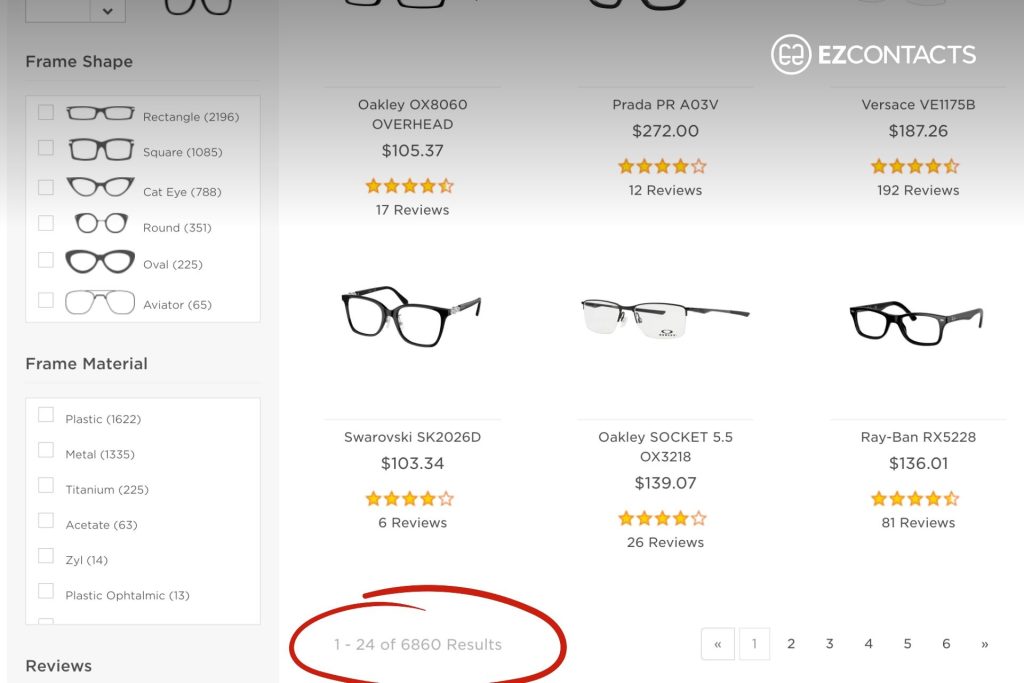
Here you can choose materials like titanium, acetate, bio-acetate, and stainless steel. After selecting an eyeglass frame material, you can also add other filters, like frame shape or price, to narrow down your results.
This search for titanium frames turned up 235 frames currently available.

You can do the same search for sunwear by selecting the sunglasses option instead of eyeglasses, so you can browse hypoallergenic glasses frames in sunglass styles, too.
FAQs
How can I change the nose pads on my glasses?
If they screw in, you’ll need to use an eyeglass screwdriver to remove the central screw, then the old pad. Next, you’ll line up the new pad and use the same screwdriver to secure it.
You can usually pry off snap-on pads with your fingers or lever them out with a tiny, flat tool. Then the new ones should snap in.
Slide-on pads work the way the name would suggest, sliding off and on easily.
Can you recommend other ways to reduce eyeglass allergies?
Choosing hypoallergenic glasses frames and avoiding the allergen are often your best bets. However, cleaning glasses regularly can help avoid irritation and acne where the frame touches the skin.