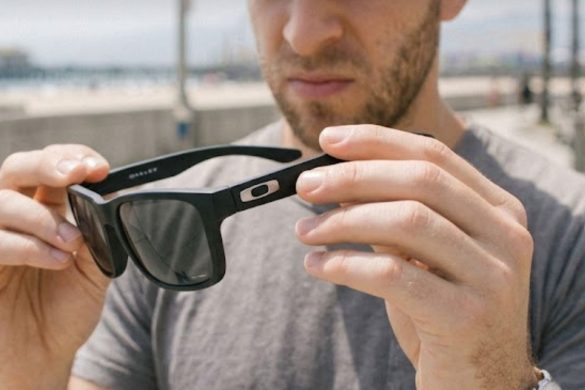
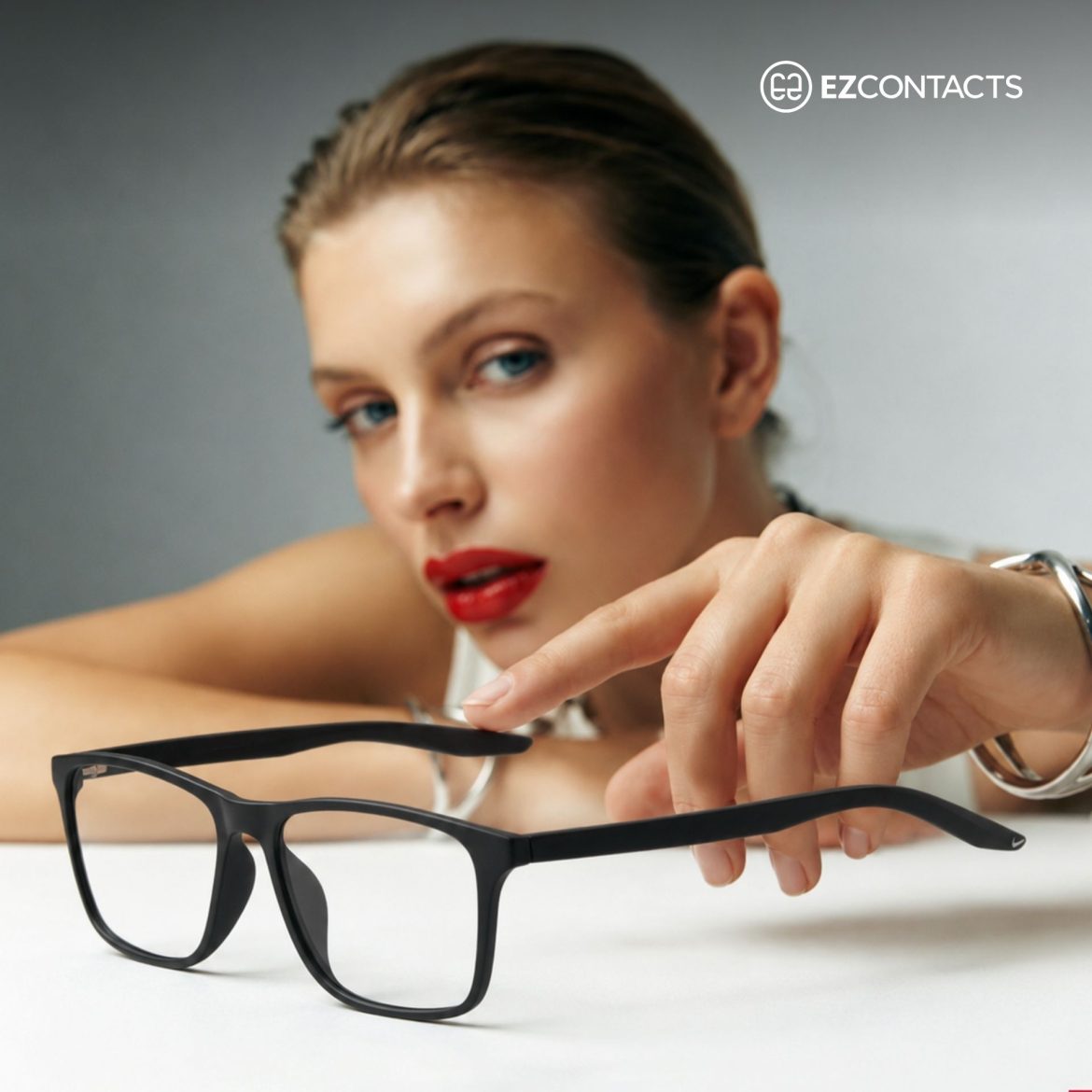
If you wear glasses, you probably dread hearing the sound of them breaking. That crunch or snap could ruin your day!
Unfortunately, glasses can sometimes be vulnerable to damage. This is especially true for kids, people with active lifestyles, or anyone who frequently takes their glasses on and off.
For some, flexible glasses frames provide a solution. But how do you know if they’re right for you?
At a Glance
- Flexible glasses frames can be made of titanium/nickel alloys like memory metal, or flexible plastics like TR90.
- Many flexible frames can bend and return to their original shape, and they are typically very strong and resistant to breakage. However, they are not indestructible.
- These frames can sometimes be more expensive than standard materials. But they could save you money if they help you avoid breakage.
- There are a variety of flexible glasses available on EZContacts, including options from the brands Flexon Eyewear and Nike.
What Are the Benefits & Downsides of Flexible Frames?
The main benefit of flexible glasses frames is that they’re hard to break. I know I can be clumsy and forgetful sometimes! I like the idea of glasses that simply bounce back after I sit on them, or if my dog ‘helpfully’ picks them up and drops them at my feet.
Other people like them because they’re very lightweight. If you tend to feel weighed down by your glasses or think they’re uncomfortable, flexible frames could be a good option for you.
There are a few downsides to consider, though:
- Cost. Depending on which frames you choose, they could be more expensive than standard frames due to the more complicated manufacturing processes. However, if you’ve replaced a few pairs of broken glasses lately, investing a little more in a pair that’s less likely to break may save you money in the long run.
- Fewer style options. Because they’re more expensive to produce, flexible frames don’t always come in as many different styles as traditional frames. If you can still find a frame you like, great! But if not, you may have to choose between durability and style.
- Harder to break, but not impossible. These frames can bounce back from some mishaps, but they’re not indestructible. You should still be sure to handle them with care. Severe twisting, heat, or force can damage them. I don’t recommend testing the durability.
What Materials Are Flexible Glasses Frames Made From?
Flexible frames can be made out of metal or plastic, which is good news if you have a strong preference for a certain material. Here are some options to consider:
- Nickel/titanium alloys, also called “memory metals.” These have high elasticity and high strength-to-weight ratios. This means they can be bent repeatedly and still “bounce back,” like a memory foam pillow. One popular titanium alloy is called Flexon.
- Bendable thermoplastics, especially TR90. Similar to the titanium alloys, these are extremely lightweight, flexible, and strong.
Because both materials behave similarly, you can choose based on aesthetics. If you prefer the look or feel of metal frames, you can choose titanium alloys like Flexon.
Or, if you prefer the look of plastic frames or want a wider selection of color and style choices, you could choose TR90 or other thermoplastics.
Top Picks for Flexon Frames
If you like metal frames, here are a few flexible styles to consider. You can find these glasses on EZContacts.
Flexon Einstein 600
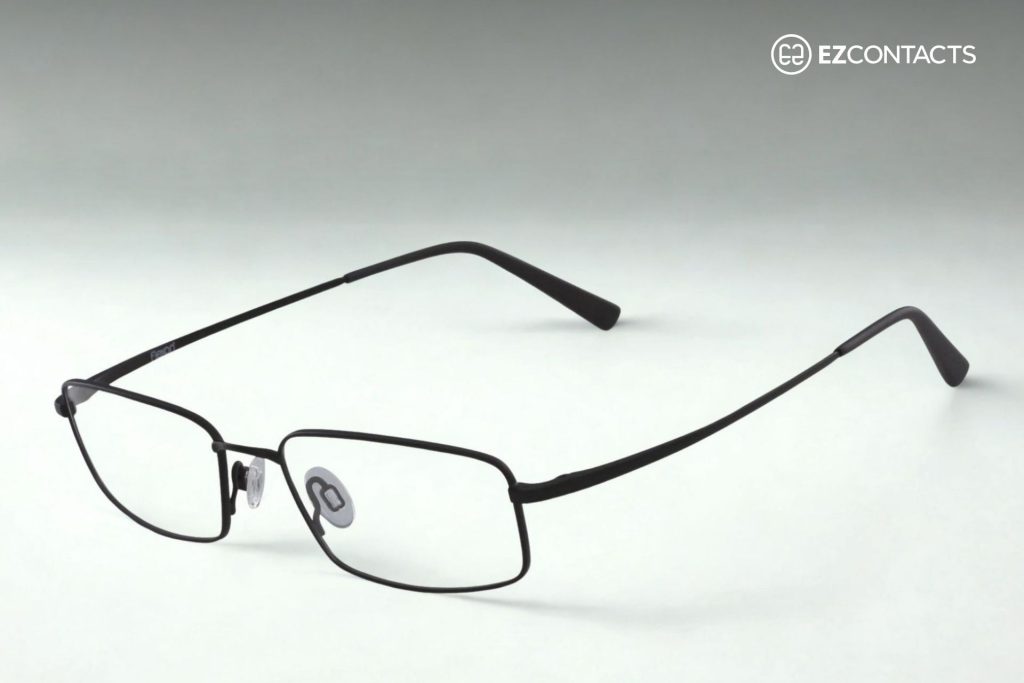
These rectangular frames are great for shoppers with round or oval faces. Available in three colors and two sizes, they have a high, wide bridge and slim temples.
Flexon Edison 600
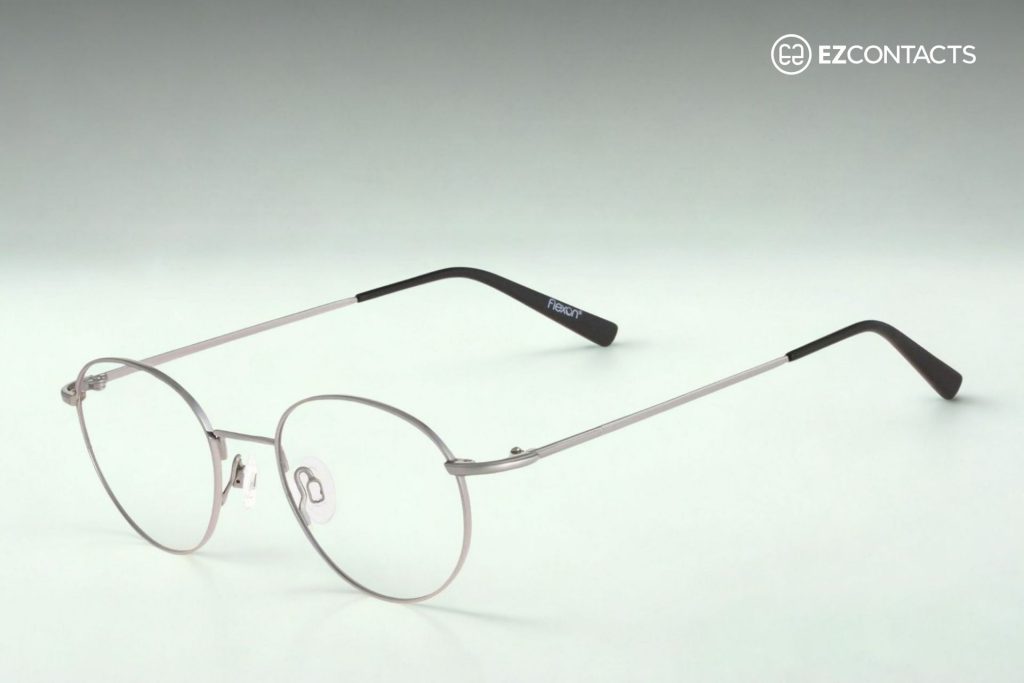
If you have a square face, you may prefer the round lenses on these Flexon frames. Like the Einstein, they have a wide bridge for comfort and several color/size choices.
Flexon Larsen 600
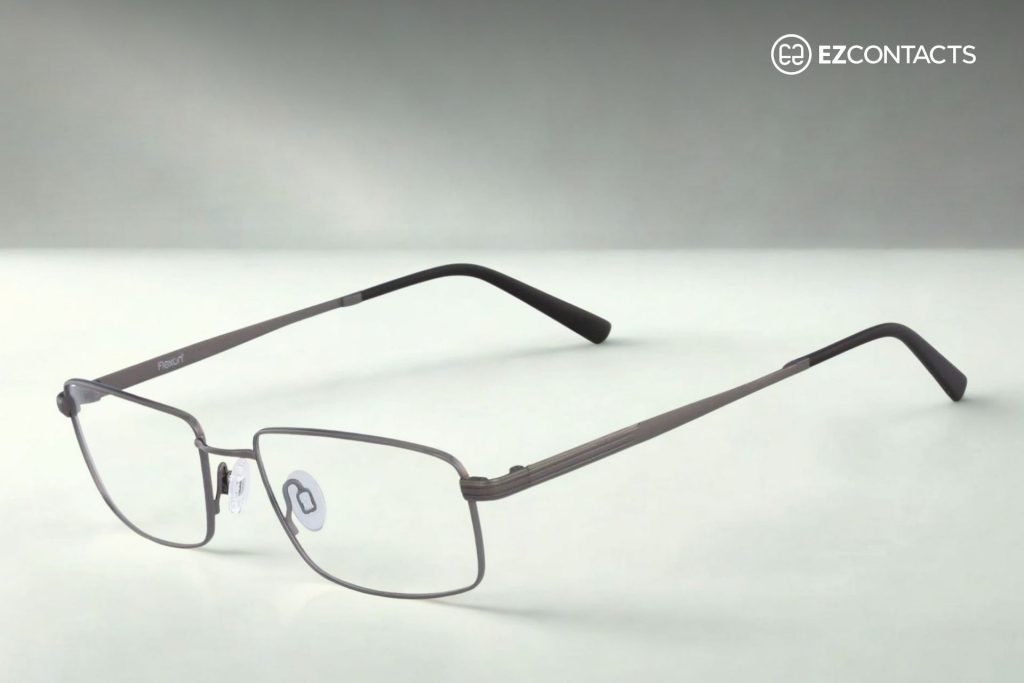
I like the bottom-heavy lenses on these frames. While they don’t have the double bridge that would make them true aviators, the lenses provide a similar look and would work particularly well for heart-shaped faces.
Top Picks for TR90 Flexible Glasses Frames
Here are a couple of styles I like for people who prefer the look of acetate/plastic frames:
Nike 7125
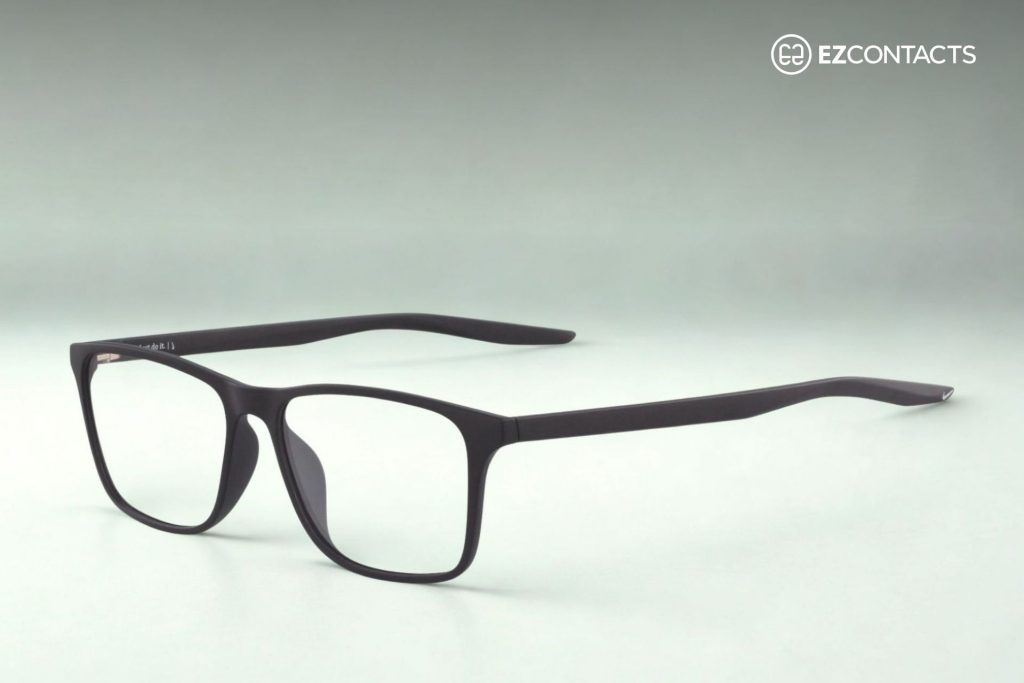
These frames have a great, serious look for the office, but they’re also sleek and a little sporty for hanging out after work. The square lenses would work best for round and oval faces.
Nike Essential Horizon EV1118
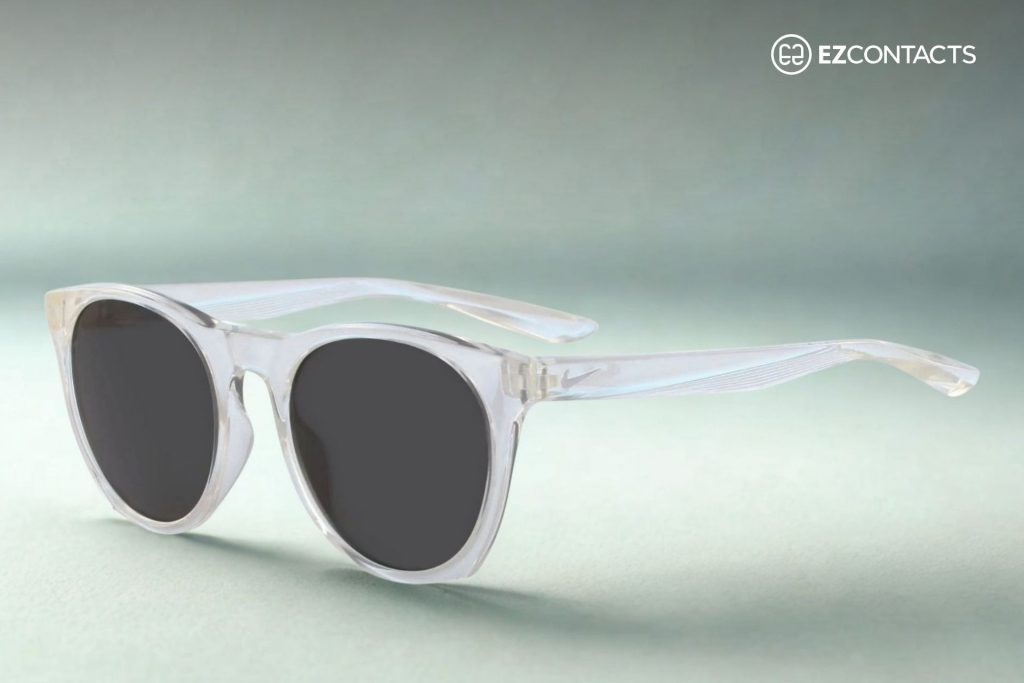
If you’re in the market for flexible sunglasses, try this Nike pair. These sporty sunglasses have round lenses with rims that tilt up slightly, and they’re prescription-capable. I recommend them for people with square or heart-shaped faces.
FAQs
Do flexible glasses frames come with flexible lenses?
Unfortunately, no. If your lenses were flexible, they could bend and distort how light hits your eyes. In other words, they would just make your vision worse instead of better. So while your frames might be flexible and hard to break, your lenses are not.
The best way to protect your lenses from damage is to keep your glasses in a case when you’re not wearing them. If you’re like me and you tend to misplace your glasses case, consider buying an extra one…or three.
Can nickel-titanium alloys like Flexon irritate my nickel allergy?
It’s possible. Flexon and many other flexible metal alloys do contain nickel, which may cause a reaction for those with nickel allergies. Flexon claims their frames are generally hypoallergenic and corrosion-resistant. But some people with severe allergies could still react to them. If this is a concern, you might want to consider TR90 or other flexible plastic frames instead.