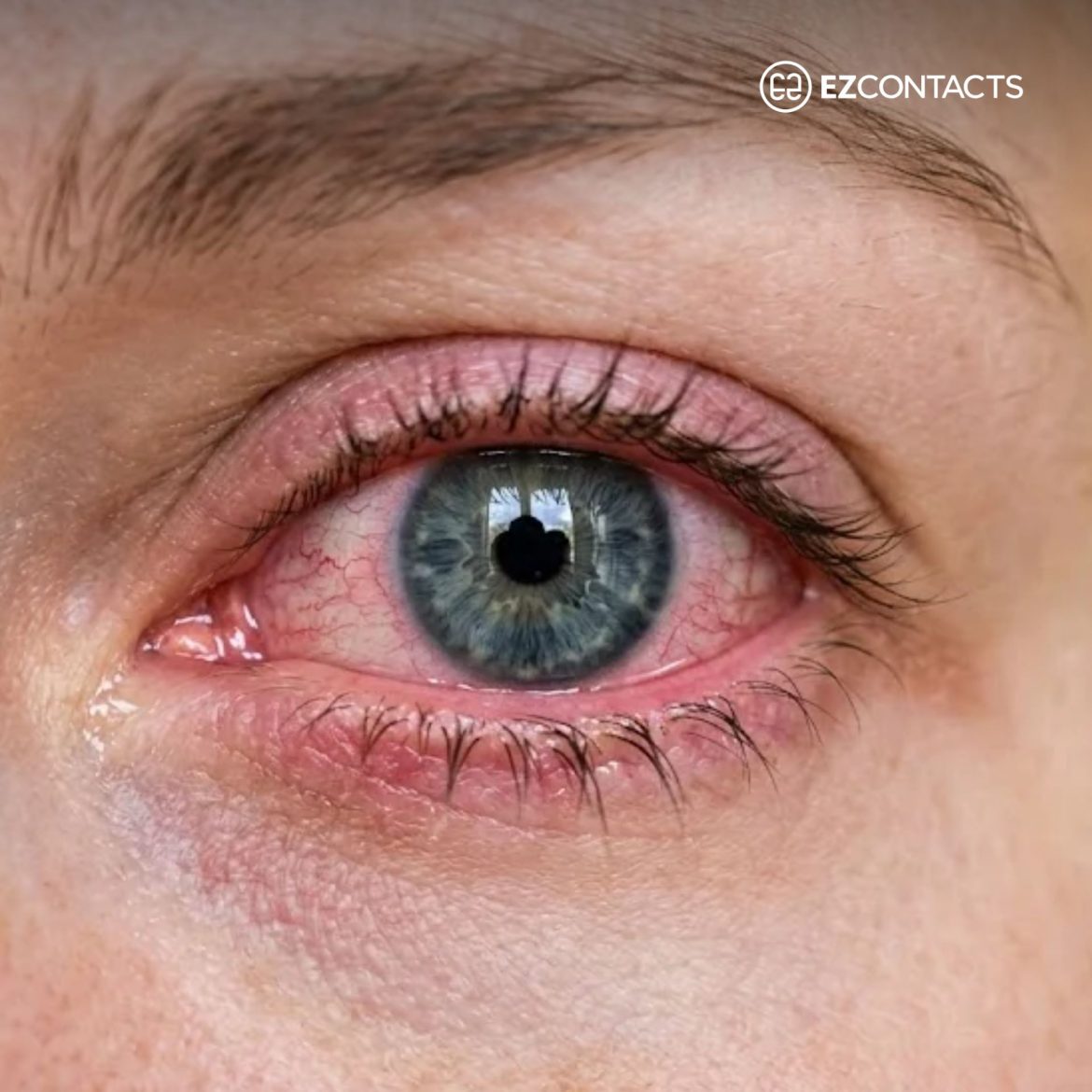
Are your eyes red, itchy, irritated, watery… or all of the above? You might have pink eye. The official name for pink eye is conjunctivitis. A lot of cases of pink eye do heal on their own, but if you wear contacts, you need to be more careful.
Official advice from organizations like the CDC is to seek medical care if you suspect you have pink eye as a contact wearer. No matter what, you certainly shouldn’t be wearing your lenses until your eye(s) have fully healed.
So, what should you do? I’m going to walk you through exactly what to do next as a contact lens user, including how you can ease some of the discomfort.
At a Glance
- Remove your contact lenses as soon as you notice any redness or irritation, and don’t put them back in.
- Use a clean, cool compress on top of your closed eyes to help soothe the discomfort.
- Use clean hands or new cotton balls to wipe away crust or discharge.
- Wash your hands regularly, and don’t share personal items that could spread an infection.
- See your eye doctor or go to urgent care if you experience pain, sensitivity to light, or changes to your vision.
What Should You Do If You Get Pink Eye While Wearing Contacts?
If you get any of the symptoms of pink eye while your contacts are still in, you need to take them out straight away. Don’t wait and see if things get better.
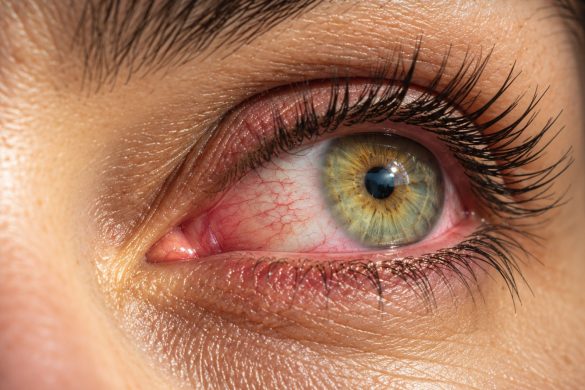
Pink eye can give you one or several of the following symptoms:
- Visible redness on the white part of your eye (called the sclera)
- Swollen eyelids
- Itchy or irritated eyes; sometimes people feel like their eye is “burning”
- A feeling like something is stuck in your eye even when nothing is there
- Watery eyes or discharge from your eyes (can be clear, white, yellow, or green)
- Crust around your eyes or in your eyelashes, especially right after you wake up
- Contact lenses feel uncomfortable or like they don’t fit the way they’re supposed to
Even if the problem turns out not to be pink eye, if you have any of the above symptoms, you shouldn’t be wearing contact lenses.
My advice (which is echoed by doctors and health organizations) is to get checked out if you have an ongoing issue with your eyes. Your eye health is just too important to take any risks. Plus, you can’t be sure what the issue is until you’ve been diagnosed by a doctor.
Steps for Dealing With Pink Eye as a Contact Lens Wearer
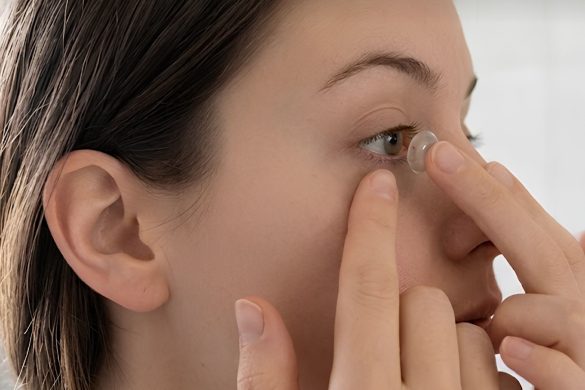
1. Take your contact lenses out right away
Wash your hands and dry them with a clean paper towel before you remove your contacts. Don’t put them back in until all the symptoms have gone away completely.
2. Switch to your glasses
Don’t wear any form of contact lenses until your symptoms have completely gone away or your eye doctor has given you the all-clear. Even if you rinse them thoroughly, your contacts may still hold onto the virus or bacteria that can cause pink eye, and you could reinfect yourself.
3. Keep your eyes clean and try to ease the discomfort

Use clean hands or cotton balls to wipe away the discharge or crust from your eyes. Make sure to wash your hands again afterwards.
Putting a clean, cold compress over your eyelids can help take away some of the irritation. Artificial tears might help too, but make sure to use a brand without any preservatives that could irritate your eyes. Wash your hands before applying any eye drops, and make sure the tip of the bottle doesn’t touch your eye or eyelashes.
4. Don’t spread the infection
Pink eye can be caused by a contagious virus or bacteria. So you need to regularly wash your hands and make sure you don’t rub your eyes. Also, never share towels, pillowcases, eye drops, or eye makeup.
5. Know when to seek medical attention
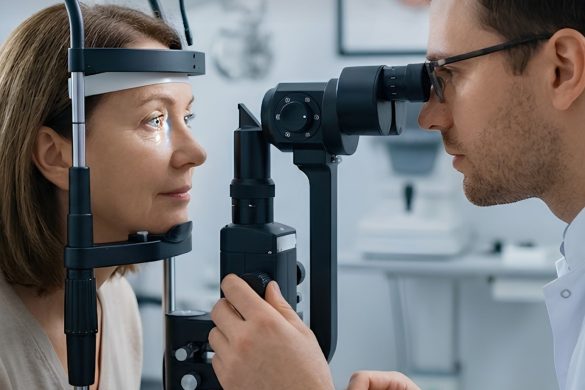
Lots of cases of pink eye improve without prescription treatment, but contact lens wearers need to be especially cautious. The National Eye Institute recommends you see a doctor if you have pink eye symptoms as a contact lens wearer.
Now, I’m not trying to scaremonger, but many of the symptoms of pink eye also match the symptoms of more serious infections. For example, keratitis can permanently damage your vision if not treated.
Seek urgent eye care if your eye is painful or you have sensitivity to light, changes to your vision, extreme redness, or symptoms that keep getting worse.
What Are the Different Types of Pink Eye?
Eye doctors generally say there are three main types of pink eye: viral, bacterial, and allergic.
Viral Pink Eye
Viral conjunctivitis is caused by the same viruses that make the common cold happen. So, you can imagine how contagious it is. But it does usually clear up on its own within one or two weeks. You’re still supposed to see a doctor if you wear contacts, though, because pink eye could turn into something more serious. Antibiotics won’t help with this one.
Bacterial Pink Eye
Bacterial conjunctivitis can cause thicker discharge than the viral kind. The discharge might be yellow or green, and you might find your eyelids are stuck together after you wake up. While some bacterial cases do clear up without antibiotics, others require prescription eye drops or ointment.
As a contact lens wearer, this type of pink eye needs to be taken seriously. Because it’s caused by bacteria, you’re at an increased risk of bacterial keratitis. In worst-case scenarios, you can even lose your sight. Don’t risk trying to treat it yourself!
Allergic Pink Eye
Allergic conjunctivitis happens when your eyes react to allergens. This could be pollen, dust mites, pet dander, or other things you’re sensitive to. Allergic pink eye often (but not always) affects both eyes. Unlike viral and bacterial pink eye, allergic conjunctivitis is not contagious.
Avoiding the allergen that’s triggering your symptoms and using the appropriate allergy treatments can help. But if you’re a contact lens wearer and start noticing these symptoms, you shouldn’t write it off as allergies without considering the other possible causes.
Do I Need to Throw My Lenses Away?
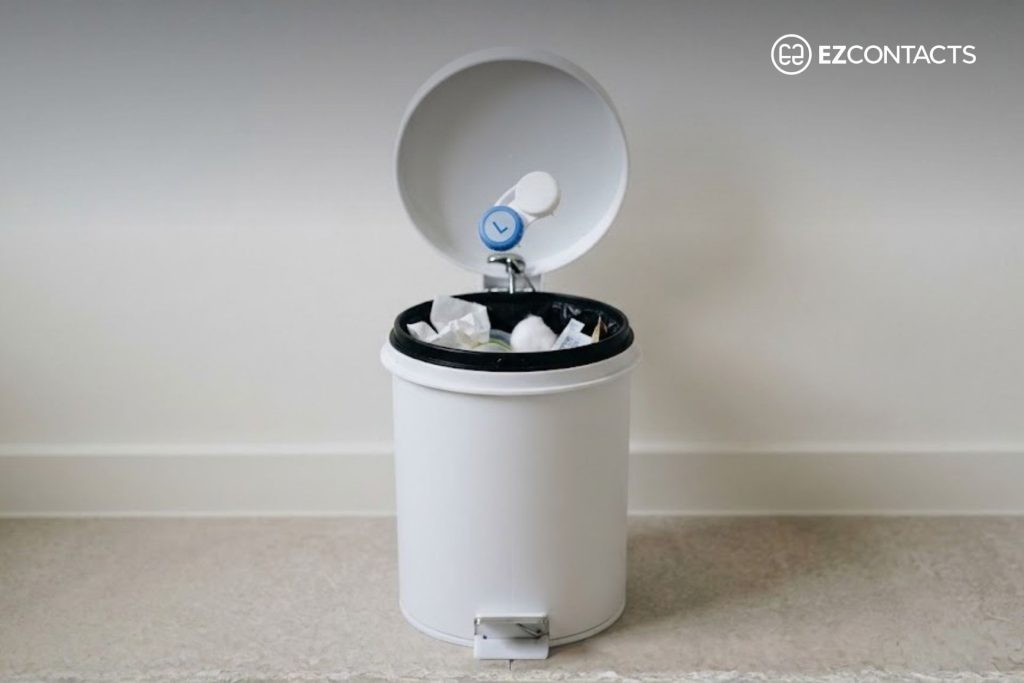
If you use daily disposables, throw them away as soon as you’ve removed them. The CDC also recommends throwing out storage cases if you have any kind of eye infection.
For reusable lenses, you can clean them and reuse them…but it’s really safer to just throw them out. Even if you clean them as thoroughly as you can, is it worth the risk of reinfecting yourself? Consult with your eye doctor if you have expensive or specialty lenses and you’re not sure what to do, since they’ll be able to give you the best and safest advice.
Once all your symptoms have entirely disappeared, follow your normal lens-care routine.
When Can I Start Wearing Contacts Again?
Because there are different types of pink eye and some people get it worse than others, I can’t give you a realistic time estimate here. Some cases of pink eye heal in a week, but for others, it takes considerably longer. One thing’s for sure, and that’s that you need to stop using contact lenses until your eyes have completely healed and you don’t have any remaining symptoms.
FAQs About Pink Eye and Contact Lenses
Can contact lenses cause pink eye?
Wearing contacts can increase the risk of pink eye as well as other infections. Usually, this is because the person hasn’t followed the proper cleaning routine or has left their contacts in for too long. Sleeping in contacts is also risky. This can result in bacteria building up on the lenses or in the lens case.
Can I use eye drops for pink eye with contacts?
First things first, you should never leave your contacts in or re-insert them if you think you have pink eye. Some eye drops can help soothe the irritation of pink eye, but only prescribed eye drops will help treat certain types of pink eye.
Viral pink eye cannot be treated even with antibiotic eye drops. You’ll have to see a doctor to know if eye drops are the right treatment.