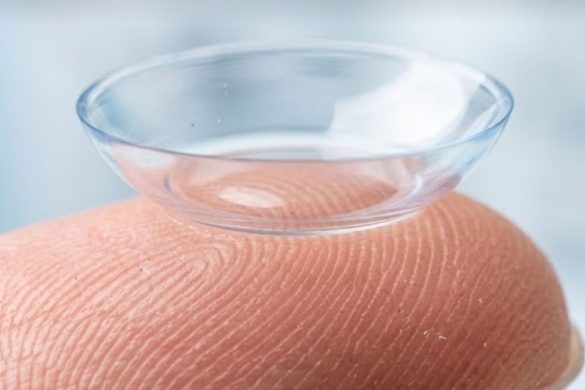
Are you wondering if you can wear contact lenses and sunglasses at the same time? There’s typically no harm in wearing contacts and sunglasses together. But you shouldn’t double up on prescription correction.
If you require vision correction and want to wear sunglasses, you have two choices. You can wear contact lenses with non-prescription sunglasses. Or, you can opt for sunglasses that have your prescription built in.
Wondering which way you should go? Want to be sure it’s safe to wear both contacts and sunglasses? We’re here to explain it all.
At a Glance
- You can safely wear sunglasses over your contact lenses to protect your eyes from sun exposure and glare.
- But you shouldn’t wear prescription sunglasses over prescription contact lenses. Using two forms of vision correction at once can result in blurry or uncomfortable vision.
- Contact lenses cover only part of the front of your eye, so UV-blocking sunglasses on top give the best protection.
- Prescription sunglasses can be more convenient for some.
- You can safely pair prescription sunglasses with non-corrective contacts, like cosmetic colored lenses.
Reasons for Wearing Contact Lenses and Sunglasses Together
A lot of people wear contacts and sunglasses together because it lets them correct their vision without limiting their choice of sunglasses.
With contacts, you can wear non-prescription sunglasses over them. This means you can choose from a wider range of sunglasses and don’t have to buy every pair with prescription lenses.
While it’s usually a good idea to have at least one pair of prescription sunglasses, you might be the kind of person who likes to wear a lot of different styles of sunglasses. This is easier to do when you don’t have to get them all in your prescription.
Another big motivator is UV protection. Sunglasses shield parts of your eyes and the surrounding skin that contacts can’t, so they’re worth wearing even if your lenses block UV (more on that below).

The National Eye Institute notes that contacts can be easier to wear when playing sports because they stay put and don’t fog up. So an active person might choose to wear contacts with a pair of non-prescription sunglasses during outdoor activities.
Then there’s the point that prescriptions can change over time. For lots of adults, their prescriptions change slowly and gradually. But some conditions like keratoconus or cataracts mean they can change relatively quickly.
These people might not want to spend a lot of money on a pricey pair of prescription sunglasses if there’s a high chance they’ll soon need to swap the lenses out.
Is It Safe to Wear Contact Lenses With Sunglasses?
Yes. Non-prescription sunglasses over contact lenses won’t harm your eyes. The main safety benefit is added UV protection, along with reduced glare and some shielding from wind and debris.
Of course, you still have to think about the normal contact lens safety procedures. For example, you need to follow the replacement and wear schedule. You’ll also need to clean and store reusable lenses correctly, and you’ll want to remove your contacts before swimming or showering. Not doing this can lead to eye infections and other complications.
Do I Need to Wear Sunglasses if I Have UV-Blocking Contacts?
If you’re going to be spending time outdoors, then yes. This is a big reason why people decide to double up contacts and sunglasses. Some contact lenses do include UV-blocking technology. For example, certain ACUVUE OASYS lenses are rated Class 1 for UV protection, meaning they block at least 90% of UVA and 99% of UVB rays.
But even if you’re wearing UV-blocking contact lenses, you’ll still need sunglasses when you’re out in the sun.
That’s because contact lenses only cover the cornea. They don’t protect your entire eye or the skin around your eyes. Sunglasses provide additional protection by shielding more of your eyes and the surrounding area.
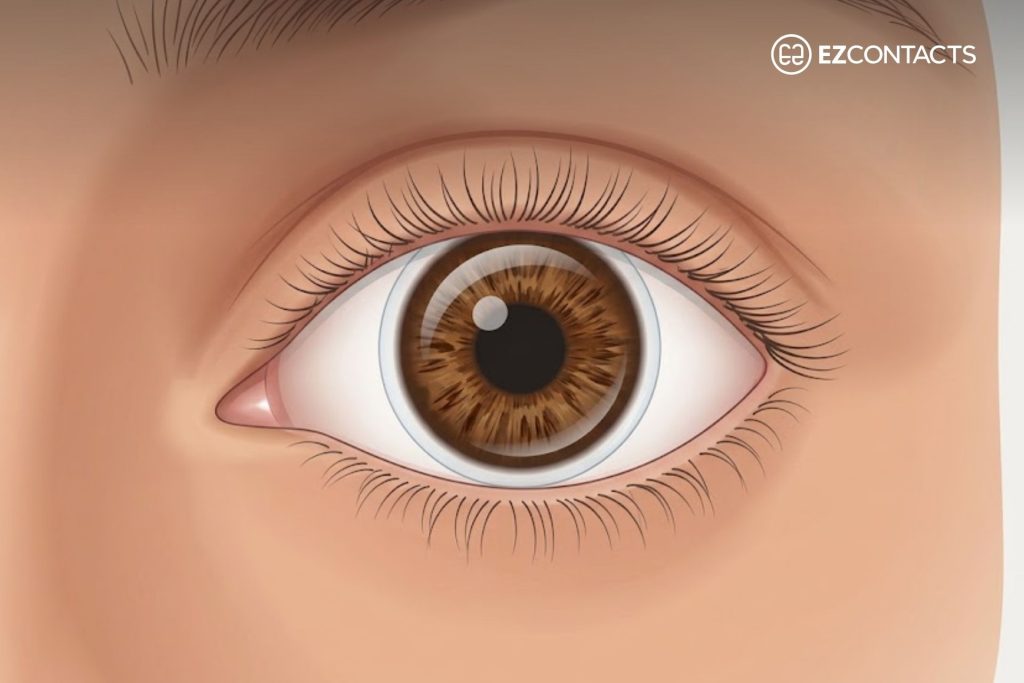
The National Eye Institute recommends wearing sunglasses even if you wear UV-blocking contacts. This helps protect the areas of the eye that contacts don’t cover.
Why UV Protection for Your Eyes Is So Important
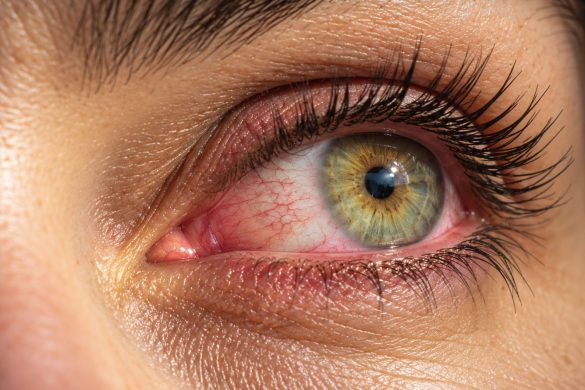
Your eyes are affected by UV radiation, much in the same way your skin is. Intense UV exposure can cause photokeratitis, which can be very painful. Photokeratitis is a temporary injury to the cornea and conjunctiva that’s sometimes described as “sunburn of the eye.”
Long-term UV exposure is associated with other eye problems, including cataracts and growths on the surface of the eyes (pterygium). Wearing sunglasses that block UV rays can help protect your eyes from these potential effects of sun exposure.
When choosing sunglasses, look for UV400 or 100% UV protection. This means they protect against more than 99% of UVA and UVB rays. Also, remember that darker lenses don’t necessarily mean better UV blocking.
To sum up, you don’t have to choose between UV-blocking contacts and sunglasses. You’ll get the best protection if you wear both.
If you have any questions about which options are best for your eyes, be sure to reach out to your eye doctor.
FAQs
Can you wear polarized sunglasses with contact lenses?
Yes, polarized sunglasses can be worn over contact lenses without any special concerns.
Polarization is especially useful when you’re driving or spending time around water and snow. This is because it reduces the glare from reflective surfaces. Your contacts can correct your vision, and the polarized sunglasses can deal with the glare.
Just remember that polarization and UV protection are not the same. Sunglasses can be polarized without providing a good level of UV protection. Be sure to check the UV rating as well.
Do you need prescription sunglasses if you wear contacts?
No. If your contacts already correct your vision, you can wear non-prescription sunglasses over them. Prescription sunglasses are an alternative if you want vision correction and sun protection wrapped up in the same item.
Can you wear prescription sunglasses with contact lenses?
You shouldn’t wear both prescription contacts and prescription sunglasses at the same time. This can cause blurry or uncomfortable vision, eye strain, and headaches.
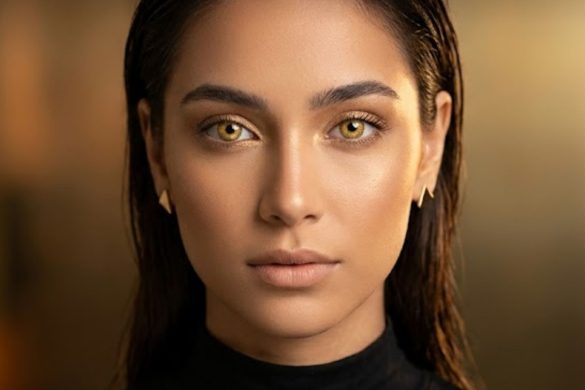
The exception is if you’re wearing non-prescription contacts, like plano colored contact lenses you wear just for aesthetic reasons. You can safely wear prescription sunglasses over these kinds of lenses.
Ready to shop for contact lenses or sunglasses? Check out all the options available on EZContacts.