
When looking for sunglasses, you may be considering the age-old debate of polarized sunglasses vs. non-polarized sunglasses.
What’s the difference, which one’s better, and why do some people swear by polarized sunglasses?
There are quite a few questions that are probably running through your mind. Here’s a breakdown to help you.
At a Glance
This article discusses polarized sunglasses vs. non-polarized sunglasses. It goes into the top pros and cons of each and who polarized sunglasses are typically recommended for.
| Key Fact | Details |
| Products reviewed | 2 sunglasses |
| Brands featured | Ray-Ban, Oliver Peoples |
| Styles covered | Rectangular, Round |
| Best for | Daily wear, vacation, and sports |
| Frame materials | Acetate |
| Prescription compatible | Most models can be fitted with prescription lenses |
| Price range | $180-$370 |
| Who this guide is for | Shoppers looking for sunglasses that reduce glare and enhance clarity |
What Are Polarized Sunglasses?
Before we get into the debate between non-polarized sunglasses vs. polarized sunglasses, let’s first break down what the latter are and why some people wear them.

Polarized sunglasses use a chemical filter that is manufactured into the lenses. This filter blocks horizontal glare from flat surfaces such as water, snow, and even roads.
The Benefits of Polarized Sunglasses
Glare Reduction
In some situations, like driving or sailing, glare is more than a distraction; it can be dangerous. For those with sensitive eyes, glare can cause squinting and make it hard to see.
Fatigue Reduction
Glare can make your eyes work harder, which can cause eye strain. Sometimes it can get so bad that it makes you sleepy or makes it difficult to open your eyes.
Improved Clarity
Even if you don’t worry about glare daily, it can still affect your vision. People who play outdoor sports or have outdoor recreational hobbies may benefit from polarized sunglasses because they can improve clarity. This makes it easier to see the goal or what’s in front of you while you’re running.
Who Are Polarized Sunglasses Best For?
Some people who may benefit from polarized sunglasses include:
- Those who enjoy fishing or sailing
- People who enjoy snow sports like skiing
- Motorcyclists
- Beach-goers dealing with glare from sand and the ocean
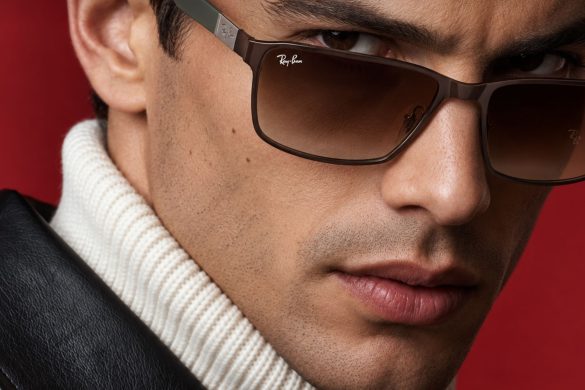
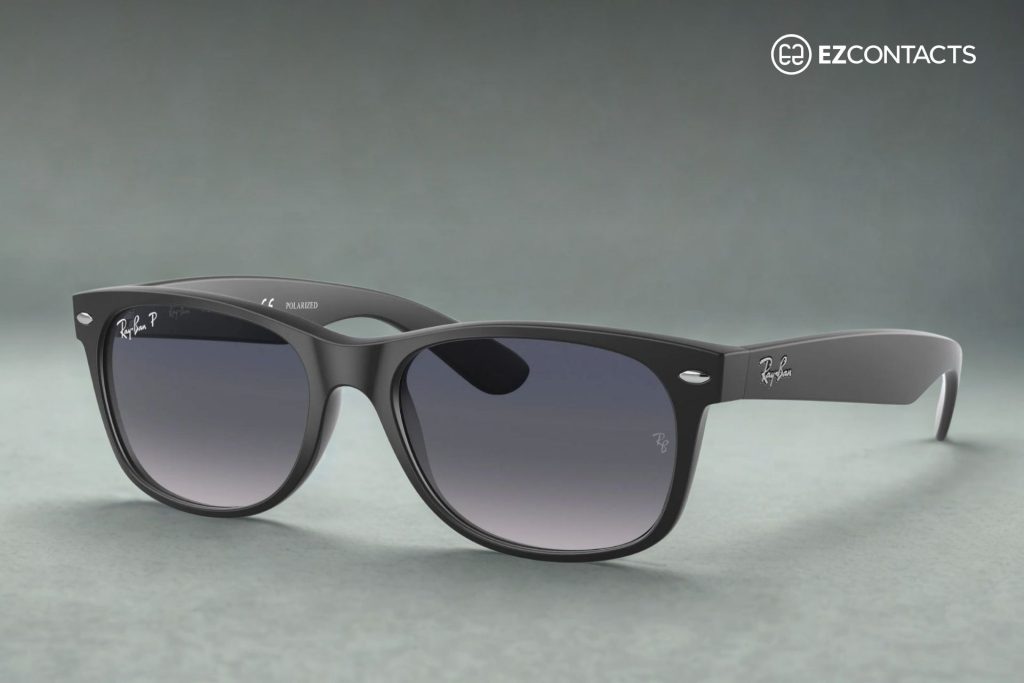
The Ray-Ban Wayfarers are an example of unisex sunglasses that are available with polarized lenses. They’re classic and can be worn for everything from sports to driving.
What Are the Benefits of Non-Polarized Sunglasses?
While polarized sunglasses work well to reduce glare, they aren’t as useful in some environments.
This is especially true for sports done on difficult terrain, such as hiking on forest or mountain trails. In these cases, perceiving depth is important so you can see the details and know what’s ahead of you.

Non-polarized lenses can also be more useful when you need to view digital screens. Polarization can sometimes make some LED and LCD screens appear darker or harder to read.
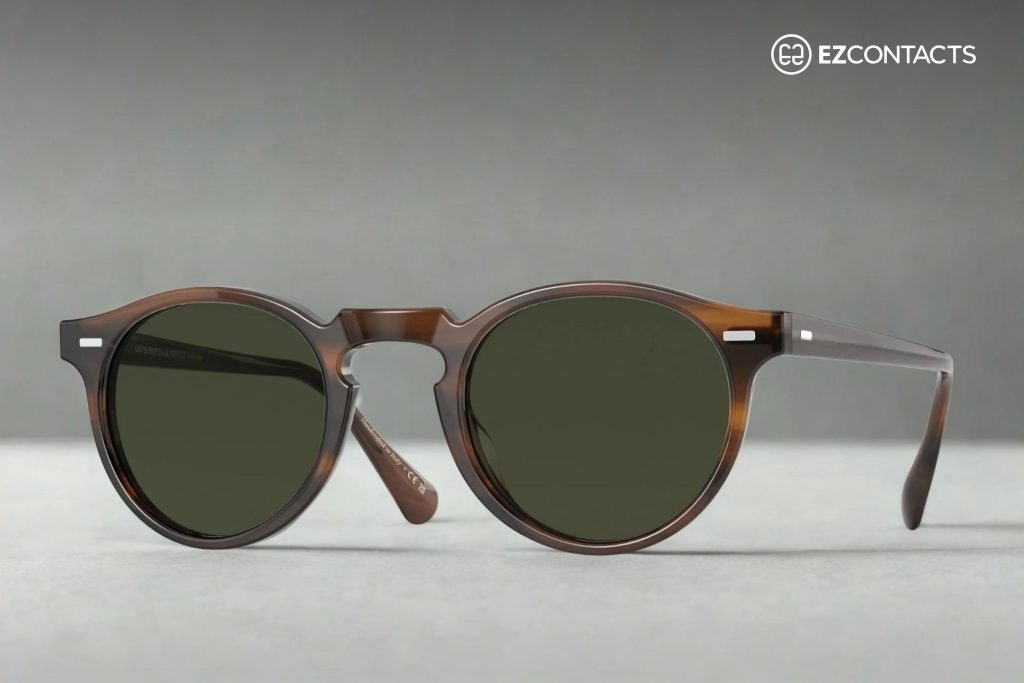
These Oliver Peoples Gregory Peck sunglasses are a great example of stylish unisex shades that aren’t polarized yet work well for daily wear. Just note that some models of these sunglasses have polarized lenses; be sure to double-check you’re choosing a non-polarized option.
Polarized Sunglasses vs. Non-Polarized Sunglasses: Which To Choose
So, which sunglasses should you choose? Let’s sum it all up.
Choose polarized sunglasses if you:
- Play sports on the beach, on the water, or in snowy environments where glare can be intense.
- Enjoy riding motorcycles or bikes and want to reduce glare from roads and other reflective surfaces.
- Spend a lot of time boating or fishing out on the water and want to reduce eye strain from glare.
- Want clearer, more comfortable vision in very bright environments.
Choose non-polarized sunglasses if you:
- Hike or bike on shaded trails where glare isn’t a major concern and you want to preserve subtle visual details.
- Play a sport where speed and reaction time are important in your sport, such as baseball, and don’t want your depth perception skewed.
- Need to see more subtle color contrasts or need accuracy; this can be the case for outdoor recreational activities such as gardening.
- Need to look at screens, like computers or car displays, while wearing sunglasses.
- Need to see terrain details, such as in motorbike racing.
Whichever type you pick, be sure to choose sunglasses that have UV protection. Check the product listing to confirm that the sunglasses offer UV400 protection before buying.
FAQs
Why are people obsessed with polarized sunglasses?
You probably have friends who are sports enthusiasts and love polarized sunglasses. The main reason is that they enhance clarity and help you avoid squinting from glare.
How do I know if sunglasses are polarized?
Many online sites list lens details, including polarization, under the specification details. That’s where you’ll find this information on the EZContacts website.
You can also filter by polarized sunglasses when searching for sunglasses on EZContacts.
Do non-polarized sunglasses offer the same amount of protection?
They can, if you choose sunglasses with UV protection. If you want to know if your sunglasses provide full UV protection, be sure to double-check the specifications, as not all models are made equal.
TL;DR
- When it comes to the polarized sunglasses vs. non-polarized sunglasses debate, there are a few things people get confused about, including why polarized lenses aren’t great for every situation.
- Polarized lenses feature a chemical filter inside the lens that blocks horizontal glare.
- Polarized sunglasses are great when glare is an issue, such as on the water, at the beach, or on snow. They can also be useful on the road, especially for motorcycle riders.
- Non-polarized sunglasses can work better when you need accurate depth perception, especially in low-light conditions or on difficult terrain, such as hiking in the forest.
- Sporty people could benefit from either non-polarized or polarized sunglasses, depending on the sport and the reaction time needed.
- You can find both polarized sunglasses and non-polarized sunglasses with UV protection.