Tag:

Contact Lenses

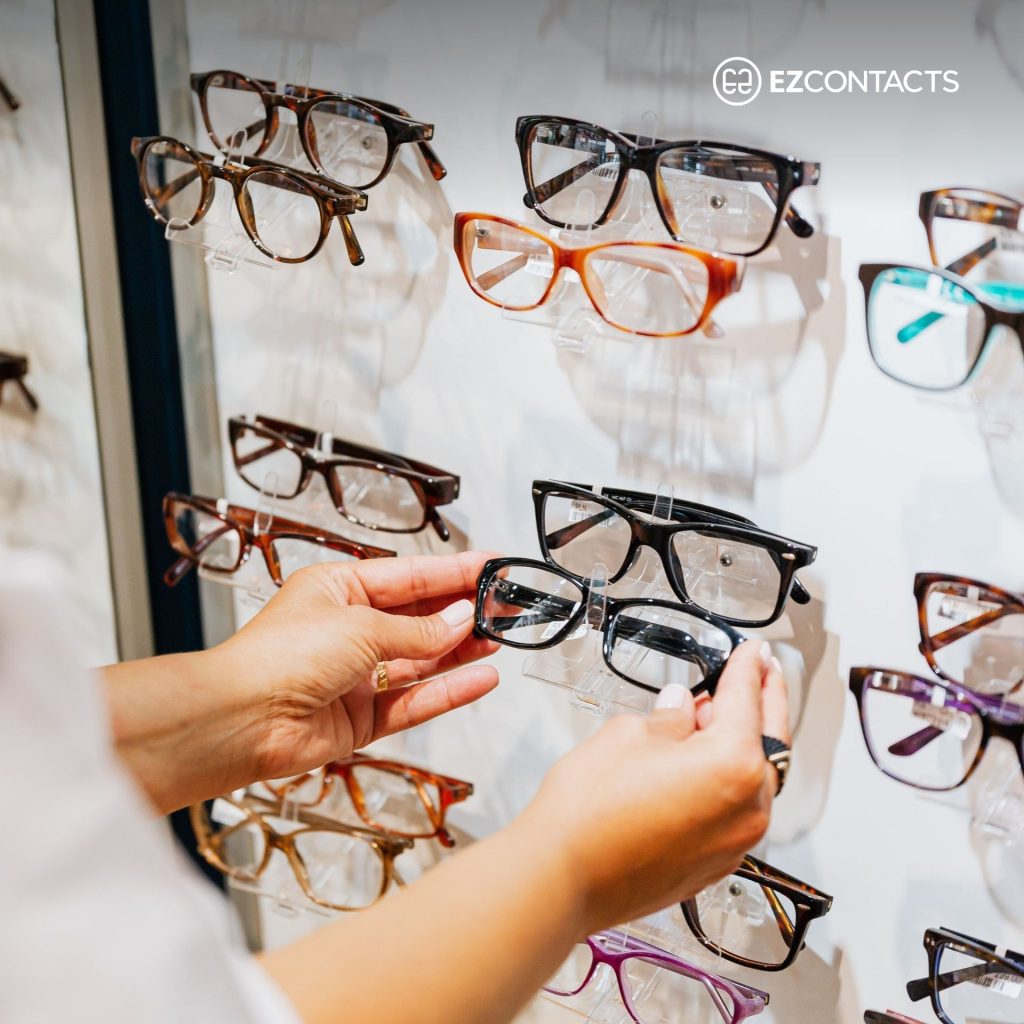
Glasses, contacts, and an eye prescription

How Long Are Eye Prescriptions Good For?

If you wear glasses or contacts, you should have an expiration date printed on your prescription. You may be wondering, how long are eye prescriptions good for typically?

In the U.S., prescriptions for glasses usually expire after one or two years. Most contact lens prescriptions are valid for one year.

Eye doctors also have to consider things like age, eye conditions, and the general health of the patient before they decide on an expiration date.

Let’s get into how long eye prescriptions are good for in the U.S. and why some expire sooner than others.

Continue Reading
Woman wearing an orthokeratology contact lens

Lens for Orthokeratology: A Complete Guide to Ortho-K Treatment

Imagine being able to wake up in the morning with corrected vision, without having to use glasses or contact lenses all day. That’s the idea behind orthokeratology, usually shortened to Ortho-K.

Ortho-K has become increasingly popular for children with progressing myopia, adults who aren’t fans of daytime lenses, and people who aren’t ready for laser eye surgery. 

We’re going to explain what a lens for orthokeratology is, how these lenses reshape the eye, and what you should realistically expect from this treatment.

Continue Reading
Close-up of eye test and glasses

What Is a Diopter? How Lens Strength Is Measured

If you wear glasses or contact lenses, you’ve seen diopter numbers before! They’re the pluses and minuses on prescriptions, such as -2.00 or +1.50.

Most people know that bigger numbers mean thicker or stronger glasses. But you may still be asking, what is a diopter exactly? And what’s it measuring?

Once you fully understand how this all works, your prescription will make a lot more sense. Let’s get into it!

Continue Reading
Close-up of an eye with keratoconus

What Are Keratoconus Symptoms? What To Look Out For

Are you wondering if you have keratoconus?

Keratoconus symptoms generally start slowly. Your vision might gradually become blurrier, or lights may start to look strange at night. You’ll also probably find your glasses stop working as well as they should.

In this article, we’ll discuss the most common signs of keratoconus and talk about why it affects vision the way it does.

However, these symptoms could point to a huge range of conditions, so it’s important not to leap to any conclusions about what could be going on with your vision. Instead, speak to your eye doctor so they can properly diagnose you.

Continue Reading
Scroll to Top