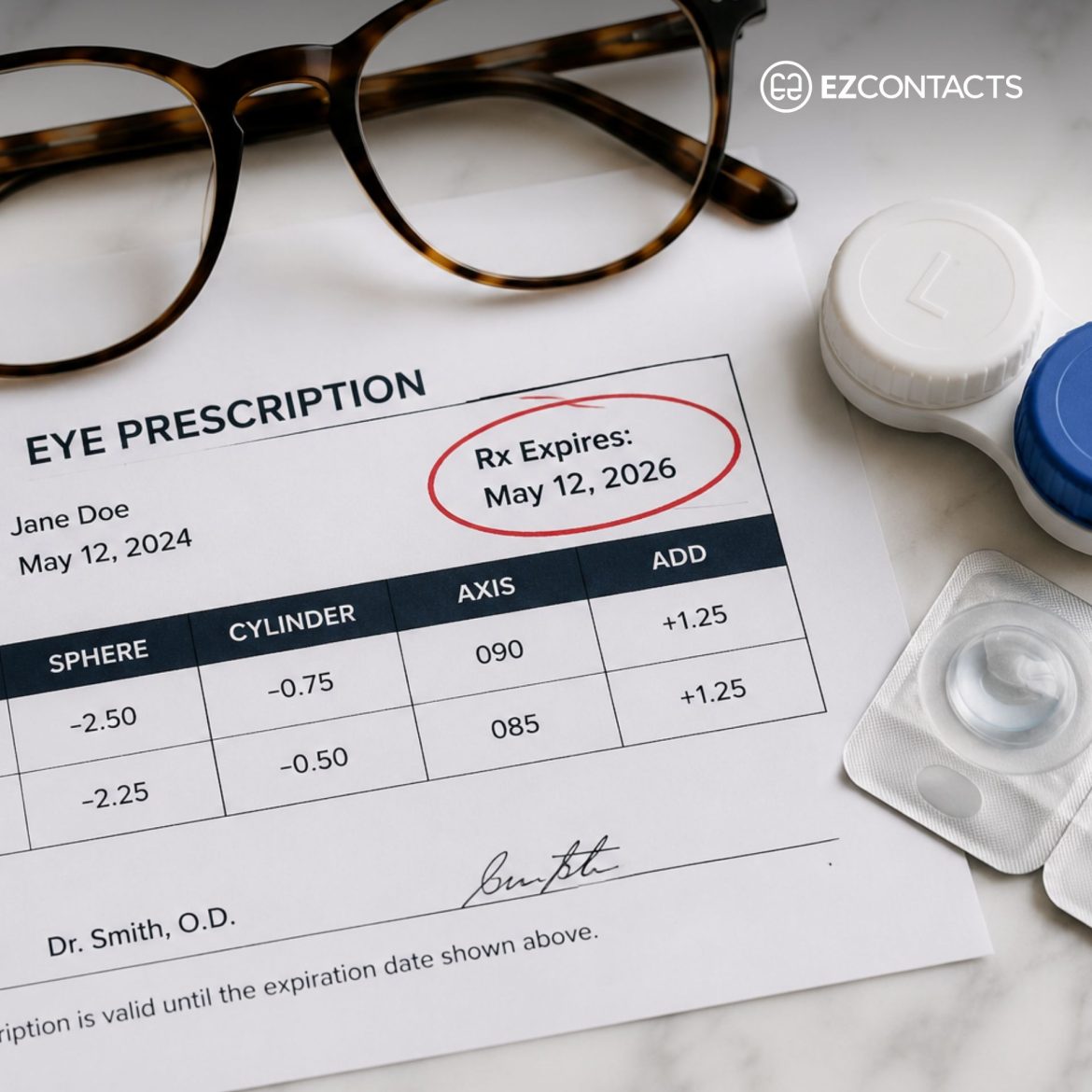
If you wear glasses or contacts, you should have an expiration date printed on your prescription. You may be wondering, how long are eye prescriptions good for typically?
In the U.S., prescriptions for glasses usually expire after one or two years. Most contact lens prescriptions are valid for one year.
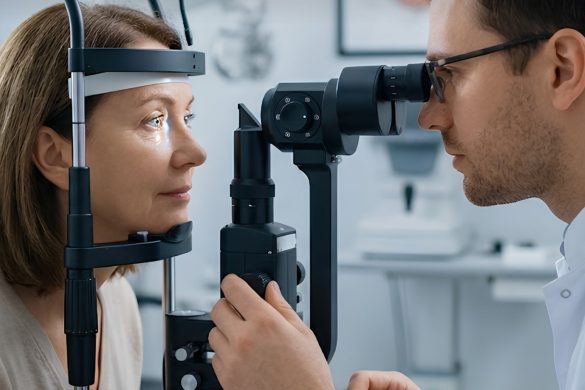
Eye doctors also have to consider things like age, eye conditions, and the general health of the patient before they decide on an expiration date.
Let’s get into how long eye prescriptions are good for in the U.S. and why some expire sooner than others.
How Long Are Glasses Prescriptions Good For?
In the United States, the majority of glasses prescriptions are given an expiration date of one or two years. This depends on which state you’re in and your doctor’s recommendation.
Adults with vision that’s “stable,” i.e., it doesn’t change much between appointments, may receive a prescription that lasts two years. Other people may be given yearly prescriptions due to their age or eye conditions.
Glasses Prescription Expirations by State (2026)
Glasses prescription expiration dates aren’t the same across the U.S. There’s no federal law that mandates how long a prescription for eyeglasses should be. So each state has its own legal framework in place.
Some states set a legal minimum prescription period, while others set a maximum. California is unique in that it has both a minimum and a maximum. In states that have minimums, it’s common for doctors to use that as the expiration date, even if technically they could provide a longer prescription.
Most states fall into the one-year or two-year prescription minimum range for eyeglasses, but there are a few outliers.
I put this list together with the most current information I could find, but regulations can change. If you need the most up-to-date information, it’s best to check the official rules for your state.
1-Year prescription states
Alaska, Arkansas, Colorado, Connecticut, Idaho, Illinois, Indiana, Kansas, Kentucky, Massachusetts, Michigan, North Carolina, Oklahoma, South Carolina, Tennessee, Vermont, and Virginia.
2-Year prescription states
Alabama, Arizona, Delaware, Georgia, Hawaii, Iowa, Maine, Maryland, Minnesota, Mississippi, Missouri, Nebraska, Nevada, New Hampshire, New Jersey, New Mexico, New York, Ohio, Oregon, Pennsylvania, Rhode Island, Texas, Utah, Washington, Wisconsin, and Wyoming.
States with unique rules
A few states have different expiration periods or don’t have a specific expiration period at all.
- Louisiana: 1.5-year max
- California: 2-year minimum and 4-year maximum
- North Dakota: 3-year max
- Florida: 5-year max
- Montana, South Dakota, and West Virginia: These states are unique in that there’s no statewide expiration rule, so it’s up to your doctor’s discretion.
It’s important to remember that doctors are still allowed to give shorter prescription expirations, even if your state has a legal minimum. This is because some people need more frequent exams due to their age, eye conditions, medical history, etc.
How Long Do Contact Lens Prescriptions Last For?
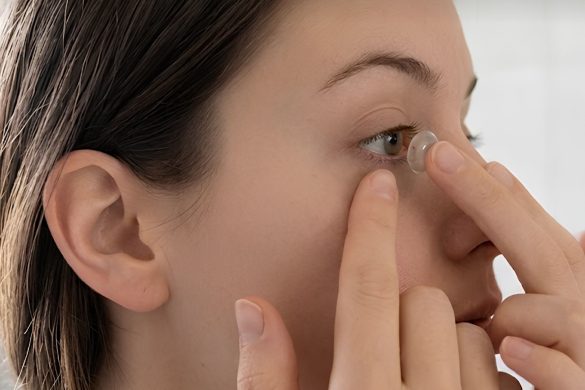
Contact lens prescriptions have less flexibility than glasses prescriptions. In most cases, they expire after a year. So even if you have a glasses prescription with a two-year expiration period, your contact prescription will probably still be one year or less.
Unlike glasses, contact lens prescriptions are regulated at the federal level. The Fairness to Contact Lens Consumers Act requires doctors to make contact prescriptions valid for at least a year unless there’s a medical reason.
This one-year minimum is designed to protect you as the consumer. It prevents doctors from giving you unreasonably short prescriptions and forcing you to spend money on appointments every few months for no reason.
In practice, it’s pretty rare for a doctor to give out a prescription that’s longer than the federal or state minimum. And as mentioned, they are allowed to set shorter expirations if they have reason.
States with unique rules on contacts (2026)
A few states have laws that extend the prescription validity period beyond the federal one-year baseline:
- California: 2 years
- Iowa: 1.5 years
- Florida: 2 years, but only for daily lenses
- Minnesota: 2 years
- New Mexico: 2 years
- Utah: 2 years
- Washington: 2 years
Check your state’s rules on the official government website for the most current info.
Why Some People Get Shorter Prescription Expirations
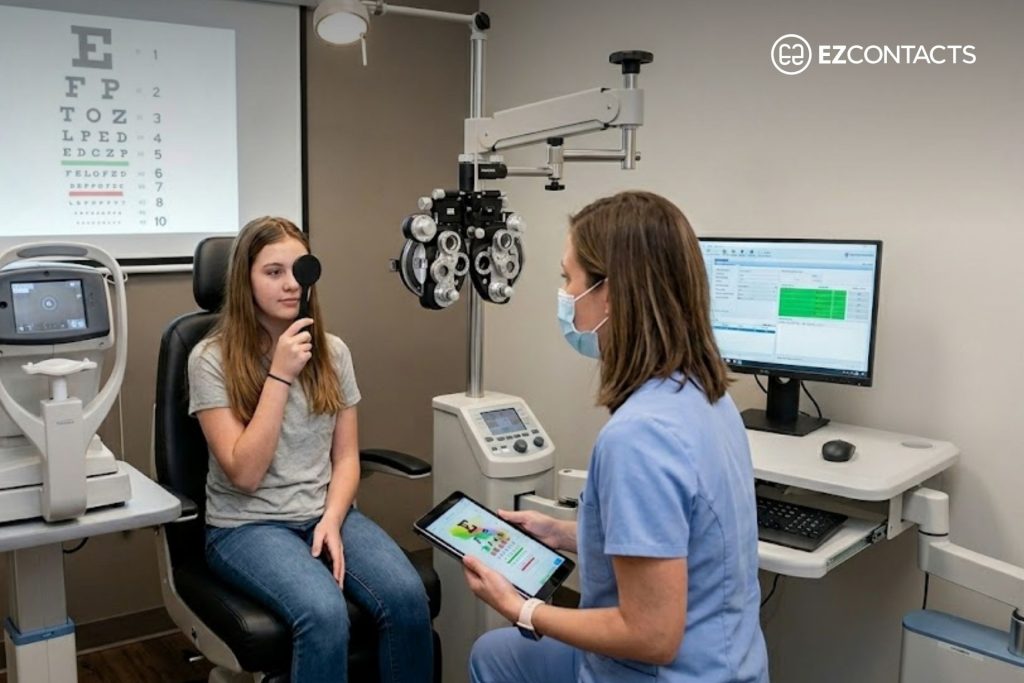
Not everyone will be given a standard prescription length. This is because some patients require more frequent eye exams, including:
- Children and teenagers
- People with progressive myopia
- People with eye conditions or health issues
- Contact wearers with complications
A shorter prescription expiration doesn’t necessarily mean something is wrong. It usually just means your doctor wants the best chance of catching small changes to your vision before there’s a bigger issue.
Can You Use an Expired Eye Prescription?
This depends on what you mean. If you try to buy new glasses or contact lenses using an expired prescription, reputable retailers shouldn’t sell them to you.
Contact lenses are regulated much more strictly than glasses in the U.S. Under federal law, sellers can’t legally dispense contacts using an expired prescription.
Whether you should wear glasses or contacts with an expired prescription is a different question. If your vision hasn’t changed much from your last eye exam, an old pair of glasses may still feel okay to wear. Plenty of people keep backup pairs for years.
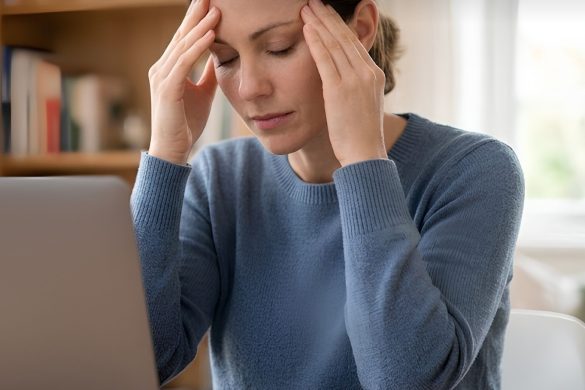
However, if your prescription has changed, wearing outdated glasses could cause symptoms like eye strain, blurred vision, headaches, and dizziness. It’s best to get regular eye exams to make sure you have the correct prescription.
With contacts, it’s a different story. You really shouldn’t wear or try to buy contact lenses with an expired prescription. Contacts are perfectly safe when used correctly, but there’s inherently more risk if you don’t use them as intended because they go directly on your eyes. And the health of your eyes is always most important.
TL;DR
- Are you wondering, how long are eye prescriptions good for? Prescriptions for glasses in the U.S. are usually valid for one or two years, depending on which state you live in.
- Contact lens prescriptions are federally regulated to have a one-year minimum expiration period. These laws are in place to protect consumers from unnecessarily frequent eye exams and prescription renewals. This means the majority of contact lens prescriptions are generally valid for one year.
- Some states have unique laws that make legal prescription expiration periods longer. Some states leave it up to doctors entirely.
- Doctors can still give out shorter expiration periods if there’s a medical reason for you to need more frequent check-ups.