Hydrogel contact lenses made waves when they were first introduced decades ago. However, since then, newer contact technology has arrived on the scene, including silicone hydrogel contacts.
This may leave you wondering, are hydrogel contacts still available today?
In this article, we’ll answer that question. We’ll take a look at hydrogel and silicone hydrogel contact lenses (plus a third alternative), and we’ll explain how you can find the right solution for your eyes.
What Are Hydrogel Contact Lenses?
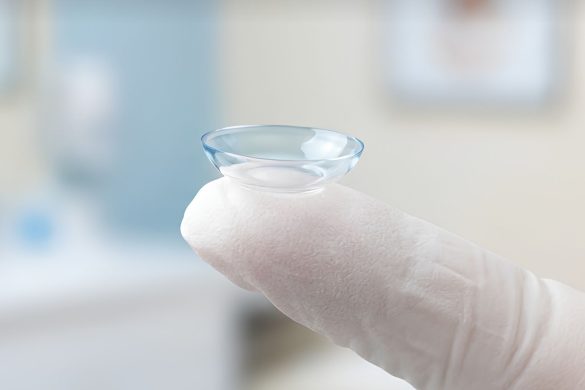
As the name suggests, these contacts are made from hydrogels, which are soft materials that absorb and hold water. Their thin, flexible design allows them to mold to the shape of the eye, providing a comfortable fit and clear vision.
Hydrogel is often considered a good option for people with sensitive or dry eyes, as the hydrogel helps preserve moisture in the eyes. They are also soft, which means a comfortable fit for many users.
However, the water in the hydrogels does eventually dry out, and some people find their lenses feel gritty after hours of wear. Hydrogel contacts also don’t typically let as much oxygen through as newer silicone hydrogel contacts.
What Are Silicone Hydrogel Contact Lenses?
Hydrogel lenses were the breakthrough technology in contact lenses during the 1970s and 1980s, and they dominated the market for decades. But then, in the 2000s, silicone hydrogels were introduced.
These are also made of hydrogel material, but with added silicone. This silicone makes the contact lenses more porous, which means that more oxygen reaches the cornea. As a result, more moisture stays in your eyes. For people who find that traditional hydrogel lenses leave their eyes feeling dry or irritated, silicone hydrogels often improve symptoms.
Certain silicone hydrogel contact lenses even allow for continuous or extended wear, although some users find their lenses still become dry toward the end of the maximum wear time. Again, your eye doctor may be able to recommend eye drops to help with this discomfort.
However, silicone hydrogels do come with some downsides. Because more moisture from your tears reaches the eye, silicone hydrogels are more prone to experiencing a buildup of debris or protein deposits.
If you’re using reusable lenses, it’s essential to follow your eye doctor’s instructions for cleaning your contact lenses regularly. But if you find that protein buildup is still an issue despite careful cleaning, you might consider trying disposable hydrogel contact lenses instead.
Are Hydrogel Contacts Still Produced Today?
While silicone hydrogel contacts have become the dominant lens material, hydrogel contacts are still used today.
Traditional hydrogel contacts are commonly available as daily disposable contact lenses. These lenses are typically worn for just 12 to 16 hours before being thrown away. And so, their lower oxygen permeability is generally less of a concern than it is with reusable lenses that are worn day after day.
We’ll go through some options for hydrogel contacts to try later in the article.
Which Type of Contact Lens is Better for Your Eyes?
The answer varies from one person to the next. Some people find traditional hydrogels more comfortable, while others swear by silicone hydrogels.
If you’re new to wearing contact lenses, it may be a good idea to try both types of disposable lenses and decide which one feels better to you. Once you determine what’s most comfortable for your eyes, you can reevaluate whether you want to keep using disposables or switch to reusable contact lenses.
Are There Alternatives to Hydrogel Contact Lenses?
If you find that traditional and silicone hydrogel contacts don’t work well for you, there is another option called rigid-gas permeable (RGP) contact lenses. Unlike hydrogels, which are known for their soft construction, RGP lenses are stiff, but slightly flexible.
One advantage of RGP lenses is that oxygen can pass directly through them, which can help reduce the dryness some people experience with contacts. In some cases, they may also provide sharper vision than soft hydrogel lenses.
The drawback to RGP lenses is that sometimes, less flexibility in the lens leads to a less comfortable fit. As with traditional versus silicone hydrogel lenses, preferences vary from one person to the next. You should discuss what you need in a contact lens with your eye doctor, so they can help you determine the best type of lens for your goals.
What are Some Popular Brands of Hydrogel Contact Lenses?
As mentioned, there are still daily disposable hydrogel contacts available. Let’s go through some top options for hydrogel contact lenses.
Proclear 1-Day (90 pack)
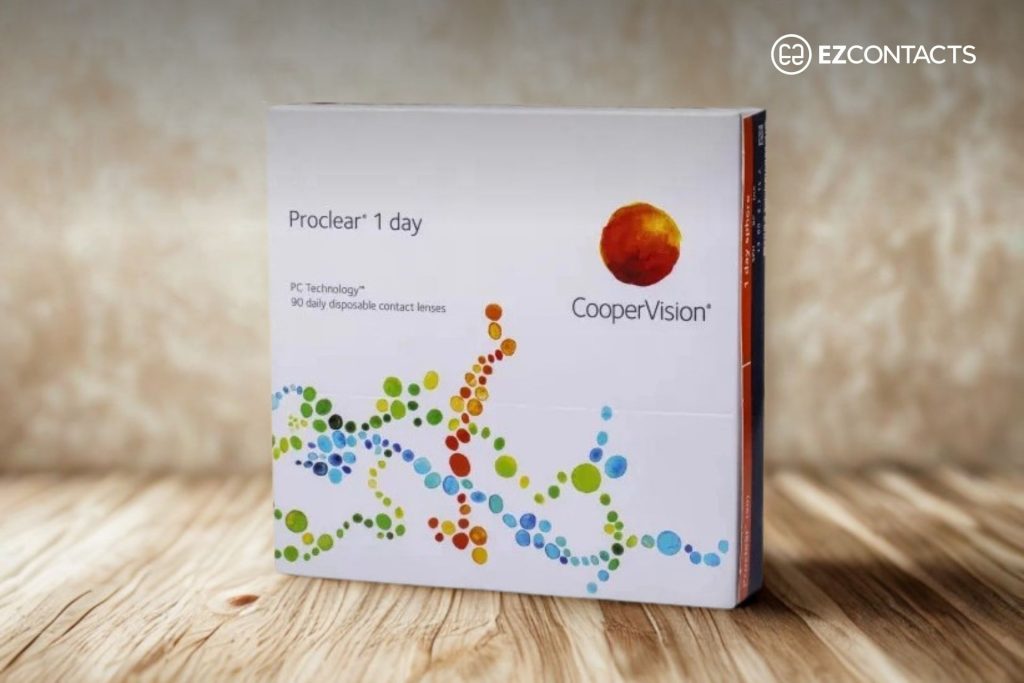
The Proclear 1-Day contacts are daily lenses made by CooperVision. The lenses are made from a hydrogel material called Omafilcon A that contains 60% water. The lenses feature PC Technology, which binds water to your lenses. This helps them remain fresh and comfortable all day long.
On EZContacts, these contact lenses have a 4.6 out of 5-star rating from 106 reviews. Most buyers reported positive experiences with the contacts. Jason M. prefers them to other lenses that cause dry eyes:
“I’ve used these particular contacts for 5+ years. They’re expensive but other contacts caused my eyes to dry out. Was happy to find them available at EZ contacts at such a discounted rate. Delivery was fast. Will return when I need to reorder.”
ACUVUE MOIST
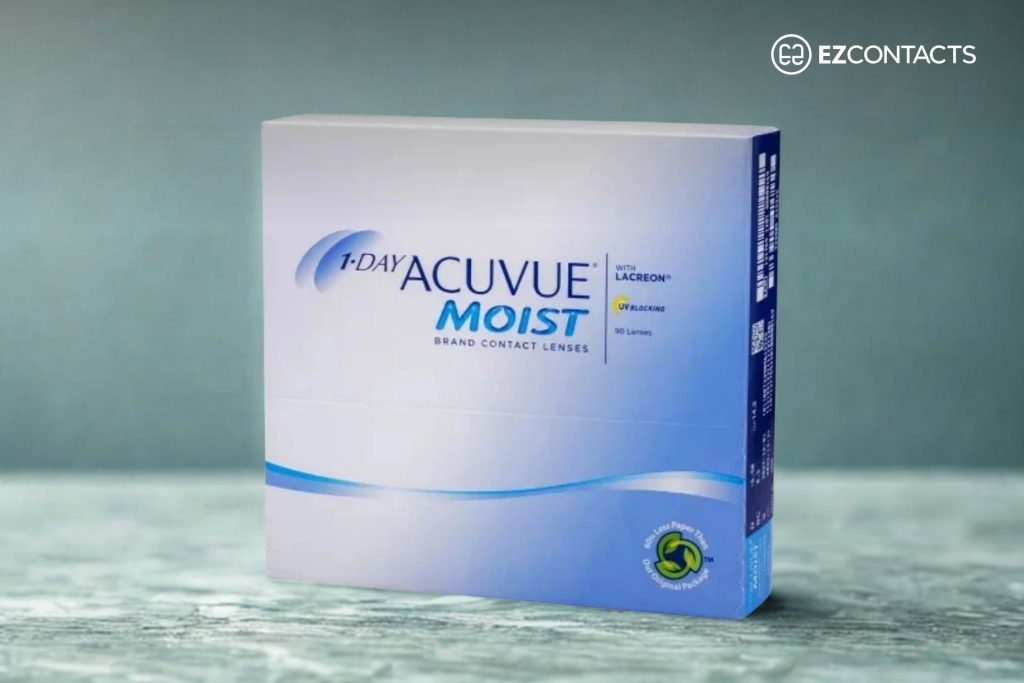
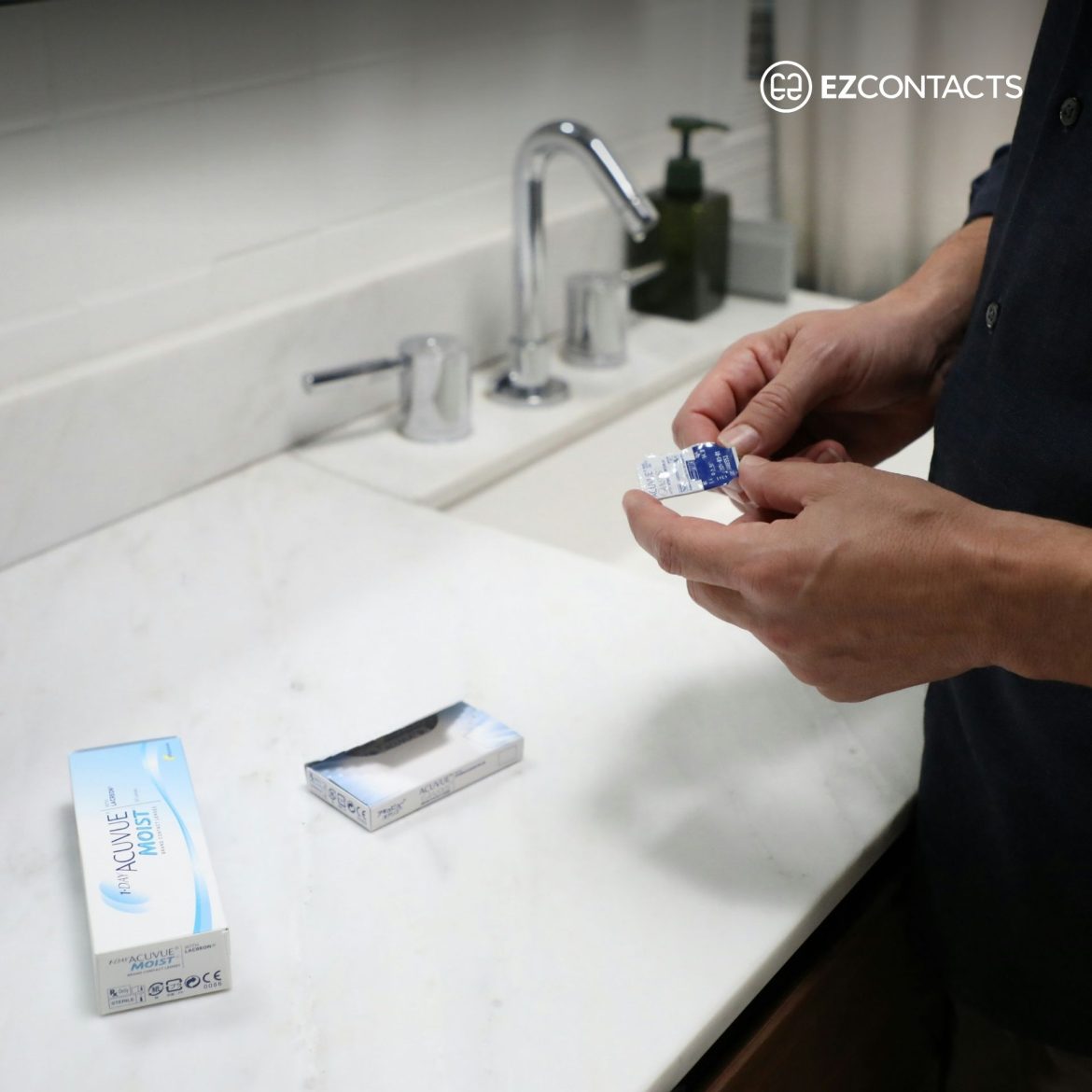
Johnson & Johnson’s ACUVUE Moist contacts are daily lenses made out of a traditional hydrogel material called Etafilcon A. They also feature LACREON® Technology, which helps provide a cushion of moisture.
Many contact users are happy with these ACUVUE contacts. On EZContacts, they have a 4.6 out of 5 stars from 710 reviews.
Caitlin C. loved how hydrating they were:
“These contacts are SO hydrating and fit my eyes perfectly. I can wear them all day without clawing my eyes out. Highly recommend these daily contacts, very fresh and easy hygiene.”
DAILIES AquaComfort Plus
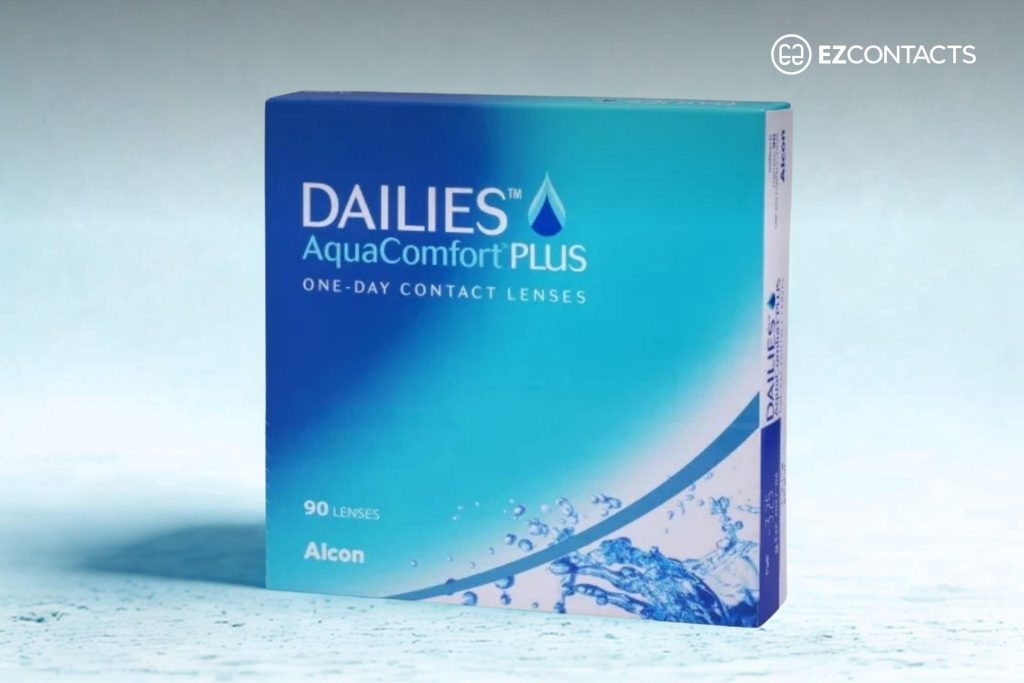
Alcon’s Dailies AquaComfort Plus are made from a hydrogel material called neflicon A, and they contain 69% water. They feature Blink-Activated Moisture Technology, which releases moisturizing agents with each blink. These agents help support lens hydration and provide a comfortable wearing experience throughout the day.
On EZContacts, the contacts have a 4.6 out of 5 stars from 439 reviews. James J. shared:
“Excellent contacts! I’ve been using these for years and couldn’t be more pleased. I can’t even tell that they are in my eyes!”
TL;DR
- Hydrogel contacts first debuted decades ago. These contacts are made from hydrogels, which are water-containing polymers. They stick to the eye’s surface, helping you see more clearly.
- Hydrogel contacts are soft and hydrating, which can make them a good choice for dry eyes. However, the water does dry out after hours of wear.
- Silicone hydrogel contacts are the newer type of contact lenses. They combine hydrogels with a silicone material that makes the contacts more porous. This helps more oxygen reach the eyes.
- While silicone hydrogel contacts are now the more dominant material, hydrogel contacts are still produced today. They’re most often daily contacts.
- If hydrogel or silicone hydrogel contacts don’t work well for you, you can also talk to your eye doctor about trying RGP lenses.
- Some of the top hydrogel contacts available include Proclear 1-Day, ACUVUE Moist, and DAILIES AquaComfort Plus.