Wegovy (semaglutide) and other GLP-1 medications for weight loss are everywhere. It’s hard to watch an Instagram reel or TV show without seeing ads for them.
If you’re wondering whether Wegovy or other GLP-1s are right for you, you’re not alone. Prescriptions for this class of drug have more than tripled since 2020.
Many people who previously struggled with weight loss are finally finding success on semaglutide or similar medications. GLP-1s work by lowering blood sugar and reducing appetite.
However, all medications have potential side effects, and vision loss is a concern with GLP-1s, particularly Wegovy.
Wegovy and Vision Loss: What To Know
First, it’s helpful to understand that Wegovy does not typically cause vision loss in the same way that common eye conditions like myopia or hyperopia do. It won’t worsen nearsightedness or astigmatism. You won’t be forced to upgrade your prescription.
However, it can affect vision in several other ways:
Blurred Vision
Because GLP-1s lower blood sugar, blurred vision is a common side effect. It occurs because changes in blood sugar can actually affect the shape of the eye’s lenses. This side effect is most common in older adults because the eye loses flexibility with age and is less able to adjust.
Blurry vision associated with GLP-1s can be frustrating. However, experts say it is usually temporary and can be expected to clear up after three to four months. Still, you should always keep your doctor up to date on your side effects and discuss any concerns with them. Additionally, try to avoid driving while you’re experiencing this side effect.

Wegovy and ION Risk
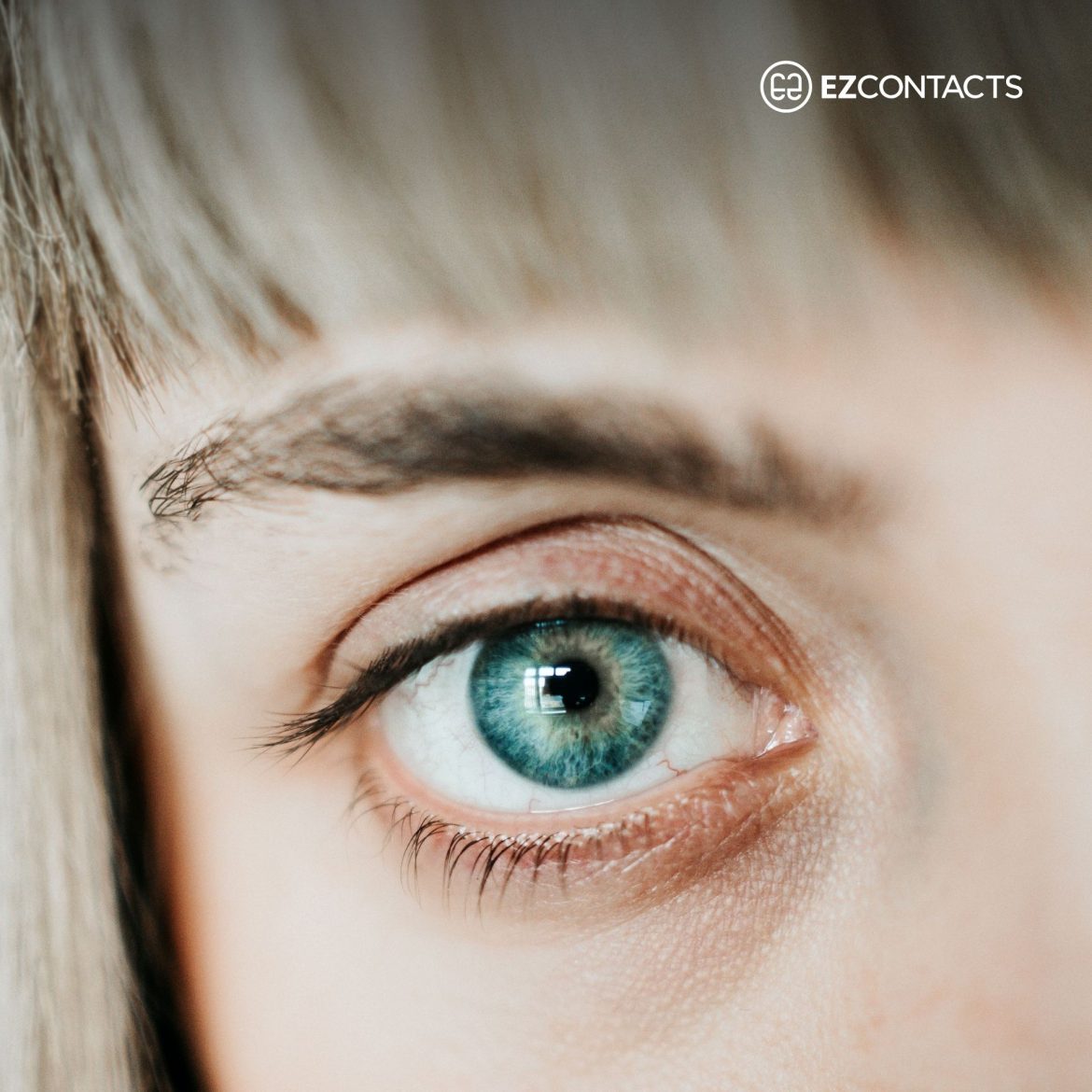
One of the risks with GLP-1s is ION. ION stands for ischemic optic neuropathy, and it is sometimes referred to as an “eye stroke.”
What that means is that a blockage prevents or reduces blood flow to the optic nerve. The first sign of this condition is usually sudden, painless vision loss, typically in one eye.
Despite being the most common cause of acute optic nerve injury in adults over the age of 50, ION does not occur all that frequently. The typical annual incidence ranges from 2.3 to 10.6 cases per 100,000 for adults over 50 and 0.54 cases per 100,000 for people of all ages. Risk factors include high cholesterol, high blood pressure, and diabetes.
So why do diabetes drugs like Wegovy increase the risk of an “eye stroke?” The answer isn’t clear. However, studies have found that GLP-1s are linked to a higher risk of this condition, particularly in the first year of treatment.
Within the category, Wegovy was found to have the highest increase in risk. In fact, Wegovy users were estimated to have a 5-times higher risk of the condition than Ozempic users.
Researchers are not sure exactly why Wegovy has the strongest association with ION. It may be because the drug is typically prescribed in higher doses than Ozempic. Rybelsus, the GLP-1 pill, may also have a lower risk because it is absorbed more slowly through the digestive tract.
The risk was also found to be about three times higher in men than in women.
Diabetic Retinopathy
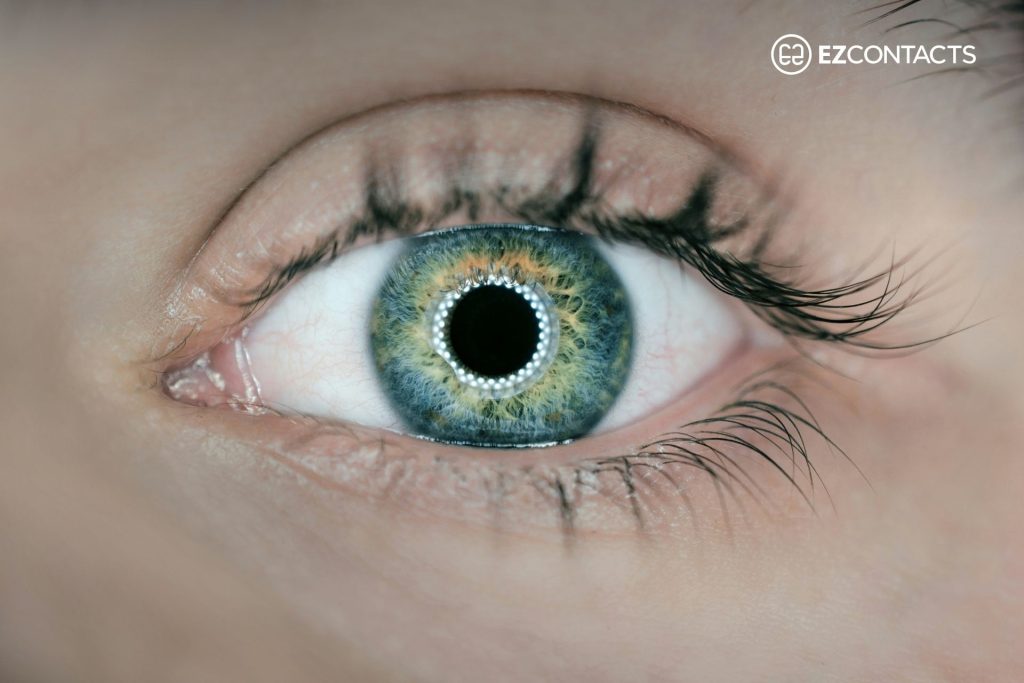
If you have diabetes, your doctor has probably encouraged you to keep up with your yearly eye exams. This is because diabetics are at risk of a condition called diabetic retinopathy. This is a condition in which high blood sugar levels weaken blood vessels in the eye.
Over time, this weakness leads to permanently damaged blood vessels that close off. The eye then responds by growing new, fragile blood vessels that don’t work as well. Bleeding from these blood vessels can obstruct eyesight and cause damage to the retina.
Keeping blood sugar under control with diet, exercise, and medications like insulin is a good way to reduce the risk of diabetic retinopathy. So why would Wegovy, which lowers blood sugar, increase the risk?
Again, the why isn’t clear yet. However, one study has suggested an increase in risk with semaglutide, the active ingredient in Wegovy.
What Does the Connection Between GLP-1s and Vision Loss Mean for You?
Should you reconsider taking semaglutide? Not necessarily.
You should discuss your concerns with your doctor before taking Wegovy or any other weight-loss medication. If you are already at higher risk for ION or diabetic retinopathy, your doctor may choose another GLP-1 with a lower risk.
However, experts say that for most people, the benefits of improving blood sugar levels or reducing weight with Wegovy still outweigh the increased risks of certain vision problems.
“It is premature to conclude that the association is a causal association. More research is necessary to test the hypothesis. Until then, patients should be aware of this information and, in consultation with their care team, make a careful, informed choice based on their individual risk profile,” said neuro-ophthalmologist Andrew Lee, MD.
What To Know When Taking Wegovy
If you do begin Wegovy, pay attention to your doctor’s recommendations. Make sure to schedule regular eye exams to identify and treat any issues. It’s also a good idea to be aware of the potential symptoms of ION, as eye strokes are often reversible with prompt treatment.
Possible symptoms include:
- Sudden, painless loss or change of vision, especially in one eye.
- Weakened color vision.
- Worsened vision across part of your visual field, such as the top or bottom half becoming blurry.
If you experience any of these symptoms, seek medical attention right away.
TL;DR
- Wegovy will not typically worsen conditions like nearsightedness, farsightedness, and astigmatism.
- However, using this medication can increase the risk of a few other causes of vision loss, such as diabetic retinopathy and ION (eye stroke). Wegovy users were estimated to have a 5-times higher risk of ION than Ozempic users.
- GLP-1s can also cause temporary blurred vision due to lowering your blood sugar.
- These risks do not necessarily mean you shouldn’t take Wegovy, but be sure to carefully discuss the risks and benefits with your doctor.