Crying is a normal part of life! Who hasn’t had a good cry while watching a tearjerker movie or a video of a lost dog finding its way home?
But if you wear contact lenses, you may wonder what happens when those tears start flowing. Can you cry with contacts in, or is it best to take them out?
I’m going to tackle that question so you can have peace of mind next time you feel your eyes welling up with emotion!
At-a-Glance Summary
It’s normal to wonder if you can cry with contacts in. This post answers the question so you understand how tears affect your lenses and whether it’s a problem.
How Do Contact Lenses Interact With Tears
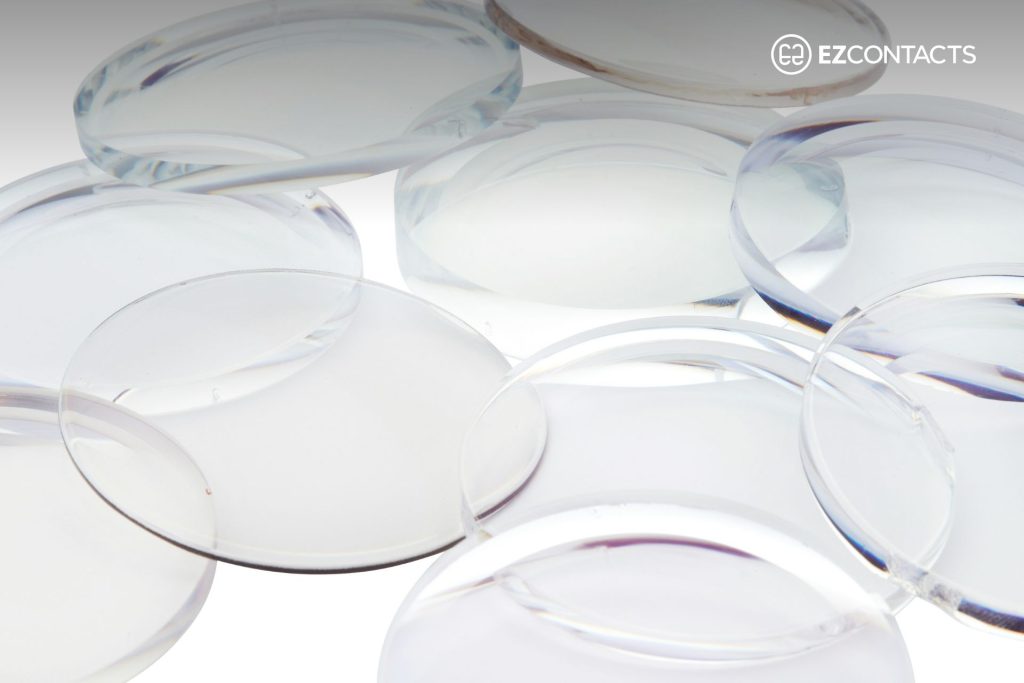
Let’s dive straight in and answer the popular question, “Can you cry with contacts in?”
Yes! You can, and crying won’t typically damage your contact lenses. However, you might experience temporary blurry vision due to tear residue on the lenses. The tears might also move the lens out of position.
You might have that instant urge to rub your eyes while you cry (we’re all guilty of it when the feels hit), but try to stop yourself. Rubbing your eyes while wearing contacts can irritate your eyes.
Why Tears Are Totally Natural
Tears can happen for a multitude of reasons, from watching your favorite rom-com (it happens to the best of us) to peeling an onion.
Our eyes produce tears even when we’re not crying. This natural moisture protects our eyes by keeping them lubricated. Tears also prevent them from feeling dry and from getting irritants like dust trapped inside.
So, tears can be beneficial even if you wear contacts. If your eyes don’t naturally produce enough tears, then they could start to feel dry.
Dry eyes are more than just a nuisance. They can make wearing contact lenses uncomfortable or even unbearable. And in the worst case, dry eyes can cause vision problems.
If you think you have this condition, talk to your eye doctor. They can recommend solutions to try out.
Are All Tears the Same?
According to experts, there are three types of tears that our eyes produce. They are basal tears, reflex tears, and emotional tears.
Basal tears: This is how your eyes naturally lubricate themselves throughout the day. Basal tears protect your cornea from dirt and debris, acting like a natural defense.
Emotional tears: We produce these tears when we feel everything from joy to sadness. Your eyes release a continuous flow that can feel like an uncontrollable stream. Some research suggests that emotional tears contain additional hormones and proteins not found in other tear types.
Reflex tears: These tears are formed when your eyes need to wash away harmful irritants, such as onion fumes and smoke. You might notice your eyes get a bit red, too. Reflex tears can be a protector against bacteria.
What Happens When You Cry Wearing Contacts?
Contact lenses are designed to be safe when interacting with tears. But if you’re having a good cry, you might notice a few side effects.
Blurred Vision
Regular daily tears (basal tears) happen without you even realizing! They are the eye’s way of stopping dryness, and you won’t even notice throughout the day.
But crying can cause temporarily blurred vision. They may leave behind proteins, oils, and other debris that can collect on your contact lenses.
So, after you cry, it’s a good idea to take your contacts out for a short while. If you wear reusable contact lenses, clean and disinfect them before putting them back in. However, if you wear daily disposable contacts, it’s best to throw away that pair and use a fresh one instead. Since daily lenses are made for one-time use, they aren’t designed to be reinserted after removal.
Contacts Feeling Stuck to Your Eyelids
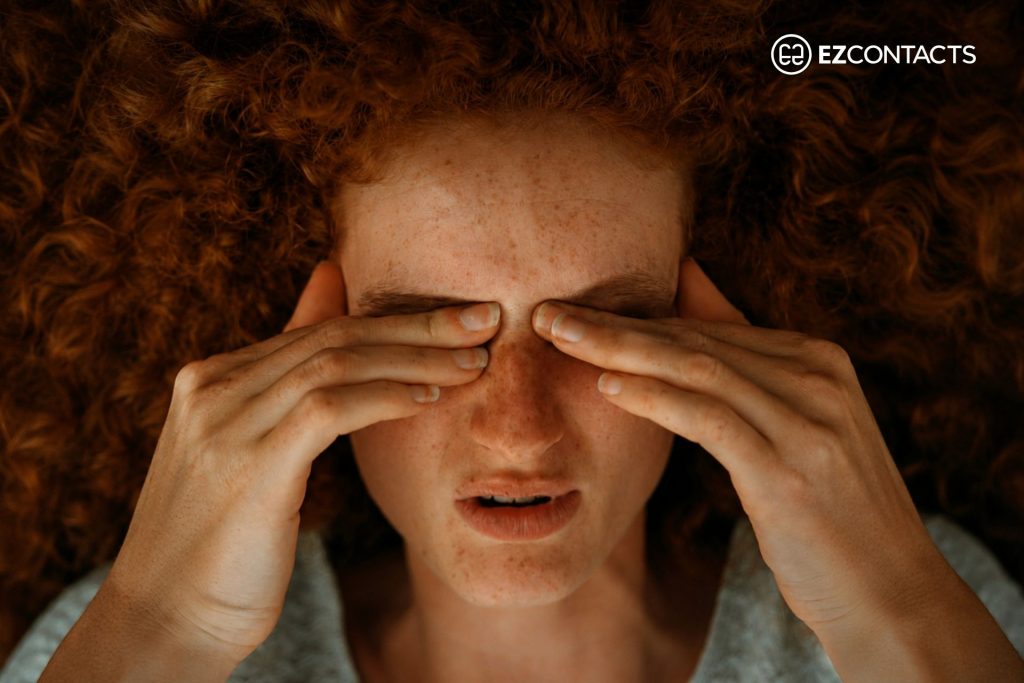
Crying can create a flow of tears; this stream might cause your lenses to move and get attached to your eyelids. You might not even notice that it’s happened until your vision gets blurry.
Simply take them out and give them a clean before putting them back in (after the tears have stopped flowing). Again, if you wear daily disposables, it’s best to replace them with a new pair since they’re made for one-time use.
If your contacts get stuck under your eyelid, don’t give in to the urge to rub your eyes. Instead, try blinking till they’re back in place.
Washed Away Contacts
You might find your contacts falling out of your eyes! We all need a good crying session sometimes, and this is a totally natural consequence, since tears will make your lenses move.
This can happen more easily if you wear RGP contacts (sometimes called hard lenses). Make sure you clean them before you put them back in.
FAQS
Can you cry with contacts in?
Yes, you can! Any side effects like blurred vision should just be temporary. If a contact lens falls out while you’re crying, clean and disinfect it before putting it back in if it’s a reusable lens. If it’s a daily disposable lens, throw it away and replace it with a fresh contact.
Why do my contacts move when I cry?
It’s natural for lenses to move when you cry. It happens because of all that extra moisture that your eyes produce. Try blinking to move them back into place.
Why do my contact lenses get blurry when I cry?
Your tears can contain proteins (depending on the type of tear), and these can attach to your lenses. If the blurriness doesn’t subside, take out your lenses and give them a clean.
TL;DR
- Can you cry while wearing contacts? This is a very common concern. The good news is, yes, you can cry with contacts in.
- Tears are not harmful; in fact, your eyes produce tears throughout the day, which naturally lubricate them. This stops them from feeling dry and itchy.
- There are three types of tears: basal, reflex, and emotional. Basal tears naturally occur throughout the day. Reflex tears protect you from harmful irritants and fumes, and emotional tears are natural when you feel an emotion strongly.
- Crying, however, produces a stream of tears that can cause temporary side effects, including blurry vision. Your contacts might move or fall out (more likely when wearing RGP lenses).
- Instead of rubbing your eyes, which can cause irritation, pop out your lenses and give them a clean.