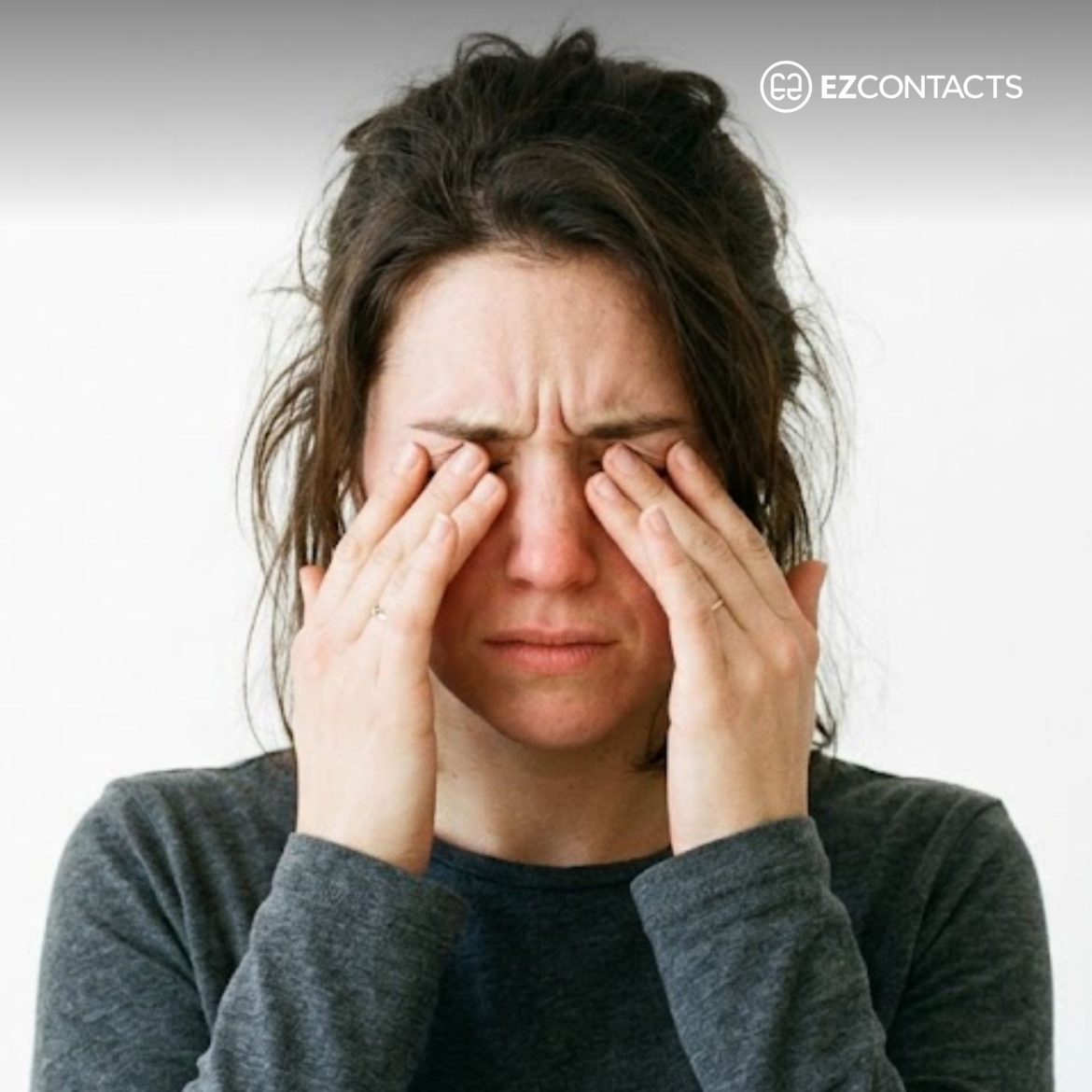
If you wear contacts, there’s a pretty good chance you’ll deal with eye dryness at some stage in your journey with contact lenses. In fact, between 30% and 50% of contact lens wearers experience some level of dryness.
It’s not all doom and gloom, though. For most, eye dryness with contacts is very manageable once you understand why it’s happening.
We’re going to look at why contacts can cause dryness, which lenses are the biggest culprits for dryness, and what you can do to alleviate it.
Why Do Contacts Make Eyes Feel Dry?
Your eyes are covered by a very thin layer of tears called the tear film. Its job is to keep the surface of the eye lubricated and comfortable.
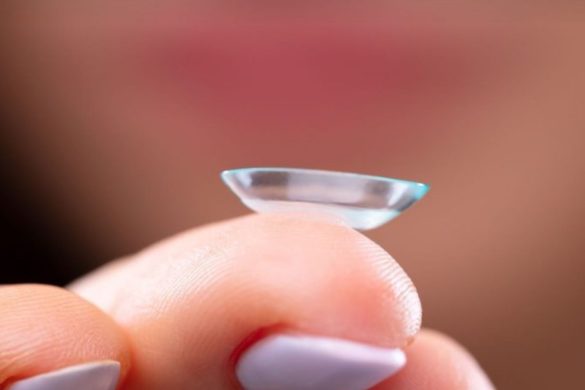
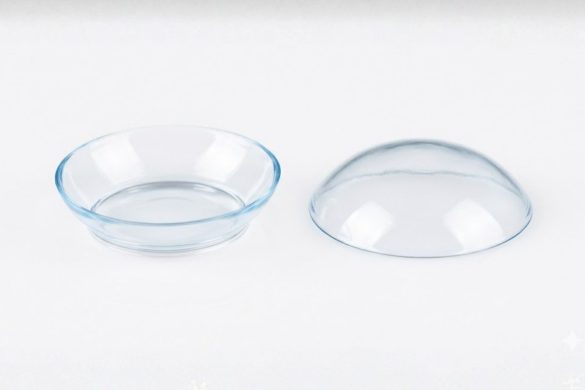
Contact lenses are put right on top of that tear film, so they change how well tears can be spread across the eye. They also slightly increase the evaporation rate of your tears. Plus, lenses slowly lose moisture throughout the day, so by the end of the day, they’ll be drier than when you first put them in.
Contacts typically reduce the amount of oxygen reaching the cornea. Modern silicone hydrogel lenses are much more breathable than older contacts, but eye dryness with contacts can still happen. This is especially true if you already have sensitive eyes.
Looking at Screens Makes Dry Eye Worse

A lot of people assume their contacts are the entire problem, when really, the amount of time they spend staring at screens is a big contributor to their eye dryness with contacts.
When you look at a computer, phone, or TV, the rate at which you blink drops significantly. Humans normally blink around 15 to 20 times per minute, but that number can fall dramatically during screen use.
The purpose of blinking is to spread tears across the eye. When you don’t blink as much, tears evaporate faster, and the contact lens starts drying out.
This is why contact lenses can feel more uncomfortable when you’re at work in an office, studying on a computer, or watching episode after episode of your favorite show.
It’s also common for people to only partially blink while using screens, as in they don’t fully close their eyes. That leaves parts of the contact lens exposed to air for longer, making the dryness worse.
Dry Air Makes Things Worse
Your environment can make your eyes dry out a lot more than most people realize. Air conditioning, heaters, fans, airplanes, and wind all make your tears evaporate faster.
Some people find that their contacts feel completely different depending on where they are. They may be fine wearing lenses at home, but when they’re at work or traveling, they’re super irritating.
Working in an office can be especially rough because it means both dry air conditioning and lots of looking at screens.
Some Contacts Are Better for Dry Eyes Than Others
Not all lenses affect your eyes in the same way. Older hydrogel lenses tend to dry out more easily throughout the day. This is why they’re not very commonly used today.
Silicone hydrogel, which is what pretty much all modern lenses are made of, lets more oxygen get through to the eye. This is important because your corneas don’t have their own blood supply, so they get oxygen from the air instead.
A good fit with the lens also matters. If it moves around too much or doesn’t fit properly, it can mess with the tear film and give you irritation that feels pretty close to dryness.
So if your lenses are giving you trouble, it doesn’t automatically mean you’ll have the same problems with a different brand. This is something you should speak to your doctor about.
Sometimes the real problem is dry eye syndrome
In some cases, contact lenses are not actually causing dry eye at all. They’re simply making an existing problem worse.
Dry eye syndrome happens when the eyes either do not produce enough tears or the tears evaporate too quickly. For some people, their tear film doesn’t have enough oil to stop moisture from evaporating from the eye.
This becomes more common with age, hormonal changes, certain medications, and allergies. A lot of people don’t even know they have dry eye syndrome until they start wearing contacts.
How To Fix Eye Dryness From Contacts
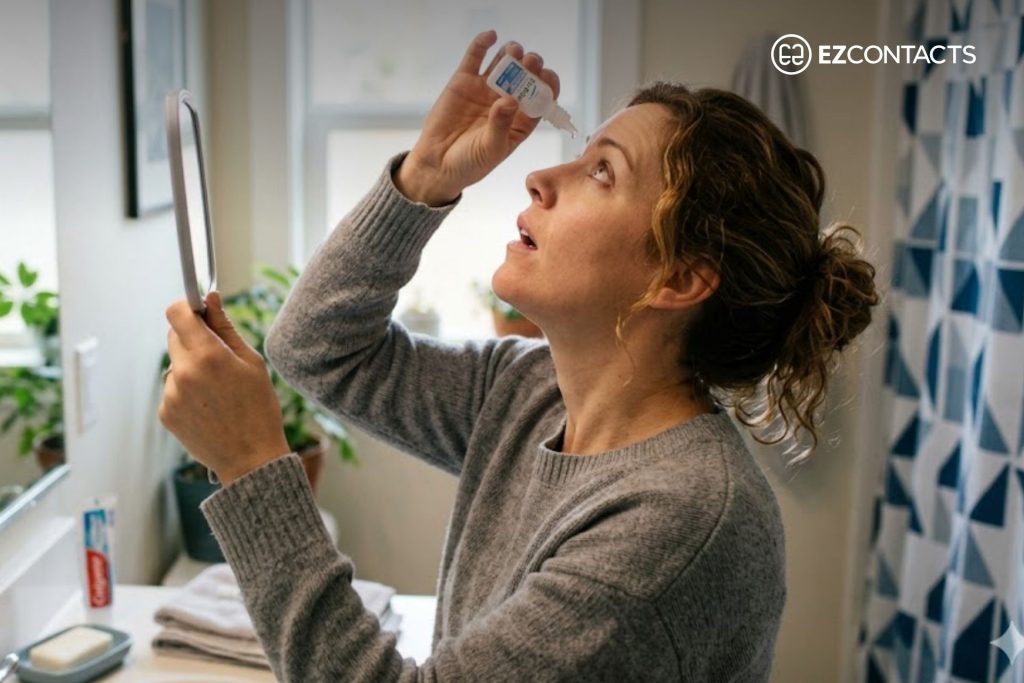
If you keep getting severe dryness or irritation from your contacts, it’s really best to speak to your doctor. But there are a few things you can do to fix mild dryness that work for a lot of people.
- Try contact lens eye drops. If your lenses start feeling dry halfway through the day, rewetting drops are usually the quickest fix. Just make sure they’re designed for use with contacts.
- Pay attention to how often you’re blinking. This sounds obvious, but people blink far less when they’re looking at a screen. If your eyes feel dry, look away from the screen for a moment and fully blink several times.
- Give your eyes regular breaks. Use the 20-20-20 rule when working on screens. Every 20 minutes, look at something about 20 feet away for 20 seconds.
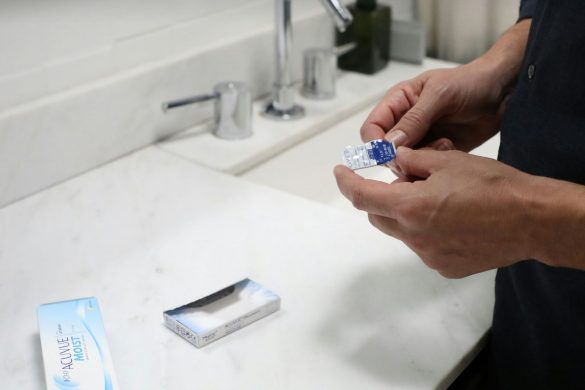
- Try a different type of lens. Lots of people find daily disposables more comfortable because they’re moist right out of the pack. Some people also find that switching to a different brand solves the problem entirely.
- Drink more water. Dry eyes aren’t always caused by dehydration, but not drinking enough fluids can make symptoms worse.
When Should You See an Eye Doctor?
Occasional dryness is very common with contacts. This kind of dryness can be fixed with the methods we talked about above. What’s not normal is constant discomfort or pain.
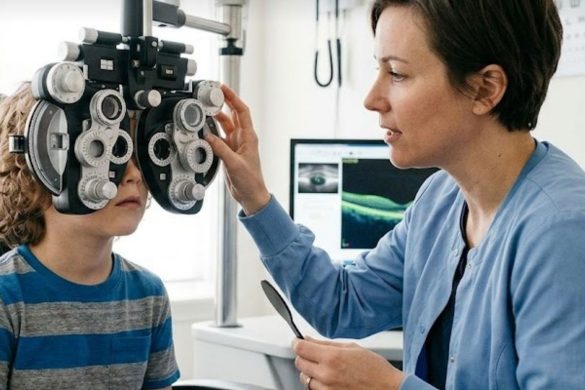
If your eyes regularly become very red, painful, sensitive to light, or blurry, you should take out your contacts. Wear your glasses for the time being until you can have an eye exam with your doctor.
This is where you can discuss things like switching to a different brand or model of contacts. Your doctor should also investigate whether or not you suffer from an existing dry eye condition.
TL;DR
- Around 30% to 50% of people who wear contact lenses experience eye dryness with contacts at some point, but it’s usually manageable.
- Dryness is linked to contacts because they sit on the eyes’ tear film and can increase tear evaporation.
- Looking at screens makes you blink less and can dry out your eyes much faster.
- Air conditioning, fans, and dry climates can increase discomfort.
- Daily disposables and silicone hydrogel lenses are often more comfortable for dry eyes.
- Lubricating drops are enough to solve eye dryness with contacts for most people.
- Persistent pain, redness, or blurry vision needs to be checked out by an eye doctor.