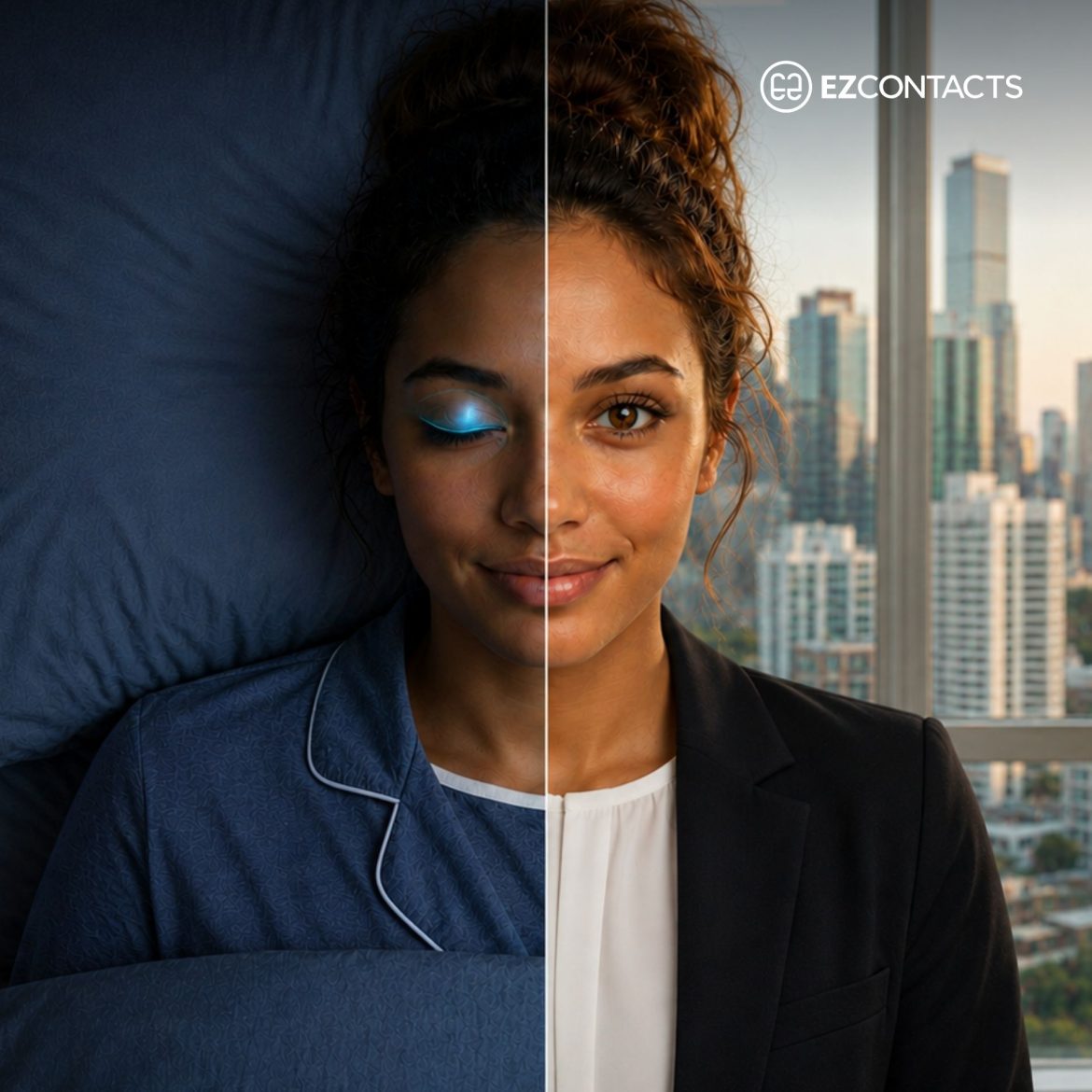
Imagine being able to wake up in the morning with corrected vision, without having to use glasses or contact lenses all day. That’s the idea behind orthokeratology, usually shortened to Ortho-K.
Ortho-K has become increasingly popular for children with progressing myopia, adults who aren’t fans of daytime lenses, and people who aren’t ready for laser eye surgery.
We’re going to explain what a lens for orthokeratology is, how these lenses reshape the eye, and what you should realistically expect from this treatment.
What Is Orthokeratology?
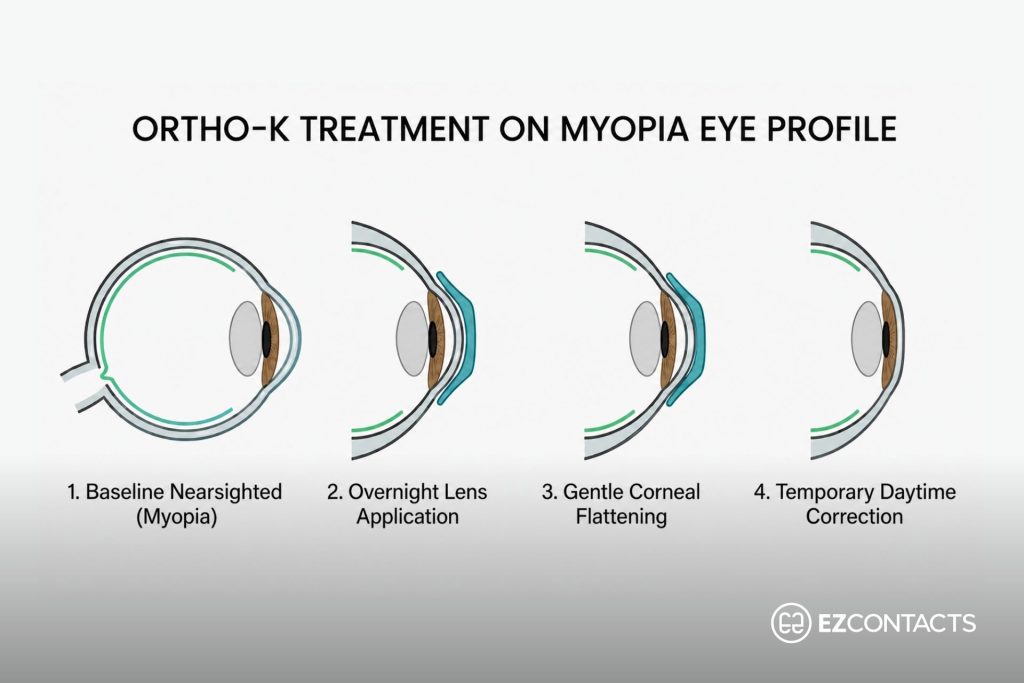
Myopia is one of the most common vision conditions in the world. In a standard eye, light enters and lands directly on the retina. With myopia, the physical shape of the eye is slightly elongated, or the cornea has a steeper curve. This causes light to focus in front of the retina instead of on it, making distant objects look blurry.
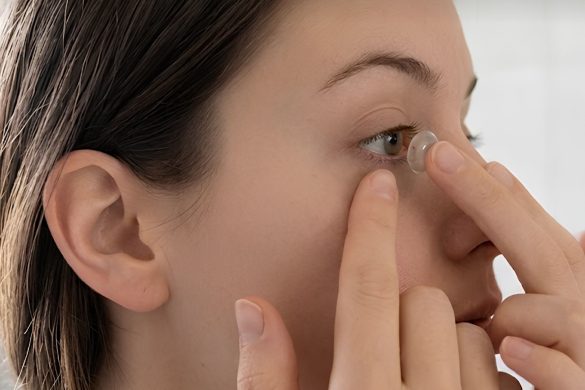
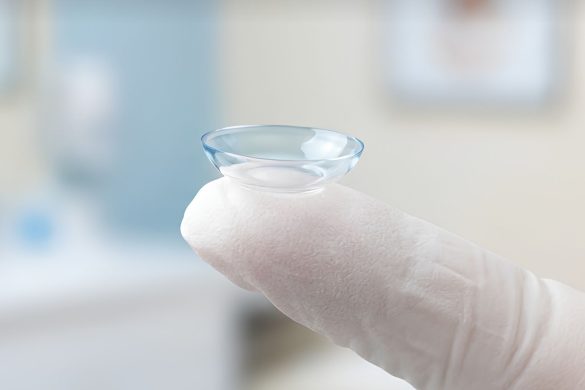
Orthokeratology is a non-surgical treatment designed to temporarily correct this problem. It uses specially designed rigid gas permeable contact lenses that are worn overnight while you sleep. As the lenses sit on the eye, they gently reshape the front surface of the cornea.
When you remove the lenses in the morning, the cornea temporarily holds its new shape. This corrects your vision throughout the day without needing to wear glasses or contacts.
The effect is temporary, though. If you stop wearing the lenses, the cornea will gradually return to its original shape over time.
How Does a Lens for Orthokeratology Actually Work?
The cornea is flexible enough to be reshaped slightly under controlled conditions. Ortho-K lenses are designed with a very specific curvature pattern.
While you sleep, the lenses redistribute cells across the surface of the cornea. This slightly flattens the center of the eye and reduces the amount of light it bends. It might sound like this shouldn’t do much, but it has the potential to make a significant difference to vision.
The reshaping of the cornea is done at a microscopic level. You’re not permanently changing the structure of the eye or damaging tissue. Ortho-K lenses just temporarily alter the cornea’s shape in a safe and controlled way. They need to be regularly worn to keep the effect going.
What Conditions Can Ortho-K Treat?
Ortho-K is mainly used to treat mild to moderate myopia.
But some types of lenses can also help correct:
- Astigmatism
- Farsightedness
- Presbyopia in certain cases
Results vary depending on the person and the condition of their eyes. People with very high prescriptions or unusual corneal shapes might not get optimal results with Ortho-K alone. An eye doctor will need to map the surface of the cornea to determine whether someone is a good candidate.
Why Is Ortho-K So Popular for Children?

Orthokeratology has gained a lot of attention for its role in myopia management for kids. Children’s eyes change quickly during their school-age years, which can cause nearsightedness to worsen. Research has shown that Ortho-K can help slow it down.
This is key since severe nearsightedness raises the risk of serious eye conditions later in life, like glaucoma or retinal detachment.
Ortho-K offers two benefits at once:
- Vision correction without the need for glasses during the day
- Possible reduction in the speed of myopia progression
Are Ortho-K Lenses Comfortable?
Ortho-K lenses are made from rigid materials instead of soft hydrogel. At first, they can definitely feel unusual.
A lot of people say they feel very aware of them the first few nights, especially when they blink.
The good news is that they’re worn at night, so you’ll be asleep for most of the time. People usually adapt quite quickly.
Modern Ortho-K lenses are also highly oxygen permeable. That’s important because the cornea doesn’t contain blood vessels and relies on exposure to oxygen from the air.
How Long Does It Take for Ortho-K To Work?
Some people notice improvements after the very first night. For others, it takes several days or weeks for the cornea to stabilize into its new shape.
The timeline depends on:
- Prescription strength
- Corneal shape
- Lens for orthokeratology fit
- How often the lenses are worn
During this time, people’s vision in the daytime may fluctuate a little throughout the day before stabilizing.
Is Ortho-K Permanent?
No. Orthokeratology is completely reversible. If you stop wearing the lenses, the cornea slowly returns to its original shape and your previous prescription comes back.
Some people think of that reversibility as a benefit. Unlike laser eye surgery, Ortho-K doesn’t permanently remove corneal tissue. If you find you don’t like Ortho-K, you can always go back to glasses or contact lenses.
Is Ortho-K Safe?
Orthokeratology is very safe, as long as the lenses are fitted correctly and cleaned properly.
However, wearing any kind of contact lenses overnight means there’s the potential for bacteria to be trapped against the eye. Keeping up with the cleaning routine is absolutely vital for avoiding infections.
Potential complications can include:
- Eye irritation
- Corneal staining
- Infection
- Inflammation
An eye doctor will monitor the shape and health of the cornea closely during the whole process.
Who Is a Good Candidate for Ortho-K?
Ortho-K can work well for:
- Children with progressing myopia
- Adults with mild to moderate nearsightedness
- People who work in dusty or dry environments
- Individuals who are not candidates for LASIK
- People who don’t want to wear contacts during the day for whatever reason
An eye exam is always required before treatment since not every eye shape responds equally well. People with certain corneal diseases, severe dry eye, or irregular corneas may not qualify.
What Is the Fitting Process Like?
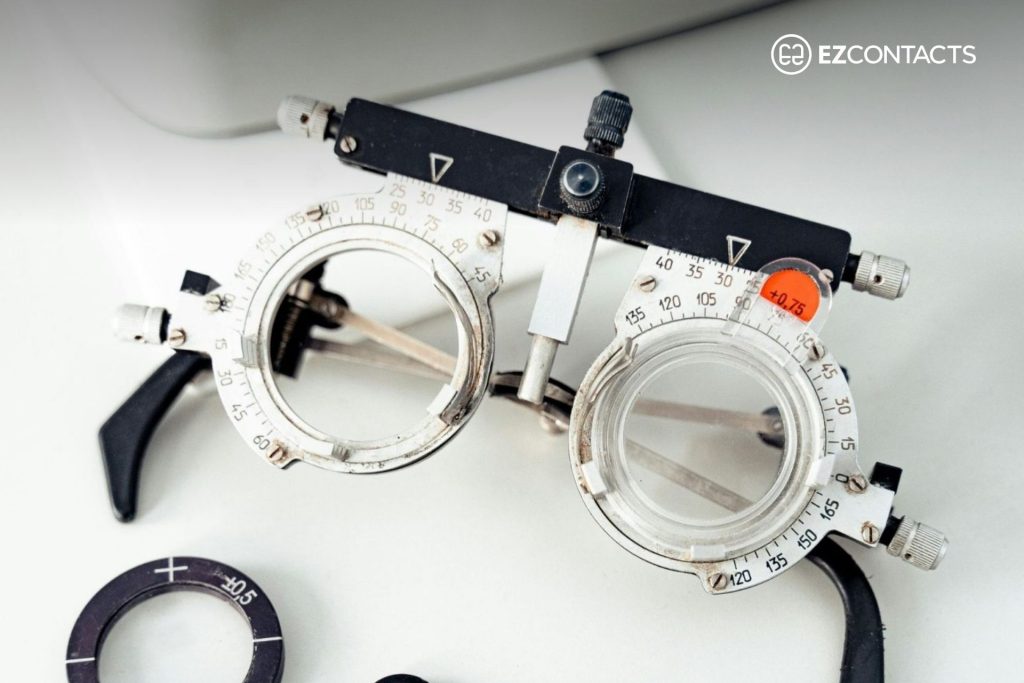
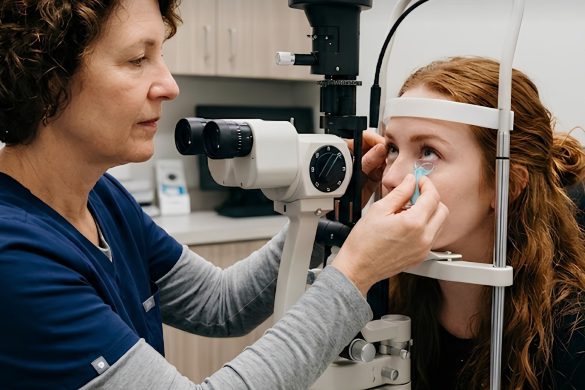
An Ortho-K fitting is a bit more intensive than getting fitted for standard contact lenses.
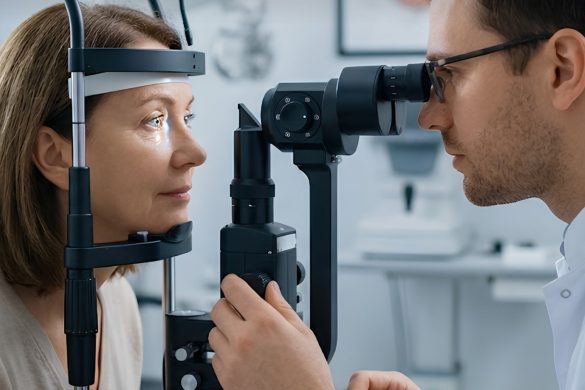
Your eye doctor will perform corneal topography scans that create a map of the surface of the eye. These measurements are necessary so that the lenses can be made to the precise shape needed for the patient’s cornea.
Follow-up visits are also common during the first few weeks. The doctor needs to check how the lenses fit and monitor how the cornea responds to overnight treatment.
Sometimes, the design of the lens for orthokeratology needs adjusting before the best fit is achieved.
TL;DR
- Wondering what a lens for orthokeratology is? Ortho-K uses specially designed overnight lenses to temporarily reshape the cornea.
- It’s usually used to treat myopia, but can also help with astigmatism and farsightedness.
- Improvement to vision can happen after the very first night, but it usually takes a few days or weeks to get the full benefits.
- Ortho-K is reversible and doesn’t make any permanent changes to the eye.
- It’s become a particularly popular treatment for myopia in children.
- It’s really important to clean the lenses properly in the morning since they’re worn overnight.
- Not everybody is a good candidate, so an extensive eye exam is needed first.