Vision changes aren’t always dramatic. They will often start with small signs that are easy to write off.
You might start needing to hold your phone further away than normal to read it clearly. Or, you could have frequent headaches that you put down to stress.
So, are you asking, how can I know if I need glasses? Let’s get into it!
How Can I Know if I Need Glasses: Common Signs
Let’s start by going through some common signs that could indicate you need glasses.
Blurry Vision at Certain Distances
Blurry vision is often one of the first signs that your eyesight has worsened. If faraway objects look blurry, you could be dealing with nearsightedness. With this condition, street signs, the TV screen, or faces across a room could look fuzzy.
If you’re having trouble reading or seeing the text on your phone, you could have farsightedness. With this condition, you’ll be able to see faraway objects clearly, but close-up objects look blurry.
Trouble with close-up tasks like reading is also a sign of presbyopia, which is age-related farsightedness. This common condition typically begins in your forties.
According to the American Optometric Association, presbyopia affects nearly 90% of Americans over age 45, yet roughly 10% of those cases go undiagnosed.
Sometimes, people start experiencing both nearsightedness and farsightedness at once. This can happen when you need a new prescription or when you develop more than one vision problem at the same time.
Frequent Squinting

Squinting is something we do when we’re trying to sharpen the focus of our vision. It changes how light enters the eye and can temporarily improve your sight.
If you catch yourself squinting, it could be a sign that your eyes are working harder than they should. If you’re dealing with nearsightedness, you may squint while trying to view distant objects. Or, if you have farsightedness, you could squint while reading.
Squinting may help in the moment, but it can lead to eye strain over time.
Frequent Headaches
If you get headaches after reading, looking at a computer screen, or driving, it may be because your eyes are working too hard.
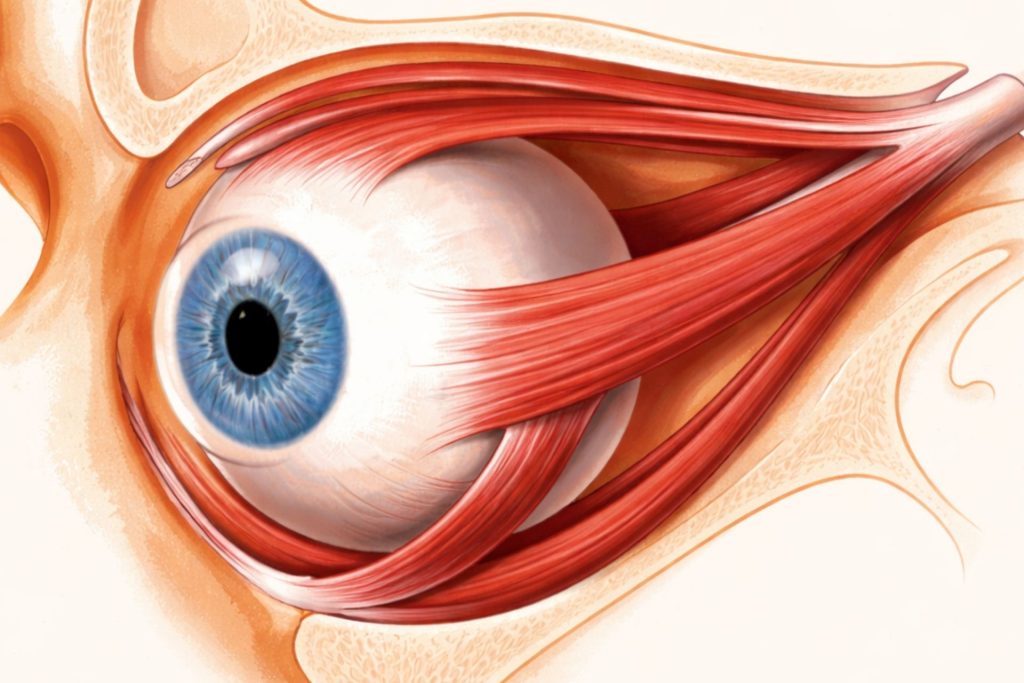
Each eye uses six small muscles to stay aligned and focus your vision. When your vision isn’t focusing properly, those muscles end up working harder than they should. This can lead to strain and headaches.
These headaches tend to build gradually. They often go away with rest. If you notice this pattern, it could be a sign your vision needs attention.
Eye Strain and Fatigue
Tired eyes at the end of the day are common. But it shouldn’t happen constantly.
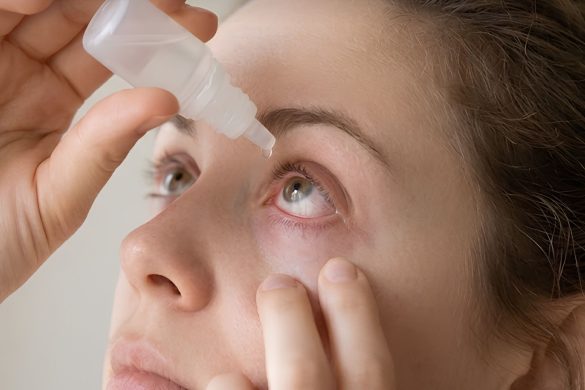
If your eyes often feel sore, dry, or strained after normal daily tasks, it can be because they’re working too hard to stay focused. You’ll notice it even more if you spend long hours staring at screens.
Holding Things Too Close or Too Far Away
Holding your phone or a book farther away to see the text clearly is a common early sign of presbyopia. Needing to bring things closer than usual can be a sign of nearsightedness.
These changes often happen gradually. And so, it’s easy to adapt without even realizing you’re doing it. Other people may notice these habits before you do.
Trouble Seeing at Night
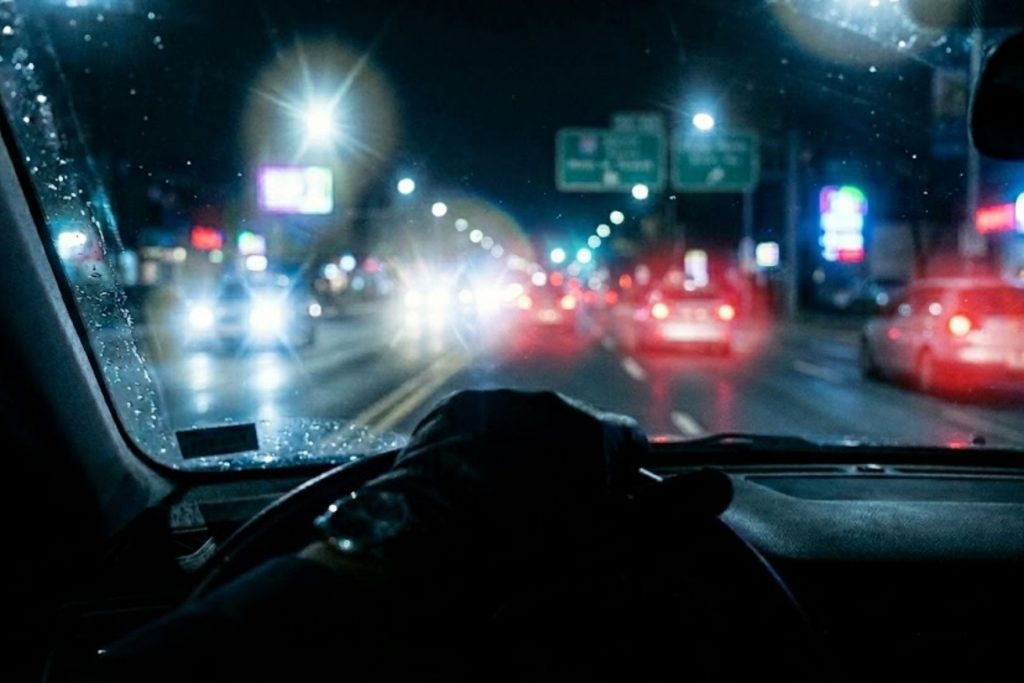
Low-light vision can highlight problems that aren’t as obvious during the day.
If driving at night feels harder, or lights seem to have more glare than usual, it can mean your eyes aren’t focusing properly. You might see halos around headlights or have difficulty judging distance.
Trouble seeing at night can be linked to nyctalopia, a condition also known as “night blindness.” Nyctalopia is a symptom of an underlying condition, so there’s no way to know what’s causing it unless you get an eye exam.
Double Vision or Shadowing
Seeing a slight duplicate or shadow around objects can happen in one or both eyes. It’s often tied to astigmatism, where the shape of your eye causes light to focus unevenly.
Even a mild case can make words on a book or screen look less sharp or cause discomfort to your eyes.
Difficulty Focusing When Switching Distances
Healthy eyes should adjust quickly when you shift focus from near to far (or vice versa).
If that transition starts to take longer, or if things stay blurry for a moment, that points to a problem. Trouble adjusting focus becomes more common with age, especially with presbyopia.
Relying on Brighter Light

If you find yourself turning on extra lights to read or work, your eyes may be struggling with contrast or focus. This is often one of the earlier signs of changes in near vision.
Instead of addressing the root cause, it’s easy to adapt your environment by simply turning on another light. That’s why this symptom often gets overlooked until it finally becomes unmanageable.
When Symptoms Come and Go
You might notice blur or strain only at certain times of day or after long periods of close-up tasks. This can still point to an underlying problem, especially if it keeps happening.
Temporary clarity after blinking or resting doesn’t always mean everything is fine. It just means your eyes can compensate for a short time.
When to Get an Eye Exam
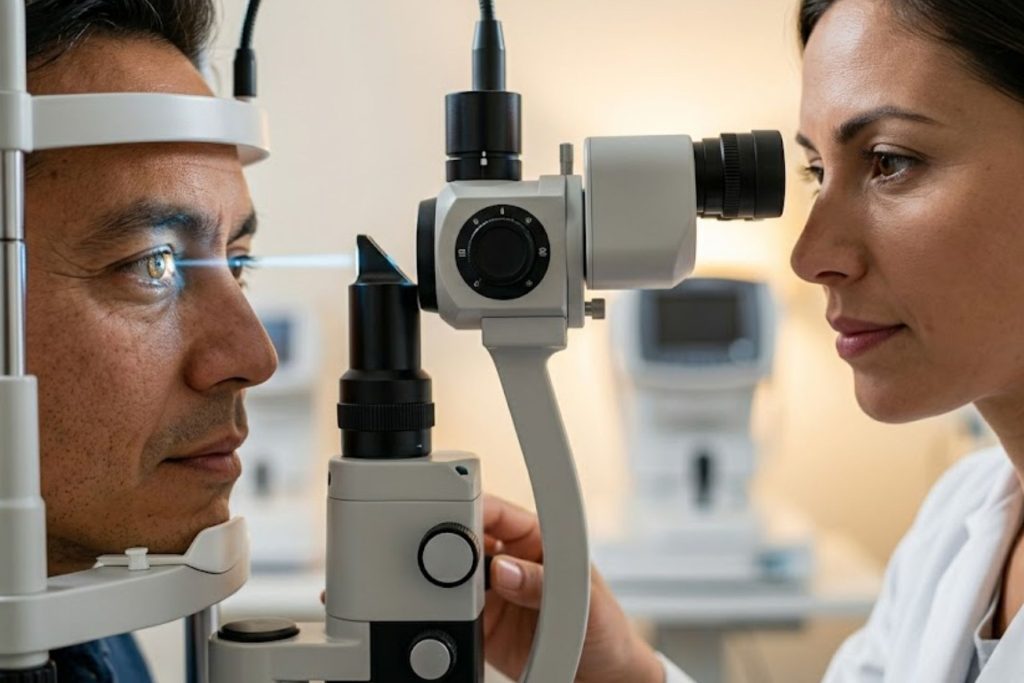
If any of the above signs sound familiar, it’s a good idea to get your eyes checked.
You shouldn’t wait until your vision gets worse. An eye exam can confirm whether you need glasses, contact lenses, or another type of treatment. An eye care professional can also rule out other conditions that may not be obvious.
What If I Already Wear Glasses?
Even if you’ve worn glasses for years, your eyes can continue to change due to age, use of digital screens, or even changes in lifestyle.
If you’re experiencing any of the symptoms we’ve talked about while wearing your current pair, there’s a good chance your prescription has lapsed.
What Happens During an Eye Exam
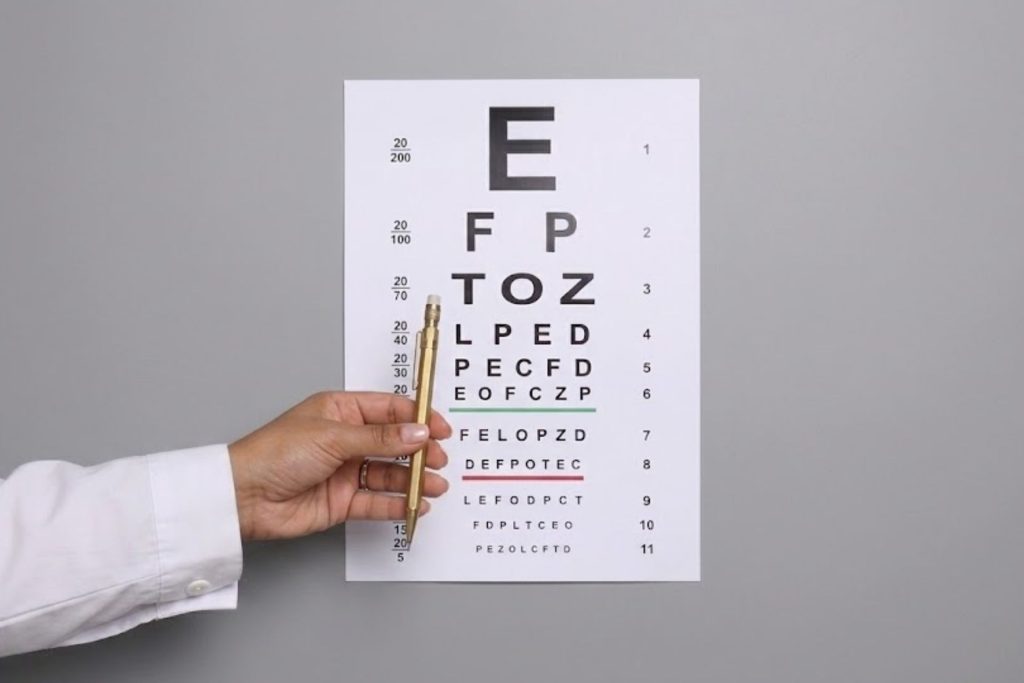
A standard eye exam is painless and usually takes less than an hour. Your doctor will perform a series of tests to check your vision at various distances.
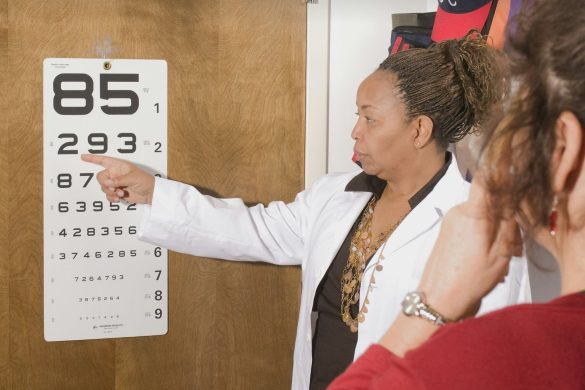
You’ll likely find yourself looking at the classic Snellen chart (the one with the big “E”). Then, you’ll peer through a phoropter. That’s the device that fine-tunes your exact prescription.
Finally, the doctor will perform a physical check of your eye’s surface, lens, and retina to see if everything is functioning correctly.
TL;DR
- Are you asking, how can I know if I need glasses? Blurry vision is often one of the most common signs that your eyes need help.
- Squinting frequently and headaches could be signs of eye strain caused by vision problems
- Holding your phone closer or farther away is a sign that there’s been a change in your vision.
- Having trouble seeing at night and light sensitivity could also be signs of underlying vision issues.
- If you have any questions or concerns about your vision, reach out to your eye doctor to schedule an eye exam. They can confirm if you need glasses or a new prescription.