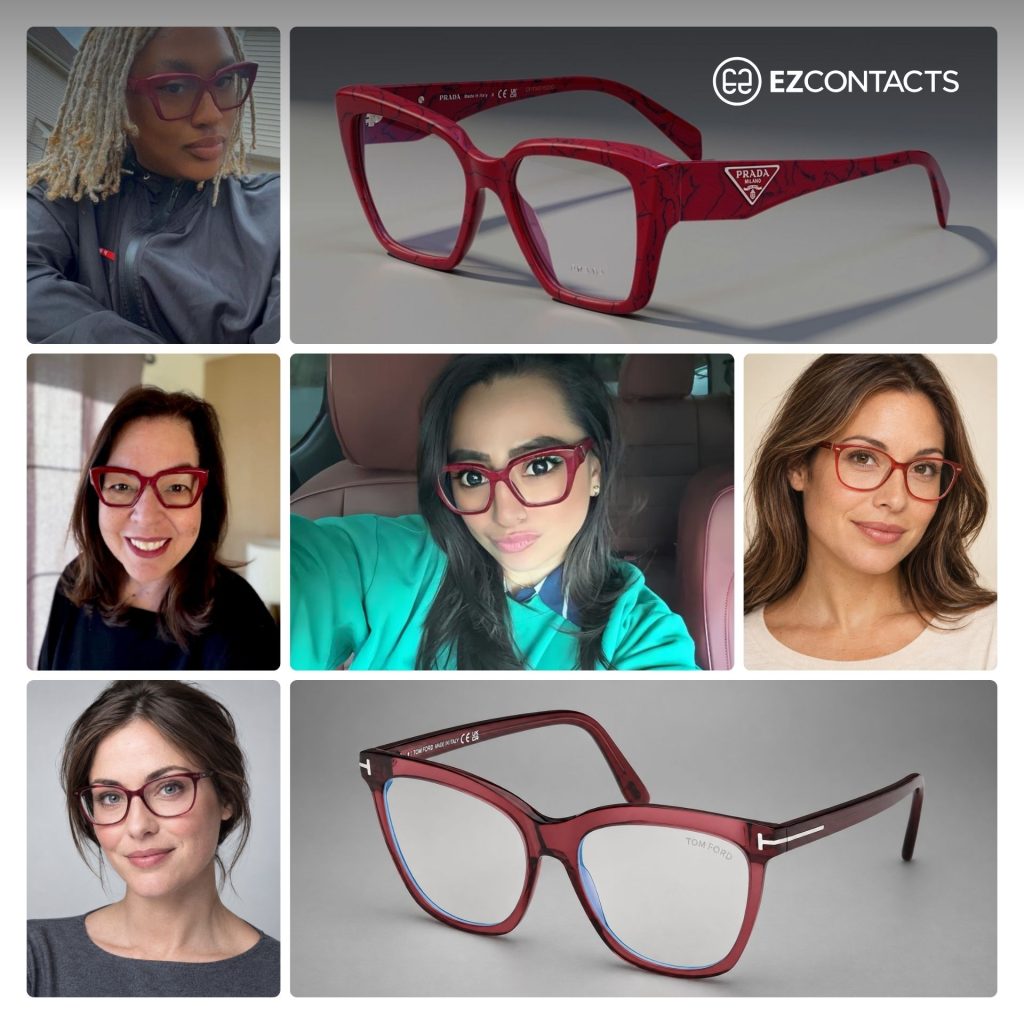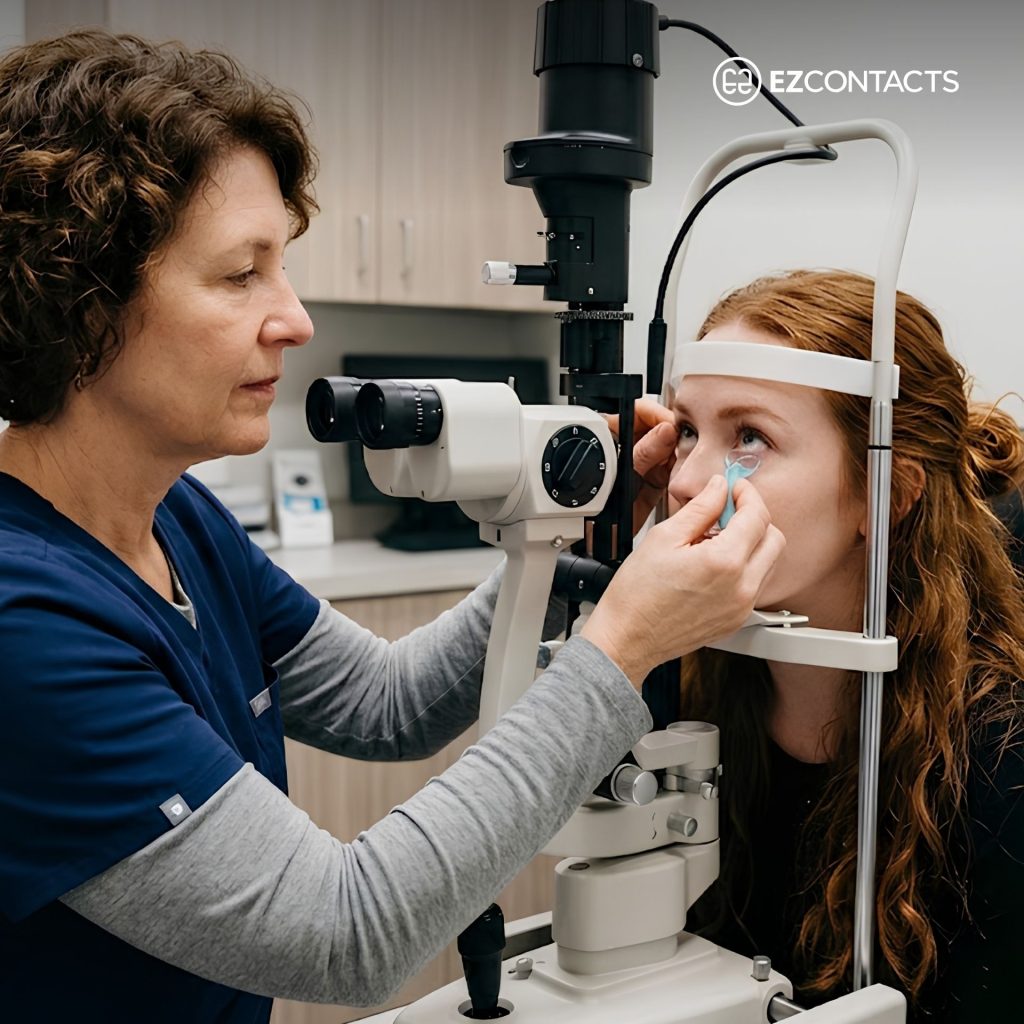

Glasses, contacts, and an eye prescription

How Long Are Eye Prescriptions Good For?

If you wear glasses or contacts, you should have an expiration date printed on your prescription. You may be wondering, how long are eye prescriptions good for typically?

In the U.S., prescriptions for glasses usually expire after one or two years. Most contact lens prescriptions are valid for one year.

Eye doctors also have to consider things like age, eye conditions, and the general health of the patient before they decide on an expiration date.

Let’s get into how long eye prescriptions are good for in the U.S. and why some expire sooner than others.

Continue Reading
Snellen chart on a white wall

Understanding 20/200 Vision​: What It Means for Your Eyes

Have you or a loved one been told you have a visual acuity of 20/200? You may be wondering what exactly that means.

Visual acuity is the measure of the clarity or sharpness of your vision. To put it simply, someone with 20/200 vision needs to be at 20 feet to see what a person with ‘normal’ 20/20 vision can see at 200 feet. That’s a pretty significant decline in vision.

Let’s get into what 20/200 vision is and correction options.

Continue Reading
Woman wearing an orthokeratology contact lens

Lens for Orthokeratology: A Complete Guide to Ortho-K Treatment

Imagine being able to wake up in the morning with corrected vision, without having to use glasses or contact lenses all day. That’s the idea behind orthokeratology, usually shortened to Ortho-K.

Ortho-K has become increasingly popular for children with progressing myopia, adults who aren’t fans of daytime lenses, and people who aren’t ready for laser eye surgery. 

We’re going to explain what a lens for orthokeratology is, how these lenses reshape the eye, and what you should realistically expect from this treatment.

Continue Reading
Scroll to Top