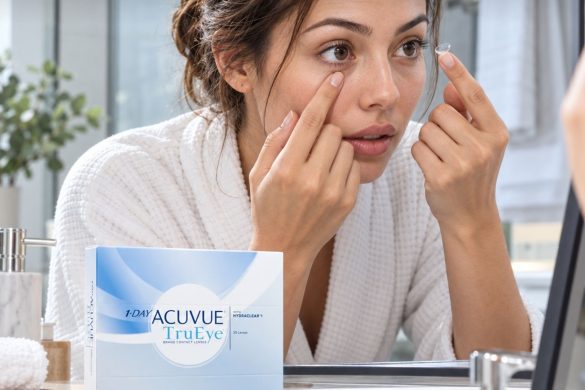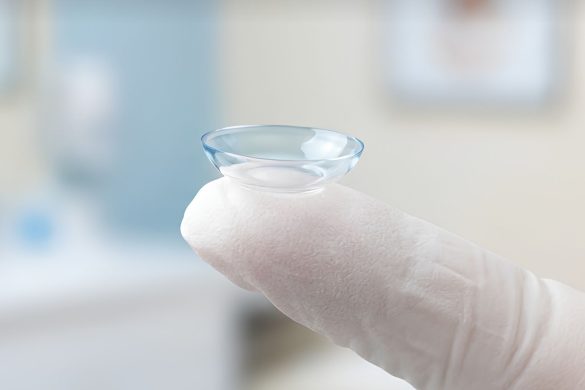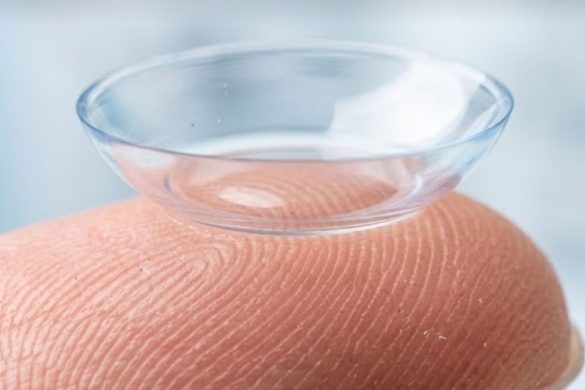
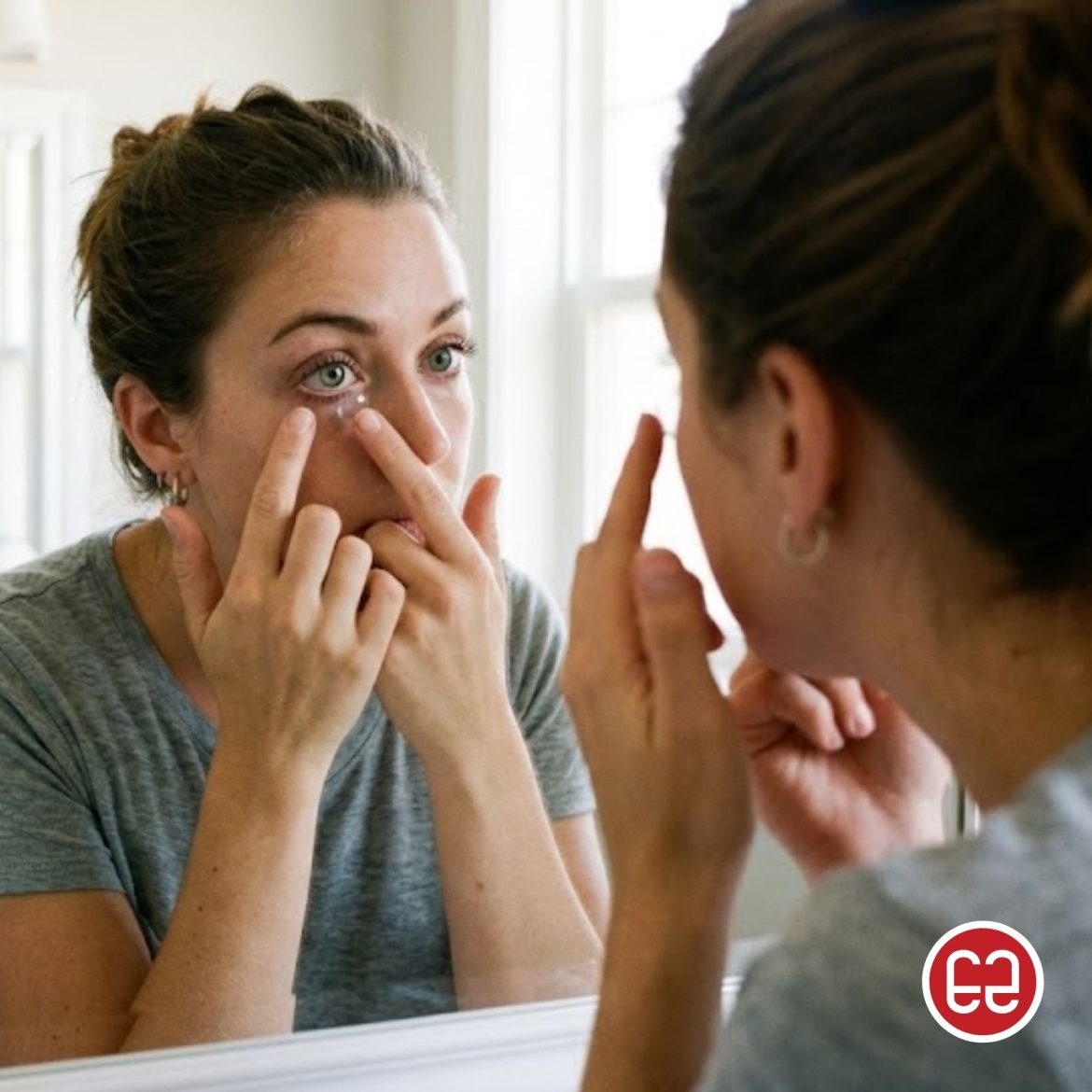
When you put in contacts for the first time, they can feel a bit odd. It takes some time to get used to having an object sitting on your eye!
You may be wondering, how long does it take to get used to contacts exactly? Most people are able to adapt quickly, but it is still a process.
Let’s break it all down.
Questions About Getting Used To Contacts
If you’re wondering how long it will take to get used to contacts, you’re not alone. Over on Reddit, many Redditors have started threads asking about just that.
“I’ve been a glasses wearer for a few years for astigmatism and I just got contacts for the first time a couple days ago and google says your eyes have to adjust to contacts but it’s clearer to just not wear them. The slight blur is driving me insane.“
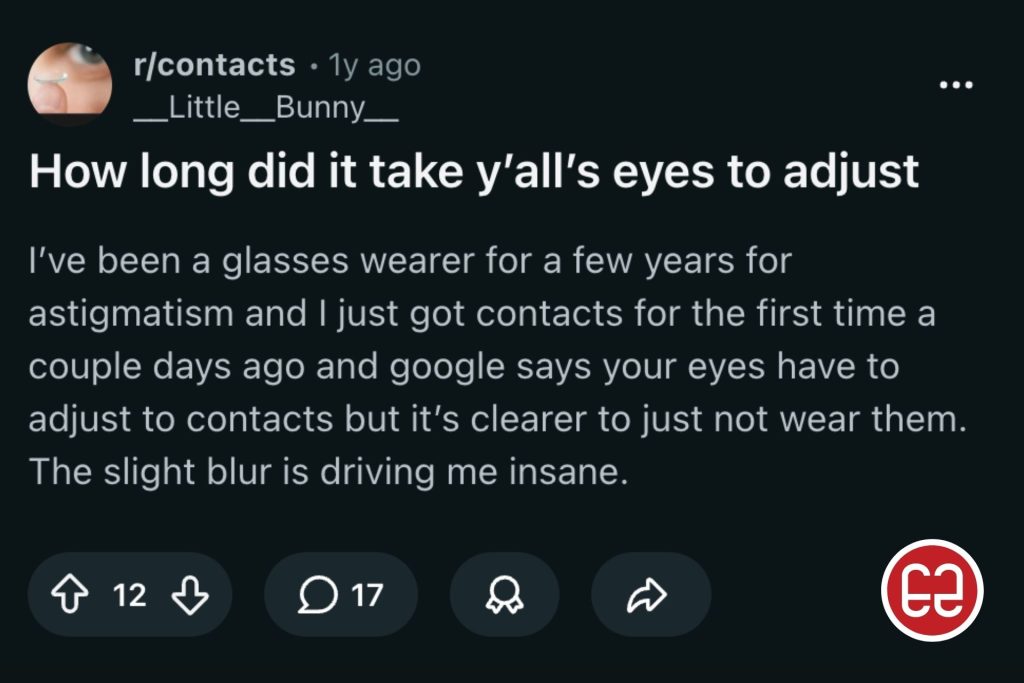
Other Redditors chimed in with their adjustment times. One said two to three days. Another said over a month.
Other Redditors suggested tips to help, including:
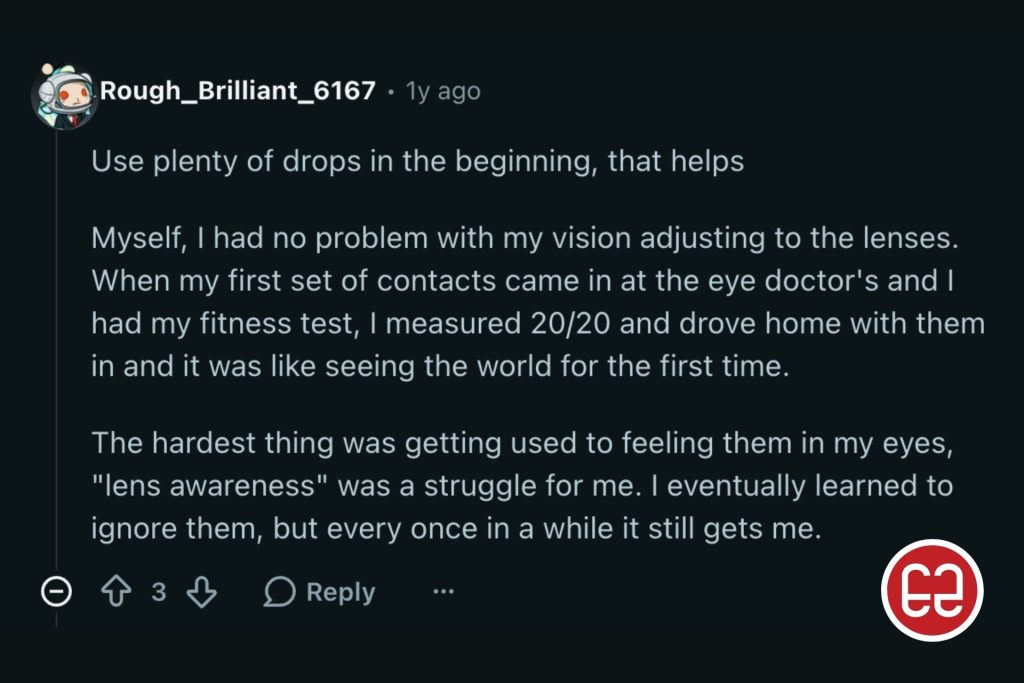
“Use plenty of drops in the beginning, that helps…
The hardest thing was getting used to feeling them in my eyes, ‘lens awareness’ was a struggle for me. I eventually learned to ignore them, but every once in a while it still gets me.”
Another Redditor asked:
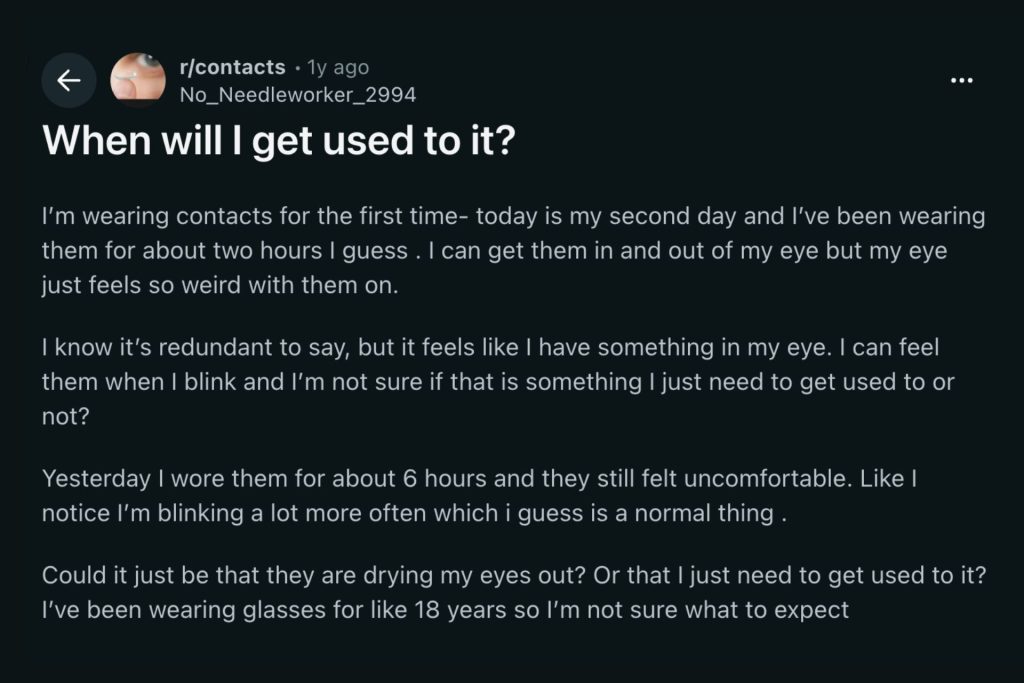
“I’m wearing contacts for the first time- today is my second day and I’ve been wearing them for about two hours I guess . I can get them in and out of my eye but my eye just feels so weird with them on.
I know it’s redundant to say, but it feels like I have something in my eye. I can feel them when I blink and I’m not sure if that is something I just need to get used to or not?“
A Redditor responded:
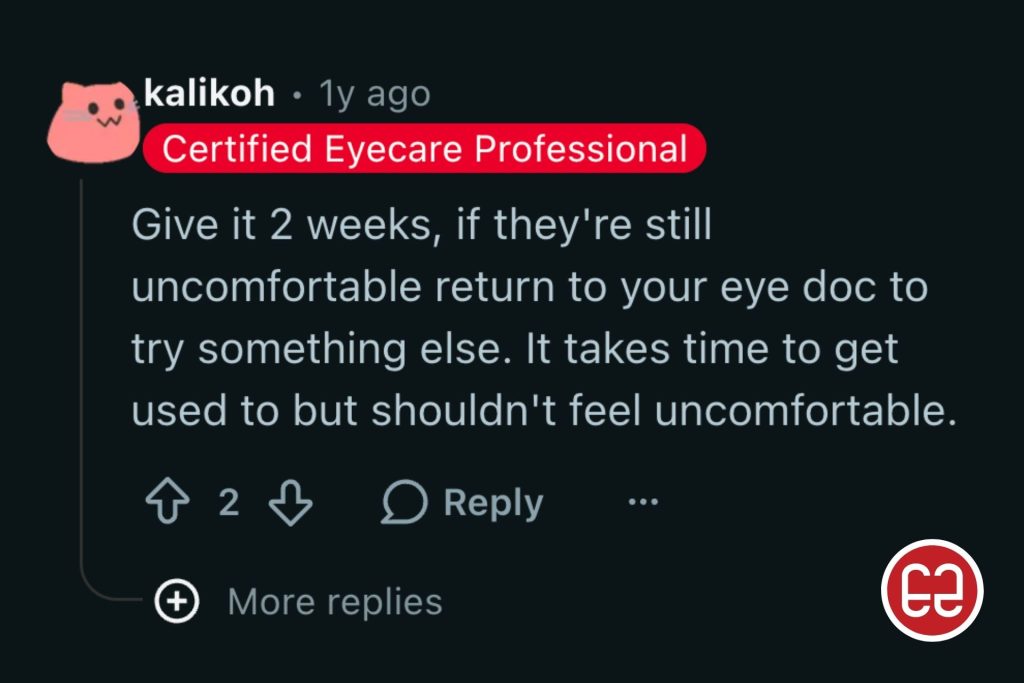
“Give it 2 weeks, if they’re still uncomfortable return to your eye doc to try something else. It takes time to get used to but shouldn’t feel uncomfortable.“
This goes to show that this is a very common issue with new contact lens users. Let’s get into what you need to know!
How Long Does It Take To Get Used To Contacts?
For many people, it takes anywhere from a few days to two weeks to get used to contact lenses.
In those first couple of days, you’ll probably be aware of the lenses most of the time. You may find yourself blinking more, and you could feel like something is in your eye.
While everyone’s experience is different, that awareness typically starts to fade between days three and five.
By the end of the first week, it’s common for that awareness to be almost gone. And by week two, most people say they don’t notice any difference when their contacts are in.
You’ll know you’re getting used to contacts when:
- Your eyes don’t feel dry or uncomfortable.
- Your vision is being corrected to the same standard as when you wear glasses.
- You start forgetting that the lenses are there during the day.
What Does “Getting Used To Contacts” Mean?
There’s a physical side and a visual side to the adjustment process.
Physically, your eyes are reacting to a new material sitting right on top of them. Modern lenses are very thin and designed to be comfortable. However, your eyes still notice the change at first.
Common physical sensations are:
- Slight discomfort when you first put your contacts in.
- Your eyes feel dry or more tired than usual.
- Awareness of the lenses when you blink or move your eyes.
Visually, your brain is adjusting to a different way of seeing. Unlike glasses, which sit in front of your eyes, contact lenses move when your eyes do. This affects how your eyes interpret what they’re seeing, especially around the edges of your vision.
Visually, you might experience:
- Objects may appear slightly bigger/smaller than they really are.
- Your field of vision may feel wider compared to when you wear glasses.
What Can Affect How Long It Takes?
Not everyone adjusts at the same speed. A few factors can influence how long it takes.
Lens type
Daily disposables are designed for immediate comfort. They’re thinner and brand new every day. This tends to help them feel more natural straight away.
Lenses designed for longer wear can take a bit more time to get used to, including weekly, biweekly, or monthly contacts. They need to be durable enough for daily cleaning and repeated handling. Because of that, they’re slightly more rigid. This can make them more noticeable to people just starting with contacts.
Your prescription
Stronger prescriptions or more complex lenses, like multifocals, can take longer for your brain to adjust to. We’ll talk more about these more complicated lenses next.
Dry eyes
If your eyes are prone to dryness, lenses may feel less comfortable at first. A stable tear film helps the lens sit smoothly on your eye.
If your eyes are already drier than average, the lens may feel more noticeable. This is especially true after a few hours of wear.
Wear time
It’s not recommended to jump straight into all-day wear when you’re a beginner. This can exacerbate any initial feelings of discomfort.
Which Lenses Take Longer To Get Used To?
Multifocal and toric lenses take longer for either your eyes or your brain to adjust to.
Toric lenses
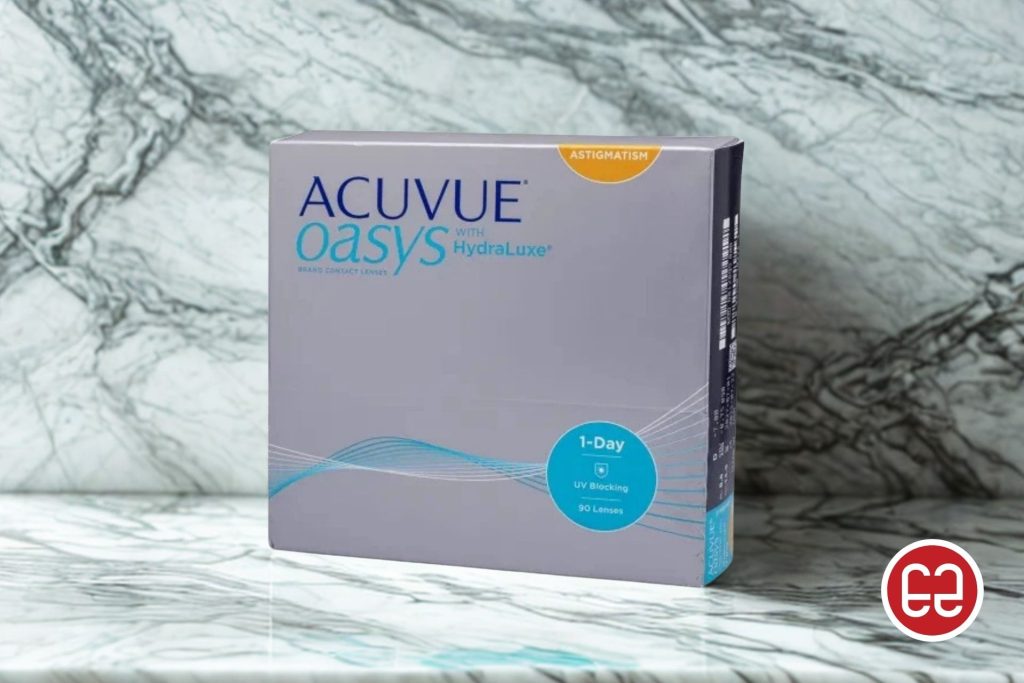
Toric lenses are designed to correct astigmatism, and they must sit in a specific position on your eye.
Because of this, you might notice your vision briefly going in and out of focus as the lens slightly rotates before settling into the correct position when you blink. Once it lines up properly, your vision will focus again.
As your eyes get used to the lenses, this becomes less noticeable. Most people get used to toric lenses within two weeks.
Multifocal lenses
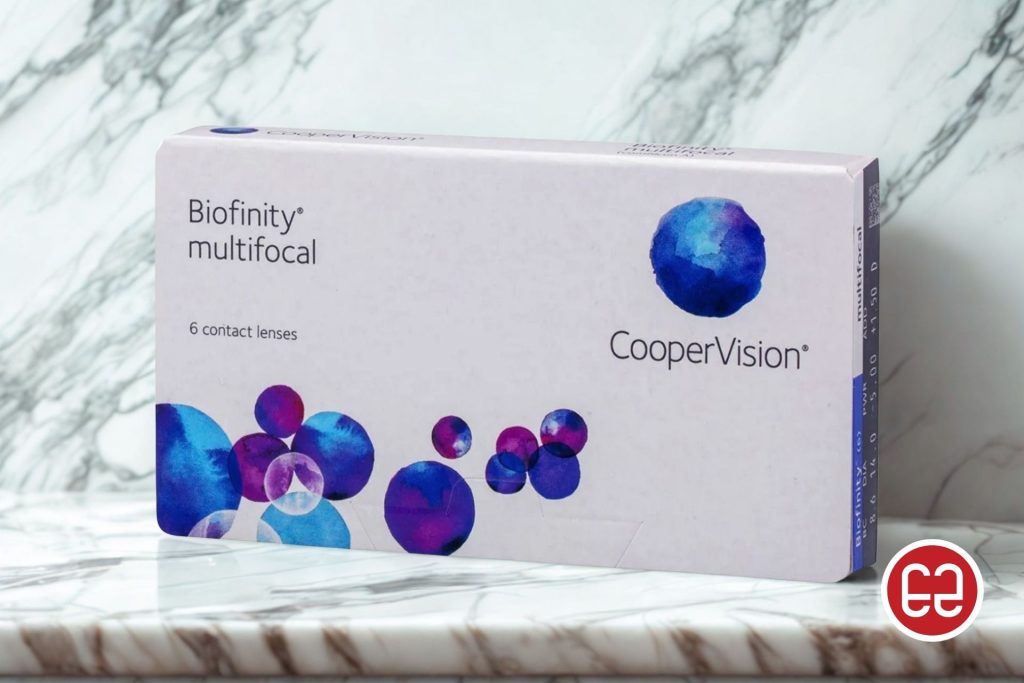
Multifocal lenses are prescribed to people who need help with both near and distance vision. They often take longer to get used to than standard lenses because of their design.
Instead of containing just one prescription, they use separate zones for near, intermediate, and distance vision. When you first start wearing the contacts, you might notice some blur when you shift from one distance to another.
With time, your brain learns which part of the lens to use according to what you’re looking at. It takes most people around two weeks to get used to multifocals, but it can take up to six weeks for some.
Tips to Help Your Eyes Adjust More Quickly

There’s no way to skip the adjustment period. But here are a few tips to make it easier.
- Start by wearing your contacts for a few hours at a time, then build up the wear over several days.
- Make sure you’re following the proper cleaning routine if you’re using reusable lenses. If you don’t, you’ll notice irritation pretty quickly.
- This might be easier said than done, but try to blink normally and not focus on the sensation of the lens. The more you think about it, the more you’ll notice them.
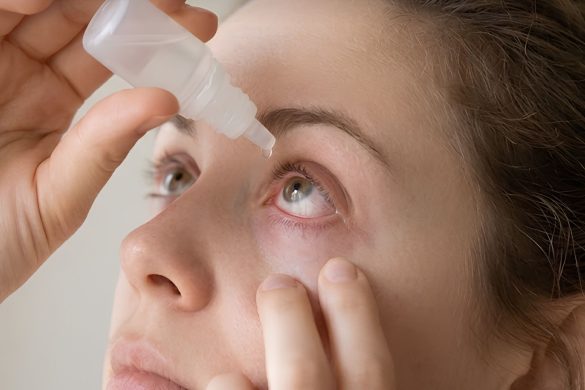
- If your eyes feel dry, lubricating drops for contact lenses can help.
What Shouldn’t Happen
Mild discomfort in the beginning is normal, but pain is not.
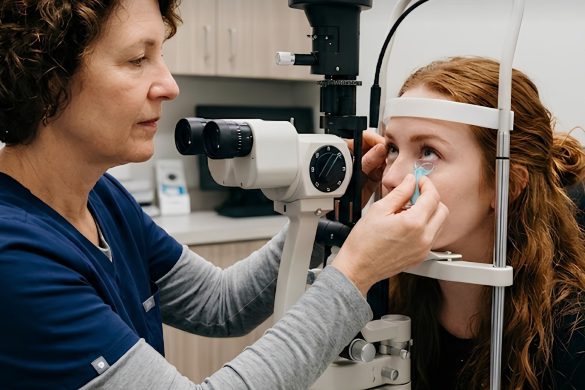
You should remove your lenses and speak to your eye doctor if you notice persistent pain, redness, or blurry vision. These can be signs that something isn’t right with the fit of the lenses or that the prescription is wrong.
TL;DR
- It usually takes between a few days and two weeks to get used to contacts. Your eyes and brain both need time to adjust to the contacts.
- Daily lenses are usually easier to get used to (in the beginning) than reusable lenses.
- Mild discomfort at the start is normal, but pain isn’t. See your doctor if you experience any symptoms that worry you.
- It’s best to start wearing your contacts for a few hours a day at first. Then you can gradually increase wear time to make the adjustment period easier on your eyes.