mascara eyes

Loading

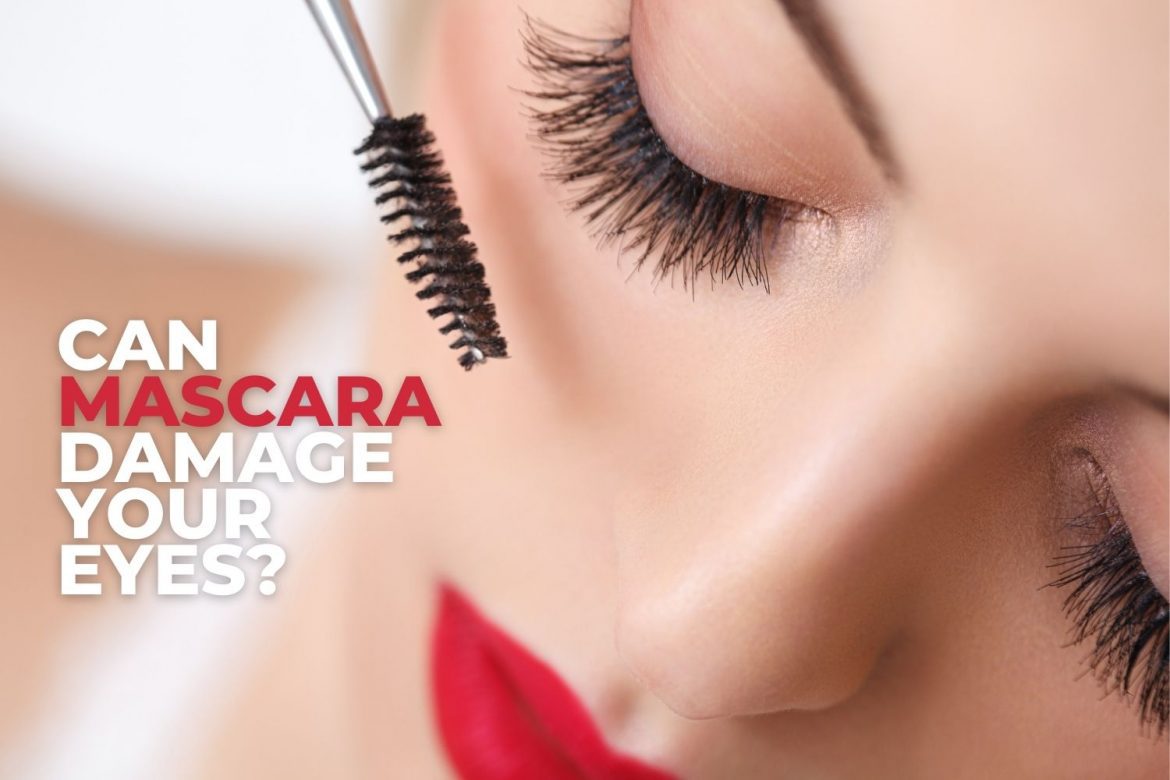
When you put on makeup and apply facial cleansers, moisturizers, and sunscreen, have you ever thought about the effects the cosmetics can have on your eyes?

Using cosmetics such as these around your eyes can result in unpleasant consequences including allergy, infection, injury, and vision loss. You need to consider the ingredients in the product and its use-by date. Let’s examine some of the risks and tips for avoiding them.

FacebookTwitterPinterestEmail
early signs of glaucoma

Loading

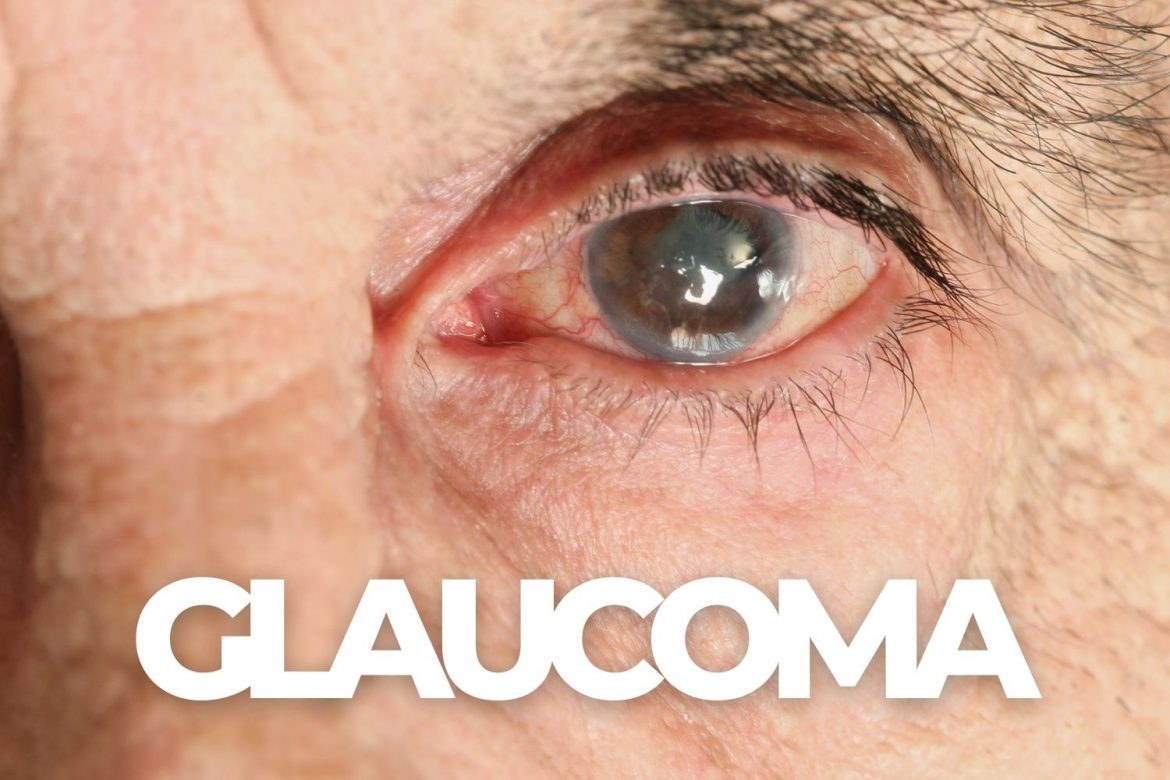
When it comes to eye health, one of the most commonly searched questions on the web is, “What is the first sign of glaucoma?” Other people may ask the internet what glaucoma symptoms are.

Glaucoma, unlike most diseases and conditions of the eye, is actually a group of diseases that gradually cause pressure to build in the eye. Over time, this increase in pressure affects the optic nerve and can result in permanent vision loss.  Glaucoma is also the leading cause of blindness in adults.

Unfortunately, the onset of vision loss resulting from glaucoma is often so gradual that the condition is not diagnosed until detected during an eye exam or until irreversible damage has already occurred.

According to recent estimates, more than 3 million people over the age of 40 in the United States are currently living with glaucoma. Because the condition is often asymptomatic, most people are not aware they have the disease.  

While there’s no cure for the condition, there are several effective treatment options to slow or prevent vision loss—if the first signs of glaucoma are discovered early.

FacebookTwitterPinterestEmail
photic sneeze reflex

Loading

In his Book of Problems, Aristotle asked, “Why is it that one sneezes more after one has looked at the sun?” It’s known as the photic sneeze reflex!

The phenomenon largely remains a mystery. The scientific name for a photic sneeze reflex is Autosomal-dominant Compelling Helio-Ophthalmic Outburst syndrome. Quite a mouthful that is rather aptly shortened to ACHOO syndrome!

FacebookTwitterPinterestEmail
Color blindness CVD

Loading

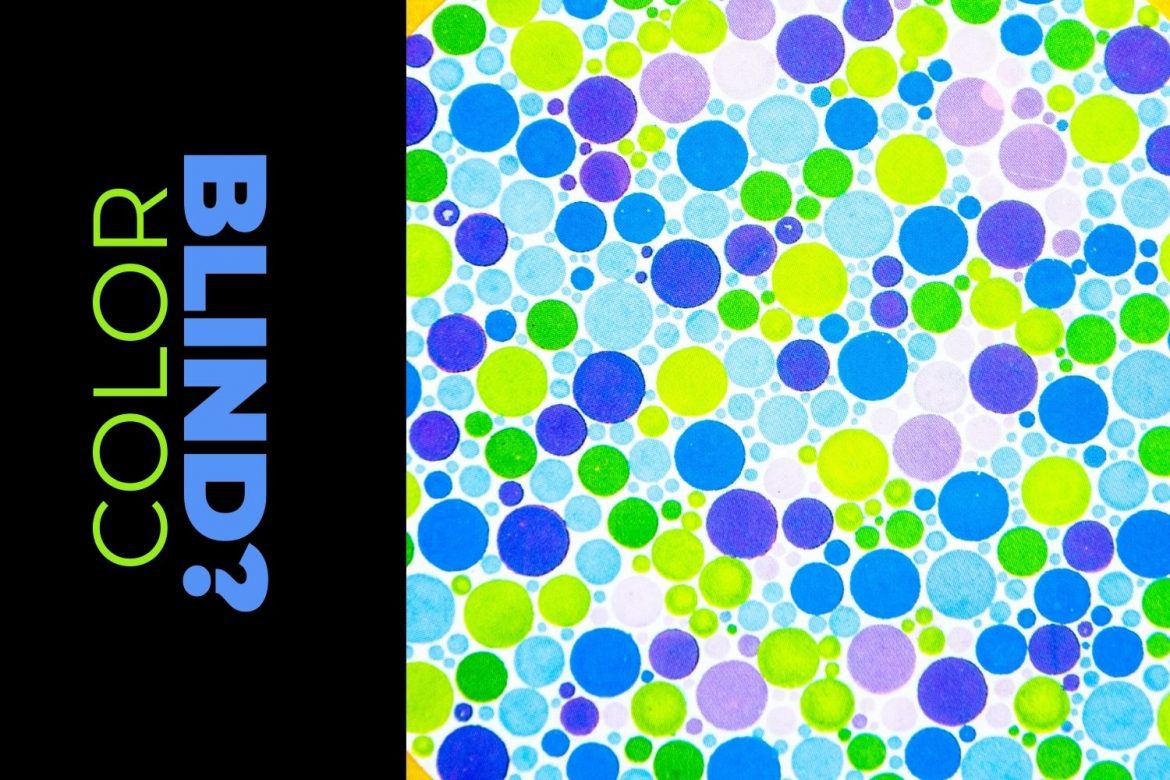
What does it mean to be color blind? It’s a question many people ask. “Color blind” doesn’t necessarily mean you only see shades of gray. In fact, it is extremely rare to be truly color blind (that is, you see only black and white).

For this reason, “color vision deficiency” (CVD) is a more accurate term. To have CVC means colors are visible but in different shades and intensities than normal.

It’s estimated that around 300 million people worldwide suffer from CVD (approximately 8% of men and 0.5% of women). If you’re ready to learn more, our guide will provide the answer to what does it mean to be color blind and many more questions about this condition!

FacebookTwitterPinterestEmail