Are you tired of fumbling around for your glasses or contact lens case in the morning? Do you ever wish you could wake up and just instantly… see?
Well, you can, by trying extended-wear contacts!
But wait. Extended-wear contacts are not for everybody. In fact, there’s a lot you should know about these lenses before you decide if they’re right for you.
What Are Extended-Wear Contacts?
Extended-wear contacts are FDA-approved for continuous wear, including while you sleep.
Depending on the lenses and your prescription, you can use extended-wear contacts continuously for several nights, all the way up to 30 days. They differ from daily contacts, which are inserted in the morning and removed before bed.
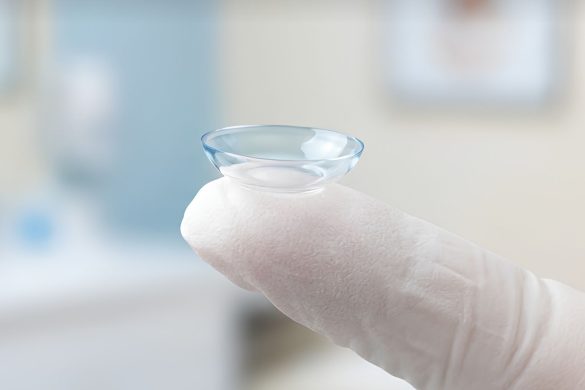
This is all possible because of the material used in extended-wear contacts. Most are made from silicone hydrogel, a material that is significantly more oxygen-permeable than what’s used in traditional soft lenses. Basically, they’re designed to let your eyes breathe, even as you sleep.
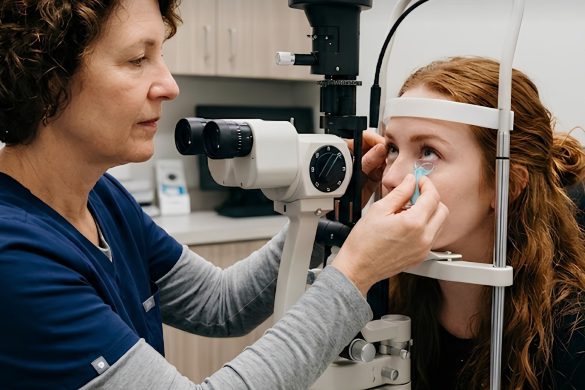
Important: Always consult your eye doctor before making the switch to extended-wear. You must have a prescription for extended-wear contacts, and you should never sleep with your dailies in!
The Historical Rise and Fall of Extended-Wear Contacts
If you’ve been wearing contacts for years but haven’t been offered an overnight option, we probably know why. You see, extended-wear contacts are not a new concept. They were popularized in the ‘70s and ‘80s with the advent of soft lenses. Before that, contacts were made with rigid plastic and glass.
The idea of extended-wear lenses felt revolutionary, and it quickly gained traction with consumers. Unfortunately, this excitement did not last long. The technology back then simply wasn’t ready.
These early extended-wear lenses were made from traditional hydrogel, which didn’t allow enough oxygen to reach the eyes during sleep. It led to a spate of corneal swelling and infections. This caused many eye doctors to stop recommending extended-wear contacts altogether.
For many years, there was a hard and fast rule among both doctors and contact-wearers: never sleep with your contacts in.
Even today, many people are unaware of the advancements that have been made in extended-wear lenses and still believe contacts can’t be worn at night under any circumstances.
The Technology Behind the New Era of Contacts
The complications that resulted from more primitive extended-wear lenses left a lasting impression on contact-wearers. But the science behind modern lenses has undergone some momentous changes.
The silicone hydrogel revolution
The biggest breakthrough was undeniably the shift from traditional hydrogel to silicone hydrogel. It might not sound like anything drastic, but it completely changed the way lenses interact with the eye.
Older lenses acted as a barrier to oxygen reaching the eye. But silicone hydrogel behaves more like a screen, allowing up to five times more oxygen to reach the cornea. For the majority of patients, this scientific advancement eradicated the issues that caused contact-wearers so many problems back in the ‘80s.
Advances in surface hydration
A more recent improvement to extended-wear contacts is to do with how the lens surface stays wet. In the past, lenses could become “gritty” after a few days because they would lose moisture or collect protein deposits from your tears.
Today, manufacturers use biomimetic surfaces and water gradient technology. This mimics the natural chemistry of the eye, meaning the lens stays hydrated for the duration of the wear cycle.
Innovations for screen time
Advancements to extended-wear contacts are ongoing. Very recently, some manufacturers have incorporated technology to help address the problems that can be caused by staring at digital screens for too long.
When we look at screens, the rate at which we blink decreases. This results in dry eyes. Some modern contacts include moisture-locking agents that prevent the lens from drying out, even after several hours of screen time.
The Perks of Extended-Wear Contacts
While daily disposables might be the standard for many, there are numerous benefits to extended-wear contacts.
- The “wake up and go” convenience: The biggest pro of extended-wear contacts has got to be the sheer convenience. Whether you’re at a music festival, a camping trip, or an impromptu sleepover, you don’t even need to think about saline solution or finding a place to clean your hands. What a relief!
- Perfect for always-on-the-go professionals: For people who work long hours (nurses, doctors, first responders, security, etc.), that 16-hour wear limit sometimes just isn’t enough. Extended-wear contacts mean you don’t have to worry about swapping your lenses on shift.
- If there’s an emergency, you’re ready: There’s a real safety advantage to having corrected vision at all times. If you ever need to get up and go or react quickly in the middle of the night, you have one less thing to worry about.
The Downsides: What to Keep an “Eye” On
Extended-wear contacts offer the ultimate convenience, but they aren’t without their risks.
- Increased risk of infection: Because the lens stays on longer, the potential for trapped bacteria or debris is increased. This is why you should do a quick check of your contacts every day.
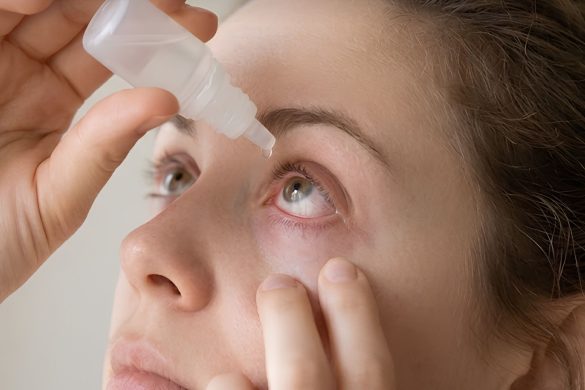
- Dryness and discomfort: Extended-wear contacts have high oxygen-permeability, but some wearers still report a dry or “gritty” feeling after a few days of use. Air conditioning or long hours of screen time can accelerate this. If it does happen, remove your lenses immediately and use your glasses to give your eyes a rest.
- “Gunk:” Natural lipids and proteins from your tears can gradually build up on the surface of the lenses over time. This isn’t usually a big issue, but it can make your vision appear slightly cloudy until you give the lenses a quick rinse.
Our Top Recommendations for Extended-Wear Contacts
If your doctor has given you the go-ahead for extended-wear contacts, below you’ll find some of the best options available right here at EZContacts.
It’s worth mentioning just how versatile these lenses are. While they’re cleared for extended, overnight use, they also function perfectly as standard daily-wear lenses. This means you can remove and store them in solution overnight if you prefer a hybrid routine.
AIR OPTIX Night & Day Aqua
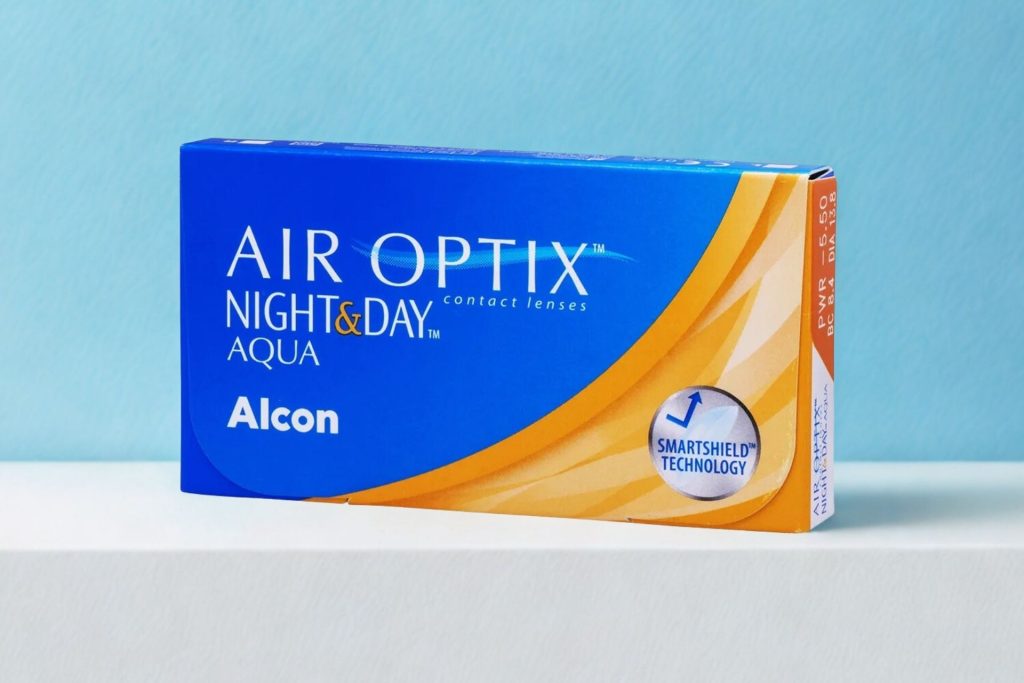
The AIR OPTIX Night & Day Aqua contacts are the gold standard for continuous wear. They’re FDA-approved for up to 30 nights and use SmartShield technology to help resist build-up, keeping your eyes feeling fresh even on day 29.
Biofinity by CooperVision
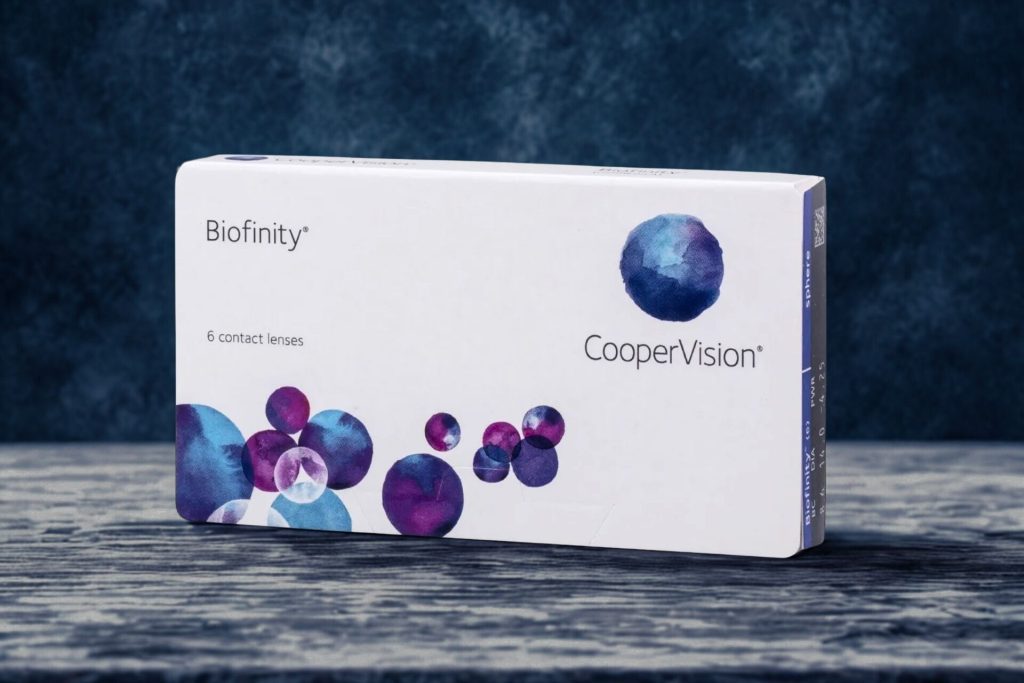
Often picked for comfort, Biofinity lenses use Aquaform Technology to keep the lens naturally moist. They’re approved for up to six nights and seven days of use. Biofinity is the perfect choice if you’re new to extended-wear contacts.
Bausch + Lomb ULTRA
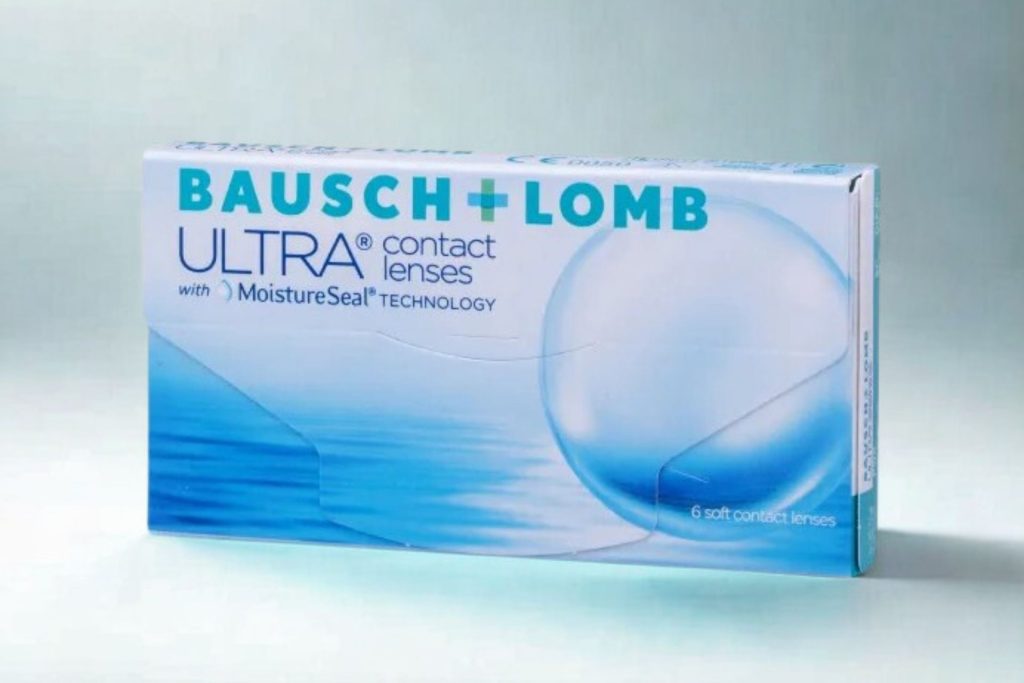
If you spend a lot of time looking at screens (don’t we all?), the ULTRA lenses might be for you. The MoistureSeal technology means they maintain 95% of their moisture for a full 16 hours, and they still remain comfortable for the entire seven days they’re approved to wear.
The Final Verdict on Modern Extended-Wear Contacts
The move from the restrictive lenses of the past to the innovative contacts of today has made 24/7 corrected vision a reality for many. However, the most important ingredient to a good experience isn’t always the lens, but how the lenses fit you and your lifestyle.
Convenience should never come before the health of your eyes. It’s crucial you work closely with your eye doctor to find the right wear-schedule for your individual needs. By prioritizing the professional advice of your doctor with modern high-performing lenses, you can enjoy round-the-clock corrected vision and long-term ocular health.
TL;DR
- Extended wear contacts are lenses made of silicone hydrogel that allow high oxygen flow. And so, you’re able to keep them in continuously for several days, even when you sleep.
- The pros include total convenience, 24/7 corrected vision, and being great for travel or hectic schedules.
- The cons are a higher risk of infection if you don’t take precautions, reported discomfort after prolonged use for a small proportion of wearers, and a higher chance of buildup.
- Our top picks include Air Optix Night & Day Aqua (30 days), Biofinity by CooperVision (7 days), and Bausch + Lomb ULTRA (7 days).