

Are you worried your glasses’ lenses look too thick? Don’t fret; it’s not unusual to have thick lenses.
Thick glasses lenses are common with strong prescriptions. Higher prescriptions naturally create more lens curvature, which leads to thickness.
To better understand what this means, we’ll dive into thick glasses lenses, who needs them, and the frames that help them look and feel their best. Let’s get into it!
Who Needs Thick Glasses?
Typically, those with high myopia (nearsightedness), high hyperopia (farsightedness), or astigmatism require thicker glasses lenses.
- High myopia is generally defined as a refractive error of -6.00 diopters or higher. Glasses for nearsightedness are thicker around the edges.
- High hyperopia is generally defined as a refractive error of +5.00 diopters or higher. Glasses for farsightedness are thicker in the center.
- Those with severe astigmatism typically have a high cylinder (CYL) number. Because astigmatism comes from an uneven curvature of the eye, lenses to correct astigmatism also typically have uneven thickness.
As someone with high myopia and astigmatism, I found myself insecure with the way lenses looked on me, until I realized it wasn’t unusual to have thicker lenses.
Why Do Strong Prescriptions Make Lenses Thicker?
Eyeglasses use curved lenses to bend light, and they then adjust the light’s focus to land directly on the retina.
Convex (plus) lenses are thicker in the center to bend light together to correct farsightedness. However, concave (minus) lenses are thinner in the center to spread light rays apart to correct nearsightedness.
So stronger prescriptions require more curvature, and more curvature requires more material. More material, therefore, equates to thicker lenses!
Best Frames for Thick Lenses
Trying to choose some new glasses? For thick lenses, here are five frames to consider.
Small Frames
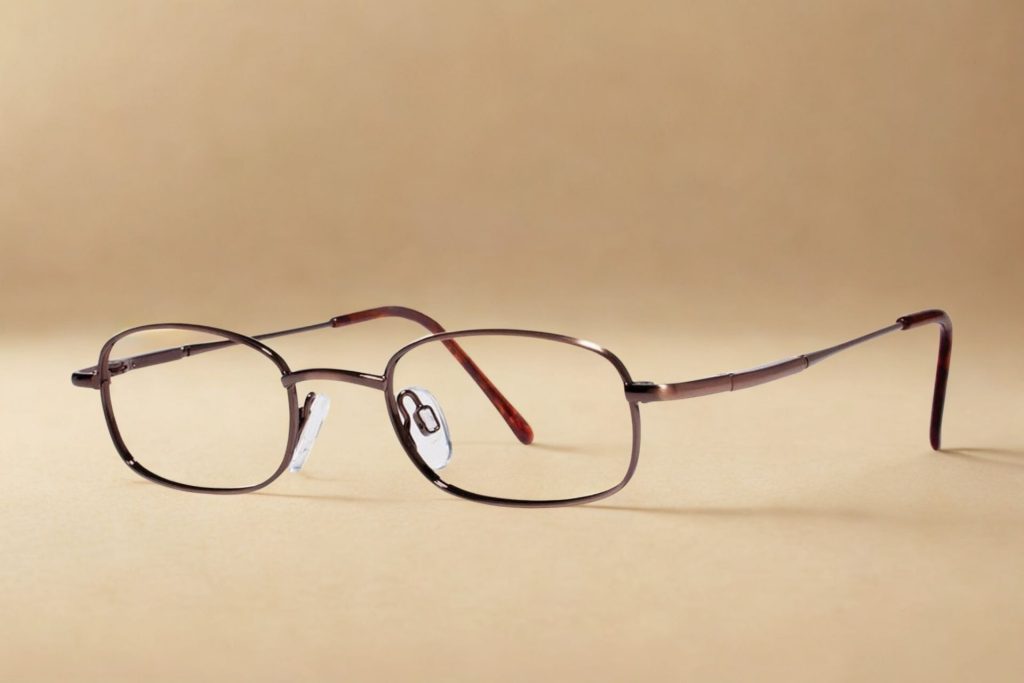
Small frames with a lens width of around 40 to 50mm are a good choice for high prescription lenses. They’ll help reduce lens thickness, and the lenses will weigh less.
Just take a look at this Antique Brown Wiliwili GERANIUM, for instance. Since the frames are small, they’ll make thick lenses look less bulky.
Rounded Frames
Rounded edges distribute thickness more evenly. Since there are no sharp corners, the lenses can be cut with a more uniform and consistent edge thickness all around.
Let me walk you through two excellent options to try.
The Ray-Ban RX3447V is one of the most forgiving round frames for thick lenses. Its slightly thicker metal rim helps conceal lens edges better. The consistent circular shape also prevents uneven thickness, which can happen with more angular frames.
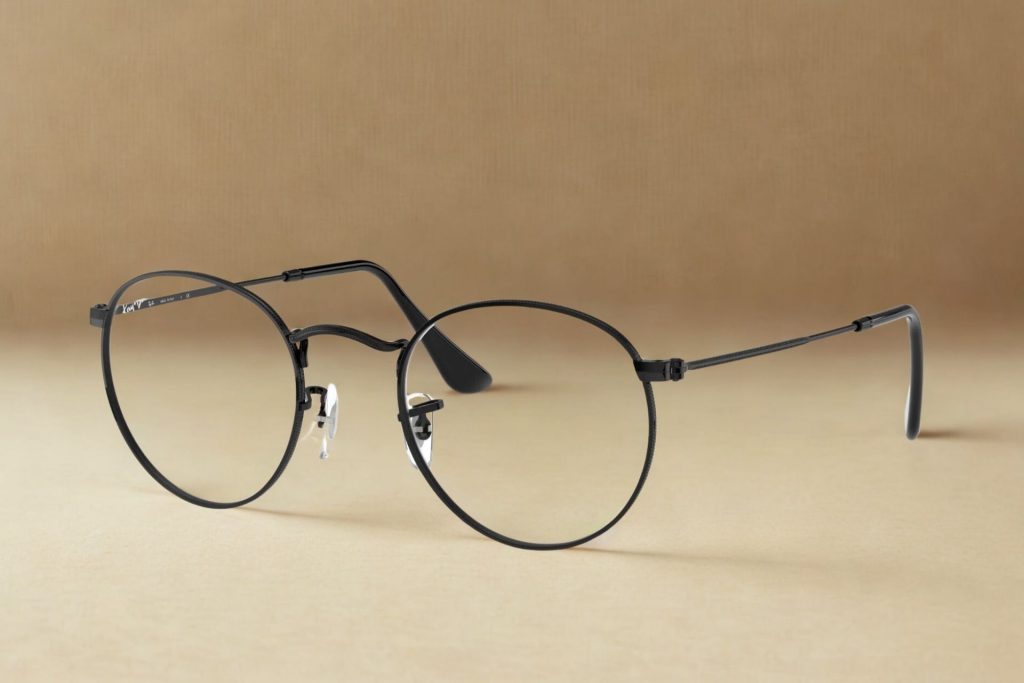
The Wiliwili MONARDA is one of my favorite picks if you want something modern but still subtle. The bold, darker colors, especially black or gunmetal, help mask lens thickness even more.
The frame physically hides the lens edge, making a huge visual difference. Even if your lenses are on the thicker side, the bold rim absorbs that thickness instead of exposing it.
Thick Acetate Frames
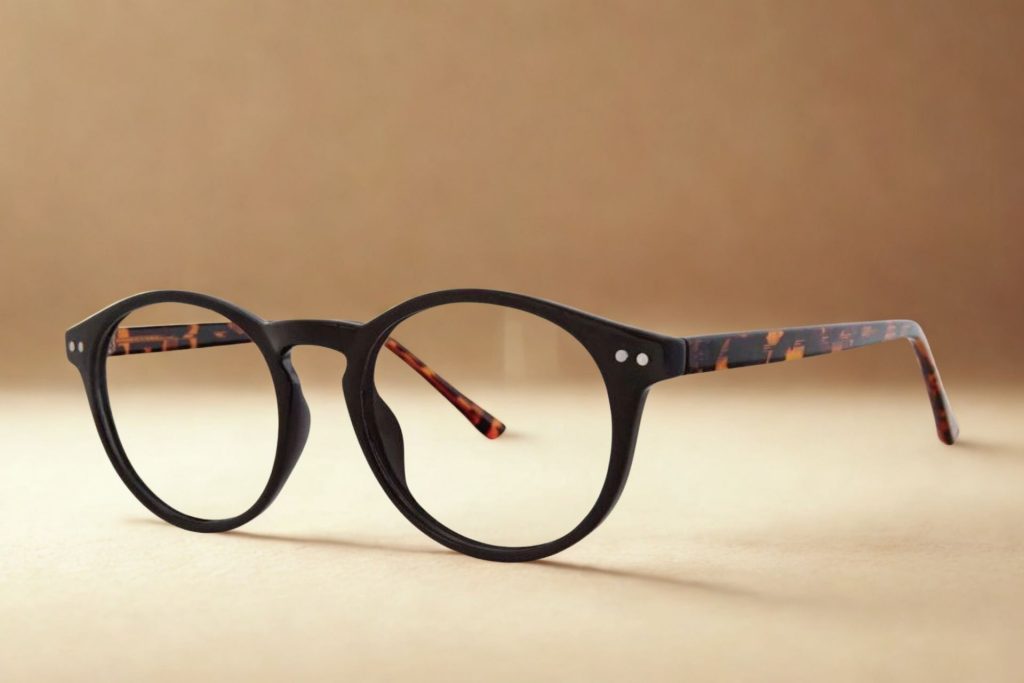
Thick acetate or plastic frames are a good choice if your prescription is high. They create a smooth transition between frame and lens, so nothing looks exaggerated.
Pick colors along the lines of black, tortoise, and deep brown to add a more seamless look. Dark and opaque frames hide lens edges better than translucent frames!
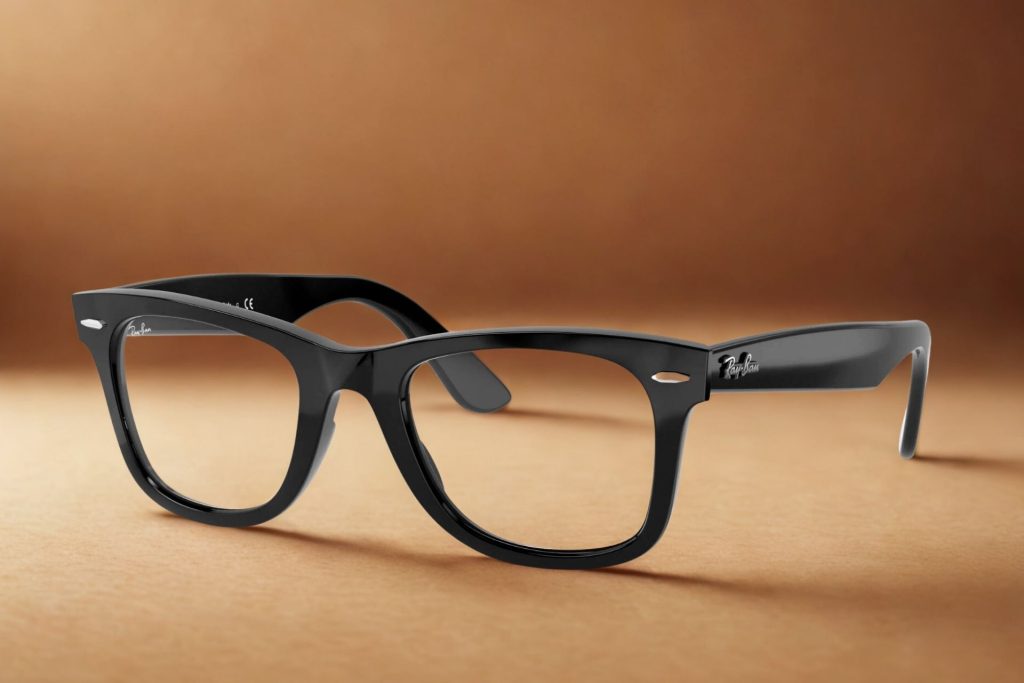
The RX4340V features the classic appeal of the Wayfarer design with the modern twist of color-changing frames. With thick acetate frames and a compact lens shape, it’s excellent at hiding edge thickness.
It’s also simply a fashionable option for thick glasses lenses! Verified EZContacts customer Robert S. enthusiastically writes:
“Great value frames!! Great frames for a fantastic price!!”
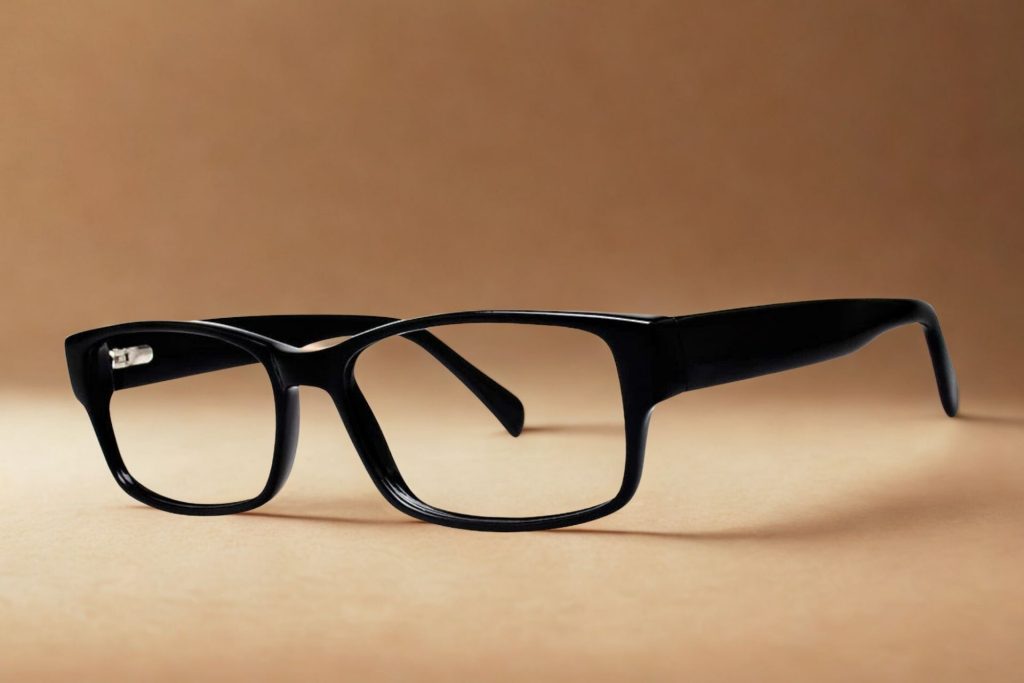
The XYLOBIUM is budget-friendly compared to other options on the market. The glasses’ full-rim plastic construction and simple black design hide lens edges well.
EZContacts customer Brandy C. calls it a great pair of glasses:
“Fit is great. Frames are sturdy and look nice. I would buy again!”
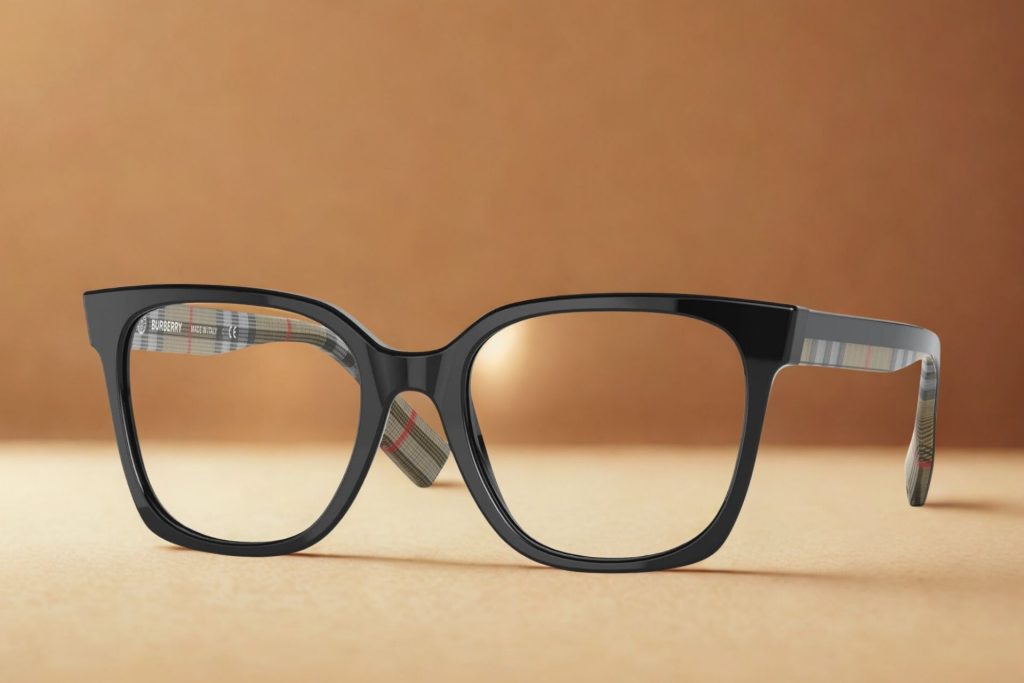
The BE2347 is balanced and feminine. These glasses offer a thick-rimmed frame and an opaque colorway, which disguises thick lenses. Featuring a balanced shape, it works well for stronger prescriptions.
On EZContacts, Andrea D. says:
“This was my first time purchasing prescription glasses and it exceeded my expectations. Great quality, prices were way more affordable than typical vision centers and shipping wasn’t bad at all. The perfect stylish and oversized glasses!”
Cat-Eye Frames
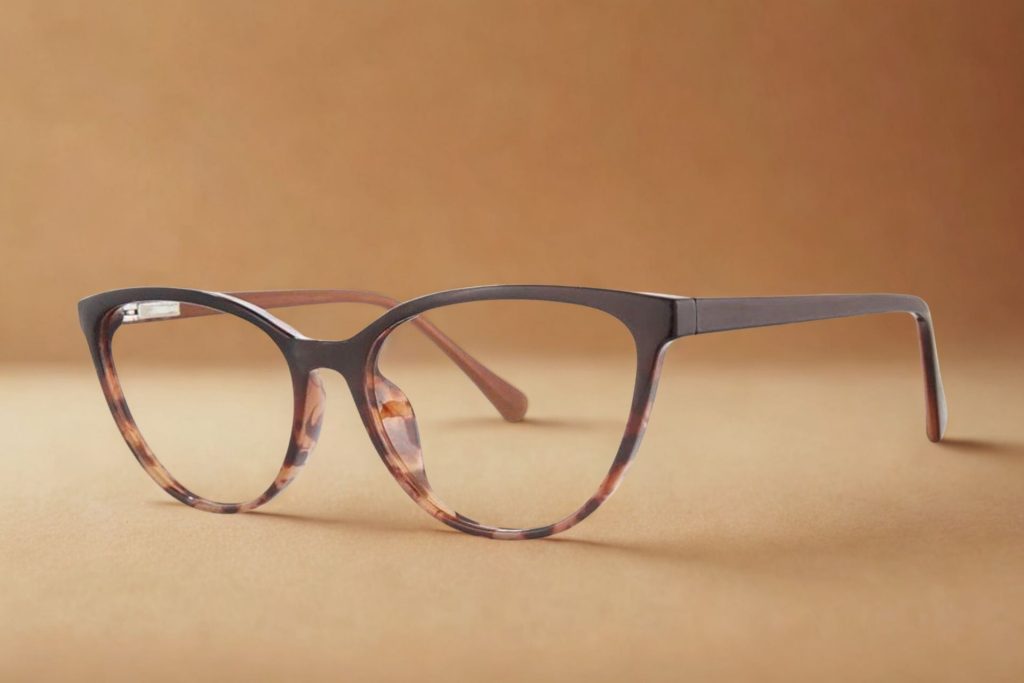
Cat-eye styled frames are characteristically thicker at the outer corners. Not only are they stylish, but they also disguise lens thickness! Here are two of my top go-to recommendations.
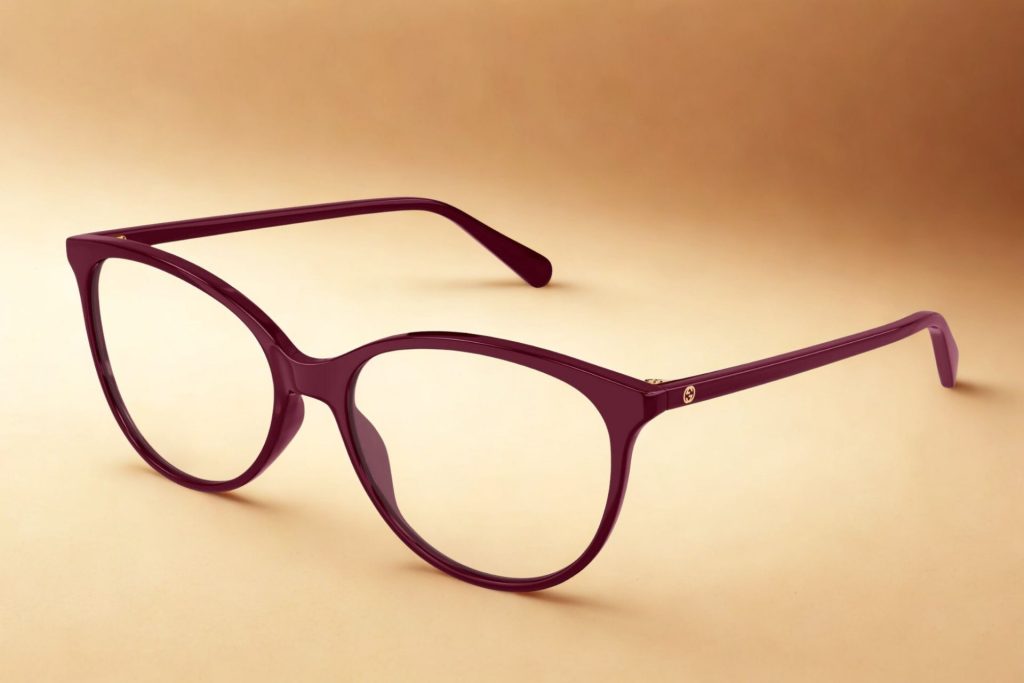
Sleek and classy, this Gucci pair is something you can never really go wrong with, especially if you want that “sexy librarian” look while not having to do much at all.
I also love me some burgundy. So if you’re looking for something a little more elevated than your usual classic black, then you’ll enjoy this pair.
Tortoiseshell is a timeless and versatile pattern. If you want glasses that are in style, try this brown tortoise Wiliwili TWINSPUR pair.
When It’s Time to Rethink Your Frame
If your glasses feel extremely heavy or look bulky, frame size may be the problem, not the prescription.
Go for a smaller frame width and seek out frames that sit just inside your temples rather than extending past them.
Keep the attention on your features and not the glasses. Wear your accessories; don’t let them wear you. This can be achieved by switching from oversized to compact frames.
Don’t let thick glasses intimidate you! The nature of your prescription is not a hindrance to style with the right-fitting frame.
TL;DR
- Thick lenses are normal for strong prescriptions like high myopia, hyperopia, or astigmatism. It’s a result of lens curvature.
- Nearsighted lenses are thicker at the edges. Farsighted lenses are thicker at the center. Astigmatism can create uneven thickness.
- Smaller frames help reduce visible thickness because they use less lens surface area.
- Rounded frames distribute thickness evenly, making lenses look more balanced and less bulky.
- Thick acetate frames hide lens edges well, especially in dark colors like black, tortoise, or deep brown.
- Cat-eye frames help disguise thickness by adding structure and drawing attention to the frame shape.
- Avoid oversized frames, which can make thick lenses appear heavier and more noticeable.
- Compact, well-proportioned frames improve comfort and reduce the visual impact of thick lenses.

