A few decades ago, colored contacts were gimmicky and saved for Halloween and TV shows. They didn’t look great; the colors appeared too bold and fake.
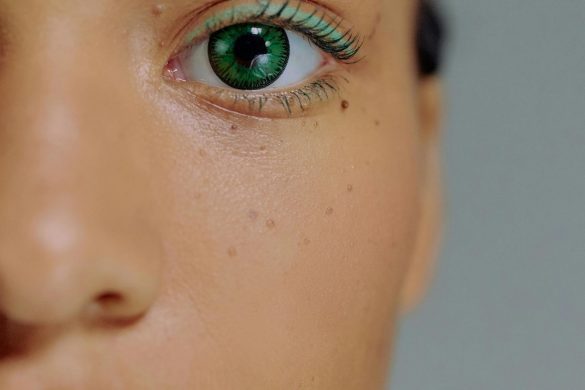
Fast forward to today, and corrective colored contacts have come a long way. They’re more natural-looking than ever before, while providing increased comfort and breathability.
So how did they improve, and which brands are the best reviewed?
The History of Colored Contacts
The first colored contact lens prototypes appeared in the late 1800s. These early lenses were hand-painted glass lenses, and they were used by actors on stage. They helped actors transform into different characters.
In the 1930s, MGM makeup artists worked with ophthalmologists to create the first colored contact lenses to change actors’ eye color on screen. The contacts they used were made of polymethyl methacrylate, which is a rigid, hard plastic material. They were a far cry from the comfortable lenses we know today.
The Design Evolved Fast
Once hydrogel contact lenses were invented, the game changed. Corrective colored contacts became more comfortable, affordable, and wearable for regular people.
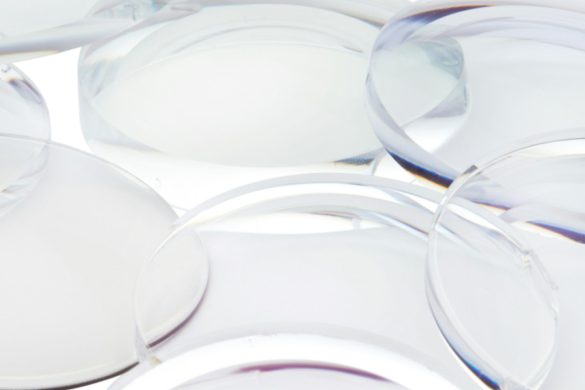
Nowadays, they’re more breathable, as oxygen can easily permeate the lens and reach the cornea. They’re also much softer and more flexible than the super-rigid models of the past.
Popularization of Colored Contacts
New and improved designs helped colored contacts become corrective and ideal for people with a range of conditions, including astigmatism. The shifting of colored contacts from a theatrical tool to a medical device meant that they appealed to more people.
While they’re still chosen by people to have fun with their image and enhance their eyes, they’re now comfortable enough to wear daily and not just on occasions. The appeal is that you can change your eye color from day to day and express yourself how you want to!
Increased Safety
Corrective color contacts are both cosmetic and medical devices. Modern encapsulation technology ensures the colored pigments stay within the lens. This helps reduce the risk of irritation.
The Resurgence in Pop Culture
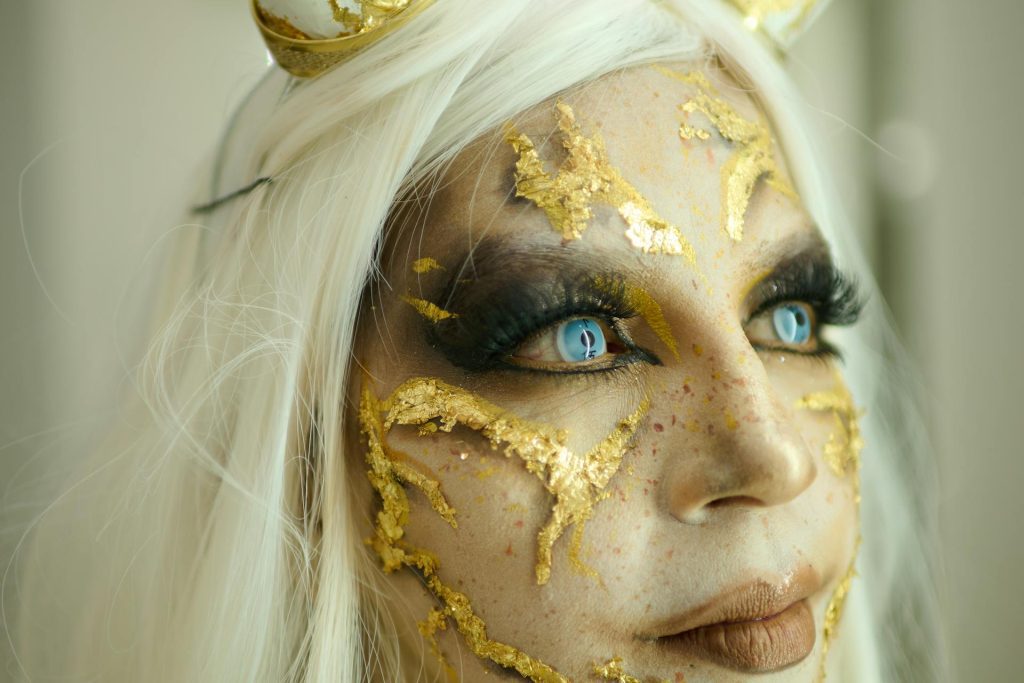
In recent years, cosplaying has boomed, with Comic-Con and thousands of smaller events around the world that celebrate being a character for a day.
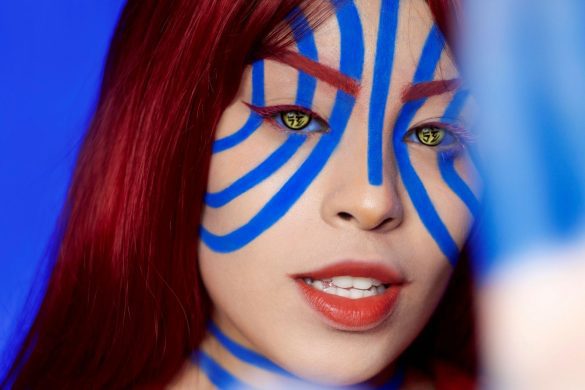
There’s also the rise of Harajuku fashion. This trend comes from Japan and features fun, almost theatrical outfits, with make-up and colored lenses as a big part.
Then there are general fashion trends, and the rise of people wanting to express their individuality. Colored contacts are a fun way to change up your look and try something new.
Celebrity and Movie Trends
Some celebrities have been known to switch up their eye color on red carpets depending on their mood and hair color. This includes Tyra Banks, Angelina Jolie, and Jennifer Aniston.
For example, Jennifer has worn blue contacts throughout her career to complement her blonde locks. Angelina and Tyra have confessed to wearing green colored contacts at times to enhance their natural eyes.
The Y2K explosion of vampire movies and fan fiction led to a resurgence of colored contacts in fun and varied ways. Amber, hazel, and even red contacts became part of the broader appeal.
Are Corrective Colored Contacts Regulated?
Regulations on colored lenses vary by country. In the U.S., colored contacts are considered a medical device, and you need a prescription to buy them. This is the case even if the contacts are purely cosmetic and non-corrective.
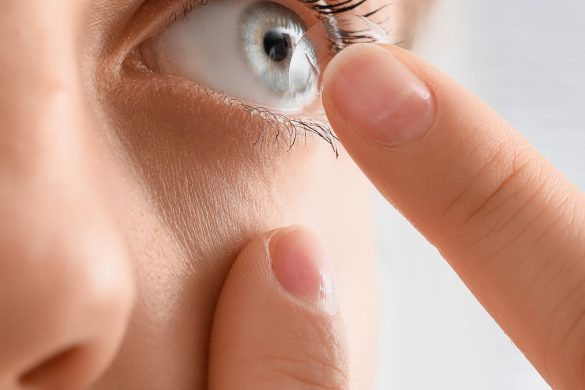
You’ll need to get an eye exam from a doctor before you buy your colored contacts. Your eye doctor will help you choose colored contacts that help your eye condition, fit properly, and are positioned well on your eye.
After you get your prescription, you can always head online to see if you can find the contacts at a lower price.
At EZContacts, it’s as simple as selecting the color and your prescription, then the quantity. Once your Rx is verified, your lenses will be processed.
How to Take Care of Your Lenses
Color contact lenses are not just a fun, throwaway accessory. They’re a medical device that needs to be handled with care and stored properly to avoid contamination and damage.
If you get daily disposable contacts, you’ll wear them for one day and then discard them.
If you get monthly lenses, they should come with a storage case. You’ll want to clean them and store them each night in contact lens solution. If you have any questions about how to keep your contacts clean, it’s always best to reach out to your eye doctor.
Popular Brands
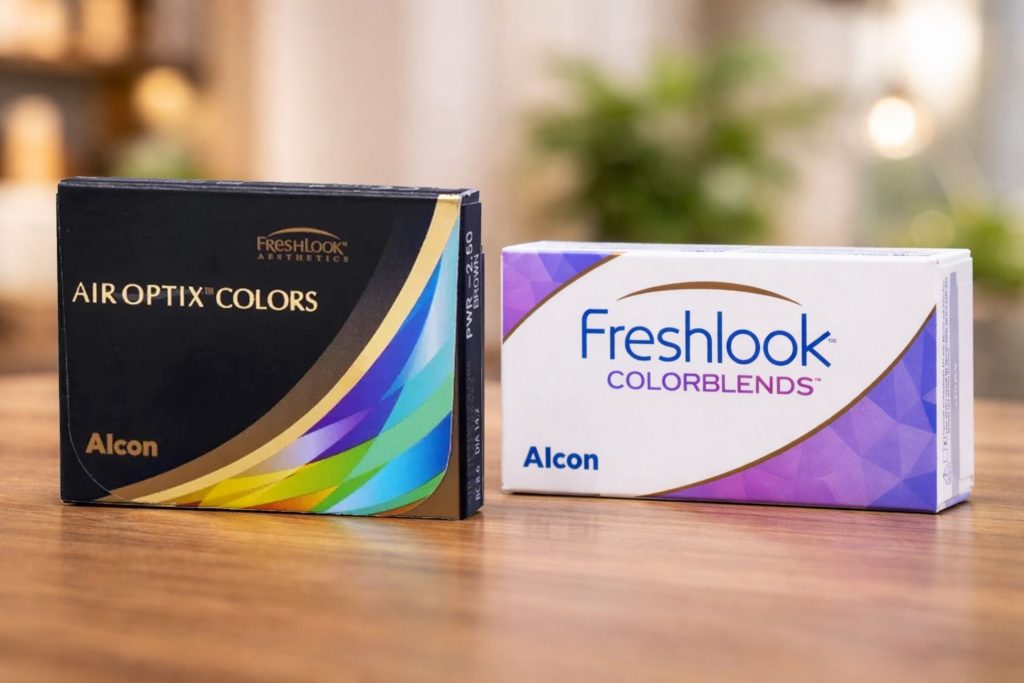
There are a few major brands that offer colored lenses, although there aren’t as many options as non-colored lenses.
AIR OPTIX COLORS by Alcon are popular with EZConacts customers. Many love the wide variety of colors available (including amethyst and honey) and the comfortable fit. These lenses are for monthly wear, so they’re long-lasting.
FreshLooks Colorblends, also by Alcon, is another popular choice for color variety and feel.
FAQS
Can I sleep in colored contacts?
No, you should never sleep with colored contacts in. These lenses are for daytime use. You also should avoid showering or swimming with these contacts in.
What colors can I buy?
Different contact lens brands have a variety of colors. Generally, blue, brown, green, and hazel are common colors. Some brands also offer unique shades, including amber, gray, and red.
Can I buy colored lenses without a prescription?
In the U.S., you’ll need a prescription to buy corrective colored contacts. They’re not just for fashion or aesthetics, but they’re also a medical device that requires you to visit your doctor.
TL;DR
- Corrective colored contacts have come a long way since their debut in the late 1800s.
- Colored contacts were originally made out of hard and rigid plastic. They were only usable for a few hours during plays and shows.
- They were invented to help actors transform their appearances and take on different emotions.
- Later in the 20th century, they began being made from hydrogel, a breathable, soft material, making colored contacts wearable all day.
- They boomed in popularity in the last few decades as they allow people to express their individuality or cosplay as their favorite character.