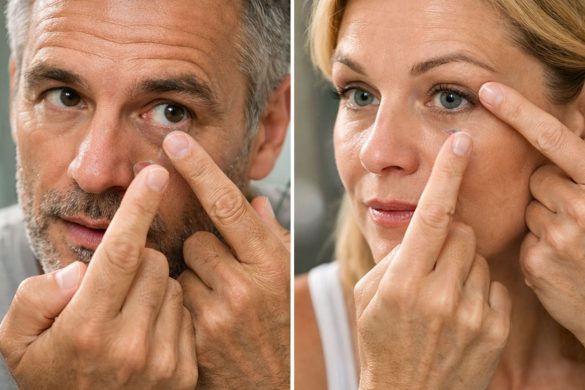

Eye drops instead of reading glasses? It might not be science fiction anymore!
A recent Guardian article discussed newly developed presbyopia eye drops that, when used twice a day, can allow you to see more clearly when viewing things up close. Goodbye, reading glasses!
I dug deeper, and I learned that using eye drops to “fix” presbyopia isn’t a new idea. Some drops have been in use or under development since 2021. Let’s find out more about this and explore our options more closely!
What’s in the News
First off, let’s see the good news! The Guardian article talks about a recent study presented at the European Society of Cataract and Refractive Surgeons (ESCRS) conference in Copenhagen.
Dr. Giovanna Benozzi and her team at the Centre for Advanced Research for Presbyopia in Buenos Aires developed eye drops using an off-label formulation of pilocarpine and diclofenac.
Pilocarpine is used in ophthalmology to contract the pupils of glaucoma patients. Diclofenac, on the other hand, is a nonsteroidal anti-inflammatory drug (NSAID). It is typically used in over-the-counter (OTC) topical or oral medicine, such as in the Voltaren Arthritis Pain gel.
Dr. Benozzi’s study included 766 presbyopic test subjects. The study found that the test subjects were able to read more lines of letters off an eye chart after using the recently developed eye drops.
How many extra lines of letters could they read? It actually depends on the concentration of pilocarpine in the drops.
The test subjects were divided into three groups, each using either 1%, 2%, or 3% concentrated pilocarpine drops. The majority of those who used 1% were able to read two or more lines of letters. The majority of the 2% group read at least three extra lines. And it’s the same for most of the 3% group, reading three or more lines.
The drops take effect around an hour after the first application. Irritation and temporary blurred vision are commonly experienced upon using the drops. A few of the subjects also experienced headaches.
Minor side effects aside, this is good news! The experts at the conference thought so, too. They were positive about the study and asked for wider long-term research to confirm the effectiveness and safety of the treatment. Hopefully, these drops will become a viable option for presbyopes soon!
Eye Drops as a Solution: Old News?
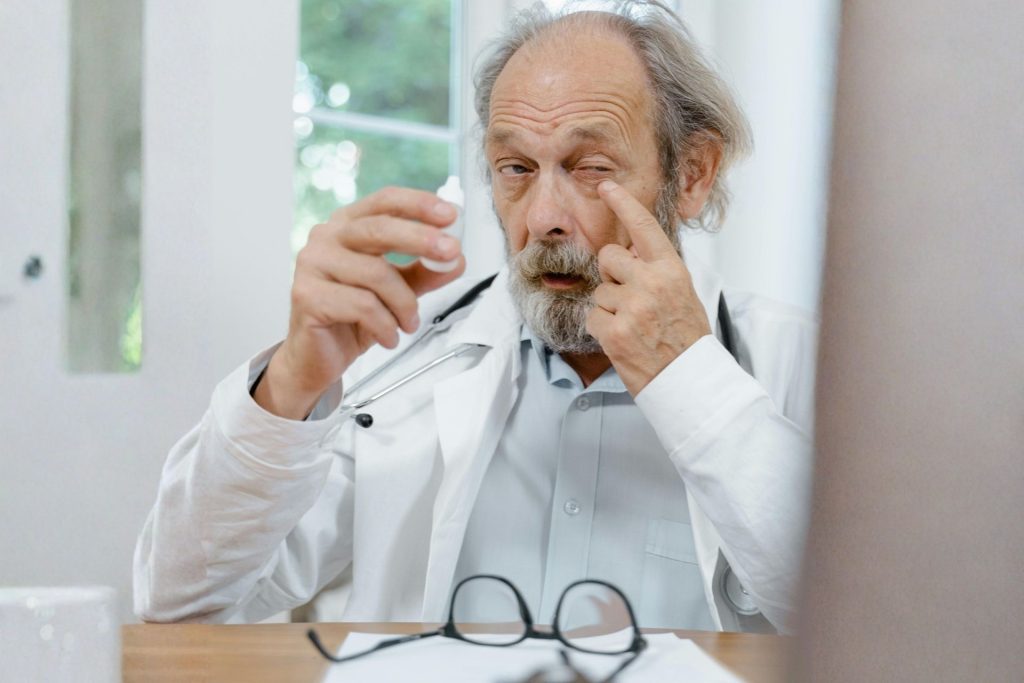
What’s even better is that eye drops as a solution to presbyopia isn’t really new. Since 2021, we have had miotic eye drops, which work as a temporary solution for old eyes. There are also lens-softening eye drops, which are under study and development.
Miotic Eye Drops
Miotic eye drops, which contain pilocarpine hydrochloride, improve your eyes’ ability to focus on close-up objects.
The eye drops work by temporarily constricting the pupil. This creates a “pinhole effect,” which increases your depth of focus, allowing you to see close objects clearly. There are several miotic eye drops currently available, including Vuity, Qlosi, and VIZZ.
You can only try these drops with your eye doctor’s recommendation. And it’s important to note that their effects only last for up to eight hours.
Also, note that there are possible side effects and risks. Similar to the newly tested/presented presbyopia eye drops at the Copenhagen conference, you may experience some eye redness and irritation, as well as headaches. In rare cases, retinal tear or detachment can occur. (In fact, the retinal tearing complication is a warning on the Vuity label.)
Lens-Softening Eye Drops
Lens-softening eye drops increase the flexibility of the eye’s lens to improve its ability to focus on objects at different distances. Even though these drops do not fully restore your eye lens’s original flexibility, they can potentially improve your close-up vision and even your general eye health.
These drops are being hyped as a way to reverse eye aging by decreasing the natural hardening of your lenses by up to 10 years. Your eye’s lens becomes more flexible, and ideally, this restores your vision.
These eye drops are still in development. The FDA is requiring further study on their safety and effectiveness.
Eye Drops vs. Traditional Methods

All this excitement for eye drops is understandable. Presbyopia is a condition that 1.8 billion people suffer from globally. It is a natural part of aging. With the possibility of treating presbyopia with eye drops, you free yourself from the hassle of reading glasses, contact lenses, and even surgery.
Eye drops offer a flexible and non-invasive alternative. With these new eye drops, the fix could be longer-term, and hopefully, include fewer side effects.
Eye Drops vs. Presbyopia Glasses
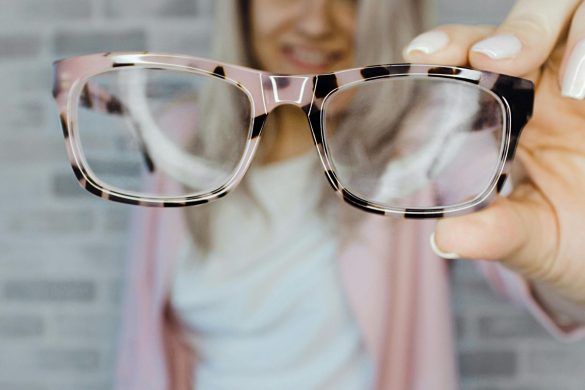
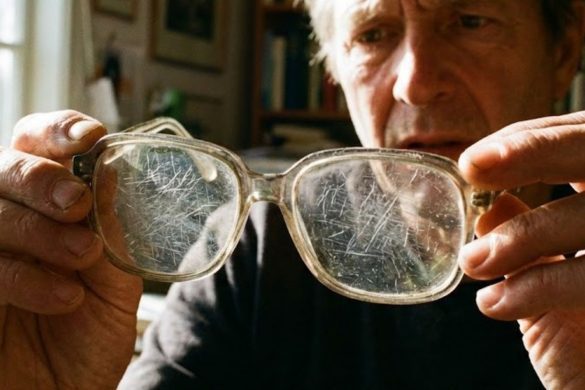
Presbyopia glasses, or reading glasses, are one of the cheapest fixes for the condition. A pair of glasses can last you for years if you take care of them properly. However, glasses are something that you need to take with you wherever you go. You’ll also have to look for them anytime you want to read a text message or a chapter in a book. That can be a hassle.
Eye Drops vs. Contact Lenses
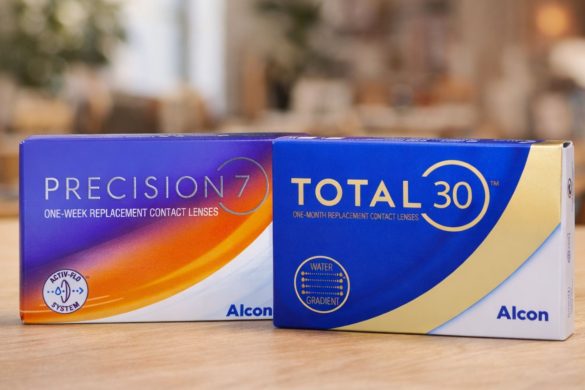
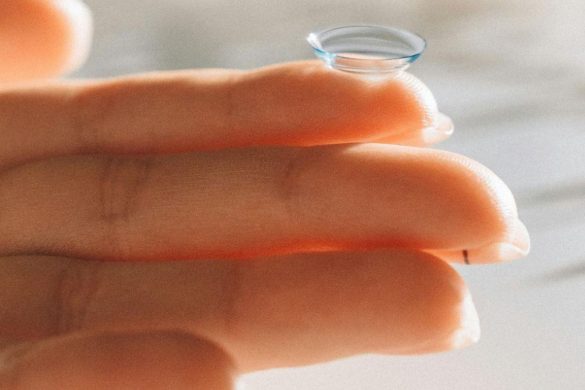
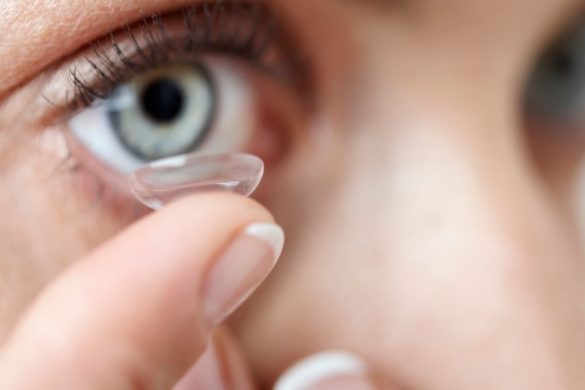
You have a few different contact lens options for presbyopia, including bifocal lenses or monovision lenses.
There’s an adjustment period for both. Plus, you have to think about maintaining contact lenses. Every morning, you need to allot time to put them in properly, without exposing the lenses and your eyes to contaminants. Every night, you need to take them out, clean and soak them, and then store them. That’s a lot to think about and do every day.
Eye Drops vs. Surgery
Surgeries, such as LASIK surgery and corneal inlays, are permanent solutions to presbyopia. However, the surgeries come with their own risks and high costs. LASIK surgery, for one, can cost around $4,000 per eye. After surgery, you may see glares and halos, and you could potentially experience blurred vision for a few months.
New Eye Drops vs. Currently Available Presbyopia Eye Drops
Eye drops, such as Vuity and Qlosi, cost around $80 to $100 per prescription. Plus, their effect isn’t permanent. You need to keep using them daily.
So, yes, having presbyopia drops that may offer a longer-lasting solution is a big deal and something to look forward to!
TL;DR
- Presbyopia is an age-related condition that is commonly addressed through the use of presbyopia glasses and contact lenses. Some even opt to undergo surgery.
- Newly developed presbyopia eye drops were tested and presented at the European Society of Cataract and Refractive Surgeons (ESCRS) conference in Copenhagen. Pilocarpine and diclofenac are the key ingredients of the new drops.
- The majority of presbyopic people sampled to try out the new eye drops were able to read extra lines of letters on a typical eye chart. Those who used drops with 2% and 3% concentration of pilocarpine were able to read three lines or more, one line better than those who used the drops with 1% pilocarpine concentration.
- Presbyopia-correcting eye drops, such as miotic and lens-softening drops, have been around since 2021. These are either still being tested for effectiveness and safety, or they only provide temporary effects.