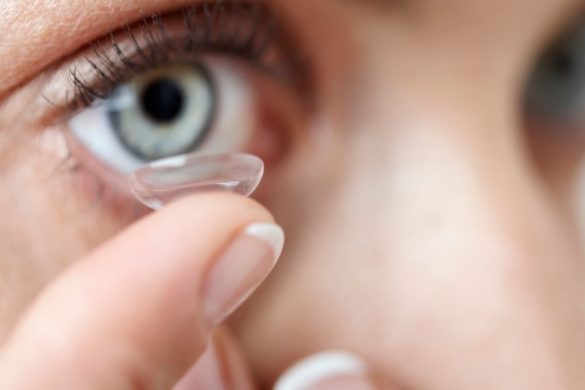
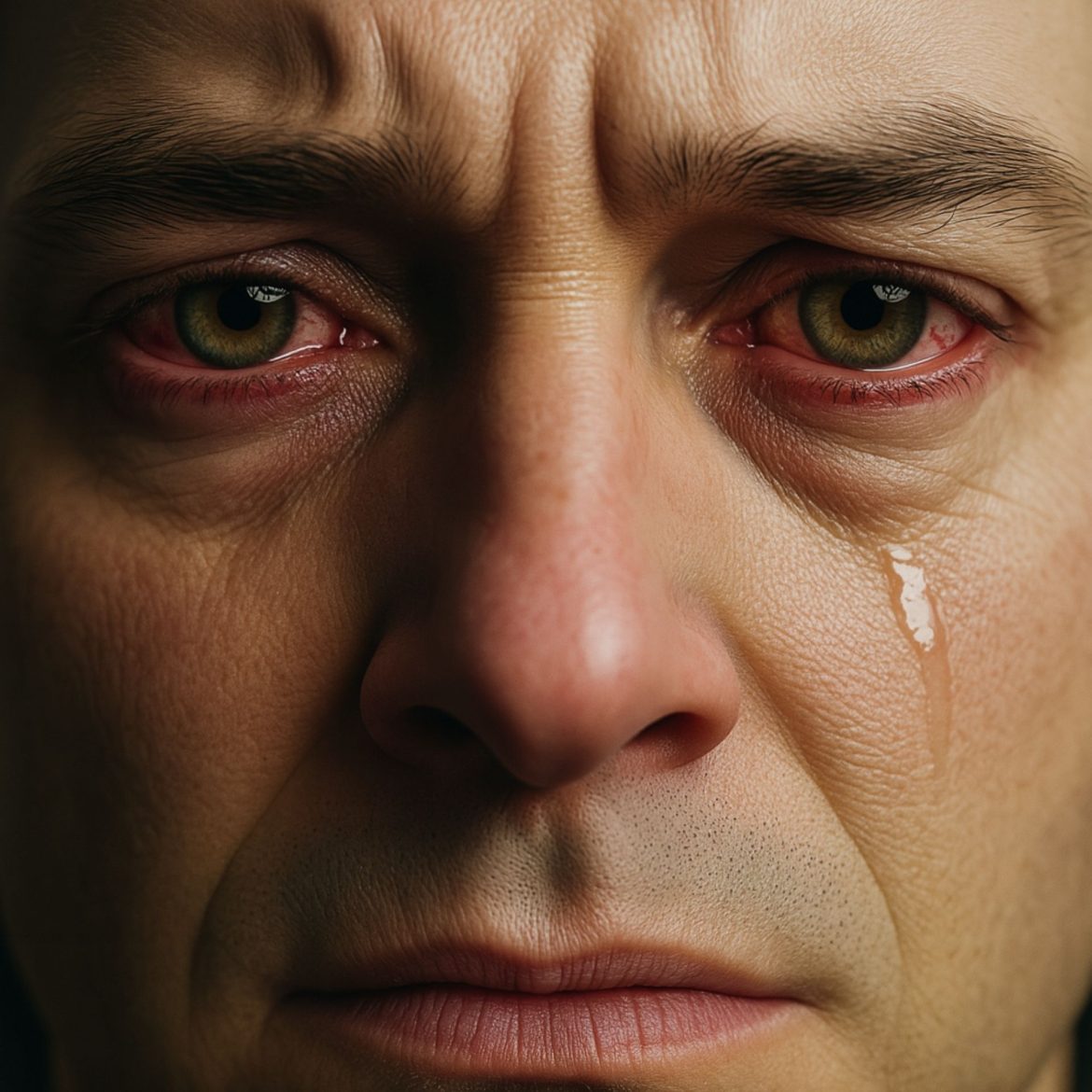
If you find yourself frequently asking, “Why do my contacts burn?” don’t worry; I’ve got you. My eyes sometimes get irritated from contacts, too. Why it happens can be tricky to pinpoint, but knowing what to look for makes all the difference. Let’s explore the possible causes and tips for finding relief.
Dry Eyes
Dry eyes are one of the most common reasons you might feel a burning sensation while wearing contacts.
Some lenses get in the way of your eyes’ self-lubricating capabilities. As a result, you end up with dry eyes, which can often lead to irritation and, sometimes, even a burning sensation.
You could try blinking rapidly to produce tears, but if that doesn’t help or the sensation returns, consider these possible causes:
- Lens Material: Some contacts, especially older products, can dry out your eyes more than others. For “wetter” eyes, choose fresh lenses made from hydrophilic materials, like silicone hydrogel, which naturally attract and hold moisture. These lenses act like tiny sponges for your eyes.
- Environmental Conditions: Certain factors in your surroundings can cause or worsen dry eyes. Spending time in air-conditioned or dry environments, or looking at screens for long periods, can make your tears evaporate faster. This can lead to dryness and a burning sensation.
- Medications: Over-the-counter or prescription drugs sometimes cause dry eyes. For instance, if you regularly take antihistamines or decongestants, check with your doctor first about wearing contacts. When taking other medications, be sure to check potential side effects for eye irritation, discomfort, or burning.
- Underlying Conditions: Some medical conditions can reduce tear production and make your eyes more prone to dryness. Examples include Sjogren’s syndrome, rheumatoid arthritis, diabetes, thyroid disorders, and certain autoimmune diseases. Wearing contacts can make things worse, so it’s important to consult your doctor if you have any of these conditions.
- Dry Eye Syndrome: Prolonged use of contact lenses may cause dry eye syndrome. Other potential contributing factors include a reduction of tear production with age, autoimmune diseases, hormonal changes, and vitamin A deficiency. No matter the cause, your contact lenses could be adding to the problem.
Solutions for Dry Eye-Related Burning Sensations
If you suspect possible underlying conditions, check with your doctor immediately. In fact, you should check with your doctor regardless. You might be able to get some relief from the following simple solutions:
- Blinking: Be conscious of your blink rate. If you feel the onset of dryness, try to blink to help spread tears across the surface of your eyes.
- Rewetting Drops: You can buy lens rewetting drops without a prescription. This is formulated to bring back lens moisture and ease the dryness. To minimize eye irritation further, look for preservative-free drops.
- Artificial Tears: Artificial tears/drops provide longer-lasting lubrication than rewetting drops for some people.
- Humidifier: Increasing the humidity in your living space is especially helpful in dry environments and air-conditioned rooms or spaces with forced heated air.
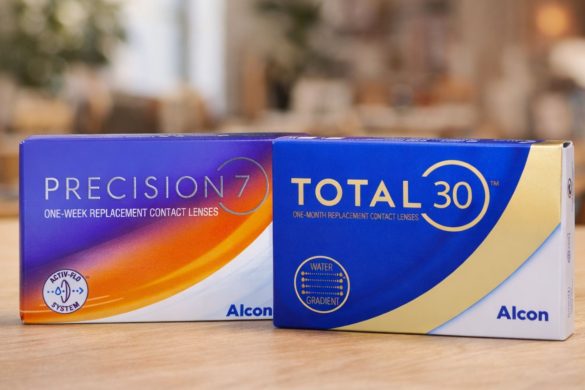
- Try Other Contact Lens Brands: Try switching brands to see if that helps with your dry eyes. Some of the best contacts for dry eyes include 1-Day ACUVUE Moist, Eiyan Daily Contact Lenses, and Bausch + Lomb ULTRA.
Improper Lens Handling and Hygiene
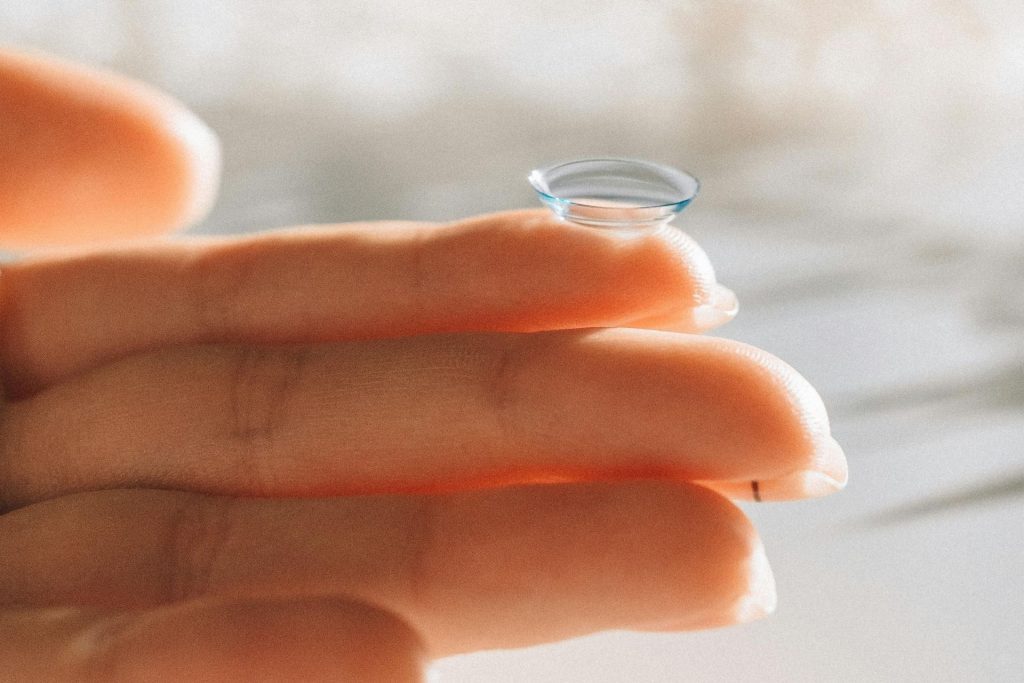
One possible reason why you feel burning when you wear your contacts is that you’re not properly handling your lenses. Poor contact lens hygiene, or even a momentary lapse, can introduce debris, bacteria, and other irritants to your eyes. Consider these common examples:
- Improper Lens Cleaning: Debris and other contaminants naturally land on your lenses as you wear them. This is why you need to do daily lens cleaning before soaking/storing them.
- Touching Lenses with Dirty Hands: Wash your hands thoroughly before handling your lenses. Dirty hands transfer contaminants to your lenses and can cause a burning sensation when you wear them.
- Expired Solutions: Contact lens solutions have best-used-by dates. After said dates, these products lose effectiveness. Using expired solutions can then lead to improperly cleaned lenses and bacterial growth.
- Contaminated Lens Case: Cases can be breeding grounds for bacteria. Make sure to rinse your lens case with your multipurpose lens solution thoroughly before using it. Don’t ever use tap water to clean your case. Tap water is not sterile.
Solutions for Hygiene-Related Burning Sensations
- Closely Following Cleaning Instructions: Follow your doctor’s advice and read the manufacturer’s instructions when you clean, soak, and store your lenses.
- Regular Lens Case Replacement: It’s best to replace your lens case every three months to prevent bacterial buildup.
- Fresh Solution: Dispose of your used solution once you’re done using it for soaking. Use a fresh solution every time.
- Daily Lenses: If a nightly cleaning and storage routine isn’t your thing, consider daily disposable contact lenses. You can toss each pair after just one use.
Lens Material and Fit
The material and fit of your lenses can also impact your eye comfort.
- Incorrect Prescription: An outdated or incorrect prescription can mean your lenses aren’t the right match for your eyes, which can then cause discomfort and irritation. Get your eyes checked and rechecked regularly.
- Poor Lens Fit: In addition to incorrect prescriptions, people with irregularly shaped corneas or astigmatism may find that standard soft lenses feel too tight or too loose. This may cause eye irritation.
- Lens Material Sensitivity: Some people might be more sensitive to silicone hydrogel, traditional hydrogel, and other lens materials. Consult your eye doctor about this to get a prescription that’s appropriate to your sensitivities.
Solutions for Fit-Related Burning
- Eye Exam: Book an appointment with your optometrist, and ask your doctor to recheck your prescription.
- Alternative Lens Materials: Try different lens brands to see if their materials are better suited for your eye sensitivities. Talk to your eye doctor about this and get their recommendations.
- Astigmatism Diagnostics/Treatment: People with astigmatism often need to use special lenses, like toric contacts. They are specially designed for people with irregularly shaped corneas and can sometimes relieve irritation felt with standard lenses. Your doctor can help you determine if this is the best option.
Allergic Reactions

Some people might be allergic to contact lens materials or the eye or lens solutions they use. Allergies often cause symptoms that include burning, redness, itching, and even swelling. Consult with your doctor if you suspect allergies.
Solutions for Allergy-Related Burning
- Allergen Identification: Talk to your doctor and get tested to identify the allergen. This way, you can get an updated prescription that considers your allergies.
- Preservative-Free Solutions: Sometimes, preservatives are the culprit. Try to use preservative-free solutions.
- Daily Disposable Lenses: Using dailies can decrease the risk of allergen buildup on your lenses.
- Over-the-Counter Antihistamines: Over-the-counter antihistamines may help ease your allergic reactions. These, however, do not address the cause of your allergies. Make sure to see your doctor about it.
Infections
You may be suffering from infections that affect your eye health. Bacterial, fungal, or viral infections can cause redness and burning sensations in the eyes. If this is the case, get medical attention immediately. Early detection and treatment can prevent severe repercussions to your eye health.
TL;DR Summary
If you’ve ever found yourself asking, “Why Do My Contacts Burn?” there are multiple possible answers.
- Dry eyes top the list. They may be caused by the lens material, environmental conditions, current medications, or underlying conditions.
Possible Solutions: Relief can come from the use of rewetting drops or artificial tears, improving the humidity in your environment, or simply blinking to produce tears. - Improper lens handling and poor hygiene can also cause burning sensations.
Possible Solution: Always wash your hands well before handling your contacts, and follow contact lens cleaning instructions. - The material and fit of your lenses can also cause burning.
Possible Solution: An appointment with your eye doctor is the best way to determine whether or not this is at the root of the problem and find the best solution. - An allergic reaction can cause eye irritation and burning. Try to identify possible allergens. Switching to preservative-free solutions may resolve the issue. Alternatively, consider daily disposable lenses to minimize irritation.
Possible Solutions: Over-the-counter antihistamines can also help. To be safe, it’s best to schedule an eye exam to discuss the matter in detail and find the best long-term solution. - Infections can also lead to burning. If you suspect an infection, it’s always best to see your eye doctor as soon as possible.
Solution: See your eye doctor as soon as possible.
Bottom Line: Don’t ignore a burning sensation when you wear contacts. Prompt identification of the cause is key; it helps to get your eye doctor involved in finding a long-term solution.