
Are you searching for ways to correct presbyopia? Monovision contact lenses are one of the most common ways to correct this condition.
While they’re safe and non-invasive, monovision contact lenses may not be for everyone.
So, what are monovision contacts, and what are their drawbacks? Also, what are the other alternatives for correcting presbyopia? Let’s take a look!
What Is Presbyopia?
Presbyopia is an age-related eye condition where the lens of the eye becomes increasingly rigid and less flexible. It’s a common condition, and it can lead to difficulty focusing on close-up objects.
Many people start experiencing presbyopia around the age of 40. Its typical symptoms include eye strain, headaches, and blurry close-up vision. You may find yourself having to hold books or newspapers farther away to see the text clearly.
What Are Monovision Contact Lenses?
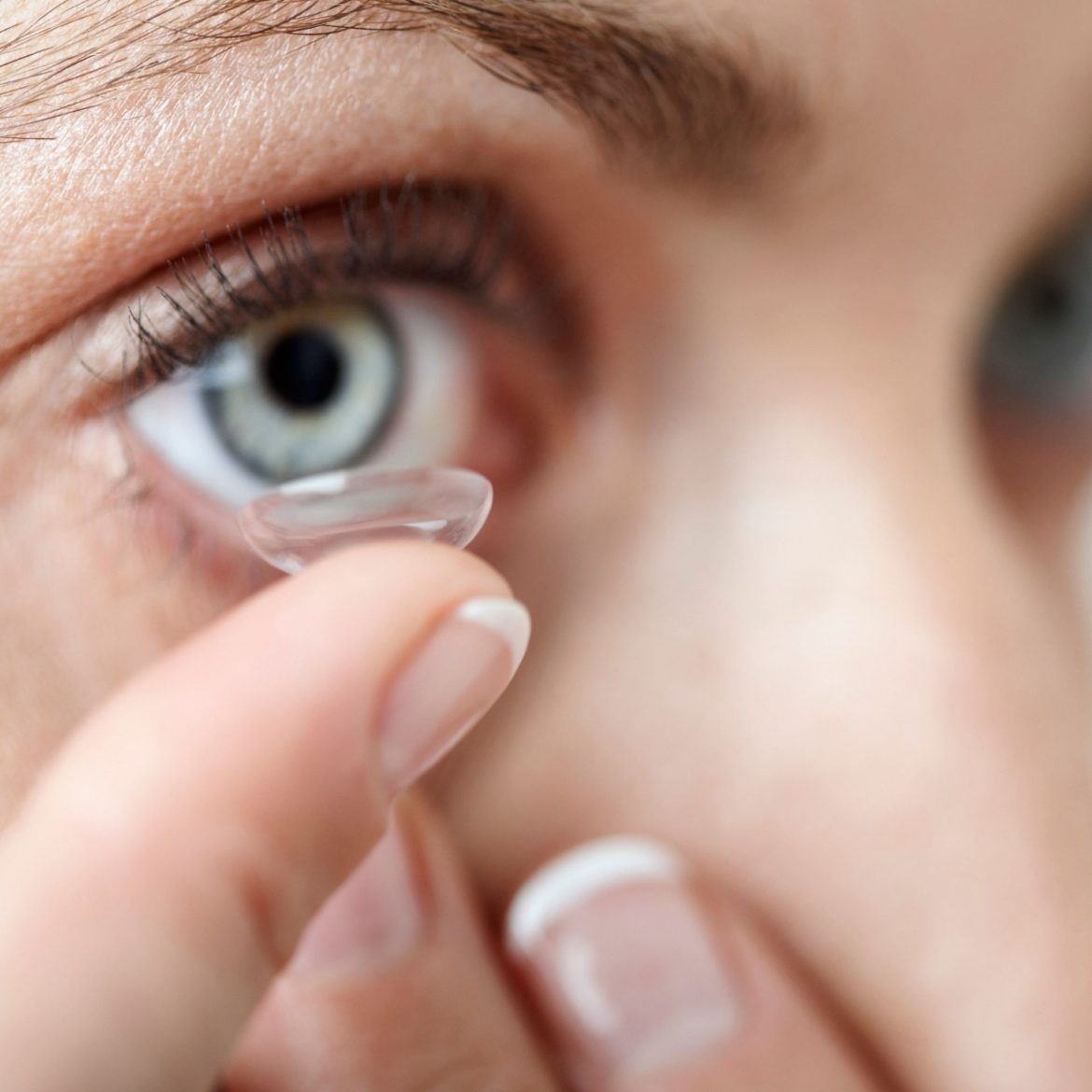
Monovision contacts are one of several ways to correct presbyopia. It means wearing one contact lens to enhance distance vision in your dominant eye and another to correct near vision in your non-dominant eye.
When you’re buying contacts for monovision, you’ll typically need to buy two separate boxes since you’ll have two prescriptions. You’ll need to get one box for your dominant eye and one for your non-dominant eye.
You’ll typically buy standard, single-vision lenses. You can choose between daily, weekly, biweekly, and monthly lenses. If you’re buying online, just make sure to double-check you’re putting the correct prescription in for each eye.
Monovision contact lenses remain a popular way to correct presbyopia because they’re a more flexible alternative to eyeglasses.
Potential Side Effects of Using Monovision Contact Lenses
While monovision contacts allow you to see both near and distance clearly, they aren’t a perfect way to correct presbyopia and have some drawbacks. Here are three of the main side effects:
1. Long Adjustment Period
Since you have different prescriptions for each eye, it may take you some time to get used to wearing monovision contact lenses. This can result in side effects such as headaches and eye strain.
It can often take one to two weeks to adjust to the monovision contacts. Some people can’t adjust to these contacts at all.
2. Reduced Depth and Contrast Perception
Your eyes typically work together to give you a three-dimensional view of the world. But with monovision, you aren’t able to focus both eyes on an object simultaneously. Because of that, you may experience reduced depth perception.
Another side effect is difficulty processing contrast. For instance, you may not be able to see a light gray square on a dark background.
3. The Reverse Pulfrich Effect
Another drawback of monovision is what’s known as the ‘reverse Pulfrich effect.’
The classic Pulfrich effect is caused by unequal light levels. It occurs when one eye receives a darker or slower visual signal than the other. Because the brain processes the darker image a bit slower, moving objects can appear to travel in depth (3D) rather than just side-to-side. This effect is why 3D glasses work at movies.
The reverse Pulfrich effect is caused by unequal focus or blur. With monovision contacts, it may occur when the blurrier (non-dominant) eye processes images faster than the sharper (dominant) eye.
If this effect happens, moving objects could seem to shift slightly forward or backward in depth. They could also follow a curved path instead of a straight one or appear at a slightly incorrect distance.
If this happens while you’re driving, it can sometimes lead to distance or speed misjudgments. Because of that, it’s important to talk to your eye care professional about how monovision might affect your day-to-day life.
Alternatives to Monovision Contacts
Unsure if monovision contacts are right for you? Besides monovision contact lenses, there are other ways to correct presbyopia. Here are some alternative options to try out:
Multifocal contact lenses
Multifocal contact lenses feature multiple prescription zones (near, intermediate, and distance) in one lens. These lenses follow a design similar to that of progressive eyeglasses, providing a gradual transition between lens powers for near and distance vision.
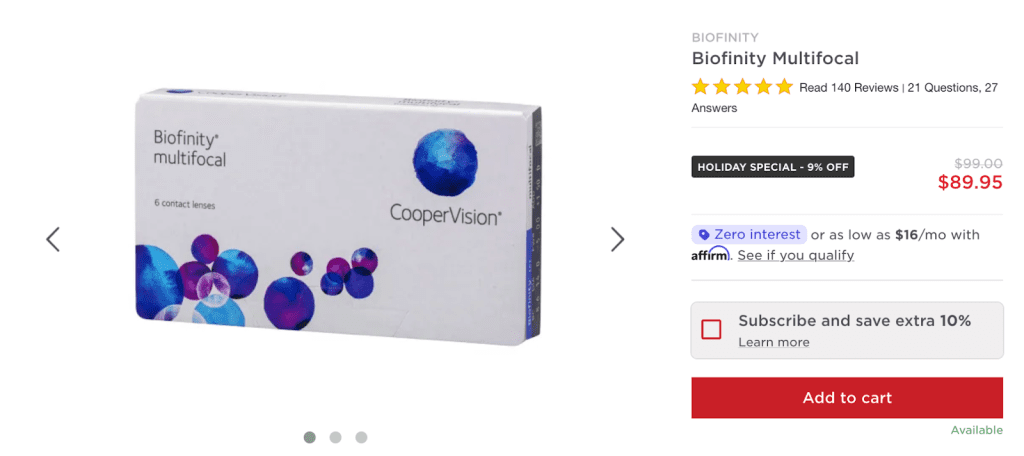
Some well-known eye care brands that offer multifocal contacts include AIR OPTIX and Biofinity, both of which are available at EZContacts. A box of six AIR OPTIX Optix Plus HydraGlyde contacts currently costs $107.95.
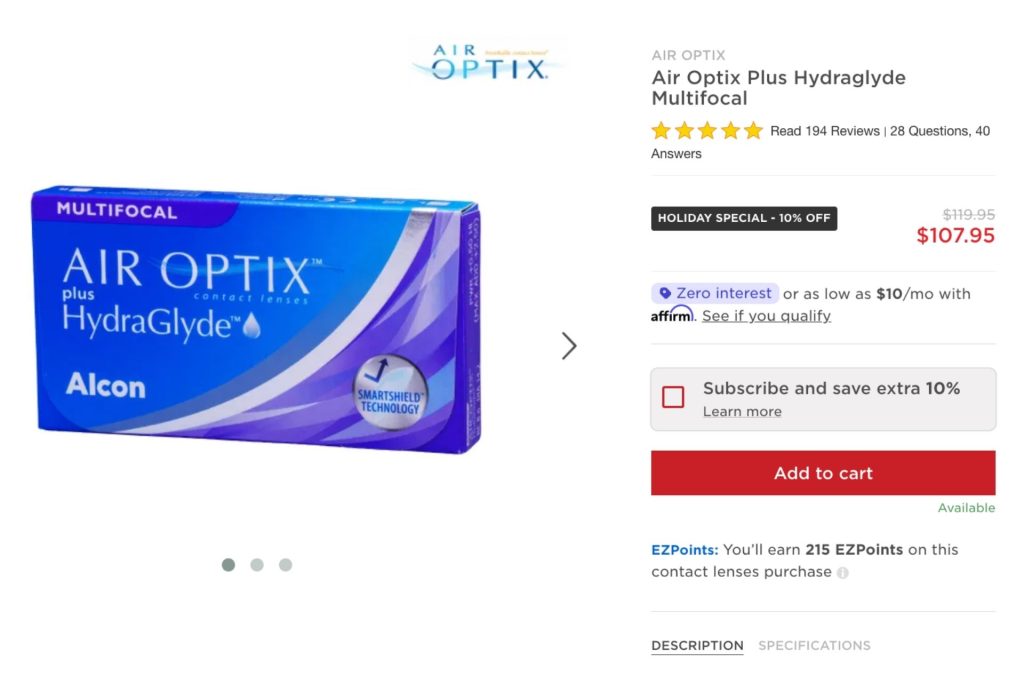
A box of six Biofinity Multifocal contacts costs $89.95.
Bifocal eyeglasses
Another common alternative to monovision contacts is bifocals. These glasses feature two different vision zones in one lens. The top is for distance vision, and the bottom is for near vision.
Progressive eyeglasses
Progressive eyeglasses provide a seamless transition between prescriptions in a single lens. The top portion of the lens is designed for distance vision, the middle for viewing intermediate distances, and the bottom for near vision.
Compared to traditional bifocals, progressive lenses don’t have visible lines on each lens. However, the downside is that progressive glasses are often more expensive than bifocals. Here are the costs of these lenses on EZContacts.
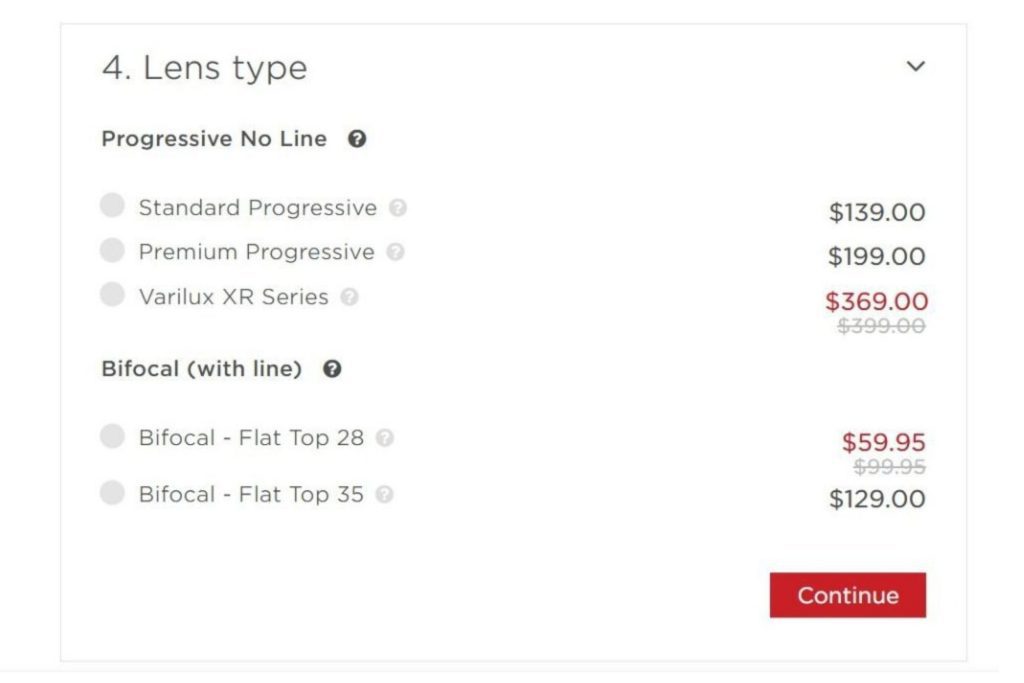
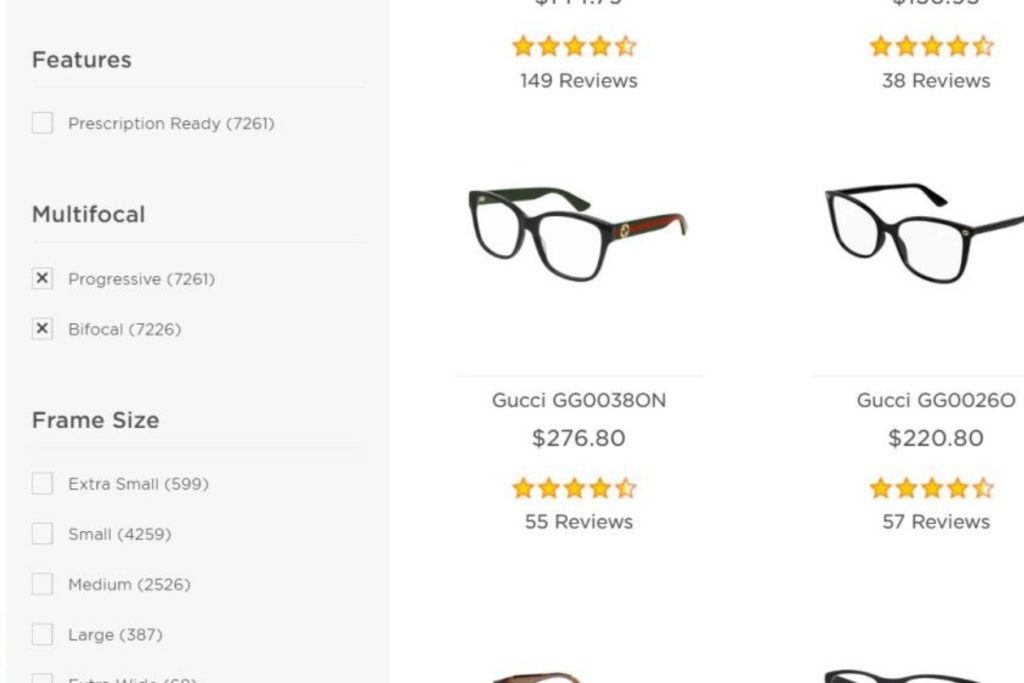
Trying to decide which glasses to buy? At EZContacts, you can add bifocal or progressive lenses to many different eyeglasses. To see which ones are available, use the progressive and bifocal filters.
Monovision LASIK eye surgery
Monovision LASIK (Laser In-Situ Keratomileusis) is a surgical procedure that uses laser technology to reshape the cornea to correct refractive errors. When successful, it effectively reduces the need for eyeglasses or contacts.
There are some downsides to this surgery. Some people might struggle with adapting to it, just like with monovision contacts.
It also isn’t always a permanent solution. As you age, your eyes will naturally continue to change. And so, even after monovision LASIK, some patients may need to wear contact lenses or glasses again in the future.
There are a few different ways to correct presbyopia, from monovision to multifocal contacts. Talk to your eye doctor to help determine the best course of action for you.
TL;DR
- Monovision contact lenses are a proven, non-invasive method for correcting presbyopia, or age-related farsightedness. It’s designed to improve distance and near vision through different prescriptions for each eye.
- The main side effects of monovision contacts include long adjustment periods, reduced depth and contrast perception, and the reverse Pulfrich effect.
- Common alternatives to monovision contacts include multifocal contact lenses, bifocal eyeglasses, progressive lenses, and monovision LASIK.
- Make sure to talk to your eye doctor about the best option for correcting your presbyopia.

