
Are you feeling dizzy after getting new glasses? This can be very frustrating, especially after spending so much money on new eyewear. You might also be worried that something is wrong.
Sometimes, a pair of eyewear comes with a new sense of dizziness. But why is this the case, and what can you do to stop the dizziness? Let’s get into it!
Why Are My New Glasses Making Me Dizzy? The Usual Suspects
Changes in Prescription
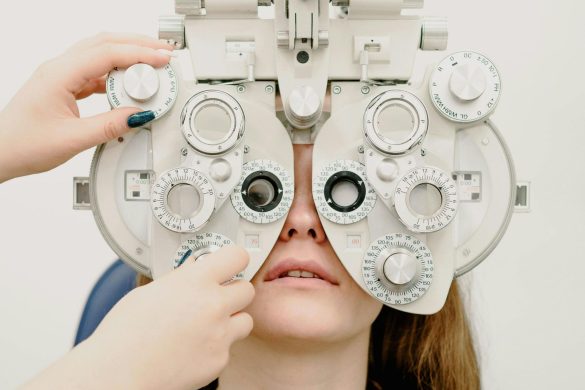
If you’ve recently changed your prescription, your eyes may need to get used to the new glasses. The slightest change can “confuse” your eyes.
This is especially true if your glasses are addressing a newly diagnosed vision problem. For example, you’re switching from distance glasses to multifocal glasses to correct your presbyopia.
Astigmatism Correction
If you are new to glasses that correct astigmatism (having irregularly shaped corneas), you might be in for a disorienting and maybe even dizzying adjustment period.
Astigmatism glasses use cylindrical lenses that can distort your spatial and depth perception. All should be good once you get used to these eyeglasses.
Progressive Lenses (Multifocals)
The lenses of multifocal glasses have three zones: distance, intermediate, and near vision. Getting used to looking through lenses with multiple focal powers takes time. And it can be particularly tricky for progressive glasses newbies.
You might experience more than dizziness. They could make you feel wobbly, disoriented, and confused about depth and space. You could even experience vertigo.
Incorrect Pupillary Distance (PD)

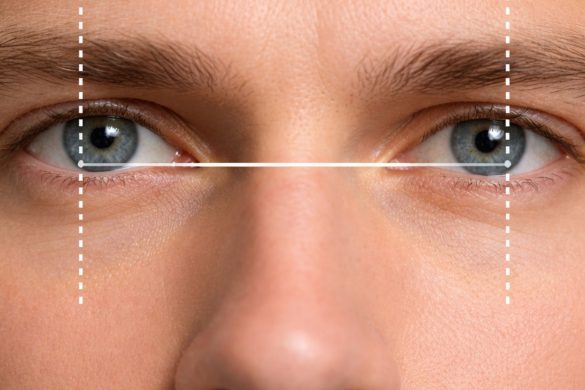
Pupillary distance is one of the more important measurements that your optician takes. If you order your glasses online, you’ll need to fill out your PD measurement, and this should be precise. Even the smallest error can cause problems. You might feel some dizziness, and you may not see as clearly.
PD measures the distance between the centers of your pupils. The centers of your eyeglasses’ lenses should align with your pupil centers.
Lens Material and Coatings
Different lens materials (e.g., plastic, polycarbonate) and coatings (e.g., anti-reflective) can slightly alter how light is refracted by your lenses. The effect can be disorienting if you’re not used to looking through these lenses.
Frame Fit
Ill-fitting glasses can be uncomfortable, and they could feel heavy or like they’re pinching your nose bridge. Eye strain and dizziness are also commonly felt with frames that don’t fit perfectly.
Underlying Conditions
Sometimes, it’s not the glasses causing your dizziness. It could be a symptom of other conditions, such as inner ear problems and neurological issues.
This is not as common, though. Just know that it’s a possibility. If you’re sure your glasses fit perfectly and you’re still experiencing dizziness, then you might want to go see your doctor.
What Can You Do?

The good news is that in most cases, dizziness caused by new glasses is temporary. Here are a few things that you can try to do:
Give It Time
Like most things in life, maybe you just need time. Allow yourself a period to adjust to your new glasses, and be patient.
To help you get used to the glasses, wear them as much as possible. Bear the temporary discomfort. In most cases, this discomfort will go away with time.
Gradual Use (If Possible)
If your doctor allows it, you can try wearing your new glasses gradually for short periods of time. This can ease you into seeing through your new lenses. Adjustment can go smoother that way. Of course, consult with your optician first to make sure this is the right choice for you.
Take Screen Breaks
If you spend many hours a day staring at a computer screen, this could potentially be adding to your dizziness and eye strain.
So, if you often find yourself staring at digital screens for long periods of time, pause and look away. Follow the 20-20-20 rule. Every 20 minutes, look 20 feet ahead for 20 seconds before going back to what you were doing. This helps your eye muscles relax.
Focus on Proper Posture
Sometimes, the dizziness that you feel from your new glasses is caused by the lenses not aligning correctly with your pupils because you’re slouching. Try fixing your posture. Sit up straight and affix your glasses to your face correctly.
Adjust Your Working Environment
Your surroundings may factor into your dizziness. Make sure your space is well-lit. Avoid glare and bright lights, especially those that shine directly onto your lenses.
Consult Your Optician or Eye Doctor
If your dizziness persists for more than a couple of weeks or if your symptoms become more severe, contact your optician or eye doctor. They might do the following things:
- Recheck your prescription and verify that it’s accurate.
- Check the PD and ensure your pupillary distance is correct.
- Adjust the frames to make sure they fit properly.
- Potentially recommend a different lens material or coating.
- In some cases, they might prescribe temporary eye drops or other treatments to alleviate symptoms.
- They may check for underlying medical conditions that might be contributing to your symptoms.
- They might also completely replace your frames and lenses if they find the issue with your new glasses isn’t fixable.
In the meantime, consider taking motion sickness remedies, such as over-the-counter motion sickness medicines, fresh ginger, and the like. This can help lessen your dizziness.
When to Seek Immediate Medical Attention
New glasses that make you dizzy shouldn’t alarm you. It’s often just part of the adjustment period to glasses.
However, if your dizziness comes with any of the other symptoms below, see your doctor ASAP:
- Sudden, severe headache: This could be a sign of a more serious problem.
- Double vision: This is not a normal symptom of adjusting to new glasses.
- Loss of vision: Any sudden change in your vision is alarming, and you should see your doctor as soon as possible.
- Numbness or weakness: These symptoms could indicate a neurological issue.
- Severe nausea or vomiting: This could be a sign of a serious underlying condition.
Adjusting to new glasses can be a process, so be patient with yourself. Try these tips. If they don’t work or if you observe other symptoms, check with your doctor.
TL;DR
- Dizziness from new glasses can happen. When it does, be patient and give yourself some time to adjust.
- Your discomfort could be caused by several things, including prescription changes, astigmatism or progressive lenses, incorrect PD measurement, and lens material and fit.
- Aside from allowing yourself a period to adjust, you can take eye breaks, gradually ease into using your new glasses, fix your posture and work environment, and check your frames’ fit.
- See your doctor if you still feel discomfort after a couple of weeks. Seek immediate medical attention if your dizziness is accompanied by sudden, intense headaches, double vision, loss of vision, or general weakness.