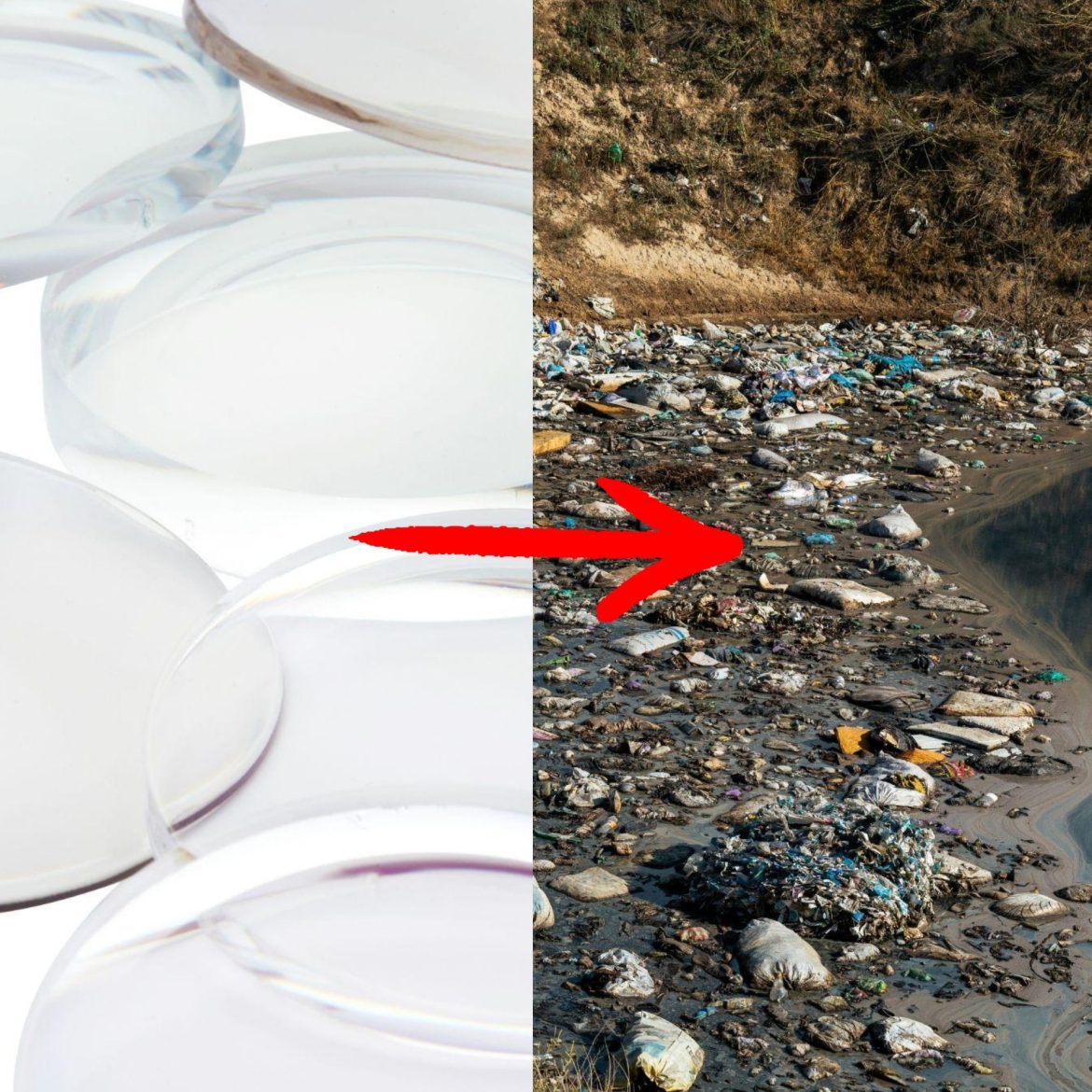
Do you know where your disposable contact lenses end up? They don’t disappear or decompose. Instead, they end up in a landfill for hundreds of years.
It’s the truth that more disposable contact users are realizing. Although they’re a convenient and cheap fix, they aren’t sustainable. Discover the problems and solutions to help you make more conscious consumer choices.
What Happens to Disposable Contact Lenses
The sad truth is that disposable contact lenses end up in landfills across the world. Around 45 million people in the U.S. alone wear contact lenses, with a high number wearing daily lenses.
That’s a lot of waste that gets thrown out each day. In fact, the average American throws away 1,700 pounds of waste each year! That’s the largest amount in the world. And contact lenses make up a small part of this massive waste problem.
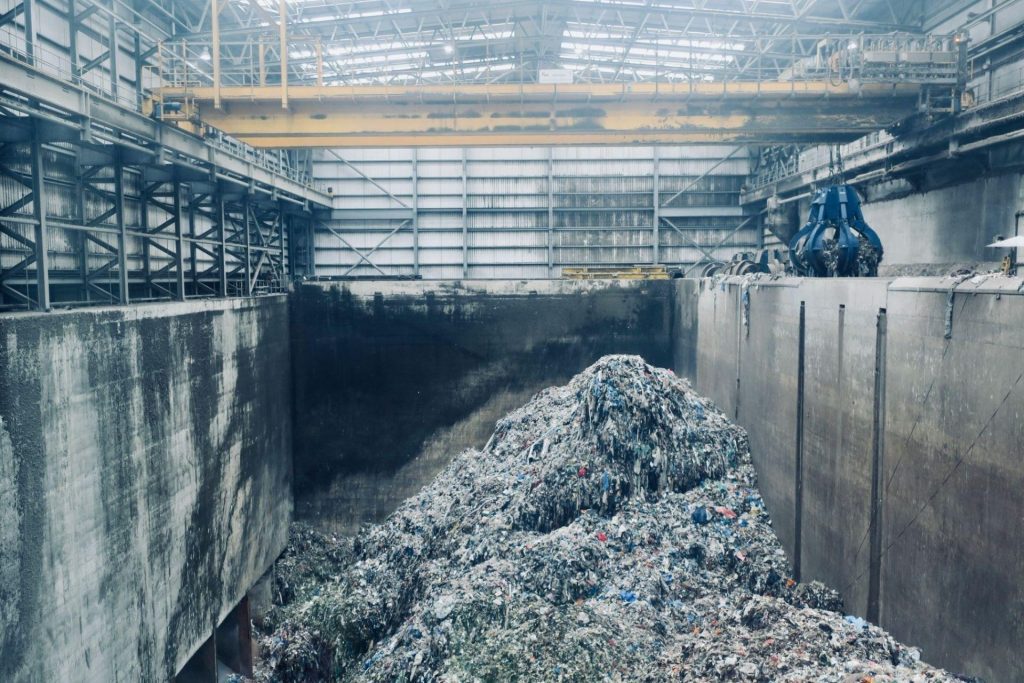
A lot of this waste ends up in one of the 2,000 landfills across the U.S.
Why are landfills bad?
The short story is that landfills across the U.S. (and the world) take up space and resources. The materials in them, such as plastic (including disposable contact lenses), remain in these huge holes in the ground for hundreds of years.
All that plastic waste is toxic and releases chemicals into the soil, air, and water. So it’s pretty bad for humans and animals because we’re not supposed to consume plastics.
Are disposable contact lenses biodegradable?
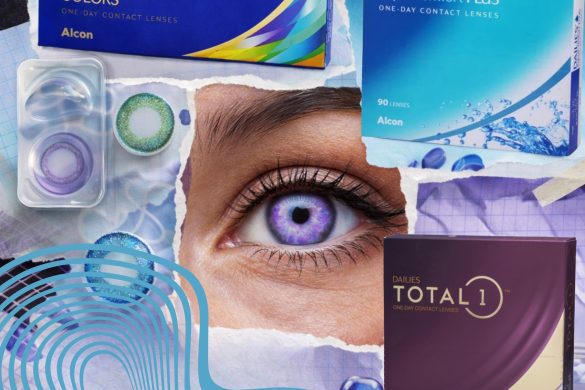
Most daily lenses are soft lenses that are made from hydrogels or silicone hydrogels. They’re made from these soft plastics to be flexible and comfortable for daily use.
But since daily lenses are made from plastic and water, they are not biodegradable. Instead, plastic lenses can take up to 500 years to decompose. That’s about six and a half times the average American’s lifespan in a landfill! Now imagine the millions of lenses that are thrown away each day and how they’ll pile up.
What are some other environmental concerns?
The material used for disposable contact lenses is almost all derived from petroleum. The way fossil fuels like petroleum are extracted can be very damaging to the environment. It can cause water and air pollution, damage ecosystems, and lead to irreversible soil erosion.
Some Solutions To Combating Disposable Contact Lens Waste
The bad news is that disposable contact lenses are not easy to recycle because of their small size, the materials, and contact lens solution contamination. But the good news is that we humans are innovative, and there are more ways to combat waste.
Check available recycling programs.
It’s worth checking if any local recycling programs in your area accept disposable contact lenses. Look out for initiatives at eyewear retailers or any organizations that offer collection bins.
Look out for manufacturers’ recycling programs.
Check if the manufacturer of your disposable contact lenses offers a recycling program. Bausch + Lomb, for example, has a dedicated program for recycling small items like used lenses, packaging, and blister packs.
In addition, ACUVUE offers a pouch that you can place your used lenses and blister pack into to drop off at a local eye care office.
More companies are creating sustainable initiatives partly because it makes them look good and partly because it’s better for the planet. So check their websites for up-to-date information on recycling options.
Separate waste and then recycle.
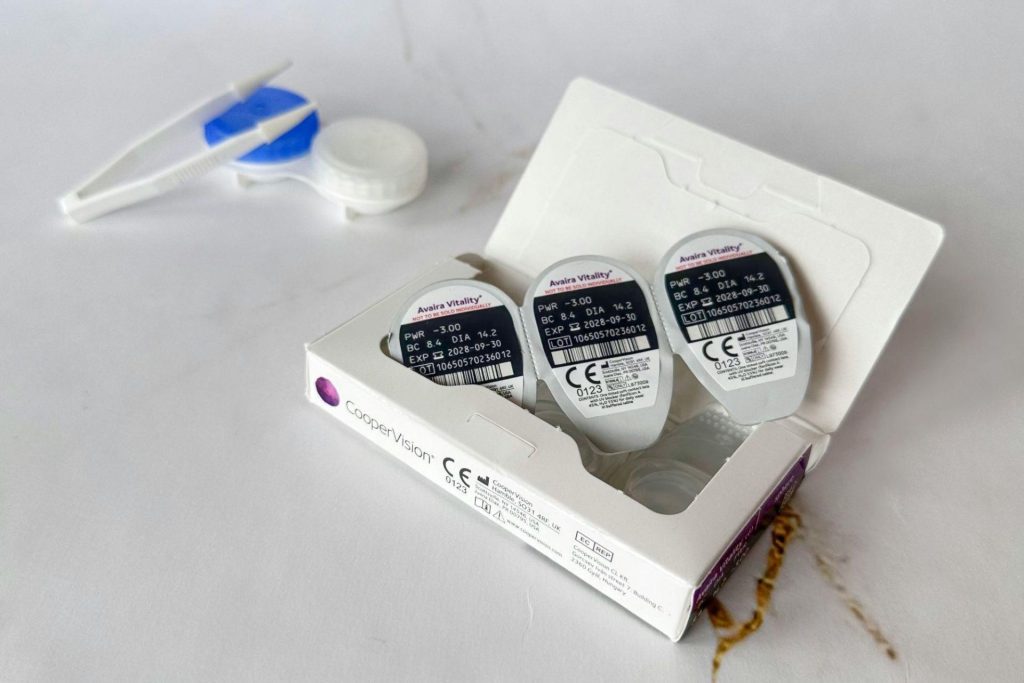
When you want to recycle your contact lenses, first separate the bits and pieces. That includes any paper packaging, the foil, and blister packs.
Paper and plastic are usually recycled separately, so even if you can’t find a specific program to recycle your lenses, you will likely find it easier to recycle the paper waste.
Wipe down your lenses.
Wipe or wash the lenses before you recycle them. The contact lens solution can be problematic, so it’s best to rinse it off.
Don’t assume you can recycle your contacts everywhere.
Disposable contact lenses should be recycled properly. So, look out for specific bins outside eye doctors’, retailers’, or shops’ offices instead of trying to recycle them with your regular waste.
Check mail-in programs.
In case you live in an area where recycling isn’t really possible, research mail-in programs. Bausch + Lomb’s Terracycle seems to be the big mail-in program right now.
Look out for localized recycling schemes.
Programs and initiatives can vary across the U.S. If recycling isn’t the norm in your city or town, check out other local facilities. There might be private facilities that offer local recycling services, or they may provide guidance on how to recycle your lenses in your area.
When and How To Dispose of Daily Contact Lenses
Disposable contact lenses are not intended for flushing down the toilet or drain. If you can’t recycle them, make sure to dispose of them in the trash.
Also, it might be tempting to keep reusing them to extend their lifespan, but this is a big no-no! Rewearing your dailies can lead to eye infections, dry eyes, and other issues.
Other Eyewear Options
If you’re looking for a more eco-friendly alternative to daily lenses, consider trying monthly or bi-weekly lenses. There are some great options out there, including Biofinity and ACUVUE Oasys. These lenses are more durable and moister than ever before, so it’s a great option, even if you have dry eyes.
Then there’s always LASIK if you can afford it and it’s suitable for your eyes. And if that’s not for you, you could opt for eyeglasses, as they are much longer-lasting than contact lenses.
TL;DR
We’re living in an age where questions about waste, climate change, and pollution are becoming more and more important. Many eyewear consumers are learning about how to be more eco-friendly:
- Disposable contact lenses can end up in landfills, where they can take centuries to break down. But there is a growing number of recycling programs.
- Look out for manufacturer mail-in or drop-off programs for used contact lenses. Bausch + Lomb’s Terracycle is a great option.
- If you can’t find an option for recycling your lenses, try to recycle the packaging. Then, dispose of your lenses in the trash, not the toilet.
- Opt for monthlies or LASIK if that’s an option for you.