
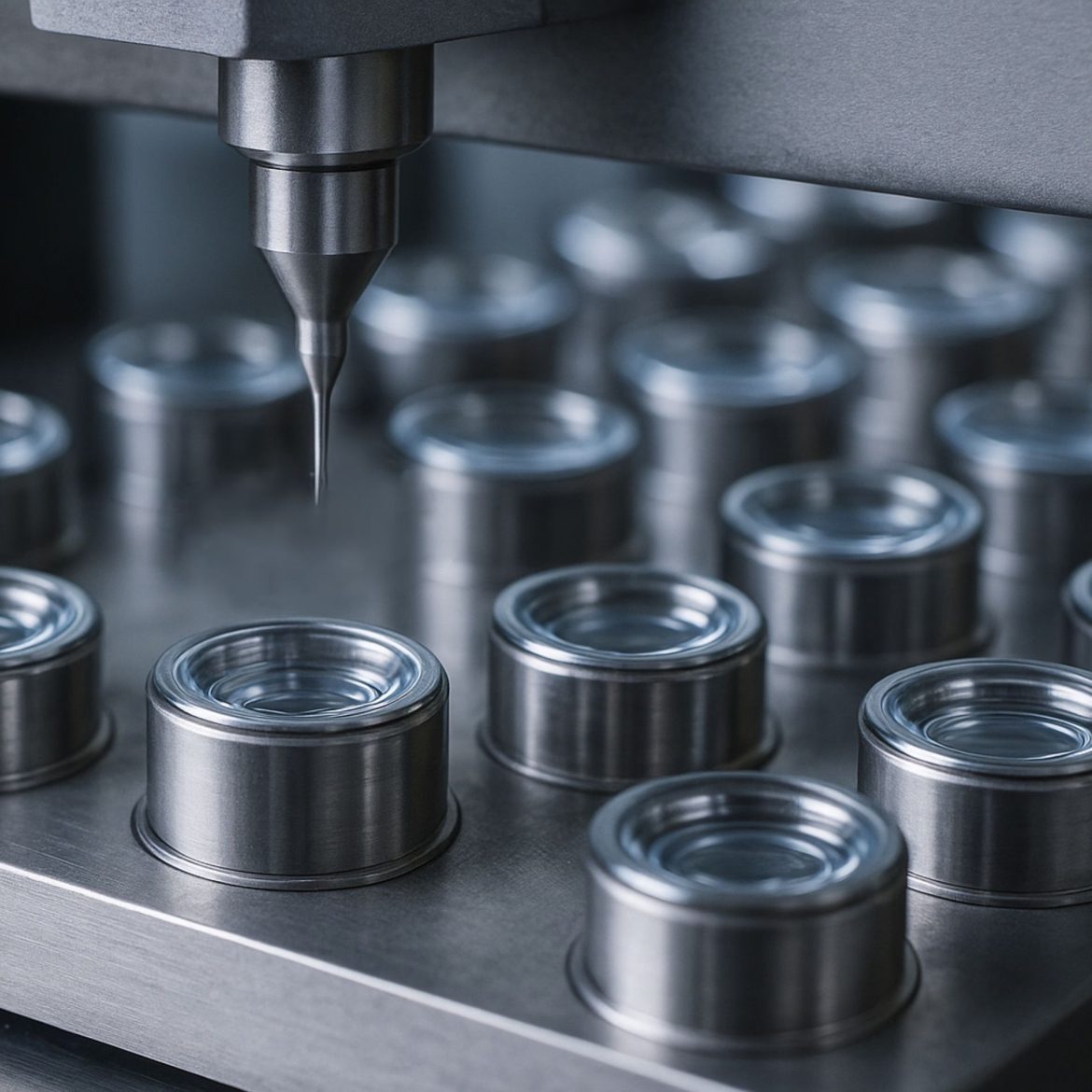

Do you ever wonder how contacts are made? There’s a whole process that goes into creating contact lenses, and it’s fascinating!
Knowing what goes into making them can help you understand the complexity, cost, and environmental consequences. After all, being informed helps you make better consumer choices.
So, how are contact lenses made? We’re breaking it all down!
When Were Contact Lenses Invented?
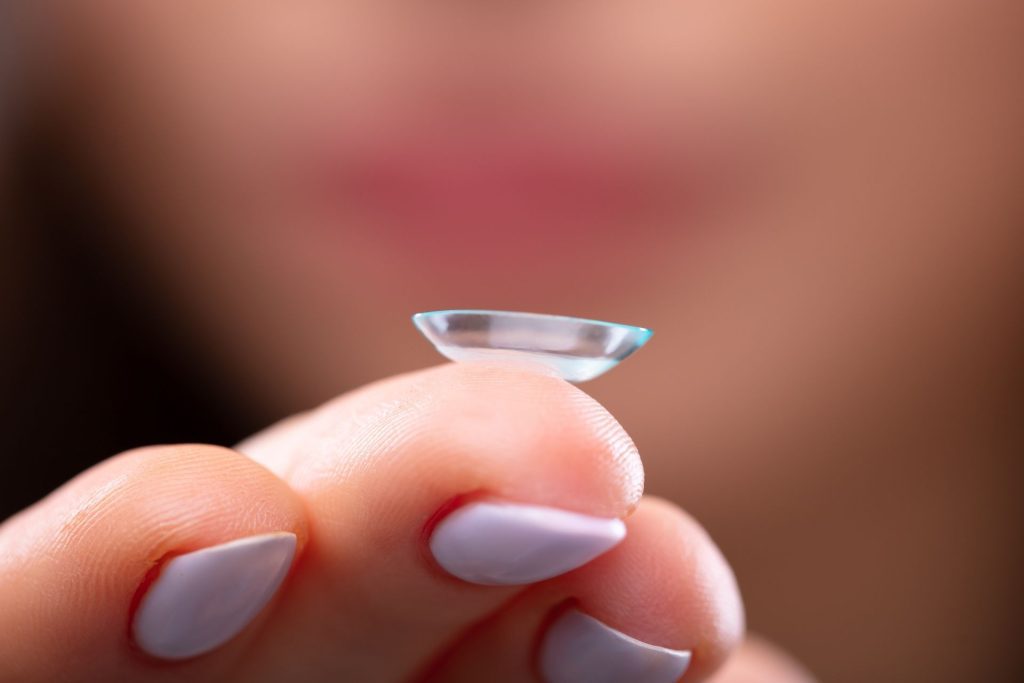
The contact lenses we know and use today are a newer invention. But the backstory is hundreds of years old!
It was actually Leonardo da Vinci who was partly responsible for contact lenses. In the 16th century in Italy, he came up with the ‘Codex of the Eye,’ which he thought could cure eye problems.
Spoiler—it didn’t.
But 150 years later, a mathematician called René Descartes came up with the idea to create a device that should be placed directly on the eye.
Shocker, it also didn’t work! But it was a step closer.
Fast forward to the 19th century, and portable, usable contact lenses were starting to be manufactured. But it wasn’t until recently in the 20th century that they really became safe, popular, and prescribable.
These modern lenses were made to treat vision issues, but they weren’t comfortable enough to wear daily until the ’60s.
What Are Contacts Made From?
Contact lenses are made from plastic, but it’s no ordinary plastic. They come in soft and hard models, which differ slightly.
Soft contact lenses are usually made of hydrogel, which is a revolutionary material that keeps them moist by absorbing water. Silicone hydrogel is another type of material that also lets oxygen pass through the lens, making it more breathable.
Rigid gas permeable lenses are hard contacts that are often made from silicone. They are also breathable but have a different feel and construction from soft lenses.
How Are Contact Lenses Made?
Now you know how and why contact lenses came about, let’s take a peek into the lab.
Injection Molding: Efficient & Modern
This method does what it says. Liquid hot plastic is injected into a mold under pressure. The mold has two parts that are curved in different ways for different prescriptions.
The contacts are cured (hardened) in ovens. These ovens aren’t like the one you have at home; they’re specialized. Once the contacts are ready, they’re placed in their packaging, and they go through an important process.
It involves hydrating them in water so they become soft and comfortable. After that, they’re sealed into their individual lens blister (contact lens packaging).
Finally, the contact lens packet is heated up to over 200 degrees Fahrenheit so that they’re sterilised and safe to use. But not before a batch test!
If the batch passes the test, they’re ready to hit the shelves.
Lathe Method: Precision Cutting
This method is an alternative approach to getting the same results. It starts with a process that produces a blank (the material needed to get started). The blank is made from plastic and is pre-cut to be bigger than the contact lens.
Next step: Super hot wax is used to mount the blank onto a steel part, which spins incredibly fast. As that happens, a specialized cutter (it can be an industrial diamond or laser) that’s attached to the lathe machine produces the curves of the contacts. It’s all very high precision, so the final product is of the best quality.
After that, the next step is polishing. The blank is polished using another machine that cuts and polishes to keep forming the inner and outer shape.
When it’s finished, the contact lens is hydrated, so it becomes softer. Just like the injection molding method, the last step is quality control to make sure all the lenses are safe to use.
Rigid Lenses: Extra Customization
Rigid lenses are often prescribed for people with conditions like astigmatism. In some cases, rigid construction can be more beneficial than soft lenses.
They are made using the lathe method, but they need more customization for the right fit. There’s also another key difference, which is that they are packaged and shipped dry for the doctor to soak them in solution before giving them to the patient.
What’s the Difference Between the Processes?
Injection molding is a great option for large batches of contact lenses. This method is ideal for making more straightforward contacts affordably. This process is efficient and can help bring down the cost of everyday soft lenses.
The lathe method can cost more to use, but it offers higher precision. It can work well for more complex contact lenses like RGP contacts, as well as smaller batches of lenses.
The machinery can also be more costly, the process takes more time, and more resources are used. All of which contributes to specialized lenses costing more.
What’s the Impact on Consumers?
Although it doesn’t make a difference in how you purchase your contact lenses, it’s good to know what’s behind the manufacturing process.
It can help you understand the costs involved with making and selling contact lenses.
It’s also interesting if you’re someone who wants to reduce your carbon footprint. You might be curious about the resources it takes to manufacture everyday necessities.
TL;DR
It’s fascinating to learn how eyewear is made. By understanding the details and costs that are behind the production, you can get a sense of why certain contacts cost more.
- Contact lenses have their roots in da Vinci’s concept of ‘Codex of the eye.’ It took hundreds of years for the design to be perfected.
- In the 20th century, when contact lenses became safe and affordable, different methods of making them came about.
- The key methods are injection molding and the lathe method. Both are used on an industrial scale and are very advanced.
- Injection molding can be a great option for simpler, mass-produced, affordable contacts.
- The lathe method works well for specialized lenses like RGP contacts. But the complexity of the lenses and process can bring costs up.

