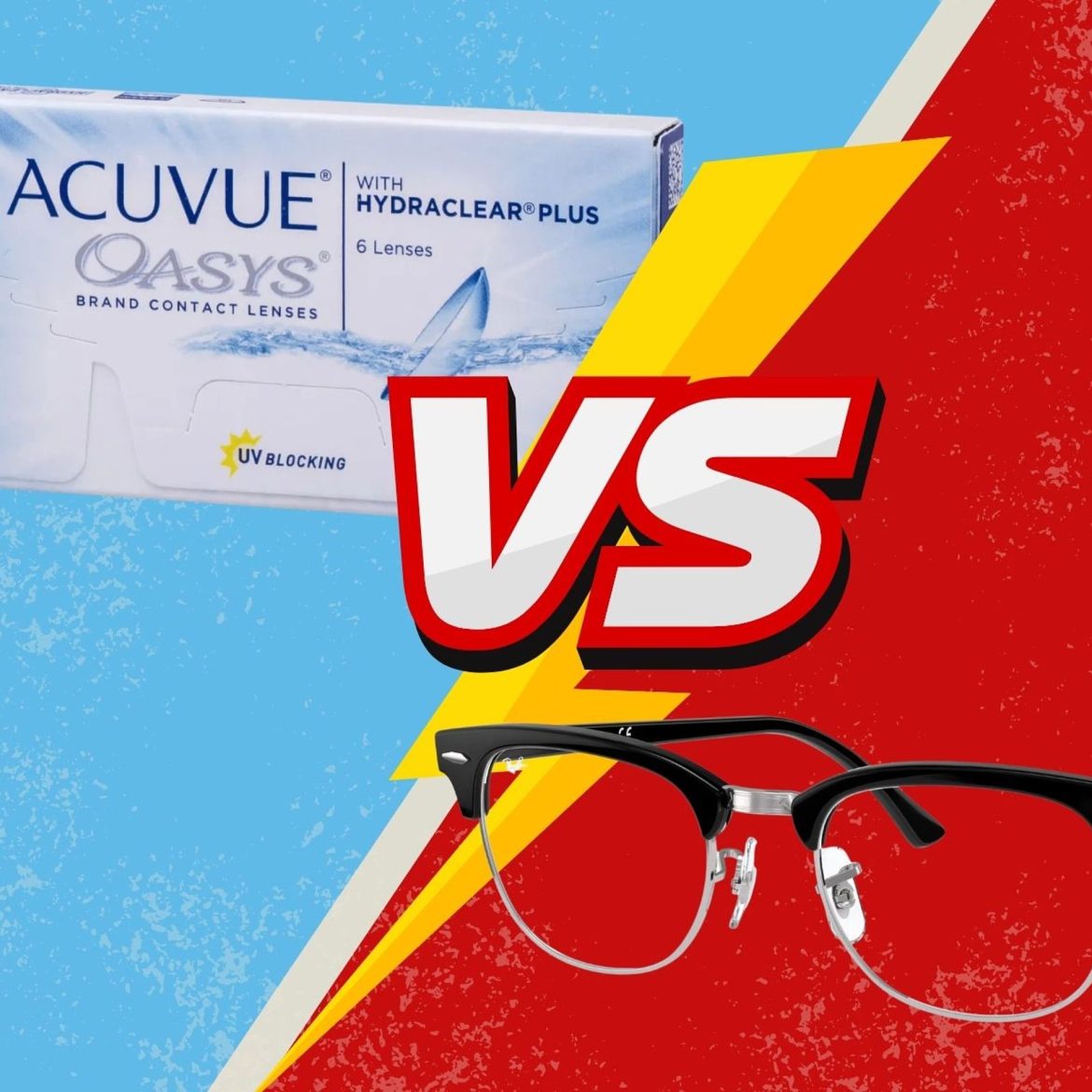

This serious question has been asked for decades…
Are contact lenses cheaper than glasses?
It has had entire generations of eyewear users stumped. From the ongoing cost of contacts to the upfront cost of prescription glasses, there are a few factors at play.
Lucky for you, I’m going to get to the bottom of it.
The Cost Of Glasses
Like almost every product out there, the cost of glasses can vary depending on factors like which brand you choose, the quality, and how well you look after them.
On average, glasses can last from one year to five years, depending on the frame quality and maintenance. Some people need to change their glasses more frequently because of their vision correction needs. But if your vision doesn’t change, you should be able to keep using the same glasses until it’s time for a new pair.
There are thousands of brands to choose from for frames, so you could shop around and see which brands are recommended within your budget.
One way to do this is by checking user reviews. Also, by doing some basic research on the brand and the glasses you’re interested in.
For example, acetate and metal can be more durable than cheaper, flimsy plastic that’s prone to scratching and breaking.
Brands to consider
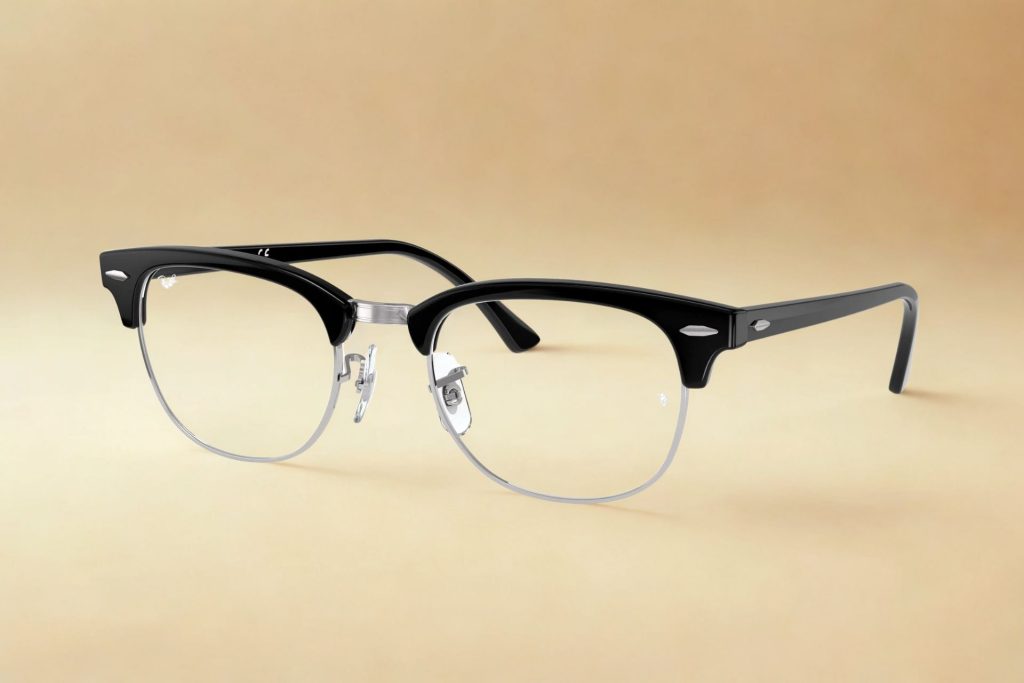
There are specialized eyewear brands like Ray-Ban and Persol that have been around for decades. So, turning to the experts could be a good option, especially if you’re new to wearing glasses and are flustered by all the options available.
The Cost Of Contact Lenses
The cost of contact lenses can depend on which brand you choose and the level of specialization required. On average, people spend around $200 to $1,000 on contact lenses in the U.S. each year.
For example, if you have astigmatism and need Rigid Gas Permeable contact lenses, they could cost more. Or, if you suffer from dry eyes, you may need to invest in lubricating contacts, which could increase the cost.
Then there’s the added cost of contact lens solution and eye drops if you need them.
Brands to consider
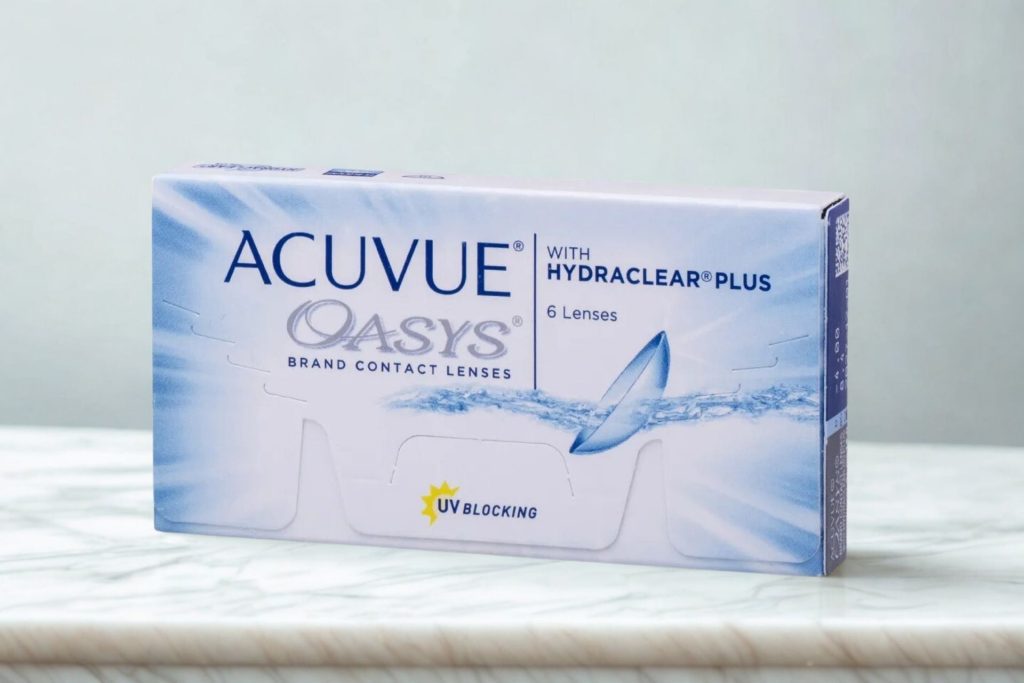
There is a range of contact lens brands to pick from, including Biofinity, ACUVUE, and Eiyan. Depending on your prescription, you might need specialized lenses, but there are many reliable brands to pick from.
What Are Some Factors To Consider
Do you need to wear contacts daily?
“Are contact lenses cheaper than glasses?” It can’t be answered without weighing up a few important factors. Firstly, are you a daily user of prescription eyewear?
If the answer is yes, then here’s a simple calculation you can do to work out if contact lenses are cheaper than glasses.
The equation
Multiply the cost of your daily contact by 365 days.
For example $0.85 (per pair of daily contacts) x 365 days = $310.25 per year
Now, look at a pair of glasses that are reputable; getting a recommendation from your doctor can help. But let’s say you find a pair with the frames and lenses that come to $250. Then they work out cheaper than a year’s worth of dailies.
The Verdict
So the verdict is that if you need to wear your contacts every day, then yes, glasses may work out cheaper.
Are you an occasional prescription eyewear user?
If you only need your contact lenses occasionally or for a specific activity, such as reading, then you could need fewer boxes of contact lenses.
So then, the calculation you could do to figure out whether contacts or glasses are cheaper is to work out how many contacts you buy on average per month.
Daily lenses suit occasional wearers; there’s no ongoing maintenance like there is for monthly lenses.
The equation
So let’s say you buy a box of daily lenses with 30 contact lenses inside, and this box lasts you two months.
Multiply the cost of the box by six months (to get the cost for a year).
For example: $30 x six months = $180
Now compare that to the cost of a pair of suitable glasses.
The verdict
Glasses might still work out cheaper, assuming they last over a year and are not a fancy top-end of your budget designer pair.
But suppose you prefer the look and feel of wearing contact lenses, as an occasional user. In that case, they won’t work out as costly as for daily users.
Do you have easily irritated eyes?
If you have dry or sensitive eyes, it can take some time to find contact lenses that don’t further irritate your eyes. You might need to try several pairs and get advice from your doctor. They could recommend solutions like eye drops or a specific brand of contacts.
The equation
Once you find a brand of contact lenses alongside any additional products you might need, such as eye drops, then add up the monthly cost and multiply by 12 months.
For example: $45 (sample cost of a box of contacts) x 12 months = $540
Now compare that to the cost of prescription glasses.
The verdict
It could work out cheaper to stick to glasses for users with easily irritated or dry eyes. Specialized contacts, such as those with hydrogel, and the ongoing cost of eye drops could be steeper than purchasing glasses.
Glasses are less likely to irritate your eyes, and you might not even need any eye drops.
TL;DR
Either contact lenses or glasses can work out cheaper, depending on a few factors:
- The cost of glasses and contact lenses can depend on the brand, quality, and type of lenses you need. It’s wise to shop around and get advice from your doctor.
- Are you a daily contact lens user or a monthly user? Monthlies can work out slightly cheaper. But they take more effort to maintain.
- Do you only wear contacts occasionally? If so, glasses could work out cheaper, but consider if you prefer the look and feel of contacts.
- Once you find the right contact lenses or glasses, determine which option is more cost-effective by comparing the cost of your contacts for the year to the cost of the glasses.
Bottom line: Either contact lenses or glasses could end up being cheaper, depending on factors like the brand, quality, and how often you have to wear contacts or glasses.

