


Do you get headaches when you wear contacts? Have you wondered if it’s the contacts or… well, you? The answer to “can contact lenses cause headaches?” is complicated!
Headaches are just symptoms. Underlying factors and conditions are triggering your headaches. And wearing contact lenses is actually setting off an alarm, telling you to address these factors and conditions. Let’s get into this and see what’s really going on.
Incorrect Prescription or Fit
One of the leading causes of headaches is wearing the wrong contacts. Your prescription may not be updated, or the lenses may be a poor fit.
When your lenses do not match your optical correction needs, your eyes strain to adjust and compensate. Consistently straining your eyes can cause headaches. If you think this is what’s causing your headaches, check in with your doctor right away to get the right prescription.
Poor Contact Lens Hygiene

Consider how you handle your lenses. Do you always wash your hands before touching your contacts? Do you soak and store your lenses using fresh solution and in a proper lens case?
Straying from good contact lens hygiene can introduce contaminants and bacteria to your lenses. Using lenses that are exposed to these contaminants can lead to eye infections. Headaches are symptoms of these infections.
So, always make sure to get your eye doctor’s advice and follow the lens manufacturer’s instructions on handling their product.
Allergic Reactions
You might also be allergic to the materials used for your lenses. Headaches are symptoms of allergies, as are itching, redness, watery eyes, and swelling.
Soft contact lenses are generally made from hydrogel or silicone hydrogel. Hydrogel is a type of plastic, while silicone hydrogel combines silicone with hydrogel. Hard or RGP contact lenses, on the other hand, are made from copolymers, which include Polymethyl Methacrylate (PMMA), silicone, and Fluorosilicone Acrylate.
While there are no exact numbers on how many people around the world are allergic to these materials, it is estimated that of the 15% to 20% of the population with allergies, a good 60% experience ocular allergic symptoms.
It’s a good idea to get tested for allergies before switching to contacts, so you know your sensitivities.
Dry Eyes and Irritation
Contact lenses sit on top of your corneas and interfere with your natural tear film. You may experience dry eyes and irritation because of this, and then come the headaches.
Manufacturers address this issue through their lenses’ hydration features. However, this doesn’t always work!
Some people are also naturally more prone to dry eyes. Plus, lens hydration can lessen the longer you wear your contacts. This just leaves you dealing with dry eyes and headaches while wearing your contacts.
You can relieve your dry eyes—and consequently, your headaches—by using over-the-counter remedies like artificial tears or eye drops. Or, maybe just take off your contacts after a few hours of wearing them.
Switching to daily disposables is also a solution. Monthly disposables are prone to protein buildup, which compromises lens hydration. With dailies, you enjoy fresh new contacts every day, and there’s no risk of protein buildup from improper handling and cleaning.
Corneal Issues
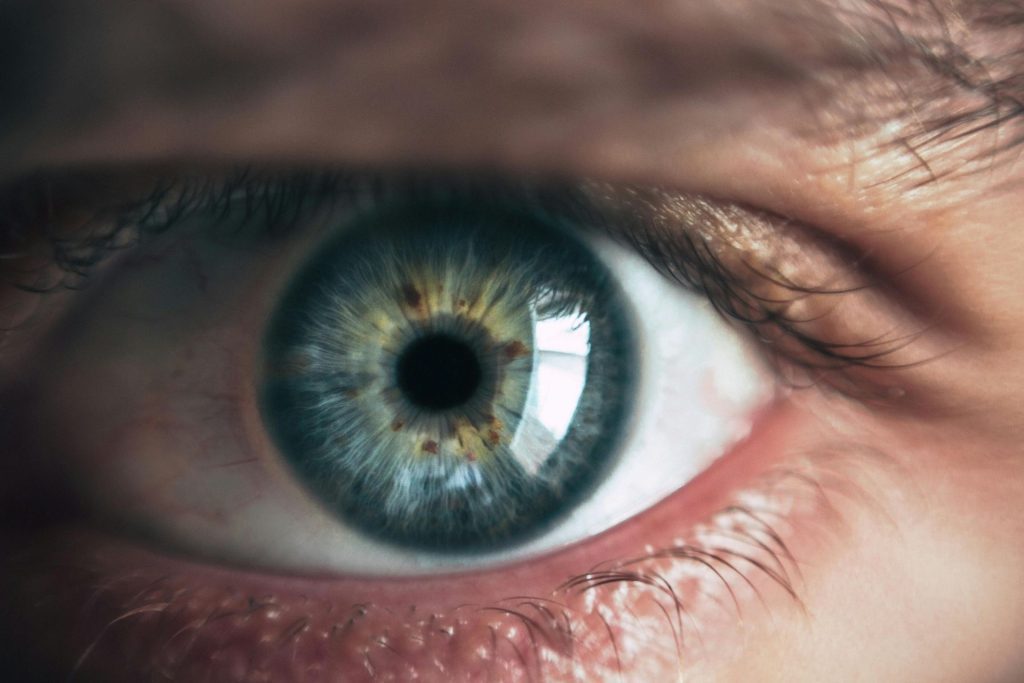
Headaches from contacts might be caused by underlying conditions with your cornea. You may have corneal abrasions or infections. Wearing contacts just aggravates this issue.
If you have a headache and are experiencing other symptoms, such as pain, light sensitivity, and the sensation of having a foreign body stuck in your eye, see your doctor right away! Corneal damage is serious and can lead to vision impairment and even blindness.
Computer Vision Syndrome (CVS)
CVS is more commonly known as digital eye strain. It is caused by extended exposure to digital screens. Aside from headaches, you may also experience dry eyes, blurred vision, and eye strain when you’re suffering from CVS. Wearing contact lenses just makes these symptoms worse.
So, after reading this article, turn away from your screen and rest your eyes. Practice the 20-20-20 rule: every 20 minutes, take a digital screen break by looking at something 20 feet away for 20 seconds.
Presbyopia

Presbyopia is an age-related eye condition where you lose the ability to focus on up-close objects. This condition can sneak up on you. If your presbyopia is undiagnosed and you constantly squint to read your phone or the menu, you’re straining your eyes. This can lead to headaches.
If you suspect presbyopia, see your doctor and get an eye exam. Have your prescription updated. You might need to get reading glasses. Or better yet, your doctor might just recommend presbyopia or multifocal lenses to correct your eye condition.
Other Vision Problems
Other vision problems or conditions, when left undiagnosed, will cause symptoms that include headaches. It could be something as common as undiagnosed nearsightedness or astigmatism. Or, it could be something more complicated and serious, like cataracts.
These conditions will eventually surface and let themselves be known to you through symptoms, such as headaches. Getting regular eye exams is the best way to ensure you’re on top of your eye health game!
Medications and Underlying Health Conditions
Certain medications and underlying health conditions may affect your eyes and cause headaches, whether or not you wear contacts.
If you are medicating for an underlying health condition and you begin to experience headaches while wearing contact lenses, talk to your doctor about it. It might help to switch to eyeglasses in the meantime.
TL;DR Summary
So, can contact lenses cause headaches? Headaches may be indirectly caused by wearing contact lenses. These are just symptoms, and you need to address the root cause.
- Get regular eye exams to ensure that your prescription is updated. The wrong prescription and lens fit can cause headaches.
- Practice good hygiene whenever you handle your contacts. Follow the lens manufacturer’s instructions about their product.
- Your headaches might also be a sign that you’re allergic to the lens material. Get tested for allergies to see if that’s the problem.
- Wearing contacts can also cause dry eyes and irritation, which may lead to headaches. Artificial tears (eye drops) can help. You can also just take off your lenses after a few hours. Or, try switching to daily disposables so your contacts are fresh each day.
- Corneal issues are worsened when you wear contacts. Symptoms may include headaches. If you suspect something is wrong with your cornea, get checked out immediately.
- You may also experience headaches from prolonged exposure to digital screens. This is called Computer Vision Syndrome (CVS). Take breaks from staring at your digital screens.
- Undiagnosed vision problems, such as presbyopia, may also cause headaches due to eyestrain.
- Underlying health conditions can also strain the eyes and cause headaches. Wearing contact lenses just exacerbates your symptoms.
If you experience persistent headaches while wearing contact lenses, talk to your eye doctor about it right away. Remember that headaches are just symptoms. You need to address the actual cause.

