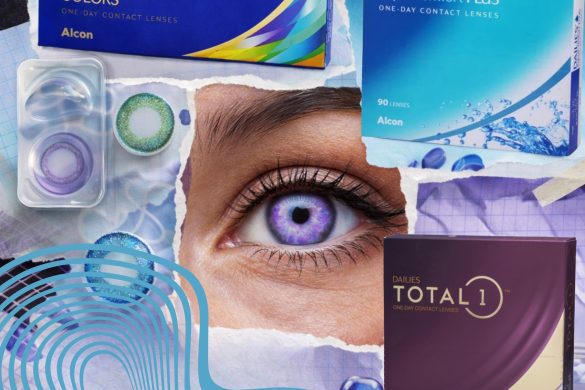
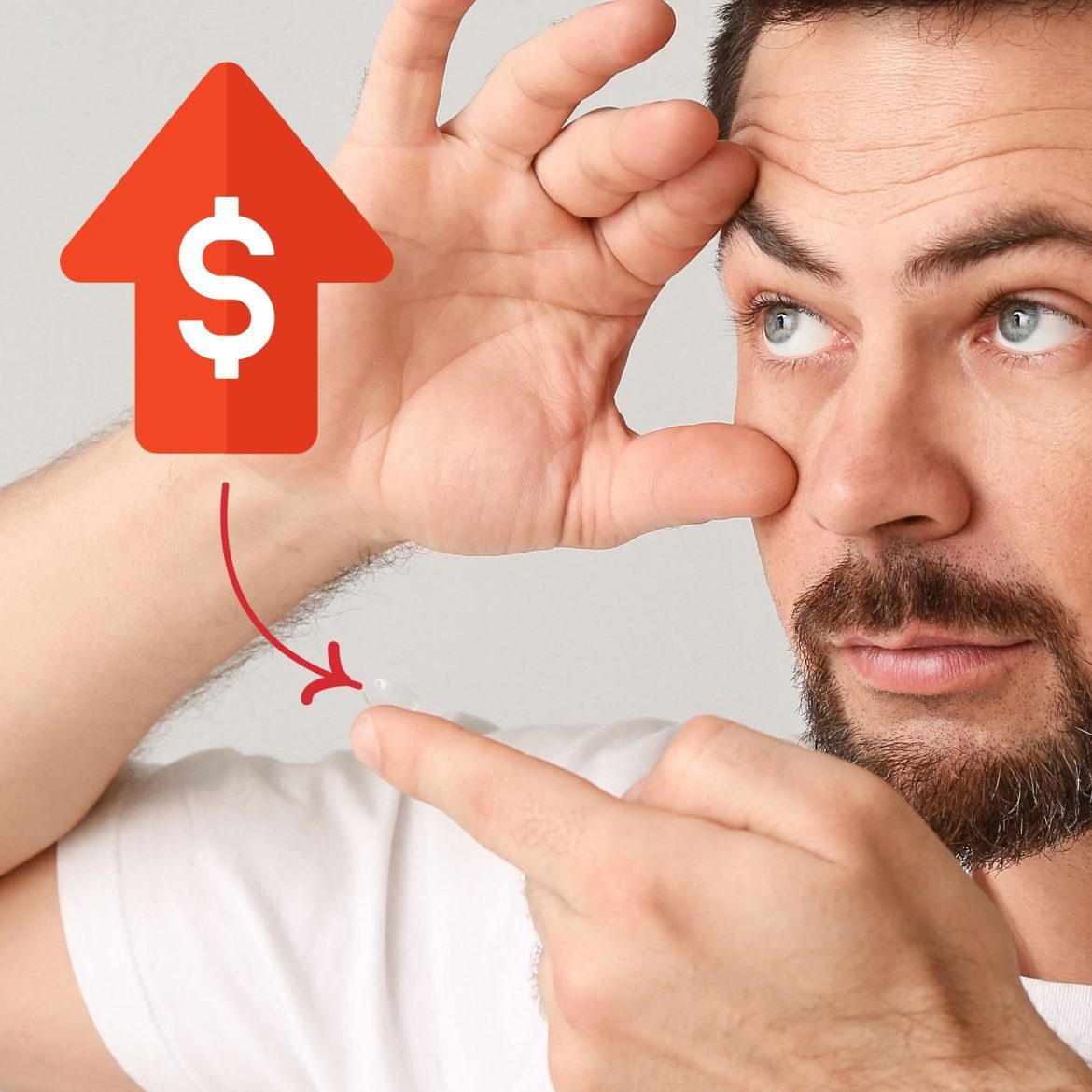
Lately, prices for everything from eggs to gas have gone through the roof. If you’ve worn contacts for a while, you’ve probably noticed that the best contact lenses seem to be costing more by the day, too. Or maybe prices are preventing you from even giving them a try.
What’s causing the rising costs? And what can we do about it? Keep reading to find out!
Potential Causes of High Contact Lens Prices
A mix of industry changes, product upgrades, and economic realities is pushing contact lens costs higher in 2025. Prices that once felt manageable are starting to stretch budgets and make people think twice.
Here’s what’s driving this unfortunate trend:
Inflation is always an issue.
Inflation is still a major disruptor in 2025, and contact lenses aren’t immune. Prices typically rise 2–3% each year, but we’re still feeling the effects of pandemic-era inflation, which peaked around 9%.
When the economy is in flux, the cost of everyday items like contact lenses can skyrocket!
Materials matter.
Over time, there have been significant improvements in the manufacturing of contact lenses. For example, gas-permeable lenses used to be made from a cheap plastic. Newer lenses are made with higher-quality, more breathable materials, which improve comfort and performance, but come at a higher cost.
Complex prescriptions are costly.
If you have a condition like astigmatism or presbyopia, you likely require specialized lenses; the more complicated the prescription, the higher the cost of the lenses. On a positive note, it’s usually money well spent. The right lenses can make a huge difference in your day-to-day life.
Big names mean big money.
Some brands simply cost more. They might feel justified based on their history and reputation in the industry. So, honestly, it’s worth doing a price match and trying different manufacturers to determine which brand makes the most sense for your needs. The most expensive lenses aren’t always the ones that feel the best!
Retailers need to price for profit.
You might have noticed that some eyewear stores charge different prices for the same contacts. Why?
Physical stores can have HUGE expenses, like high rent, utility bills, displays and decor, and salaries. The money needed to afford upkeep is made through sales. Higher overhead is usually reflected right on the price tags you see on the shelves.
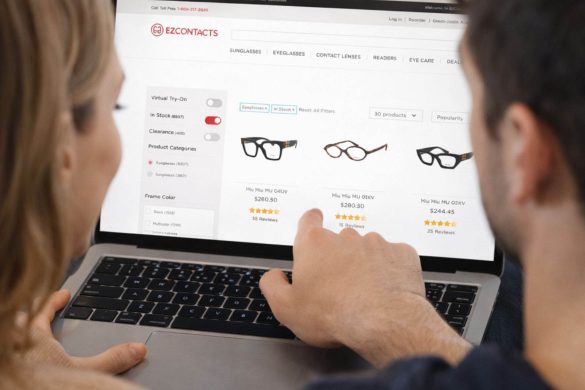
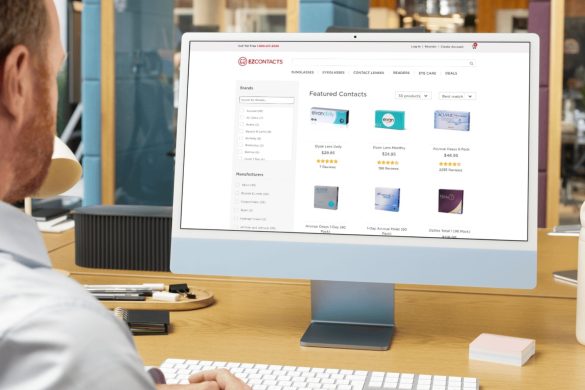
On the other hand, online retailers like EZContacts have fewer expenses. They can offer amazing discounts and even price match. Overall, they’re typically cheaper.
Ways to Save Money on Contacts
Whether or not the best contact lenses have become too expensive is up for debate. There’s no easy answer, as the matter of cost is highly subjective.
The most important thing to remember is that you can push back against price increases. These are some things you can do to keep costs more manageable:
Monitor prices.
You don’t need to start keeping a tracking spreadsheet, but it’s worth keeping an eye on any fluctuations to see when and where you can get the best prices.
Remember to look for any potential sales, bulk pricing discounts, and loyalty reward programs.
Try switching lens types.
You can save over the long run with monthly contacts, as daily contacts cost more. You need 365 pairs for the year vs. 12 pairs of monthlies. Think about the reduced waste, as well.
The biggest problem is that some people find monthly contacts are less comfortable and more complicated to maintain than dailies. Still, a switch is worth a shot! You can always go back.
Use a subscription service.
Automated delivery is as beneficial for buyers as it is for sellers. Having your contacts shipped to you on a schedule is super convenient. Plus, the best programs put you in complete control of product counts and shipment frequency.
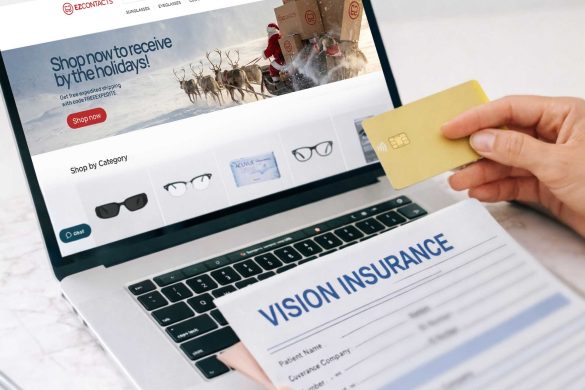
Start looking around for contact lens subscriptions. For example, EZContacts offers a 10% discount for an ongoing subscription, and the savings come with other perks like scheduled delivery and easy subscription management, a full 30-day satisfaction guarantee, and hassle-free returns.
Consider LASIK surgery.
Have you considered LASIK so you never have to buy contact lenses again? It’s worth crunching the numbers. Let’s break it down like this:
- Determine the cost of LASIK eye surgery, and get a few quotes for comparison. Let’s assume it costs $4,000 for both eyes.
- Calculate how much you spend per year on your contact lenses (including maintenance and solutions). For example, daily disposables often cost $600–$1000 per year, including solution. Let’s say yours cost $700 annually.
- Now, divide the LASIK cost by your yearly contact lens expenses, and see how long it will take you to “break even.”
$4,000 ÷ $700/year = ~5.7 years
If we go off this example, you can see it takes about six years of not buying contacts for you to break even with LASIK. With this in mind, consider whether it’s worth it to stop purchasing contacts to pay for surgery instead, even though you won’t see the savings for years.
TL;DR Summary
The best contact lenses aren’t always the cheapest, but they don’t necessarily have to be the most expensive either.
Here’s a breakdown of why costs are rising in 2025:
- National and global economics impact the cost of contacts.
- Materials make a difference.
- Complex vision correction needs can drive up prices.
- Retailers need to protect their bottom line.
- Brand names and high-quality lenses aren’t always budget-friendly.
While you might be feeling the pinch now, as a savvy shopper, you do have options:
- Monitor prices.
- Change lens types.
- Take advantage of subscription discounts.
- LASIK (but it would take years to break even)
If you play your cards right, you can continue to enjoy high-quality contact lenses without breaking the bank!