
How often do you really look at yourself in the mirror? I’m not talking about a glance while you brush your teeth or looking while you apply makeup.
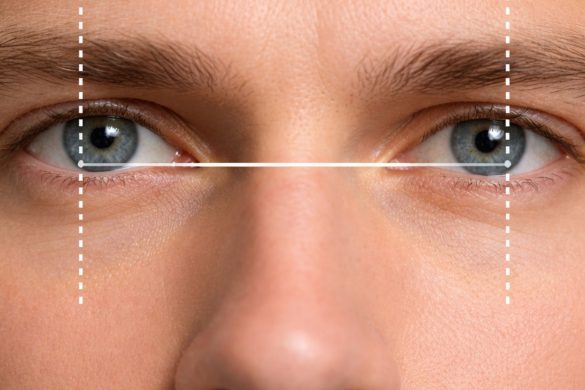
I mean, when did you last notice how your face has changed? Some people don’t do this for a while. Then, they take a closer look and think, wait, how and why is one eye bigger than the other?!
If you’re wondering this, I’m here to help. Let’s get into the possible causes and treatments.
Possible Causes for One Eye Being Bigger Than the Other
Genetics
Your genetics play a huge part in your facial features and even the symmetry of your face. Some people are just born with and continue to have less symmetrical faces, which is why one eyeball is bigger than the other. Some people are also more prone to certain eye conditions because of their genetics.
Genetics can play a role in your bone structure and skin elasticity, which can affect how your eyes appear on your face. Your genetics can also affect how your face changes over the years.
Aging
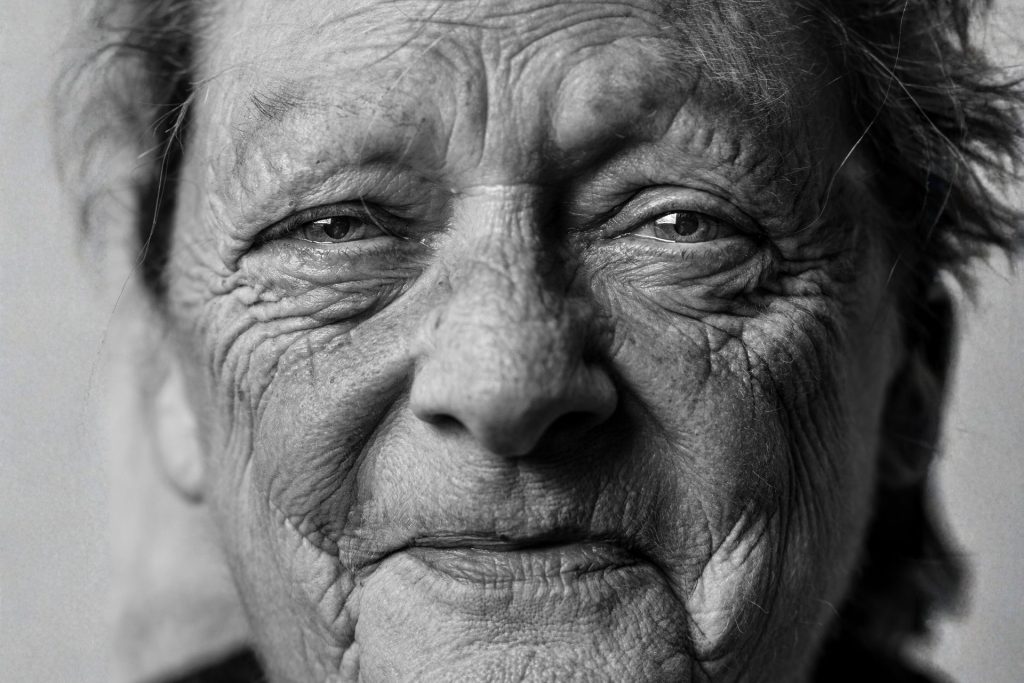
Sometimes, natural aging can change how the fat around your eyes is spread. This can make one eye look bigger than the other. With age, your skin can become more slackened, leading to droopy eyelids.
Skin changes can lead to less facial symmetry over the years. But again, it’s a natural process that we all go through to varying extents.
As you get older, you could also be at higher risk for some medical conditions, like thyroid disease, which can make your eyes look bulging. Orbital tumors can also develop with age.
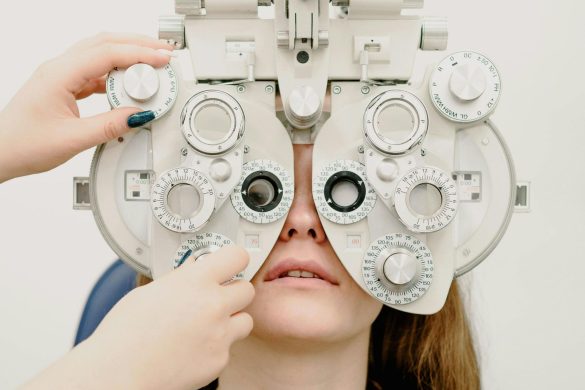
That’s why it’s important to go for regular eye checkups. If you notice something strange developing in your eyes, don’t wait. Get it seen to right away.
Lifestyle Factors
You can’t really stop certain aesthetic changes in your skin as you age (we all get older). DNA predetermines some features, but lifestyle choices also play a part in what you can control.
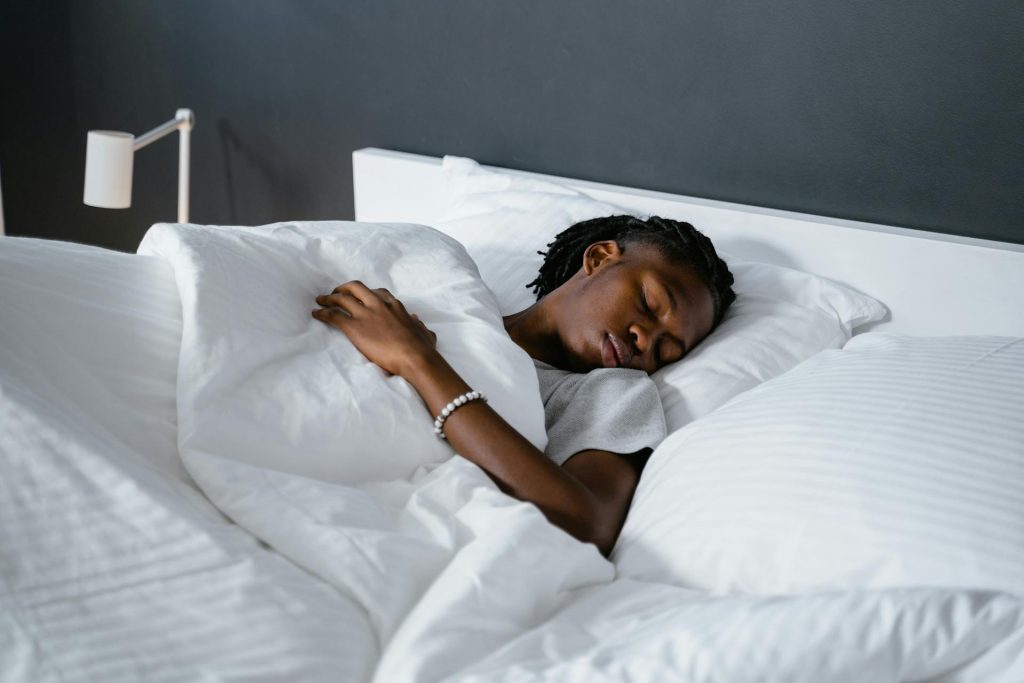
Some habits can increase facial asymmetry and affect how your eyes appear. Sleep is a major consideration. If you don’t get enough sleep or it’s frequently interrupted, it can make your eyes appear different sizes.
That’s because of common causes like puffiness and dark circles. They are stubborn and frustrating, but in most cases, they’re reversible. Sometimes these symptoms can appear more pronounced in one eye, which causes asymmetry.
Stress is another big factor. Fatigue can make your muscles tense, even the ones around your eyes!
This leads to one of the most common causes of tired, asymmetrical eyes: spending too much time on devices.
Hopping between your smartphone, TV, laptop, and iPad for hours on end comes with consequences for your eyes. While it’s tempting and sometimes necessary (for work), digital eye strain can impact your eyesight and how your eyes appear. It can cause asymmetry, puffiness, and dark rings.
Increasing sleep, cutting down on device time, using lubricating eye drops, and wearing blue-light glasses could help. Consult your doctor before trying any medical measures, though.
Eye Trauma and Diseases That Can Cause Asymmetry
Eye trauma
An eye trauma can happen when playing sports. Or, it could occur in more serious events such as car accidents. While you can’t always control what’s going on around you, you can wear proper goggles and protective gear when playing sports, riding a bike, or using tools.
Graves’ disease
Graves’ disease is a form of hyperthyroidism, which is a condition that affects the metabolism, among other things. It can lead to thyroid eye disease (TED), which can make the eyes appear to bulge. Sometimes, it can also make one eye look bigger than the other.
If you experience symptoms of TED, such as bulging eyes, a gritty feeling in the eyes, or puffy eyelids, be sure to reach out to your doctor.
Bell’s palsy
This is a type of temporary facial paralysis that can cause half of your face to droop, affecting the muscles of your face, including your eyes.
It’s not fully known why and how it occurs, but it could be due to nerve damage or complications from a viral infection. This condition has temporarily affected celebrities, including Angeline Jolie and George Clooney, so it can really happen to anyone.
The important thing is to get it checked out immediately. Talk to your doctor about treatment options, such as facial therapy or medication.
Stroke
Having a stroke can affect facial muscles, leading to asymmetry and making one eye appear larger than the other.
Some people recover fully from strokes, but it can take time and working with physical therapists to regain use of facial muscles.
Sometimes It’s Just Natural
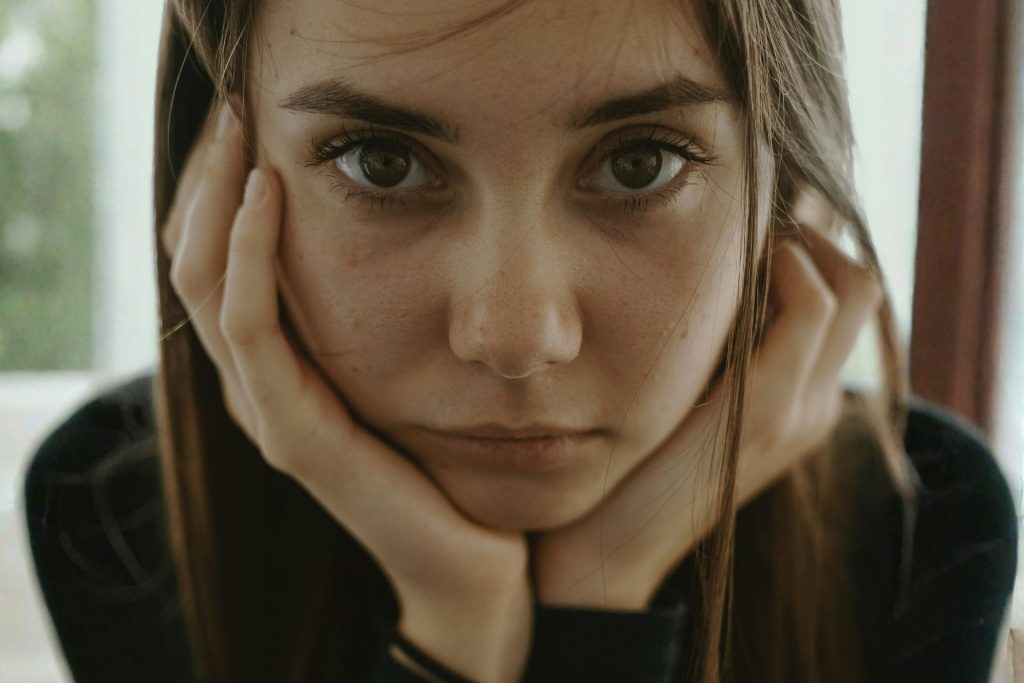
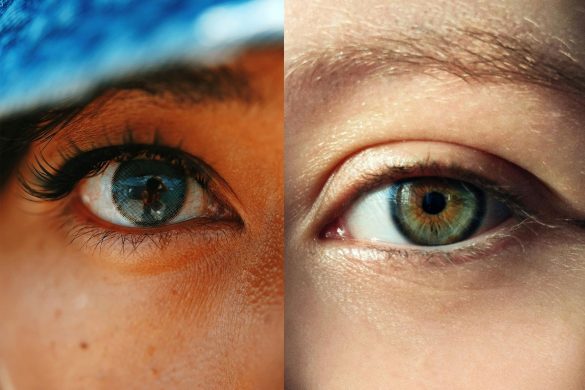
It’s important to remember that most people have some kind of asymmetry in their faces. It’s common to have one eyebrow that sits higher, for one cheek to have more fat, or for one eye to appear slightly smaller.
Society has become obsessed with symmetrical faces, but in reality, these little differences are what make us unique!
TL;DR
While facial symmetry is sought after, it’s actually perfectly normal to have some asymmetrical features. So if you’re asking yourself, “Why is one eye bigger than the other,” keep calm. Here are some explanations:
- Genetics play a part in how your facial features develop; some people are just born with different-sized eyes.
- Lifestyle is one cause, since too little sleep and too much screen time can make the eyelids puffy and swollen, sometimes making one look different.
- As we age, facial muscles and skin can change, becoming looser, causing the eyelids and under-eye skin to change how the eyes appear.
- Certain diseases and conditions, such as hyperthyroidism and strokes, can cause the eyes to seem droopy or bulging, making one look bigger at times.
- If you’re worried about your eye health, it’s important to see your doctor.