
Do you often experience eye twitches? It can be a strange and jarring sensation, especially if you’re unsure what’s causing the twitches.
That’s what we’re here to discuss. We’ll go through what eye twitches are, what causes them, and ways to stop them. Let’s dive in!
What Are Eye Twitches?
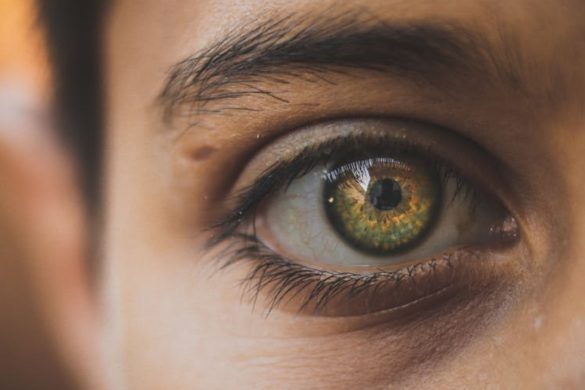
An eye twitch, which is clinically called an eyelid myokymia, occurs when the eyelid spasms uncontrollably. It’s a type of myoclonus (uncontrolled muscle movement) that many people experience.
Eye twitches are often caused by faulty signaling, disruptions, or malfunctions in the nervous system. Your eyelids are directly connected to your brain through your facial nerve.
Eye twitches are often slow and rippling, almost like a wave. They’re not typically painful.
An eye twitch can last anywhere from a few minutes to a few days, depending on what’s triggering it. It usually affects just one eye at a time. The spasm can come from either your upper or lower eyelid, but it’s more likely to come from the lower eyelid. In rare cases, it can affect both your eyelids.
Common Eye Twitch Triggers & Treatment Options

There are many common eye twitch triggers. Identifying the cause of your eye twitches is important because it will help you determine the best treatment option.
Let’s go through some common triggers and treatment options.
Cause 1: Stress
Stress is a common trigger of eye twitches. When your body is stressed, it releases the hormones adrenaline and cortisol. These hormones overstimulate the eyelid muscle, which causes your eye to twitch.
Treatment Options
One of the best ways to reduce eye twitches caused by stress is to, well, reduce your stress. Of course, this is easier said than done.
The CDC lists some helpful stress management techniques to try, including deep breathing exercises and meditation. Exercise is another good way to reduce stress, as is limiting caffeine and alcohol, getting more sleep, and spending time outdoors.
Cause 2: Tiredness

Tiredness is another common eye twitch trigger. Fatigue can weaken the nervous system and disrupt neurotransmitter balance. This can lead to overstimulation of muscles, including the eyelid muscle.
In addition, tiredness can lead to eye strain. This then increases the chance of your eye twitching. Tiredness can also exacerbate other issues that can lead to eye twitches, like dry eyes.
Treatment Options
Try to get more sleep if you can. Doctors recommend eight hours of sleep a night. If you’re getting that amount of sleep and still feeling tired, try sleeping another hour or two per night.
If you often find yourself tossing and turning and having trouble falling asleep, follow sleep hygiene best practices. Make your room as dark as possible, and mask noise with a white noise machine. Lower the temperature in your home; most people sleep best in a cool room. Keep electronic devices in another room as well.
Of course, it isn’t always possible to get more sleep. Perhaps, for example, you have a new baby who’s waking you up during the night. In this case, use some of the other eye twitch treatment options listed. I’ll also go through some more general eye twitch solutions later in the article.
Cause 3: Dry Eyes
If you have dry and irritated eyes, your nervous system may try to overcompensate for the lack of moisture by sending excessive blink signals to the eyelid. This can then cause your eye to start twitching.
Treatment Options

Try using eye drops like artificial tears to add more moisture to your eyes. Artificial tears provide temporary relief for dry eye by adding moisture and improving the function of the tear film of the eye.
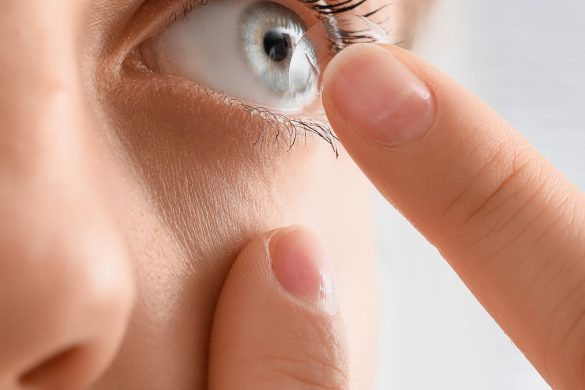
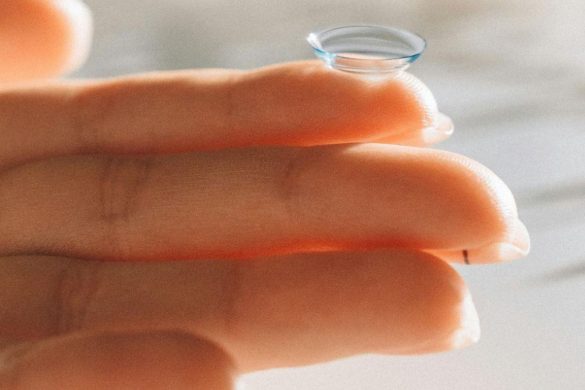
If you use contacts and they’re causing your dry eye, use rewetting drops. They help keep the lenses moist and comfortable.
Cause 4: Allergies

One of the symptoms of an allergic reaction is itchy and irritated eyes. This irritation could trigger an eye twitch.
Also, when your eyes are itchy, you’ll want to rub them to alleviate the itch. However, this can actually make your symptoms worse, as rubbing can release more histamine into your eyes. This could also then potentially trigger an eye twitch.
Treatment Options

Try treating your allergies with an oral antihistamine or antihistamine eye drops. These drops are specially formulated to block histamine H1 receptors and prevent further release of histamine in the eye.
These drops are available over the counter, and you can buy them online and at many pharmacies. However, be sure to consult with your doctor before using allergy drops. Antihistamine drops can sometimes lead to dry eye. If you’re already prone to dry eye, antihistamine drops could potentially exacerbate the condition.
Cause 5: Too Much Screen Time
Do you spend many hours of the day staring at a computer screen? This could potentially be the cause of your eye twitches.
Eye twitches are one of the symptoms of Computer Vision Syndrome, which is also known as digital eye strain. This is a collection of eye and vision-related problems that result from prolonged screen use.
In our increasingly digital world, many people experience symptoms of this condition. Too much computer use can lead to eye strain, dry eye, and fatigue, all of which are triggers for eye twitches.
Treatment Options
Limit your screen time where possible. After you finish work for the day, try to do non-screen-based activities.
While you’re working, follow best practices for taking care of your eyes, including the 20-20-20 rule. Every 20 minutes, take a break from looking at your screen. Look 20 feet ahead for 20 seconds.
Also, make sure you’re blinking frequently. We often blink less while looking at a screen, which can lead to dry eye. If you notice your eyes are getting dry, use some artificial tears.
You could also adjust your workspace. Adjust the screen settings to make the text bigger, and consider using a blue light filter. Also, adjust your computer monitor so your screen is at eye level.
In addition, consider using computer glasses. These glasses are specially designed for computer use, and they help you see better from 20 to 26 inches away. If you frequently experience symptoms of digital eye strain, these could be a good choice for you.
Cause 6: Caffeine, Alcohol, or Tobacco

Caffeine, alcohol, and tobacco can all trigger eye twitches. Caffeine is a stimulant, and it can overexcite your muscles and nerves, which leads to twitching.
Tobacco is also a stimulant, so it works similarly to caffeine in that it overexcites your muscles and nerves. In addition, smoke is an eye irritant, and it can cause redness and dryness in your eyes, which can then trigger an eye twitch.
Alcohol is a diuretic, which means it has a dehydrating effect on your body. Dehydration can then trigger an eye twitch. In addition, alcohol can cause fatigue and a general disruption of your nervous system, which are other triggers.
Treatment Options
Try to cut back on these substances to reduce your eye twitches. Limit your use of alcohol and caffeine, and consider reducing or quitting nicotine.
If, for example, you typically drink three cups of coffee in the morning, try cutting back to one. See if that helps reduce your twitches.
Cause 7: Nutrition Deficiencies
Numerous vitamins and minerals play an important role in proper muscle function. This includes magnesium, potassium, vitamin B12, and vitamin D. If you aren’t getting enough of these vitamins in your diet, it can potentially lead to eye twitches.
Treatment Options
Try to incorporate more foods that are rich in these vitamins into your diet. Magnesium can be found in bananas, pumpkin seeds, avocado, beans, spinach, and kale. Eggs, sardines, beef, fish, and dairy products are all high in vitamin B12.
For more vitamin D, incorporate more eggs, fish, mushrooms, dairy, orange juice, and yogurt into your diet. For more potassium, eat more bananas, avocados, oranges, sweet potatoes, tomatoes, and spinach.
Other Eyelid Twitches Treatments to Try
We’ve discussed treatments for specific eye twitch triggers. Now, let’s go through some treatment options that can help generally.
Use a Warm Compress
A warm compress is a simple way to reduce eye twitches. A compress can sometimes relax the muscles in the eye, which can calm twitches.
Wet a washcloth with warm water, and squeeze out the excess water. Then, lay the compress over your eye for five to 10 minutes. You can repeat this throughout the day as necessary.
Hydrate

Dehydration can sometimes lead to an imbalance of electrolytes in the body. These are essential for muscle function, including the muscles around your eyes. Dehydration can also lead to dry eye.
To prevent eye twitches, make sure you’re hydrating properly throughout the day. The U.S. National Academies of Sciences, Engineering, and Medicine recommends about 15.5 cups (3.7 liters) of fluids a day for men and about 11.5 cups (2.7 liters) of fluids a day for women.
Botox
If you’re experiencing persistent eye twitches, consider Botox. Botox blocks a chemical called acetylcholine, which helps muscles contract. When this signal is blocked, the muscles relax, which stops the eye twitch.
Botox is generally safe, but there are some potential side effects, such as drooping eyelids, blurred vision, and dry eye. Talk to your doctor about your symptoms, and see if they think that Botox is a good choice for you.
More Serious Causes of Eye Twitches
There are also some more serious causes of eye twitches, including some medical conditions. If you suspect you have any of these conditions, reach out to your doctor for further diagnosis.
Blepharospasm
Blepharospasm is a rare condition; it affects just five in 100,000 people. It’s caused by a neurological issue that leads to involuntary eye spasms.
Symptoms of blepharospasm generally get worse over time. They can cause an increased blink rate and increased blink intensity. The spasms may be so intense that they might even cause the eyelids to close.
Some other symptoms of blepharospasm include light sensitivity, eye irritation, difficulty keeping eyes open, and, in severe cases, spasms that spread to other facial muscles.
Hemifacial spasm
Hemifacial spasm is a rare neurological condition where you have involuntary and frequent muscle spasms on one side of your face. These spasms will typically begin with involuntary twitching in the muscles around the eyes, and they’ll then potentially spread to other muscles.
Hemifacial spasms are typically caused by a blood vessel pressing the facial nerve. They can also sometimes be caused by nerve injury, trauma, or a tumor.
Meige syndrome
Meige syndrome is another rare neurological condition that causes uncontrollable muscle spasms. It typically affects the muscles around the eyes, jaw, lower face, and tongue. These twitches may be painful, and they might force you to close your eyes.
Some of the other symptoms you may experience in your eyes include a dry and gritty feeling, frequent or uncontrolled blinking, and eye pain.
When to See a Medical Professional

If your eye twitch is prolonged, lasting days or even weeks, it’s a good idea to reach out to your doctor. It’s also a good idea to talk to your doctor if your twitches start to increase in severity, causing your eyelids to close.
You should also reach out if your twitching spreads to other muscles in your face, if your vision starts changing, or if you experience weakness, drooping, or difficulty opening the eye.
If you have any questions or concerns, it’s always best to talk to a medical professional. They can help diagnose the condition behind your eye twitches and help you get the right treatment.
TL;DR
- Eye twitches, which are clinically called eyelid myokymia, occur when the eyelid spasms uncontrollably.
- Eye twitches are caused by faulty signaling from the nervous system, and they often feel like a fluttering sensation. Eye twitches aren’t typically painful.
- There are many triggers of eye twitches. Stress is a common trigger. To treat this, try using stress-reduction techniques, such as meditation or deep breathing.
- Fatigue is another common symptom. Try getting more sleep or using sleep hygiene techniques.
- Dry eyes can also lead to eye twitches. To treat this symptom, try using eye drops or rewetting drops.
- Allergies are another common trigger, and they can be treated using antihistamine drops.
- Digital eye strain is also a trigger. To alleviate this symptom, take frequent screen breaks or use computer glasses.
- Caffeine, alcohol, and tobacco are other triggers. Try making lifestyle changes, including reducing caffeine, alcohol, and tobacco use.
- Nutritional deficiencies can also lead to eye twitches. Try adding more magnesium, vitamin D, vitamin B12, and potassium to your diet.
- You can also alleviate eye twitches by using a warm compress and staying hydrated.
- Some more severe causes of eye twitches are blepharospasm, hemifacial spasms, and Meige syndrome.
- Reach out to your doctor if your symptoms persist for more treatment options.