Experiencing dry eyes? Reaching for eye drops? Stop! Check the expiration date first!
Yes, eye drops can expire, and the expiration date actually matters. Using expired drops can do more harm than good.
Let’s break it down so you know exactly what to look for and don’t make a dangerous mistake.
Understanding Eye Drop Expiration Dates
Expiration dates on eye drops aren’t just there as formality. The expiration date indicates the effectiveness and safety deadline of your eye medication. Once this date passes, your product is compromised. It is no longer as potent as intended by the manufacturers. It might not even be safe to use.
So, make sure you don’t expose yourself to unnecessary risks. Always check before you use your eye drops.
How Long Do Unopened Eye Drops Last?
If you store your unopened eye drops properly, they can retain their potency and effectiveness for up to two years from their manufacturing date.
Check the manufacturer’s specific instructions to be sure. This is just the typical range. The shelf life of these unopened drops largely depends on the stability of their active ingredients. Note, too, that how you store the unopened drops can affect their shelf life. Choose a cool, dry place away from direct sunlight.
Of course, the expiration date remains a factor to consider here. Do not use drops beyond their expiration date.
Where to Find the Expiration Date
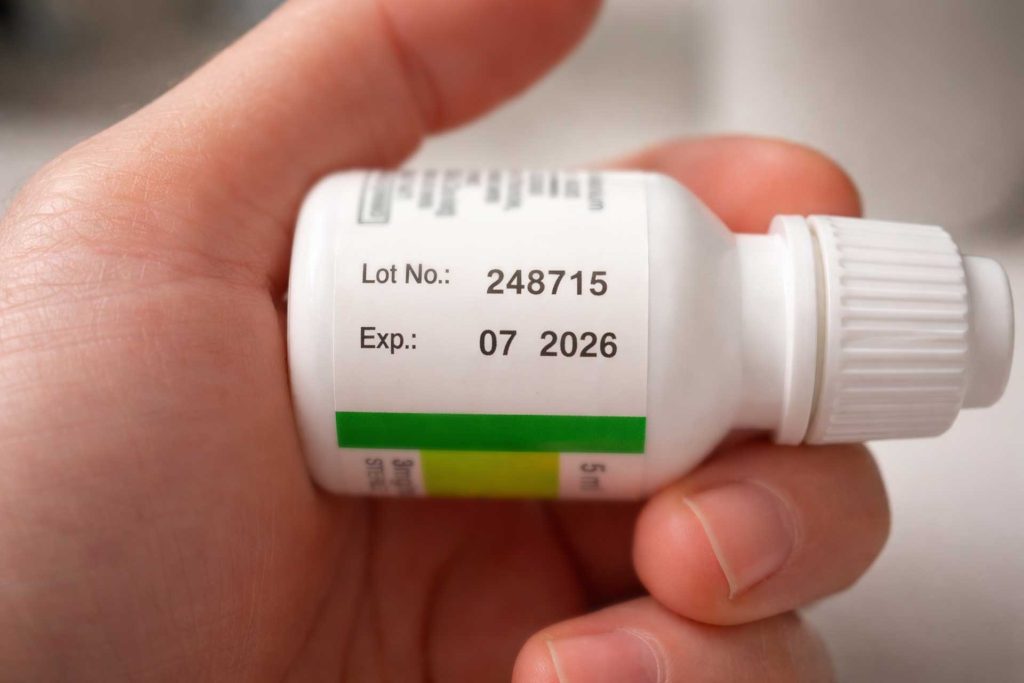
You can find the expiration date on the eye drop box and on the bottle. It is usually marked by an “EXP,” and it includes the month and year of expiration.
Where to Look:
On the Box: The date is printed on the outer packaging, typically on the side, back, or bottom flap.
On the Bottle: Look at the bottom or side of the bottle for the “EXP” date.
The Lifespan of Opened Eye Drops
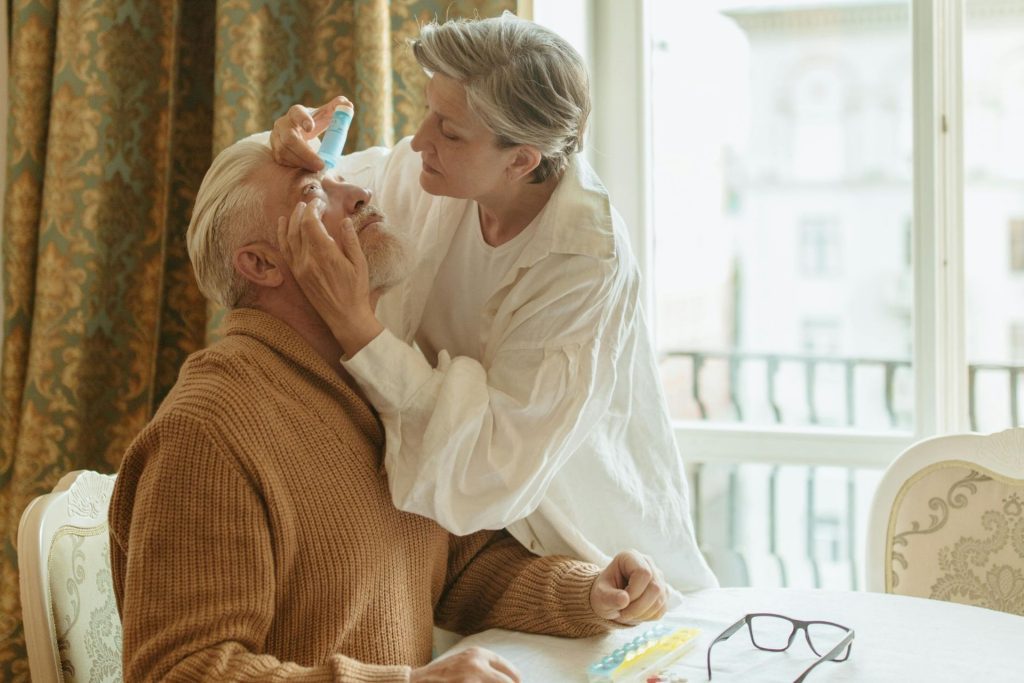
Your drops have a shorter shelf life once you open them. Blame it on air exposure and potential contaminants in your environment. Typically, the recommendation is to use them within 28 days.
This is doubly important if your eye drops are preservative-free. While these are gentle on your eyes, the lack of preservatives means that they are more susceptible to contamination.
So, keep track of your dropper bottles. If possible, label them with the date you opened them. If the bottle’s too small, make a note in your diary or set an alert on your phone.
Types of Eye Drops and Their Expiration
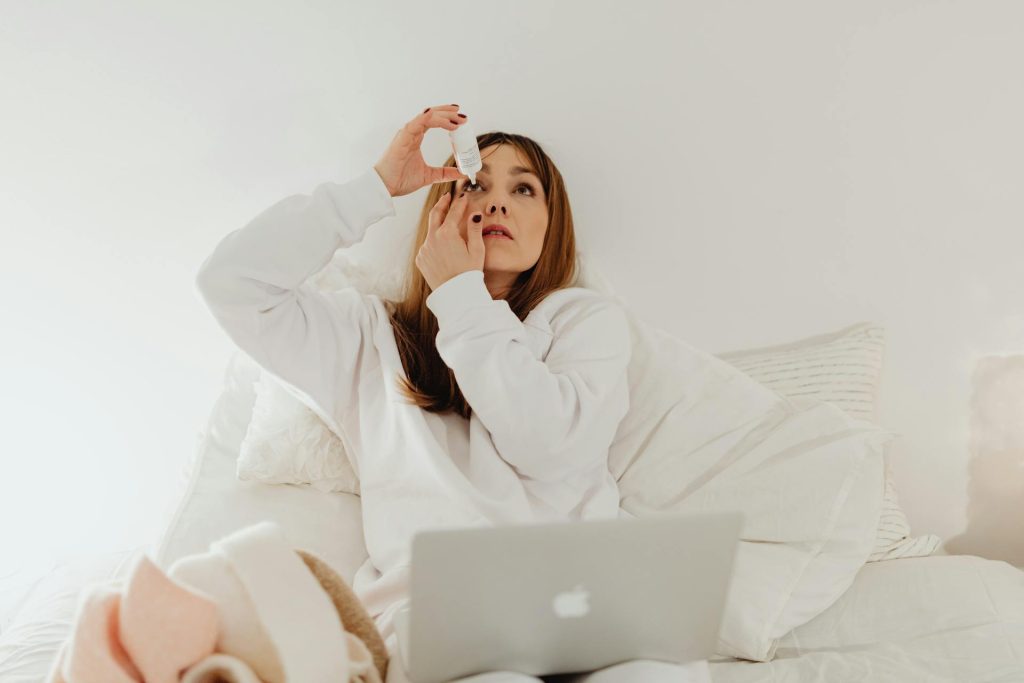
There are several types of eye drops; the expiration of each may differ. This includes:
- Artificial tears
- Allergy drops
- Antibiotic solutions
- Anti-inflammatory drops
- Glaucoma treatments
Each type has its own set of considerations when it comes to its expiration date. This means that the risks may be unique and can range from mild to severe. Using any of these beyond the expiry date comes with risks of eye infections, irritation, and other complications.
Let’s look at the three major categories of these eye drops:
Artificial Tears
Artificial tears are commonly used by people who suffer from dry eyes. These eye drops lubricate the eyes and relieve irritation. You need to know their expiry dates because they factor into their potency, sterility, and safety.
There are both preservative-free artificial tears and artificial tears with preservatives available. Preservative-free artificial tears have shorter shelf lives, and they’re formulated specially for those with sensitive eyes. Once you open them, they’re exposed to contamination and need to be used within the prescribed period.
Artificial tears with preservatives contain agents like benzalkonium chloride (BAK) or Polyquad that inhibit bacterial growth. These generally have longer shelf lives than their preservative-free counterparts. Look for the expiry date on the packaging. Make sure to use them within the prescribed period after opening.
Allergy Eye Drops
Allergy eye drops offer relief for itchy eyes, and they reduce the irritation that comes from being exposed to an allergen. Many allergy eye drops are preservative-free, so they have a shorter shelf life.
Allergy eye drops often come in single-use containers to minimize the risk of contamination. Once opened, they should be used up as soon as possible.
Medicated Eye Drops
Medicated eye drops, including antibiotic, anti-inflammatory, and glaucoma treatment eye drops, have specific expiration considerations, depending on their active ingredients.
Once opened, these drops typically have a much shorter shelf life than, say, artificial tears with preservatives. In the case of antibiotic eye drops, for instance, you only have a week or so before they begin to lose potency.
Discard opened bottles of these types of drops after 28 days, even when they haven’t been fully used up.
Risks of Using Expired Eye Drops
Using expired eye drops can lead to a range of risks. They might not be as effective due to changes in chemical composition caused by exposure to air, light, and temperature fluctuations. This means you might get insufficient treatment, which may worsen your eye condition.
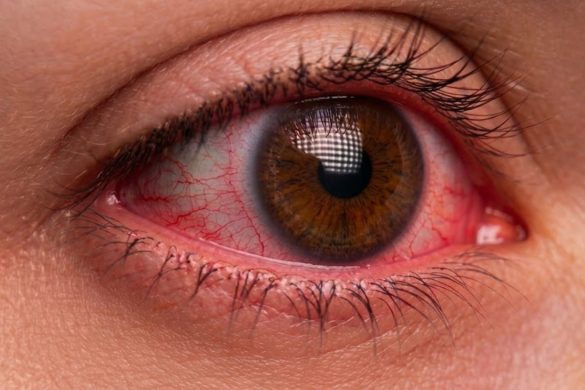
You could also potentially experience issues ranging from mild discomfort to irritation and serious eye infections. If you accidentally use expired eye drops, monitor for symptoms.
When to See an Eye Doctor
You should see an eye doctor if you experience any of these conditions:
- If the eye condition you’re treating persists because you used expired medicated drops.
- If your dry eyes persist even after using newly opened fresh eye drops.
- If you experience alarming or persistent symptoms, such as blurry vision, headaches, and eye discomfort. Also, monitor for worsening symptoms.
Do not take your symptoms for granted. If you accidentally use expired eye drops, see your doctor for advice.
Signs Your Eye Drops Have Expired
Sometimes, even without looking at the expiry label, you can tell if your eye drops have expired:
- Discoloration: The solution may become discolorated because of changes in its chemical composition.
- Unusual consistency: If your solution looks cloudy or clumpy, it may have expired.
Pay attention before using the drops on your eyes!
Proper Storage to Extend Shelf Life
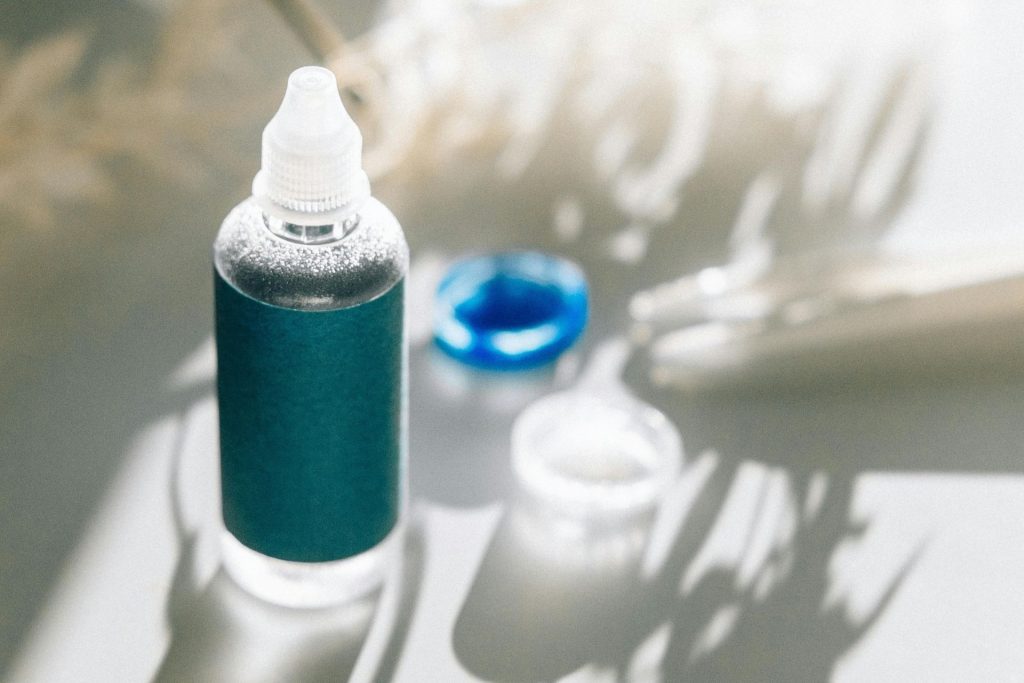
There are a few things you can do to extend the shelf life of your eye drops. These tips apply to both opened and unopened bottles:
- Keep eye drops in a room temperature dark space, away from the sun.
- Limit exposure to heat and humidity. These compromise the solution’s stability. Be aware of this, especially if you bring your drops with you when you go out.
- Try not to keep your eye drops in the bathroom. The humidity level in your bathroom changes, especially when you take hot showers.
Do the following to prevent contamination:
- Always ensure the cap is tightly closed after each use. This maintains the sterility of the solution and prevents bacteria from entering the bottle.
- Avoid touching the dropper tip to any surfaces or your eye to maintain its cleanliness.
These tips can help you get the most out of your eye drops, and they can help you use them safely.
TL;DR
- Eye drops have expiration dates to ensure their effectiveness and safety. Using them past this date can lead to a range of complications.
- Opened eye drops should be discarded after 28 days to prevent contamination, especially preservative-free varieties that are more susceptible to bacterial contamination.
- You can spot expired drops just by observing their color and consistency.
- If you accidentally use expired drops, monitor for symptoms. Book an appointment with your doctor if your condition worsens.
- Proper storage is crucial for maintaining the quality and effectiveness of your drops.