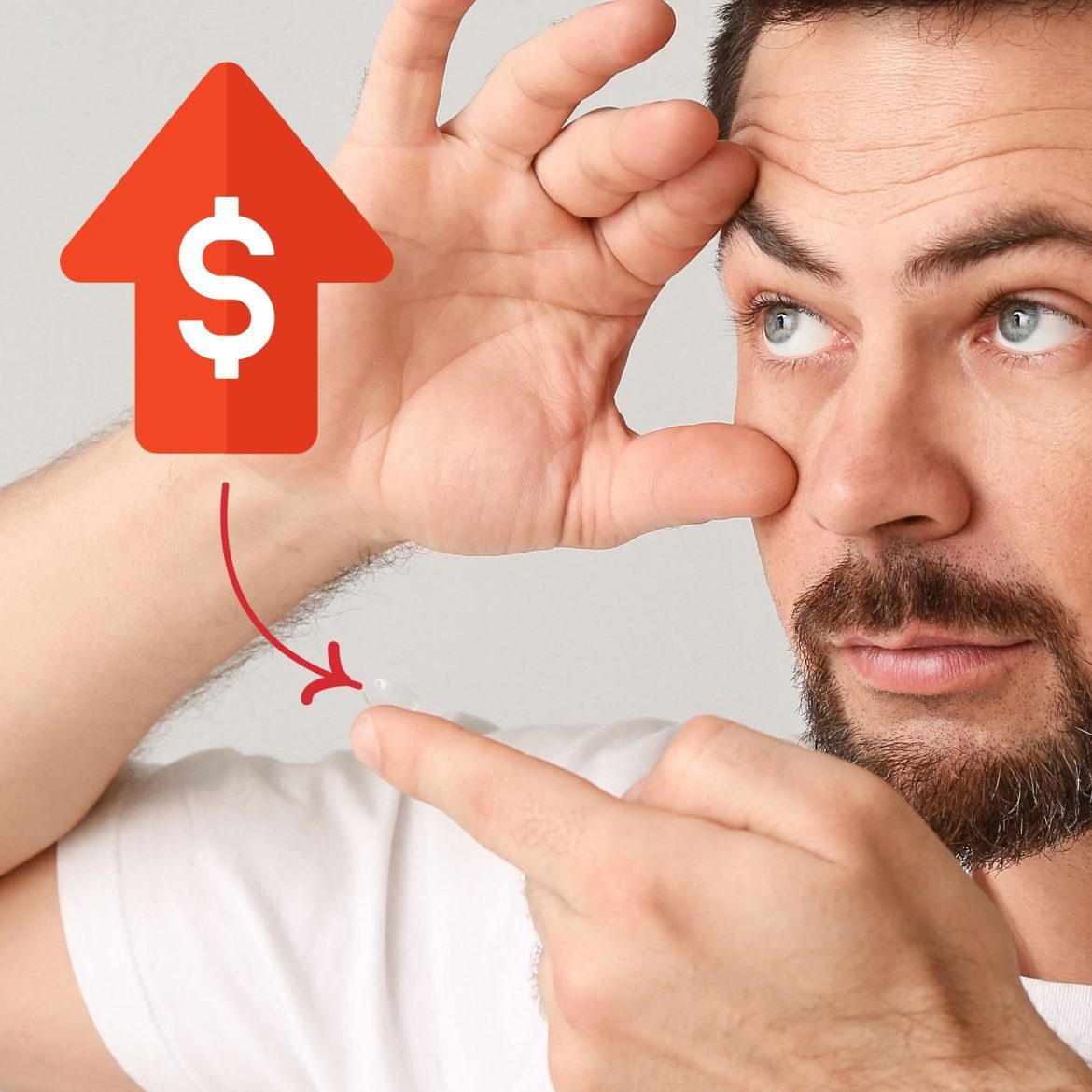
Lately, prices for everything from eggs to gas have gone through the roof. If you’ve worn contacts for a while, you’ve probably noticed that the best contact lenses seem to be costing more by the day, too. Or maybe prices are preventing you from even giving them a try.
What’s causing the rising costs? And what can we do about it? Keep reading to find out!
Potential Causes of High Contact Lens Prices
A mix of industry changes, product upgrades, and economic realities is pushing contact lens costs higher in 2025. Prices that once felt manageable are starting to stretch budgets and make people think twice.
Here’s what’s driving this unfortunate trend:
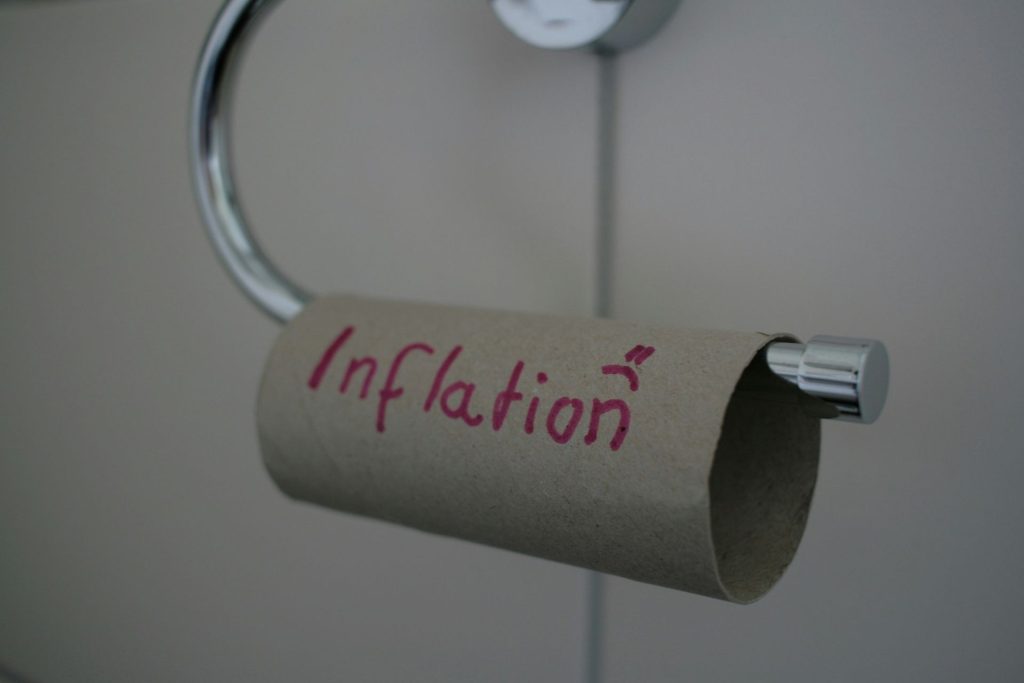
Inflation is always an issue
Inflation is still a major disruptor in 2025, and contact lenses aren’t immune. Prices typically rise 2–3% each year, but we’re still feeling the effects of pandemic-era inflation, which peaked around 9%.
When the economy is in flux, the cost of everyday items like contact lenses can skyrocket!
Cost of living crisis
Beyond normal inflation, economic shocks and the ongoing cost-of-living crisis are affecting everyday products. Certain foreign policies, wars, and financial crashes can affect the cost of medical devices, including contact lenses.
However, some economic shocks are temporary, so some optimism can be a good thing.
Materials matter
Over time, there have been significant improvements in the manufacturing of contact lenses. For example, gas-permeable lenses used to be made from a cheap plastic. Newer lenses are made with higher-quality, more breathable materials, which improve comfort and performance, but come at a higher cost.
Complex prescriptions are costly
If you have a condition like astigmatism or presbyopia, you likely require specialized lenses; the more complicated the prescription, the higher the cost of the lenses. On a positive note, it’s usually money well spent. The right lenses can make a huge difference in your day-to-day life.
Big names mean big money
Some brands simply cost more. They might feel justified based on their history and reputation in the industry. So, honestly, it’s worth doing a price match and trying different manufacturers to determine which brand makes the most sense for your needs. The most expensive lenses aren’t always the ones that feel the best!
Retailers need to price for profit
You might have noticed that some eyewear stores charge different prices for the same contacts. Why?
Physical stores can have HUGE expenses, like high rent, utility bills, displays and decor, and salaries. The money needed to afford upkeep is made through sales. Higher overhead is usually reflected right on the price tags you see on the shelves.
Some retailers have stores across the U.S., which gives them larger visibility, but it can also drive prices up. They can also keep prices high because they know people will buy from them based on their name alone.
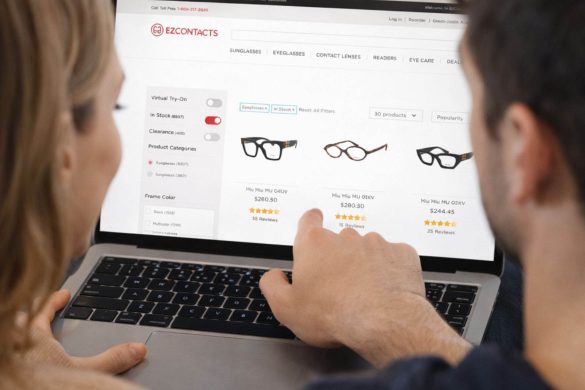
On the other hand, online retailers like EZContacts have fewer expenses. They can offer amazing discounts and even price match. Overall, they’re typically cheaper. There are no physical stores or countless overhead costs, so the savings can be passed on directly to the customer.
Dealing with middlemen
Some brands deal with multiple middlemen in sourcing and supplying contact lenses. This can drive prices up because there are more people to pay in the supply chain.
EZContacts also works directly with manufacturers and buys stock in bulk to offer you greater savings.
Ordering from abroad
There’s been a rising demand for contact lenses from abroad, especially due to the K-Pop craze. For example, Olens is a Korean contact lens brand that’s gaining popularity in the U.S., but all products are shipped from abroad.
While these contact lenses might look like they cost less, the shipping and customs fees can add on to the price. It’s worth checking what the final price of any contacts from abroad is before you commit.
Hidden Fees
Some retailers add shipping and handling fees on top of the product cost, which can drive prices up. These sneaky fees are not necessarily illegal, but they fall in a gray area where they’re either added to the product cost or at checkout.
Be sure to double-check shipping and handling fees before you click ‘buy now.’ Make sure you’ve not selected any add-ons and that you’ve not signed up for a subscription service without realizing.
Ways to Save Money on Contacts
Whether or not the best contact lenses have become too expensive is up for debate. There’s no easy answer, as the matter of cost is highly subjective.
The most important thing to remember is that you can push back against price increases. These are some things you can do to keep costs more manageable:
Monitor prices
You don’t need to start keeping a tracking spreadsheet, but it’s worth keeping an eye on any fluctuations to see when and where you can get the best prices.
Remember to look for any potential sales, bulk pricing discounts, and loyalty reward programs.
Try switching lens types
You can save over the long run with monthly contacts, as daily contacts cost more. You need 365 pairs for the year vs. 12 pairs of monthlies. Think about the reduced waste, as well.
The biggest problem is that some people find monthly contacts are less comfortable and more complicated to maintain than dailies. Still, a switch is worth a shot! You can always go back.
Use a subscription service
Automated delivery is as beneficial for buyers as it is for sellers. Having your contacts shipped to you on a schedule is super convenient. Plus, the best programs put you in complete control of product counts and shipment frequency.
Start looking around for contact lens subscriptions. For example, EZContacts offers a 10% discount for an ongoing subscription, and the savings come with other perks like scheduled delivery and easy subscription management, a full 30-day satisfaction guarantee, and hassle-free returns.
Check for annual sales and discounts
EZContacts has a clearance section and frequently offers discounts on products, including contact lenses. If you prefer to buy in bulk, it may be worth doing so during annual sales such as Christmas, Black Friday, or the Fourth of July.
Sometimes discounts include offers such as buy one box, get one half-price. In those situations, it’s always smart to buy ahead. Even if it costs more in the moment, your wallet will thank you later.
While some brands seem to offer discounts, it might just be a promotion trap: the price isn’t actually lower, but the discount sign makes you think it is. So if you think your contact lenses are cheap, compare them to the same product at another store to see if you’re really getting a discount.
Price match
The key is to shop around and compare prices. Different retailers can offer different prices because of markups and other hidden fees.
EZContacts offers a price match guarantee, which means if you find the same product at another authorized retailer for cheaper, take a screenshot and send it to the team after you’ve placed your order. The difference in cost will be refunded to you, and EZContacts will even give you an extra 5% discount on top!
It’s worth checking if your favorite retailer has a price match service because, unlike discounts, it’s a year-round opportunity.
Check customer forums
One of the best ways to find contact lenses for cheaper is to ask on online forums, including Reddit and Quora. On these platforms, there are countless contact lens user threads covering everything from price to quality.
If you want to see where other users are buying their lenses from, just ask. It’s also a great way to learn more about other contact brands if you’re considering switching to a cheaper option. You want to make sure the quality and feel meet your standards.
Consider LASIK surgery
Have you considered LASIK so you never have to buy contact lenses again? It’s worth crunching the numbers. Let’s break it down like this:
- Determine the cost of LASIK eye surgery, and get a few quotes for comparison. Let’s assume it costs $4,000 for both eyes.
- Calculate how much you spend per year on your contact lenses (including maintenance and solutions). For example, daily disposables often cost $600–$1000 per year, including solution. Let’s say yours cost $700 annually.
- Now, divide the LASIK cost by your yearly contact lens expenses, and see how long it will take you to “break even.”
$4,000 ÷ $700/year = ~5.7 years
If we go off this example, you can see it takes about six years of not buying contacts for you to break even with LASIK. With this in mind, consider whether it’s worth it to stop purchasing contacts to pay for surgery instead, even though you won’t see the savings for years.
Consider Switching to Glasses

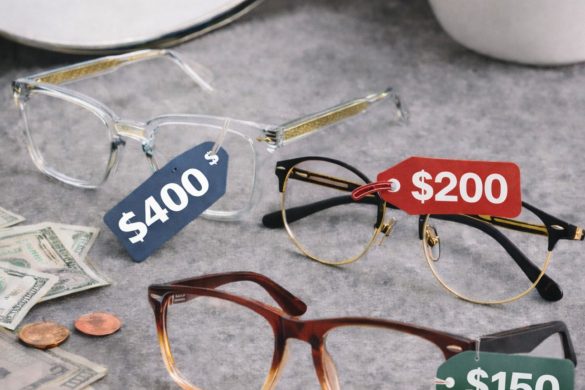
It’s worth considering if switching to glasses could save you money in the long run. It may be cheaper if you don’t have a complex eye condition or astigmatism. For users with presbyopia or myopia, you might just need fairly standard lenses.
Do the math before you take the plunge. For example, frames can be as cheap as $30, but it’s the lenses that drive the price up. Designer frames also cost more, so it’s worth considering whether you want a particular brand.
Let’s do an example to see how much you could potentially save:
- First, select your frames. Let’s say you choose a pair that costs $100.
- Then, select your prescription. In this example, let’s say the lenses cost $120 without any add-ons (such as blue-light filter or scratch-resistant coating). In total, then, these glasses would cost $220.
- Like in the LASIK example above, calculate how much you spend on contacts annually. Let’s presume your daily contact lenses and maintenance cost $700 annually.
- Glasses lenses can last on average two years, while the frames may last longer if kept in good condition. You may need to update your lenses based on your prescription.
- Let’s say your glasses last you 1.5 years. Your contacts would cost $1050 for 1.5 years. $1050 – $220 = $830. And so, in this example, you would save around $830 by switching to glasses.
While there are unforeseen circumstances, such as losing or breaking your glasses, you could still save money even if you needed to order a replacement pair.
It’s worth talking to your eye doctor for a second opinion. Another option is to buy a pair of affordable glasses and use them alongside contact lenses. That way, you have the best of both worlds and still may save money.
TL;DR
The best contact lenses aren’t always the cheapest, but they don’t necessarily have to be the most expensive either.
Here’s a breakdown of why costs are rising in 2025:
- National and global economics impact the cost of contact lenses.
- Materials make a difference.
- Complex vision correction needs can drive up prices. Conditions such as astigmatism require more complex lenses.
- Retailers need to protect their bottom line.
- Brand names and high-quality lenses aren’t always budget-friendly.
- Ordering contacts from abroad can drive up the price, as customs and shipping can be expensive.
- Some retailers add sneaky hidden fees, including ‘processing’ fees.
- Other retailers may use middlemen to source their products, which drives prices up through the supply chain.
While you might be feeling the pinch now, as a savvy shopper, you do have options:
- Monitor prices.
- Change lens types.
- Take advantage of subscription discounts.
- Try LASIK (but it would take years to break even).
- Consider glasses by comparing the costs. Compare the cost of frames and lenses to a year’s supply of contact lenses.
- Check price-matching services such as the one offered by EZContacts and keep an eye on discounts and sales.
If you play your cards right, you can continue to enjoy high-quality contact lenses without breaking the bank!