


Hazel eyes have captivated storytellers and artists for centuries! These eyes feature a unique blend of colors. They’re also rare; only about 5% of the world’s population has them.
So, what are hazel eyes exactly, and how do they differ from other eye colors? Let’s dive into all of that and more!
How Do Hazel Eyes Get Their Color?
Eye color is determined by two factors: genetics and the melanin level in the iris. These two factors are intertwined.
The Role of Genetics
We’re taught in school that we inherit our eye color from our parents. This is true to some extent, but it’s also a bit more complicated than that. Eye color is affected by 16 different genes that are passed down from parent to child. Because of that, a child can have hazel eyes even if their parents don’t have them.
The amount of melanin in a child’s eyes is also passed down genetically. Key genes like OCA2 and HERC2 are major players in controlling melanin levels.
The Role of Melanin
The melanin in the iris absorbs different wavelengths of light. Darker eyes absorb more light and reflect less light from the iris. Conversely, lighter-colored eyes absorb less light and reflect more light. This is what gives eyes their color.
There are two types of melanin in our eyes: eumelanin and pheomelanin. Eumelanin is the dark brown pigment that determines eye color. The more eumelanin you have in your eyes, the darker they appear. Pheomelanin, on the other hand, is responsible for the reddish-brown, amber, and green hues seen in some eyes. People with lighter-colored eyes have more pheomelanin than eumelanin in their eyes.
One of the things that makes hazel eyes unique is the way eumelanin and pheomelanin are distributed in them. In solid-colored blue, green, and brown eyes, melanin is distributed evenly, which leads to their single color.
However, in hazel eyes, melanin is distributed unevenly, which leads to their mix of colors. This is called Rayleigh scattering.
Why is the melanin distributed unevenly? It comes back to genetics. There are a handful of genes that affect melanin formation and distribution, including SLC24A4 and TYR.
Since hazel eyes have a lower melanin concentration than darker-colored eyes, those with hazel eyes may be at risk for photophobia. This is a condition where a person’s eyes are sensitive to light. Because of that, it’s important to wear sunglasses with 100% UV protection while outdoors.
Types of Hazel Eyes
Hazel eyes stand out in the world of eye color due to their mixture of colors. They most commonly have flecks of brown, green, and gold. However, there are also some that have blue and gray as well.
No two hazel eyes have the same color combination. Let’s go through some examples:
Hazel-Brown Eyes
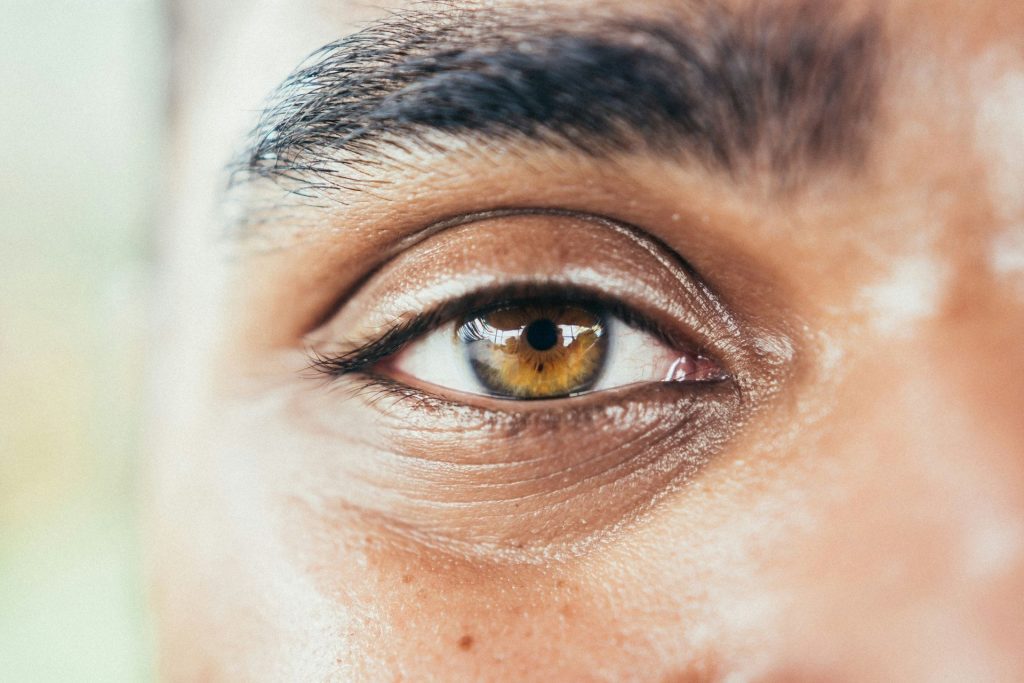
This is one of the most common types of hazel eyes. The dominant hue in these eyes is brown. The shade may vary, though, from light brown to dark brown.
Hazel-Green Eyes
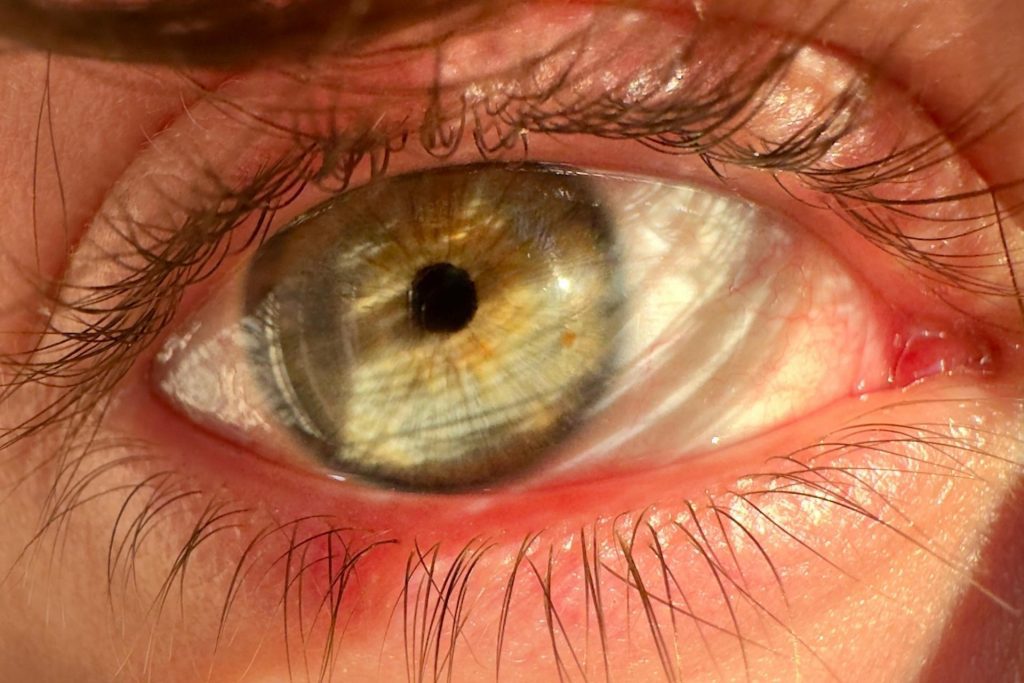
Hazel-green eyes are another common shade. These eyes are typically lighter than hazel-brown eyes. They have a green tint that can range in color from olive to yellow-green.
Hazel-Blue Eyes
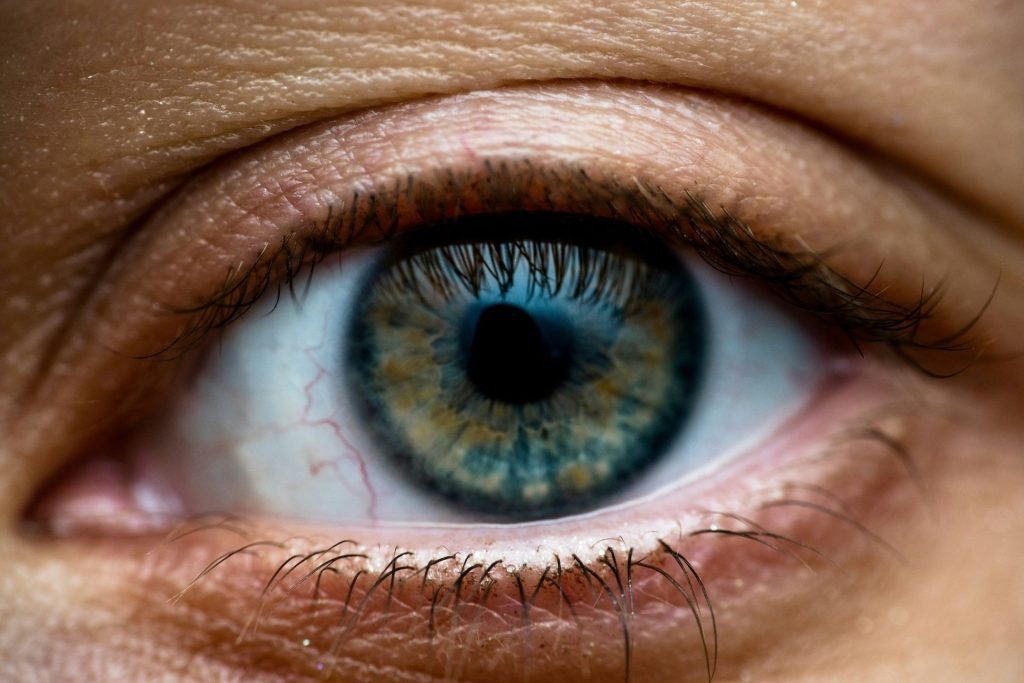
Hazel-blue eyes will often have flecks or streaks of blue mixed in with brown, green, or gold. The blue may be more visible in certain lighting.
Hazel-Gray Eyes
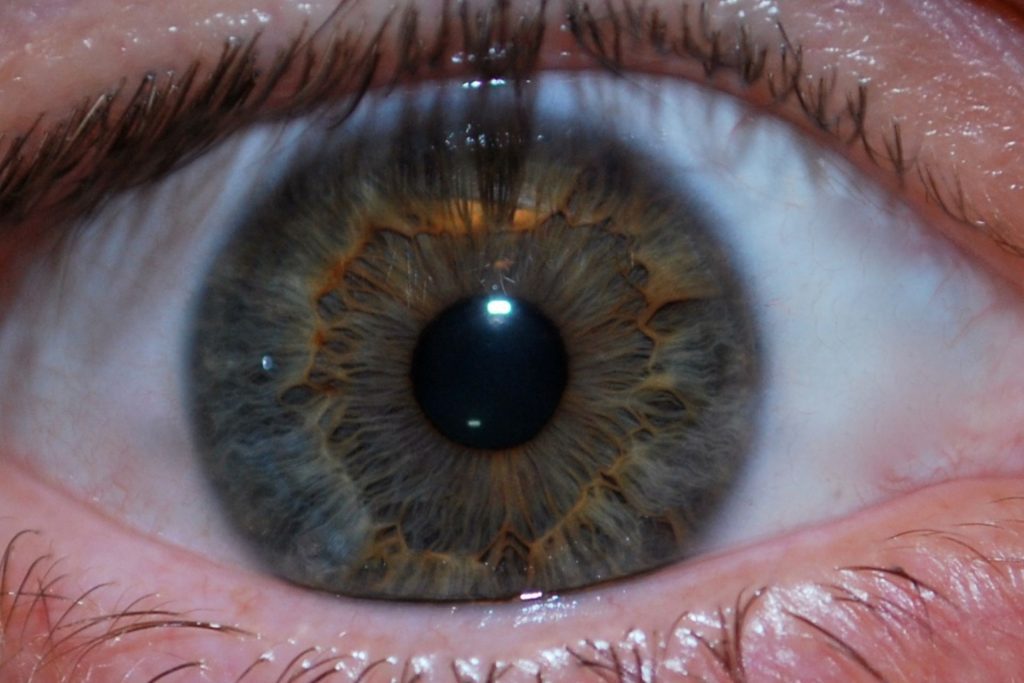
Hazel-gray eyes will often have a steely gray base. They’re one of the rarest forms of hazel eyes.
Comparing Hazel Eyes to Other Eye Colors
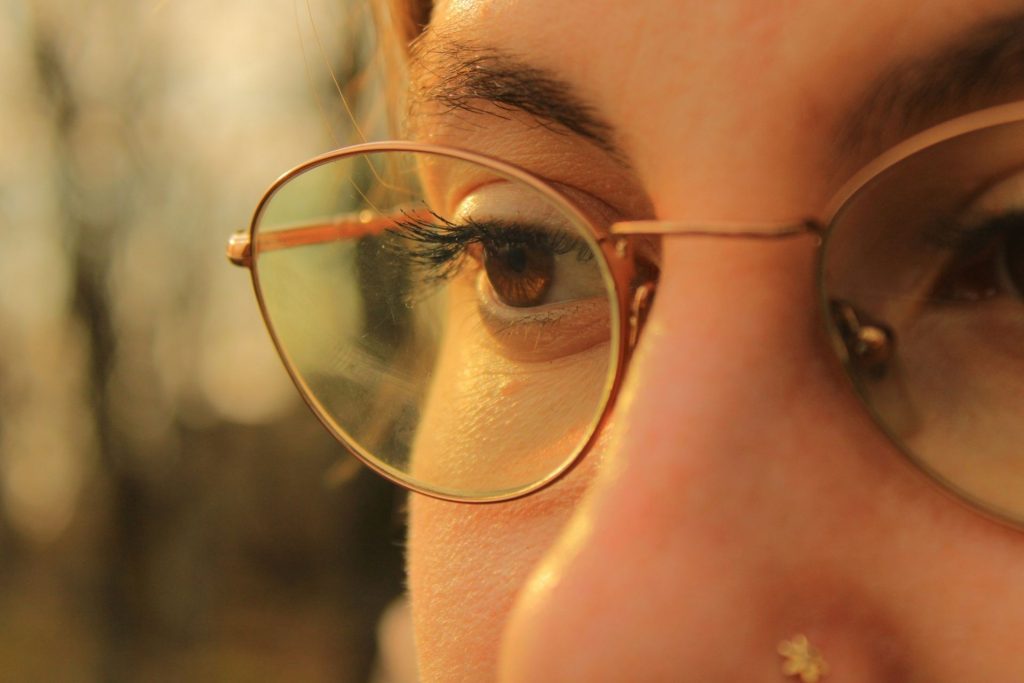
Hazel eyes are often confused with different shades of brown and green eyes. Here’s how to tell these eye colors apart:
Hazel vs. Amber Eyes
Amber eyes have more pheomelanin than eumelanin. This gives them their signature golden or yellowish tint. Those with amber eyes may also have a light-brown ring around their pupil. Hazel eyes typically have a lower pheomelanin concentration than amber eyes.
Hazel vs. Green Eyes
Green eyes typically have just one color in the iris, unlike the multiple shades in hazel eyes. Melanin is also distributed more equally in green eyes.
Hazel vs. Brown Eyes
Brown eyes have the highest eumelanin concentration of any eye color, which causes their dark color. Brown eyes are typically one color. They don’t have flecks of green, blue, or gold like hazel eyes do.
Can Hazel Eyes Really Change Colors?
One of the big myths around hazel eyes is that they can change colors. This isn’t exactly true. They don’t change color; rather, our perception of them shifts.
There are many factors that can cause this shift, including lighting. Strong lighting, like bright sunshine, causes pupils to constrict, which reveals more of the iris. On the other hand, dim lighting causes eyes to appear darker.
The size of your pupil also changes throughout the day. This affects how other people see your eye color. If your pupil is smaller, for instance, it can make the color of the iris appear more vibrant.
Even clothing and makeup can change how we perceive the color of hazel eyes. Clothing in earthy tones like olive greens, golds, and browns will highlight the warm tones of the eyes. Conversely, bold purples, burgundies, and teals will contrast with hazel eyes, making them pop. Metallic, bronze, orange, or red fabrics will make the eyes’ gold flecks more pronounced.
You can follow similar guidelines for makeup as well. If you want to bring out the green of your hazel eyes more, use eyeshadow in earthy tones. Gold and bronze shades work well at enhancing the gold in your eyes. Purples and plums can provide a striking contrast.
Which Celebrities Have Hazel Eyes?
People with hazel eyes have plenty of starry company in Hollywood! There are many notable celebrities with this eye color. This includes:
- Demi Moore: Demi Moore has heterochromia iridum, which is a condition where a person has two different colored eyes. She has one green and one hazel eye.
- David Beckham: The soccer star has a combination of many different colors in his hazel eyes, including blue, green, brown, and gold.
- Kelly Clarkson: The singer famously celebrated her eyes in the song “Behind These Hazel Eyes.” Her eyes are more on the brown side with hints of green.
- Tom Cruise: The legendary action star has hazel eyes that are more on the green side.
- Rihanna: The talented singer’s eyes are brown flecked with bits of green.
Colored Contacts Options
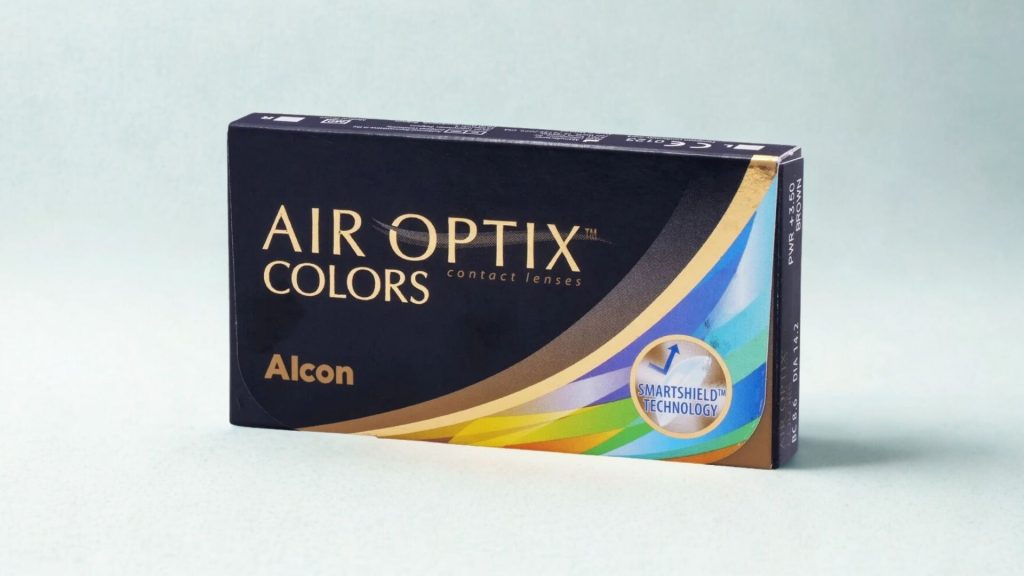
After reading about how unique hazel eyes are, do you want to try them for yourself? Good news: colored contacts are available! AIR OPTIX COLORS has a color called ‘Pure Hazel’ that’s perfect for this.
AIR OPTIX COLORS are monthly contacts that come in 12 colors. The hazel color earned good reviews from verified EZContacts buyers. Latanza M. says:
“They fit nicely (no shifting) and the color (hazel) is very pretty. They do not dry out my eyes. The price is a bit more than I’d like, but I’d still recommend them to others.”
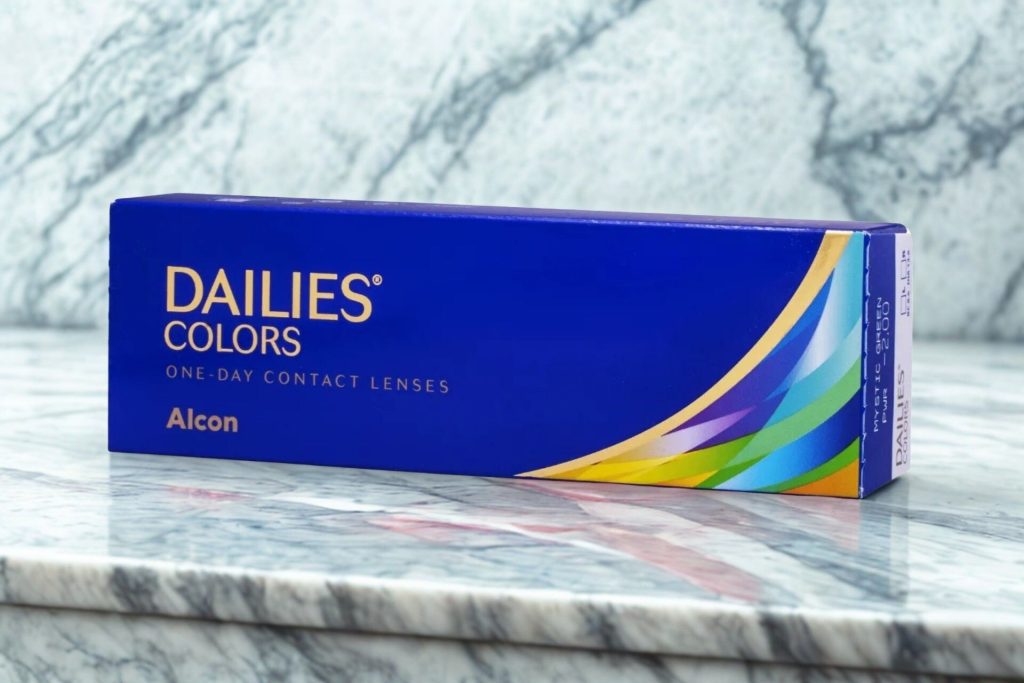
If you’re looking for a daily contact lens, DAILIES Colored Contacts also has a color called ‘Mystic Hazel.’ This color is a popular choice with buyers. Diana M. shares:
“I was glad to learn that Dailies are available in colors, because I have been wearing Air Optix for years. Dailies are much more comfortable. As far as color goes, the Air Optix in Pure Hazel definitely lightens my brown eyes, and I think the color looks natural. The Dailies Colors in Mystic Hazel has a somewhat narrower circle of pigment on them, and as a result, my brown eyes appear a darker sort of hazel, but still hazel and very natural. I will trade the less pigment for greater all-day comfort.”
Hazel contacts work well with a wide variety of eye colors. They work particularly well with dark brown eyes, as they can provide a beautiful contrast and more noticeable enhancement. However, they can also add warmth and depth to blue eyes.
Before you buy your colored contacts, it’s a good idea to do a virtual try-on to see if the contacts work for you. Alcon offers a virtual try-on on their website.
Remember that colored contacts are medical devices, just like regular contacts. You should only buy them from reputable sources. You’ll also have to see your eye doctor and get a prescription before getting colored contacts.
Top Eyewear for Hazel Eyes
When choosing glasses, there are a few different routes you can take. You could go for warm, earthy tones that complement the golds and greens in your eyes. Or, you could go for contrasting colors that pop.
Glasses for Hazel Eyes
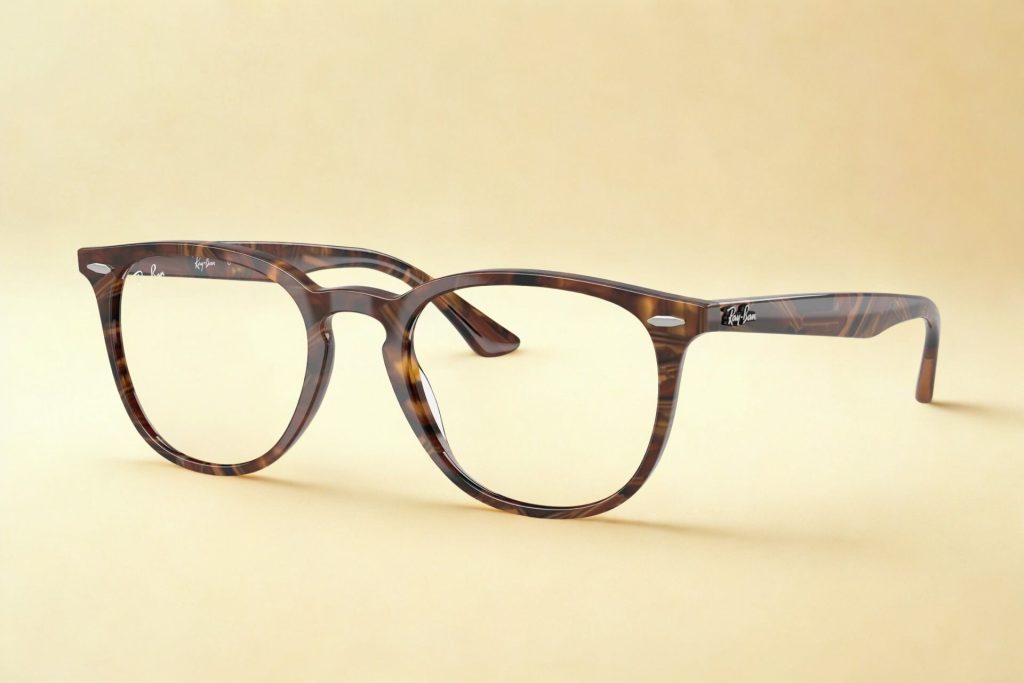
If you’re looking for earth-toned glasses, tortoiseshell frames are a great way to go. These glasses from Ray-Ban have a mix of warm brown and yellow, which will complement your eyes beautifully. They have the high-quality construction that Ray-Ban is known for, so they’re built to last.
Want to bring out the gold in your eyes? These metal glasses from Peachtree will do the trick! The glasses are affordable, and they have a double-bridge that gives them an aviator-like look.
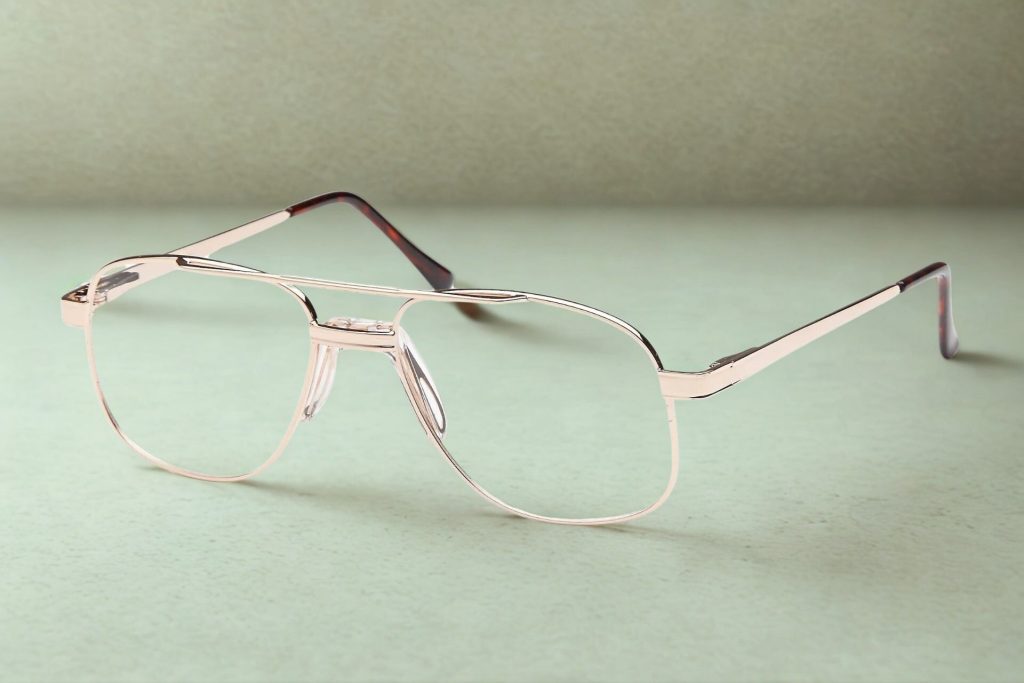
EZContacts customer Allison H. was a big fan of these glasses:

Super cute
⭐️⭐️⭐️⭐️⭐️
“LOVE!!!!! These are so comfy and cute. I wasn’t expecting much for the price, but they’re good quality and look great on.”
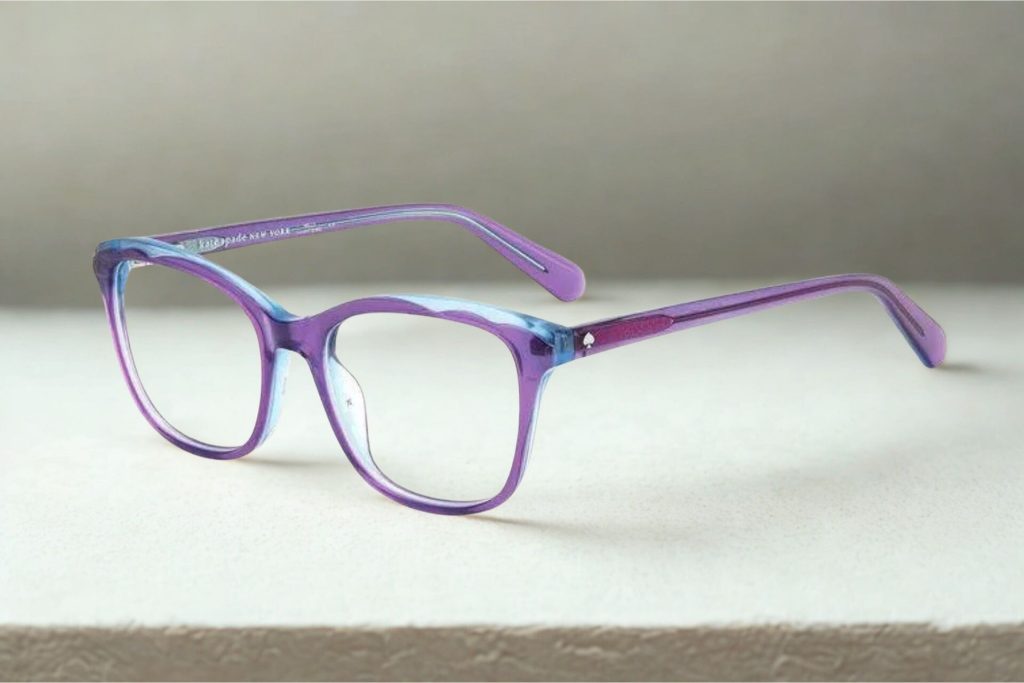
If you want to go the contrasting route, pick a pair of purple frames that make a statement. The Kate Spade Elodie Glasses will bring out the green and gold in your eyes.
Sunglasses for Hazel Eyes
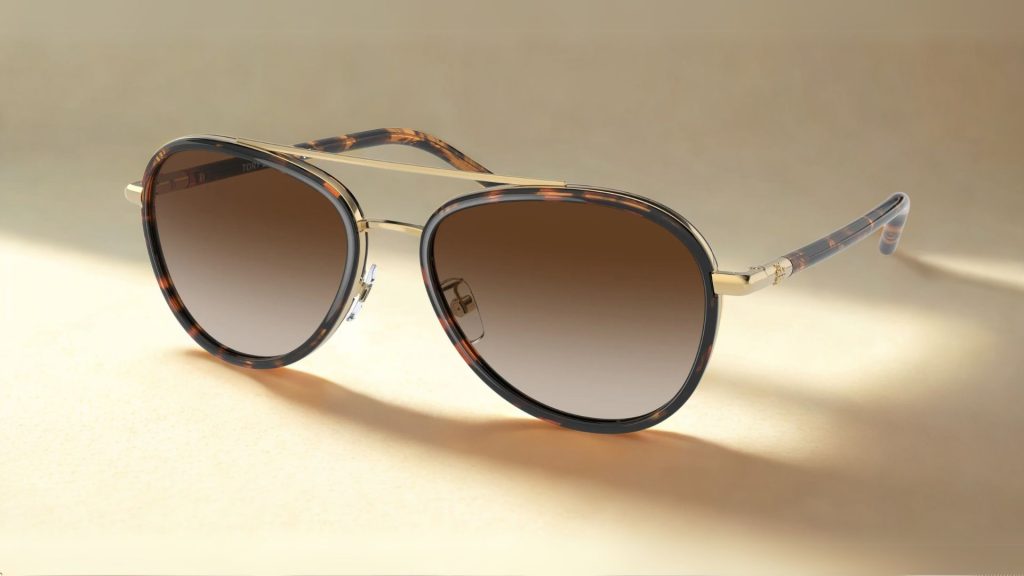
Like with eyeglasses, you have a few different paths you can take with your sunglasses. Warm shades like brown will enhance the complexity of your eyes. These aviator-style Tory Burch sunglasses have a subtle tortoiseshell pattern that will provide that warmth.
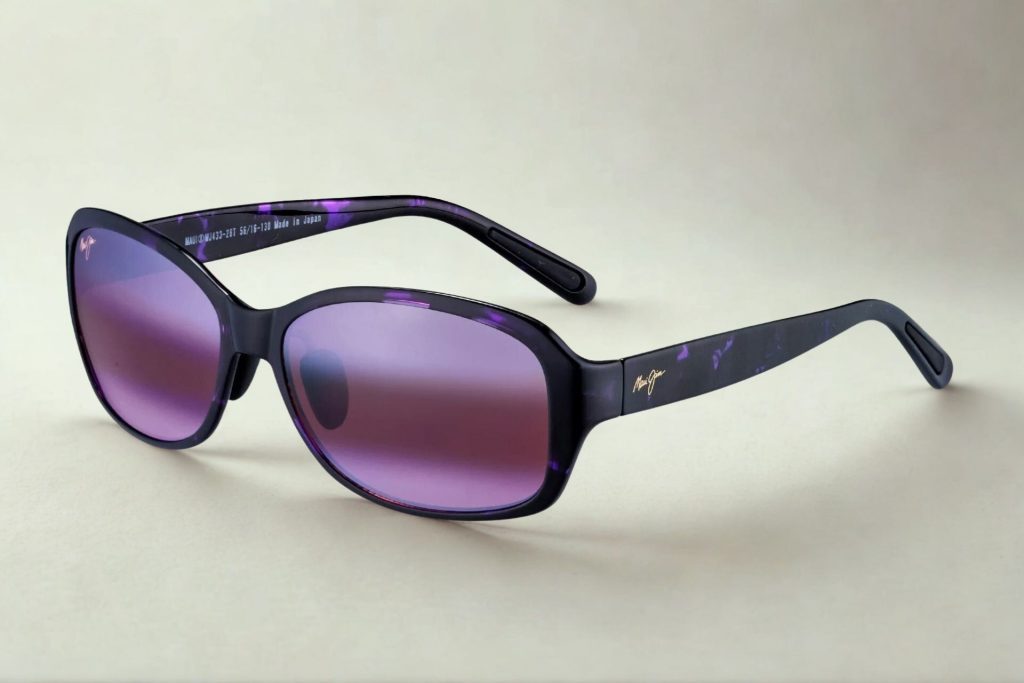
For contrasting purple frames, try these Maui Jim Koki Beach sunglasses! They’ll bring out the gold and green tints of your eye, and they’ll make you look cool while doing so.
Dark green sunglasses can also bring out the green undertones in your eyes. This semi-transparent pair from Saint Laurent is trendy, and their mix of green frames and brown lenses is perfect for hazel eyes.
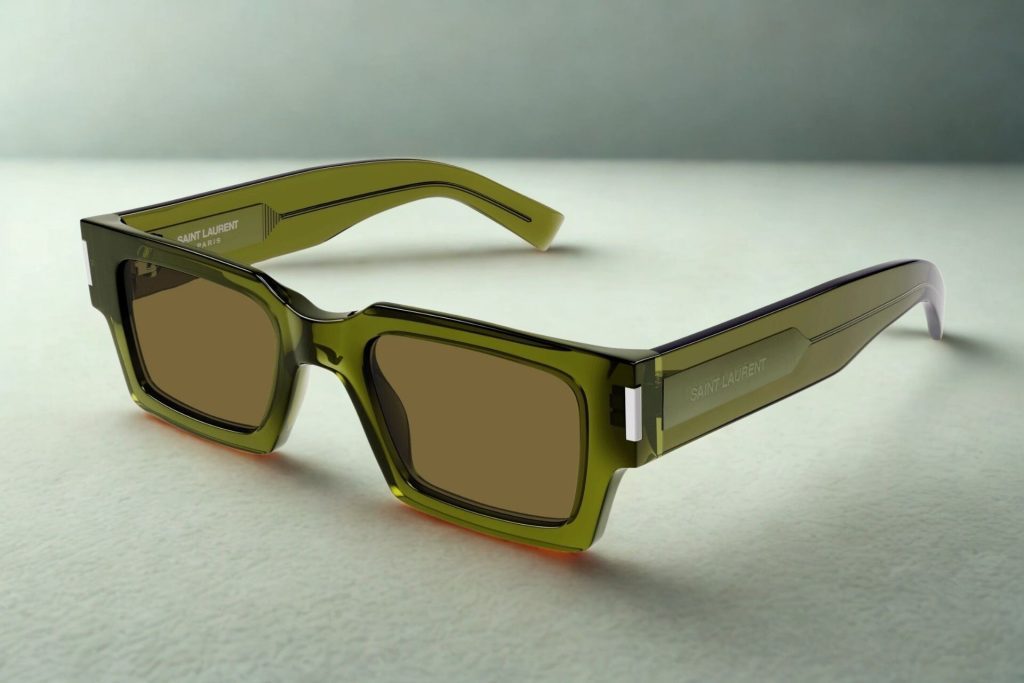
Remember to look for sunglasses with 100% UV protection. This will help keep your eyes safe and protected while you’re out and about.
TL;DR
- Hazel eyes have a mixture of brown, green, gold, and sometimes blue or gray. This eye color is rare; only about 5% of the world’s population has it.
- Eye color is determined by genetics and the melanin level in the iris.
- There are two types of melanin found in our eyes: eumelanin and pheomelanin.
- Eumelanin is the dark brown pigment that determines eye color. Pheomelanin is a pigment that produces the reddish-brown, amber, and green shades seen in some eyes. People with hazel eyes have melanin scattered throughout their eyes, which gives them their unique flecks of color.
- Hazel eyes are sometimes confused for amber, green, or brown eyes. Hazel eyes stand out because of their multiple colors.
- One of the myths around hazel eyes is that they can change color. In reality, it’s only our perception of them that changes.
- Some top celebrities have hazel eyes, including Rihanna, David Beckham, and Kelly Clarkson.
- There are colored contacts available in hazel shades. This includes AIR OPTIX COLORS and DAILIES COLORS.
- When choosing eyewear for hazel eyes, go for warm, earthy tones if you want to complement your eyes. Gold eyewear can also bring out the flecks of gold found in hazel eyes. If you’re looking for contrast, go for bold purples or plums.

