


UV protection is an often-overlooked feature in contact lenses. But when you think about it, it makes so much sense.
After all, you might forget your sunglasses, but you don’t forget your contacts. You need those to see!
While these contact lenses sound great, there are some potential limitations. Let’s see if it’s worth looking for contact lenses with UV protection.
What Kind of UV Protection Can You Get From Contacts?
Not all contact lenses with UV protection are created equally. There are levels of protection, referred to as “class.”
But before we get into that, let’s settle the basics. Contact lenses with this feature protect you from both UVA and UVB rays. Longer wavelength UVA rays are to blame for aging and tanning. Shorter wavelength UVB rays, on the other hand, are linked to sunburn and skin cancer.
When it comes to your eyes, UVA rays get in deep and have been associated with long-term damage, including macular degeneration and cataracts. With UVB rays, their primary targets are your corneas and conjunctivae. Same as your skin, UVB rays can cause sunburn on your corneas (photokeratitis).
Lens UV Protection Classifications
There are two classes of lenses: Class 1 UV Blocking and Class 2 UV Blocking.
You can look forward to better UV protection from Class 1 lenses; they’ll block up to 90% of UVA rays and 99% of UVB rays. With Class 2 lenses, you get a little less, just shielding up to 50% of UVA rays and 95% of UVB rays.
It’s More Complicated Than It Seems!
On paper, contact lenses with UV protection look good. After all, protection is protection. Every bit helps, right?
There is nuance to all this, unfortunately. Some eye care professionals even say that the UV protection claims mislead users into having a false sense of security. The general advice is not to be complacent and realize that there are limitations to what contact lenses with UV protection offer.
- Incomplete coverage: Contact lenses don’t cover your entire eye; they just cover your cornea. Your sclera (or the white part of the eye) and some surrounding skin are still exposed.
- Limited UVA protection: Both class 1 and 2 UV blocking contact lenses have limited UVA protection. So, even with these lenses on, some UVA rays still penetrate and may cause long-term damage to your eyes.
- The sunglasses alternative: Sunglasses remain the better alternative if you’re looking for effective UV protection. They provide complete coverage and up to 100% UV protection (those with UV 400 ratings).
So, Why Get Contact Lenses with UV Protection?

Despite limitations, there are good reasons to get UV-blocking contact lenses:
- Additional layer of defense: Like I mentioned earlier, these contact lenses still provide protection, however limited.
- Reduced risk: The limited coverage is still effective in reducing your risk of developing long-term serious eye conditions, such as macular degeneration and cataracts.
- Convenience: On occasions when you forget your sunglasses, having UV protection contact lenses helps.
Top Contact Lens With UV Protection Brands
ACUVUE OASYS Line
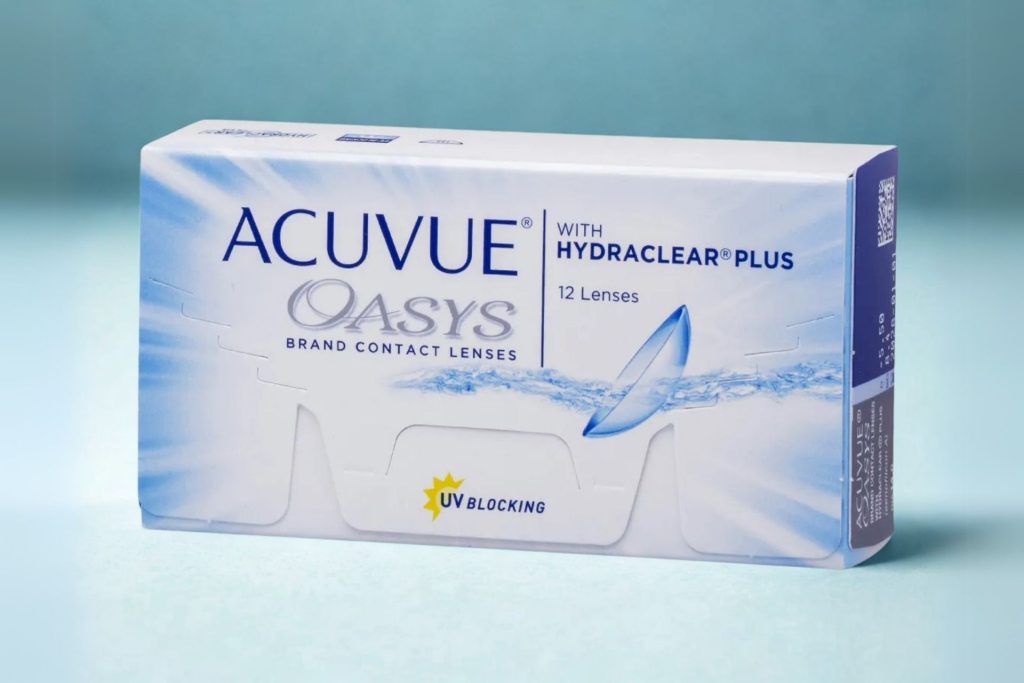
The ACUVUE OASYS line of products tops this list as Class 1 UV-blocking rated contact lenses. These lenses have been tested to block up to 99% of UVB rays and 85% of UVA rays.
Over at EZContacts, the OASYS line remains one of the most in-demand and positively reviewed for its comfort. OASYS with Hydraclear Plus (pictured above) is an OG favorite. The newer range, including OASYS Max 1-Day, is also getting good reviews.
Dailies TOTAL1 for Astigmatism
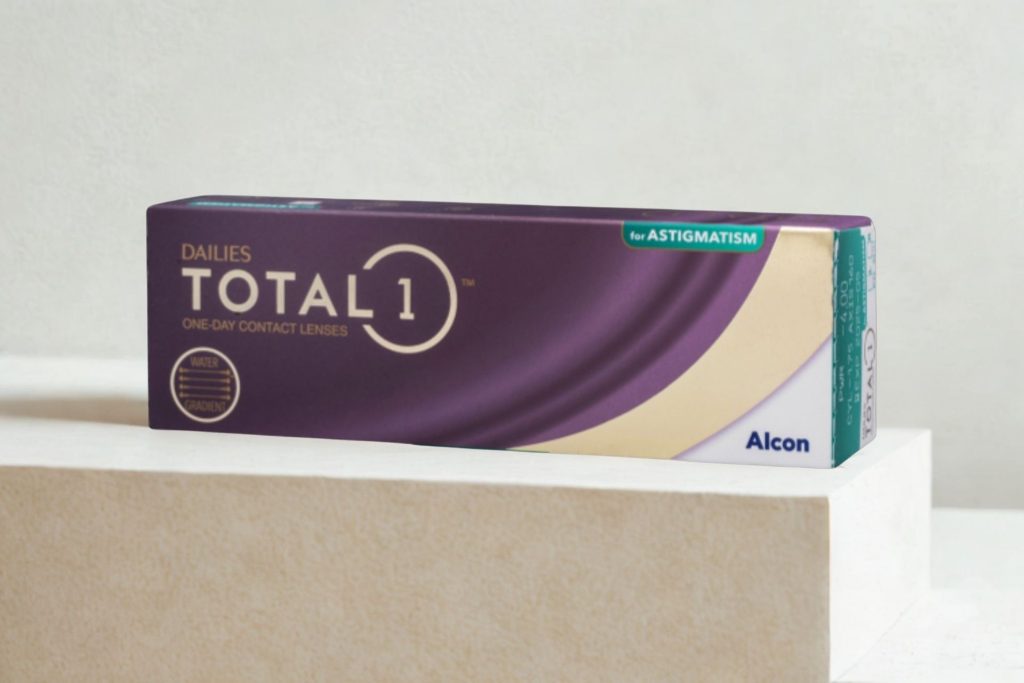
These daily toric lenses from Alcon offer an impressive 99% UVB rays and 98% UVA rays protection. They also claim to reduce high-energy visible light (HEVL) by 33%. With mostly positive reviews on EZContacts, these contacts are a good option if you suffer from astigmatism.
Alcon Total30
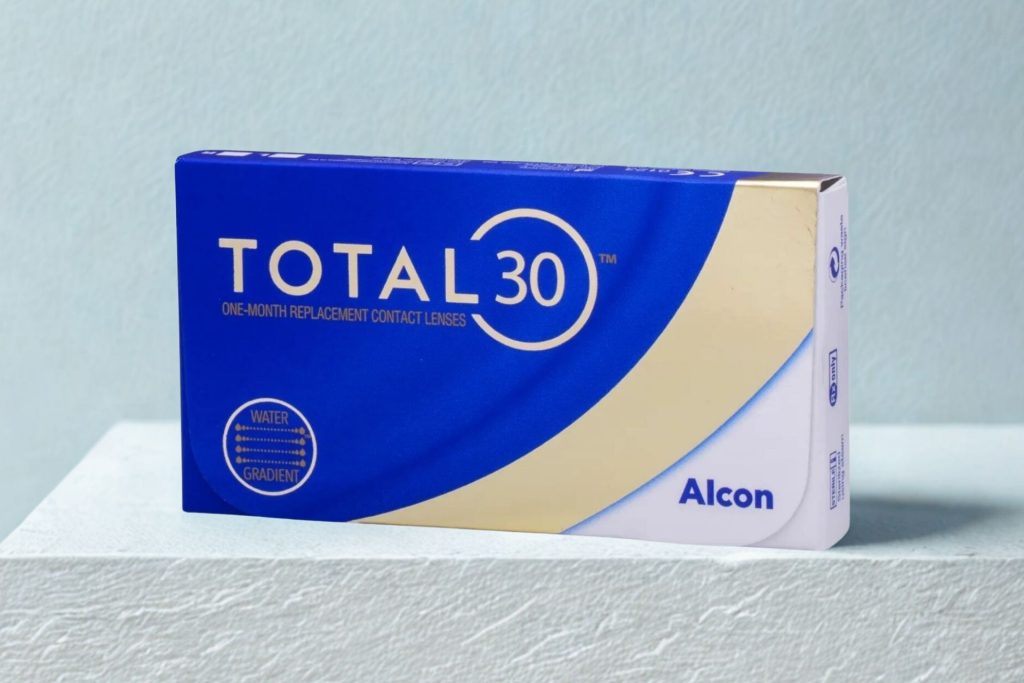
Like ACUVUE’s OASYS line, Alcon’s Total30 contact lenses offer Class 1 UV Protection. They are monthly disposable lenses that also feature Celligent® Technology and Water Gradient Technology for superior comfort.
clariti® 1day
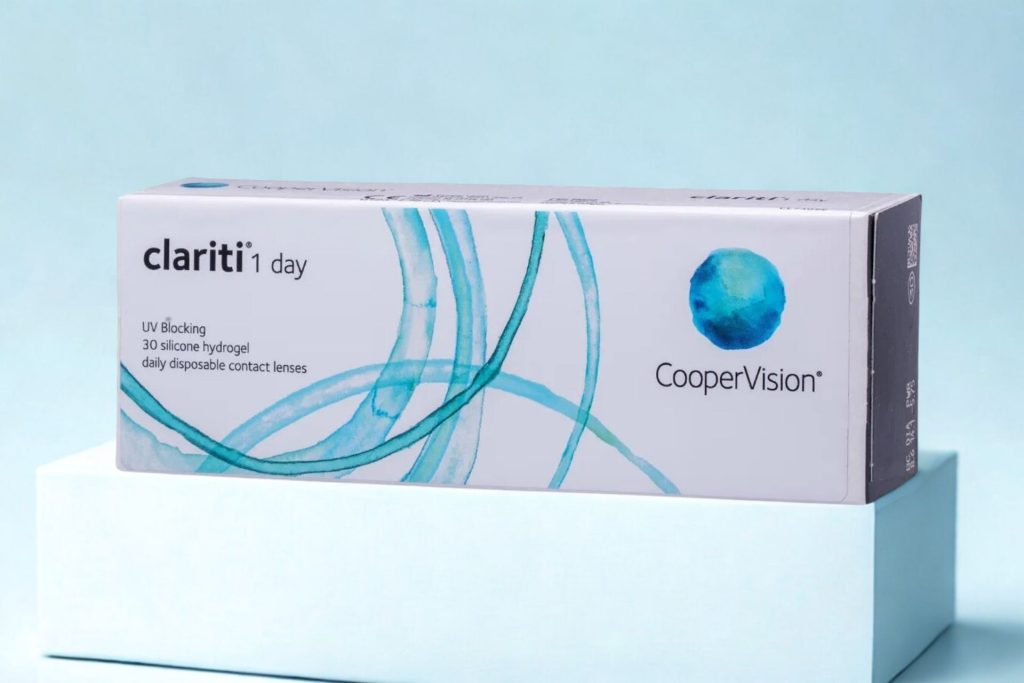
Clariti 1 Day contact lenses are daily disposable contacts by CooperVision. They are marketed as entry-level lenses, based on price and ease of use. You get Class 2 UV protection through the lenses’ built-in UV blocker feature.
Are Contact Lenses With UV Protection Worth It?
So, should you start looking for contacts with UV protection? The answer to that is really up to you.
If you have an active lifestyle and spend a lot of time outdoors, then yes, get lenses with UV protection. Your activities might not always allow the use of sunglasses. (For instance, you’re a scuba diver who’s waiting on the surface for the rest of your group to get in the water.) So, protect your eyes as much as you can.
If you can’t always guarantee that you’ll have your sunglasses handy, yes, get contacts with UV protection. You might be forgetful or have a packed day. These lenses are convenient in ensuring that you have some protection from harmful rays.
If you are aware of the limitations of these contacts and just want supplementary UV ray protection, these contact lenses can work as an extra shield.
Just always keep in mind that the coverage of contact lenses is limited and that you will always need your sunglasses.
TL;DR
- Contact lenses with UV protection provide you with limited coverage that protects you from harmful UVA and UVB rays.
- They come in two classes: Class 1 and Class 2. Class 1 UV-Blocking lenses provide you with the best protection.
- Their effectiveness is limited, but their convenience makes for a good case to choose them.
- Some of the top lens brands with UV protection include the entire ACUVUE OASYS line, Dailies Total1 for Astigmatism, and Clariti 1-day.
- Their worthiness depends on your lifestyle, preference for convenience, and awareness of their limited coverage.
- It is always best to have your UV-400-rated sunglasses handy.

