Tag:

Eyeglasses

70s eyewear

70s Glasses Guide: Top Picks for Retro Frames

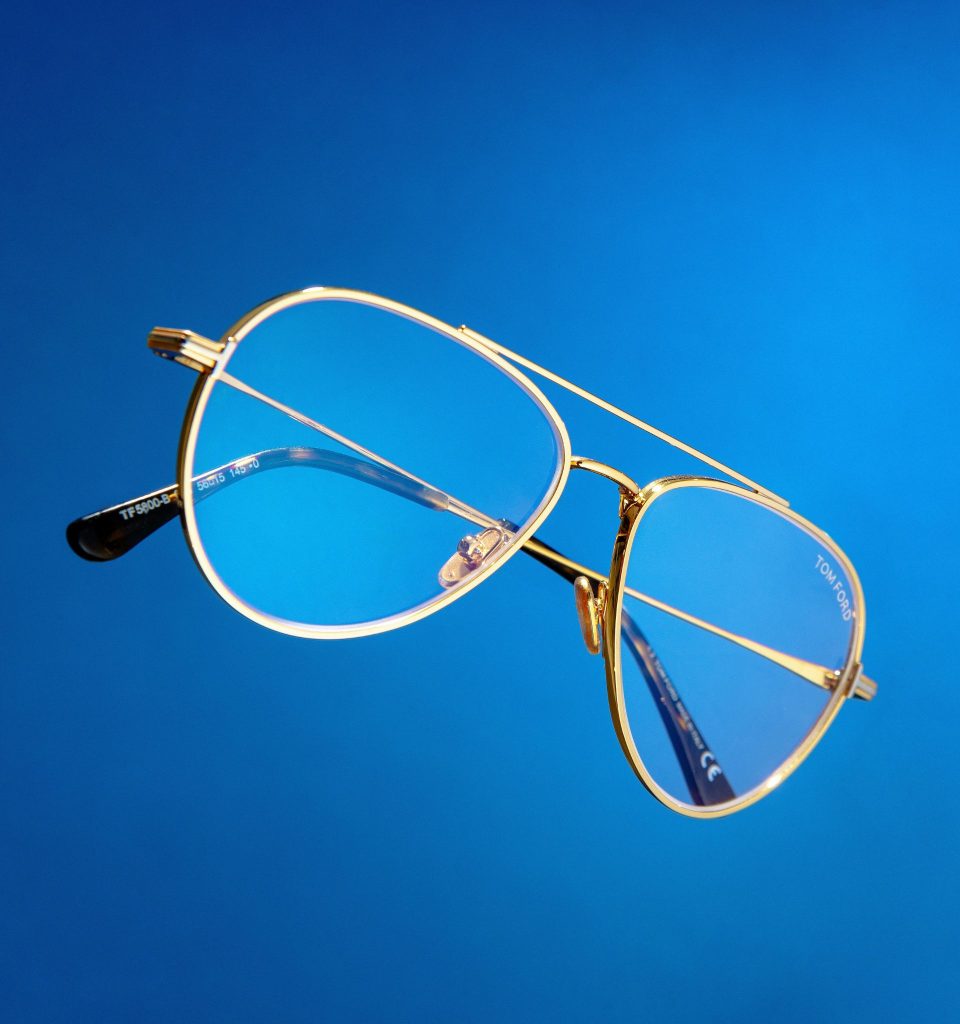
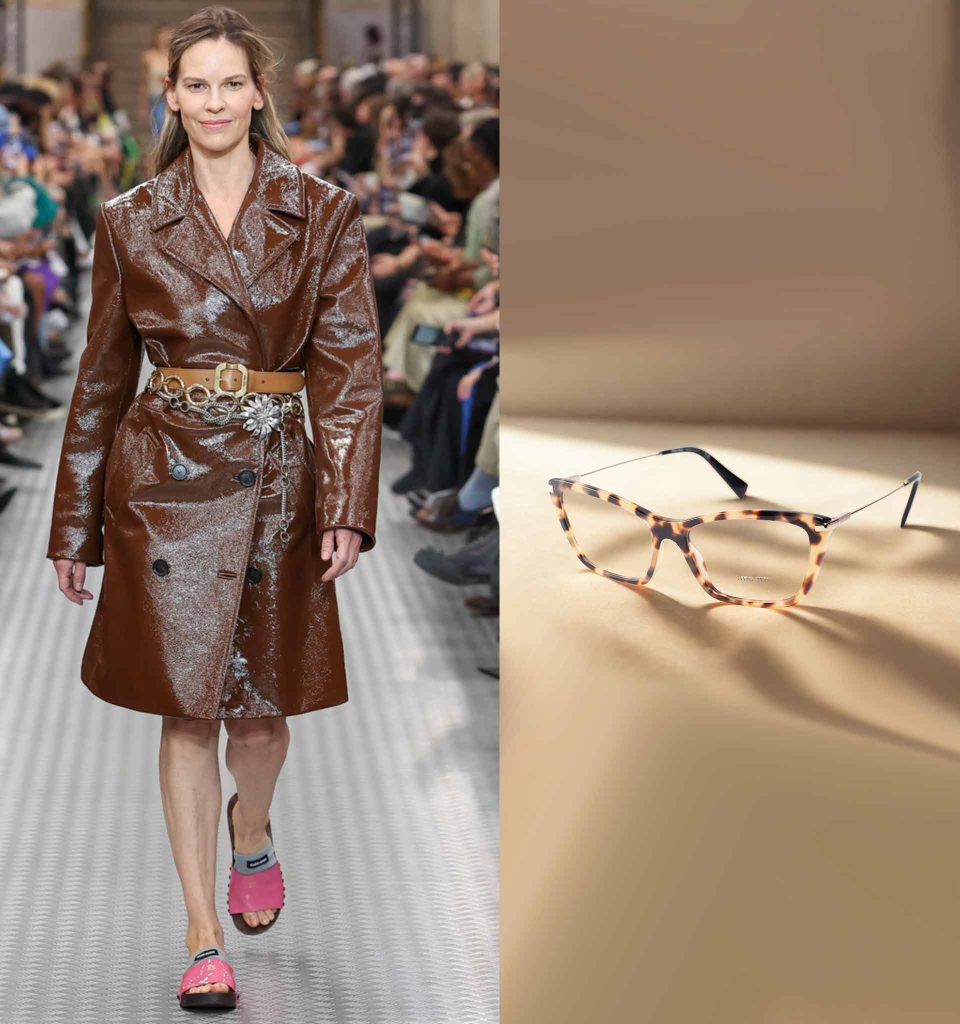
As the weather starts getting cooler, you may want to embrace a season of new trends. This season is rife with inspiration, but it isn’t exactly new. Retro-inspired trends have started creeping into our wardrobes. From flare jeans to knee-high boots to leather button-front skirts, it’s clear what decade we are getting our fashion inspiration from this fall. And it isn’t stopping there! Retro 70s glasses provide a great accessory for this season.

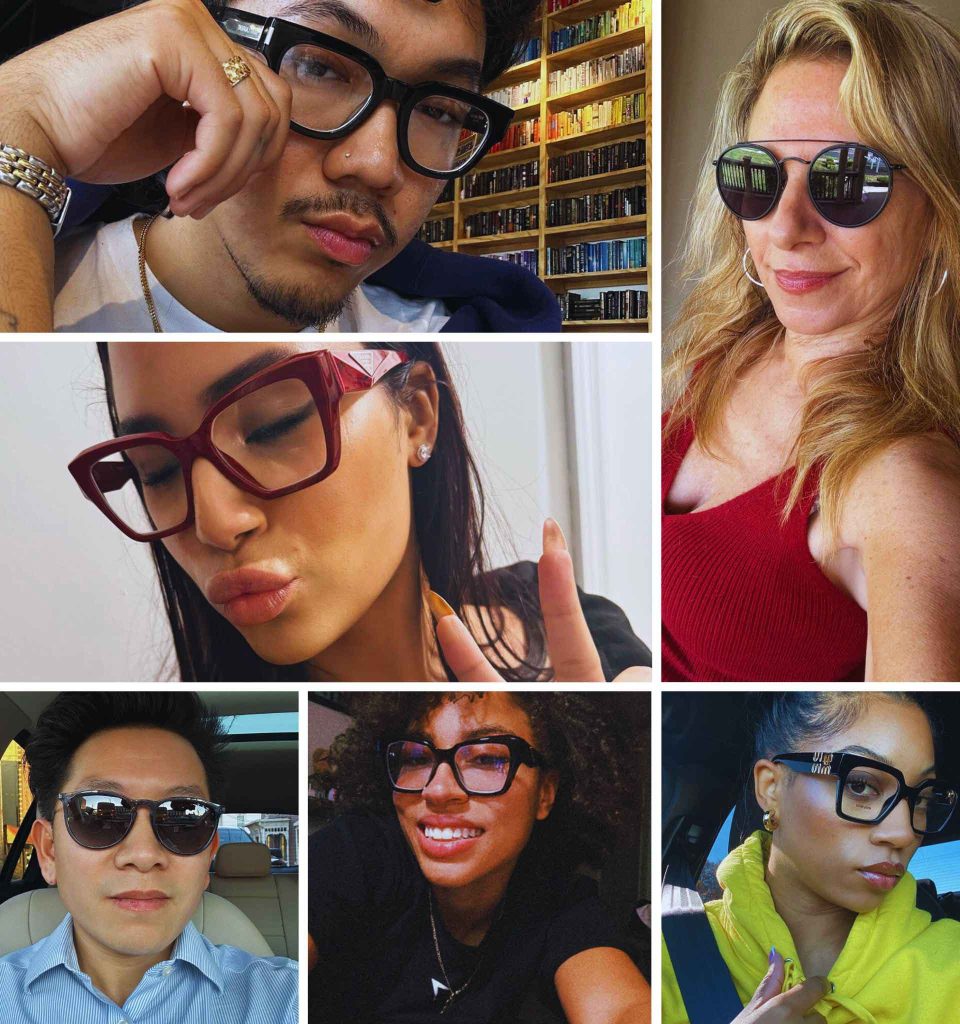
Many of these bold 70s glasses aren’t for the faint of heart. Fun-loving statement frames are here to help you stand out from the crowd. Instead of demure cat-eye shapes or translucent frames, we’re reaching for oversized square frames, new takes on aviator styles, and yellow-tinted lenses.

The 70s were the years that officially began to consider glasses as fashion accessories rather than just a necessary addition to help you see. The decade was rich in experiments of all kinds that led to modern eyewear and current trends.

That’s why you can flip through a 70s graduation book, admire the eccentric styles, and want to try them on for a cool new/old look. The years were filled with extravagant shapes, different materials, and rich earthy colors. Here are three retro 70s glasses styles to try out to embrace the peace and love era for all its worth.

Continue Reading
adjusting-V2

Adjusting To New Glasses: 6 Common Concerns

If you wear glasses, you know there’s nothing better than replacing your old, outdated lenses with an up-to-date prescription and a stylish new pair of frames.

We all know the drill: you get your eyes checked, get a new prescription, choose your frames, and wait a week or so for your new specs to arrive. You get the call, pick up your new glasses, slide them on expecting to see the world in all its crystal clear brilliance…. But woah! Something doesn’t seem quite right.  

The truth is new glasses, especially with new prescriptions, don’t always produce the expected outcome right away. It’s actually quite common to experience an adjustment period.

In other words, the new glasses that are designed to help you see better, reduce headaches, and improve your eyes’ stamina and ability to focus can actually produce the opposite effect—at least initially. It’s common to feel like you are wearing the wrong prescription.

DON’T PANIC! 

We’ve researched the topic to shed some light on the most common concerns of eyewear patients who are getting used to new glasses and answered the most common questions about adjusting to new glasses.

Continue Reading
myopia epidemic children

What is Childhood Myopia? Here’s What to Know

One-third of the U.S. population is currently affected by myopia, and childhood myopia is also on the rise. And the World Health Organization reports the numbers are bound to grow massively. In fact, they claim that by the year 2050, half the world’s population will experience myopia.

The WHO goes on to say that 20% of those individuals, especially in underdeveloped countries, will also be at a significantly increased risk for blindness.

Continue Reading
Specialty Eyewear, driving glasses

Driving Glasses and Popular Types of Specialty Eyewear

What is specialty eyewear?

Unsurprisingly, AllAboutVision.com explains specialty eyewear is simply eyeglasses designed for specialized tasks. They cite The Vision Council, which reports the most common reasons for needing specialty eyewear include:

  • Supporting an activity such as driving or sports
  • Protecting the eyes during sports or work

Maybe you spend time building model airplanes or making jewelry and need better close-up vision. Like so many others, you may require eyewear to help you focus on the work you do for prolonged periods of time on a computer.

Whatever the reason, read on to find out if you might benefit from the various types of specialty eyewear.

Continue Reading
Scroll to Top