If you’ve bought eyewear recently, you might have seen the name ‘EssilorLuxottica’ or ‘Luxottica Group’ on the packaging.
This may leave you wondering, who is EssilorLuxottica exactly?
Essilor and Luxottica used to be two eyewear companies until they merged in 2018. Before the merger, Luxottica was already a giant, and Luxottica sunglasses and glasses were everywhere.
Luxottica has been around for nearly a century, and it’s only getting bigger. Now, the manufacturer is changing the eyewear game through new innovations and models.
The Luxottica Backstory
To understand why Luxottica has had such a phenomenal rise in the eyewear industry, let’s start by tracing the brand’s origins.
Luxottica was founded by Leonardo Del Vecchio in 1935 in Milan, Italy. He was an exceptional creative who was born into a lower-income family. At age seven, he was sent to an orphanage because his mother couldn’t support him.
At age 14, Vecchio began an apprenticeship with a tool maker in Milan. During his apprenticeship, he learned metalworking skills. He also enrolled in engraving classes at the famous Brera Academy in the evening.
All these skills, combined with Vecchio’s ambitions, led him to start his own business a few decades later.
How Luxottica Was Born

Leonard Del Vecchio had a love of glasses and, more specifically, frames. This made sense because of his background in metalworking, which could be applied to making spectacles.
He decided to open a workshop in the small Italian town of Agordo, in the Belluno region. The region was already home to big names in the eyewear industry. Vecchio started Luxottica as a limited partnership in 1961. The business began by employing just a handful of people before growing exponentially.
Luxottica’s Game Plan
Vecchio became a renowned businessman because he had the drive to turn his company into a global enterprise.
He expanded early and moved from producing molded plastic eyeglass parts to manufacturing all of the eyeglass components within a few years. The factory expanded its capacity and started to integrate different processes, including metalwork, to create bespoke, sought-after eyewear.
By the late 1960s, Luxottica was a hit and transitioned into a new era.
Going Global
In the ‘80s, Luxottica set its sights on the international market and began expanding its distribution network and product range. Vecchio kept a keen eye on changing customer trends and stayed one step ahead.
U.S. Expansion
The U.S. became a key global market in Vecchio’s lifetime, which is why it made sense to expand into the country quickly. In the early ’80s, Luxottica took over Avant-Garde Optics Inc., which was one of the largest distributors at the time.
It proved to be a wise move, as Luxottica’s market share jumped to 7%, making it the largest manufacturer and growing the company’s revenue to over $143 million by the ’90s.
You have to remember this was before the consolidation of mega-companies, including Amazon and Apple. An eyewear company generating such revenue and tapping a global market was unheard of at the time.
Brand vs. Manufacturer
The key point is that Luxottica is primarily a manufacturer. That means they make eyewear for brands through licensing deals. They operate their own factories, and they also work with factories globally within their supply chain.
Many brands manufacture their eyewear through companies such as Luxottica because it’s faster, cheaper, and leads to better quality products. Why?
Specialized manufacturers have decades of experience and are often even established in regions such as Belluno, Italy, where families have trained for generations in the art of making spectacles.
Driving Fashion Trends in Eyewear
In the late ‘80s, Luxottica began merging eyewear and vision care with fashion. It wasn’t just about seeing properly but feeling and looking good. This made sense as the ‘80s were all about individual expression, loud colors, and having fun with fashion. That’s where Luxottica sunglasses came in.
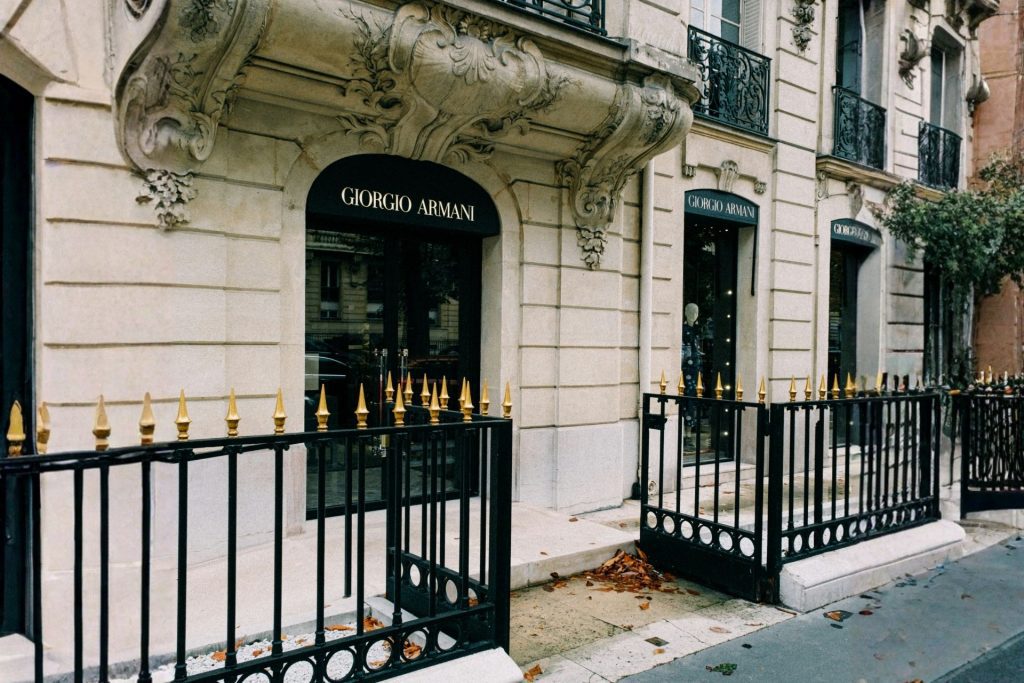
Vecchio, with his Italian good taste, realized that glasses were part of a big shift in accessories, becoming key fashion must-haves. He signed a licensing contract with Giorgio Armani to manufacture the brand’s eyewear. It was the first of a line of huge collaborations with famous fashion houses.
This was already around the time that fashion brands were starting to create eyewear lines and not just focus on clothing. It made sense that they turned to a titan of the industry such as Luxottica.
Merging With Essilor
Essilor was a French lens manufacturer that also held a similar piece of the global pie. In 2018, Essilor acquired a 62.4% stake in Luxottica and became its parent company, renaming it EssilorLuxottica.
This was huge news because they were already both the giants of the industry. The merger made them undoubtedly the largest company in global eyewear.
EssilorLuxottica Today
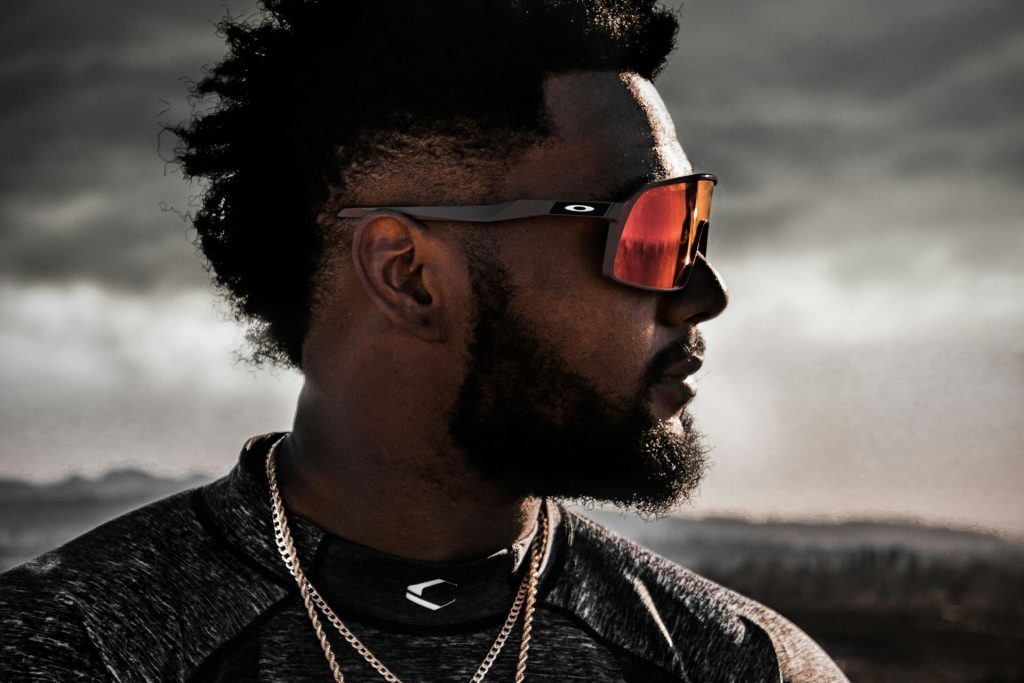
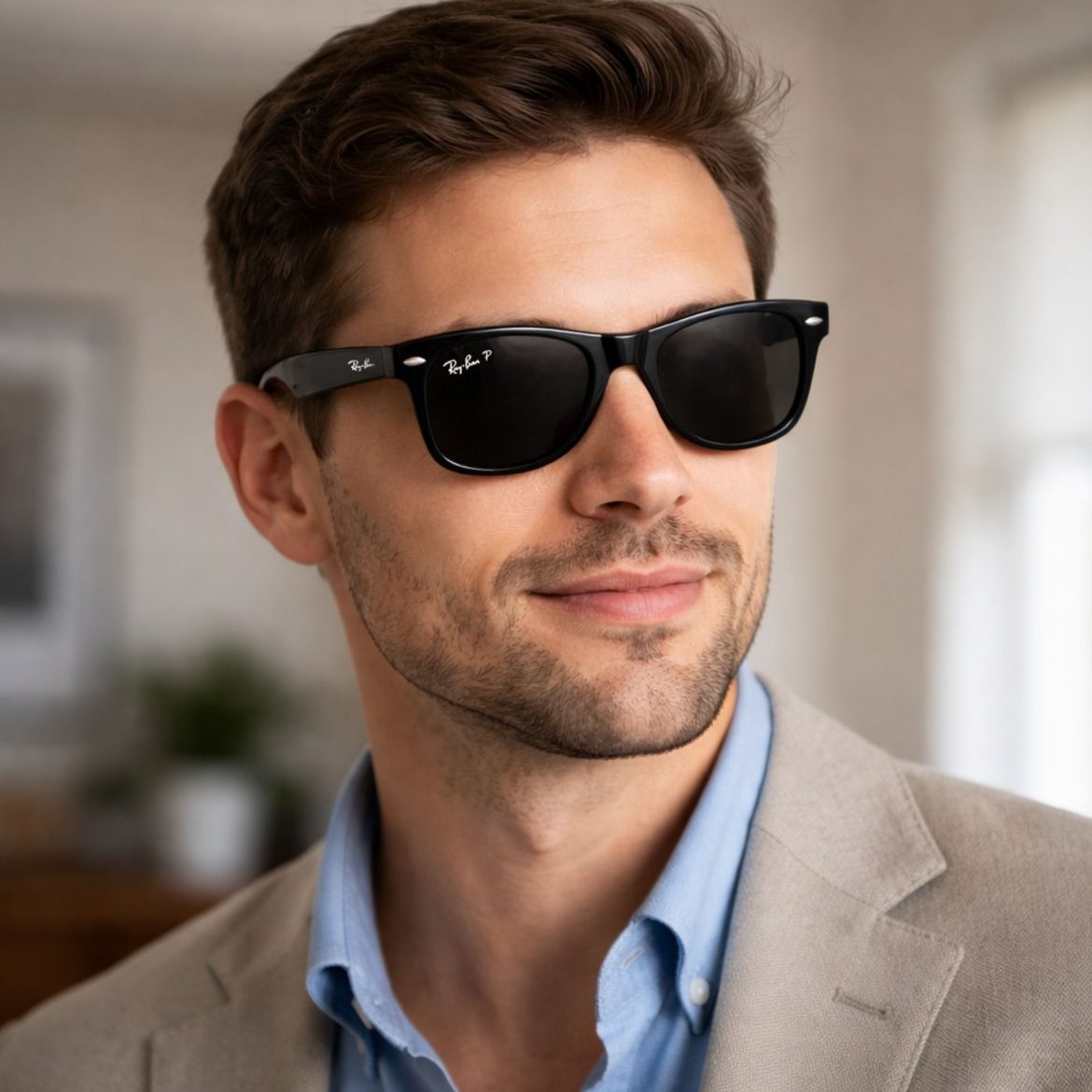
Today, EssilorLuxottica owns some of the biggest brands in the eyewear industry, including Oakley and Ray-Ban. They also licence for major fashion houses, such as Chanel, Prada, and Tiffany & Co.
EssilorLuxottica is continuing to grow. They’ve entered and renewed numerous licensing deals in recent years.
The company recently extended its licensing deal with Dolce & Gabbana until 2050. They also renewed their licensing deals with Prada and Miu Miu and secured new deals with Jimmy Choo and Moncler.
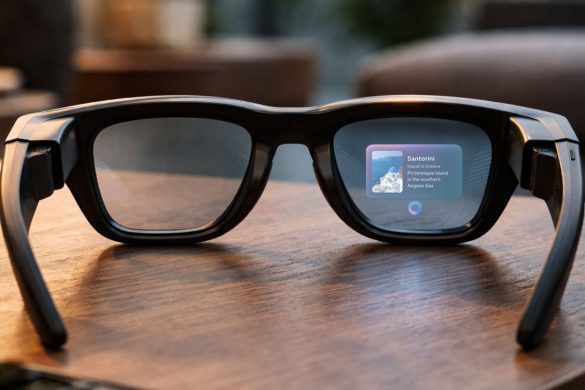
They are also at the forefront of collaborations with Meta to create AI glasses, proving that innovation is the key to growth.
But what’s really strategic is they own LensCrafters, which means they have a direct-to-retail operation, supplying products to customers across the U.S.
Overall, EssilorLuxottica is a global leader in eyewear. Now, if you see EssilorLuxottica on the packaging of your new eyewear, you can confidently say you know who they are and how they grew to be a titan of the industry!
TL;DR
Luxottica sunglasses might be sought after, but what most customers don’t know is the long and impressive legacy behind the company.
- Luxottica was founded in 1935 in Milan by Leonardo Del Vecchio, an Italian. He had already trained in metalwork and had a passion for designing spectacles.
- The company quickly went from a dozen employees to expanding globally by the ‘60s.
- The company soon entered the U.S. market by acquiring Avant-Garde Optics Inc. and later expanded into direct-to-consumer with the purchase of LensCrafters.
- In the ‘80s, Luxottica sunglasses took on a whole new meaning by licensing with Giorgio Armani to create his line, before expanding into more partnerships with fashion houses.
- In 2017, another eyewear giant, the French company Essilor, acquired a majority stake in Luxottica. The two companies merged to form EssilorLuxottica, the world’s largest eyewear manufacturer.