
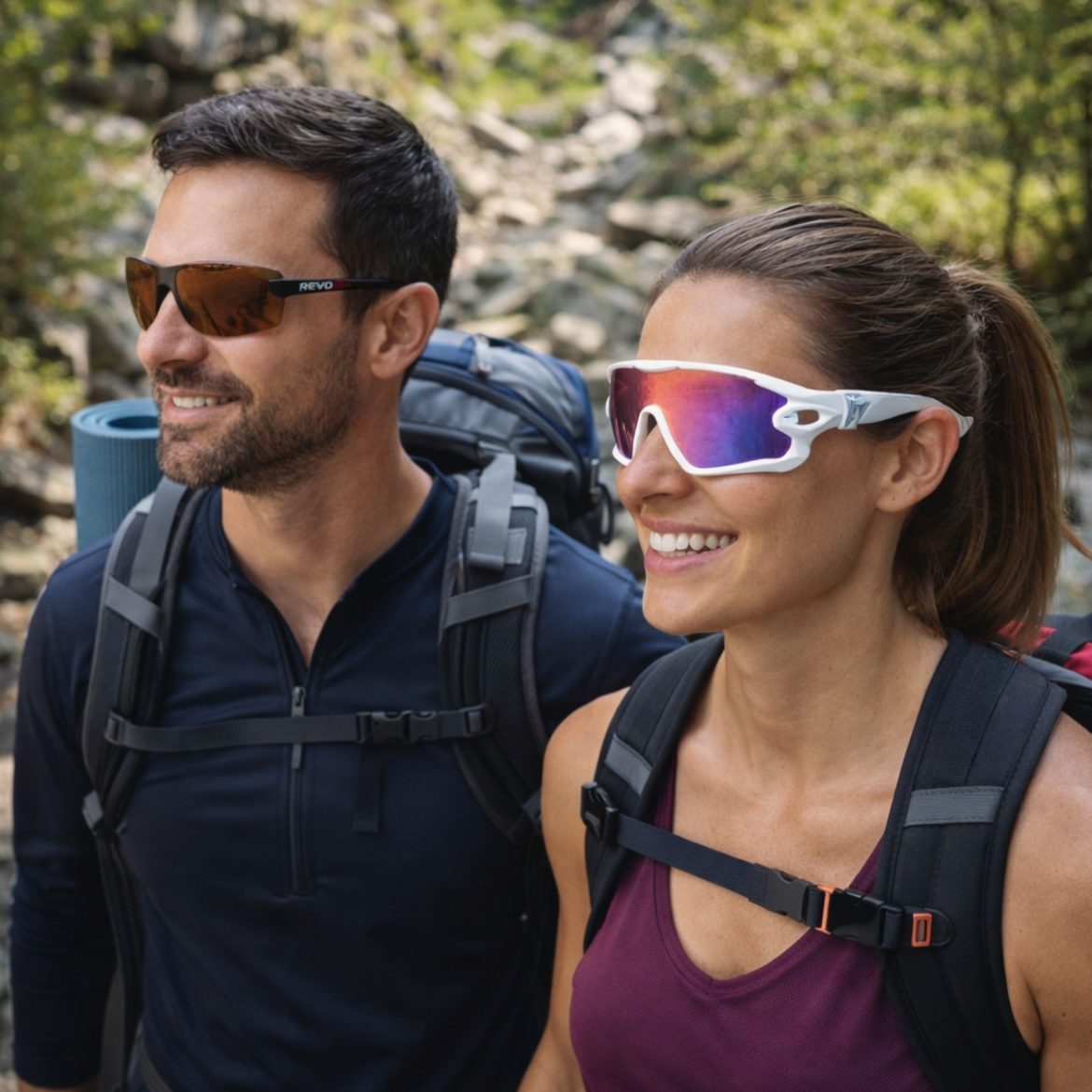

Do you hate that feeling of hiking on a trail and tripping because you’re blinded by the sun? There’s no shame; it happens to experts and novices alike.
Hiking sunglasses are a great solution, but you don’t want to buy the wrong ones for the trail. Not all sunglasses are meant for hiking.
Find out why before you splurge on the wrong pair for you!
Not All Sunglasses Are Hiking Sunglasses
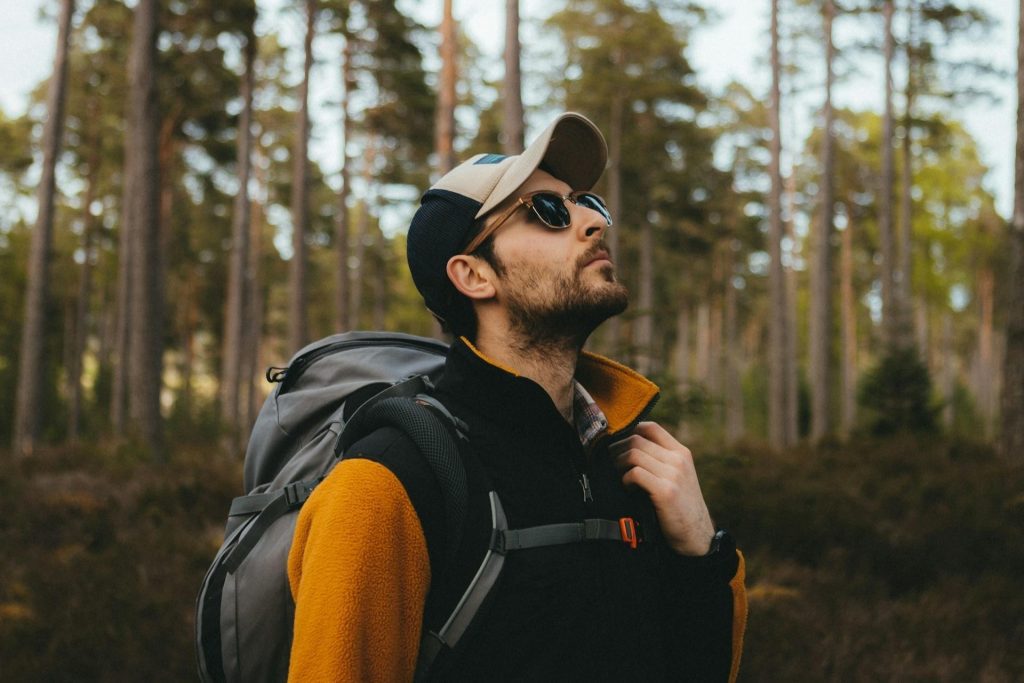
Do you own a pair of cool, designer fashion sunglasses? If so, put them on, jump up and down, and then lean forward. If you have stairs in your house, climb up and down them as well (I promise this exercise has a point)!
Now, as you were moving around, did the sunglasses constantly slip down your nose, become wonky, or fall off altogether? The likely answer is yes, and that’s why many stylish, perfectly protective sunglasses are not fit for hiking on trails.
Although they’ll shield your eyes from direct sunlight, they can become a nuisance, and at worst, a liability.
If you’re into rugged trails and intense hikes, you want your gear to enhance safety and performance, which is why a pair of fit-for-purpose hiking sunglasses is a good call.
Avoid Polarized Sunglasses
Okay, now you’re browsing for the best shades for your next big hike, and there are so many styles it’s hard to choose. Let’s start with what to avoid, as I believe in the process of elimination when shopping.
Polarized sunglasses can be incredible for certain outdoor activities, from skiing to fishing. The lenses reduce glare from ice, water, and snow, helping you to see better in those conditions.
But the catch is that when you’re hiking in shaded conditions like forests or jungles, you don’t really need glare reduction. In fact, polarization can affect depth perception, which can be a problem when hiking because you need to see what’s in front of you and into the distance.
Hiking sunglasses should improve your performance, so unless you’re hiking around the beach or in the snow, avoid these lenses.
What Makes a Good Pair of Hiking Glasses
Now that we’ve talked about some common mistakes, let’s get into styles that are fit for your adventures.
Nose Grip Is Key
Many sunglasses will slide down your nose, which isn’t great when you’re out on a rocky trail. It can be distracting and even dangerous. Rubber nose grips are the way to go. They are made to stay put.
Just look at the nose grip on the Oakley Halfjacket 2.0! The brand is known for creating stellar sporty models, so these are a good choice. They’re not polarized, come in a range of colors, and are unisex.
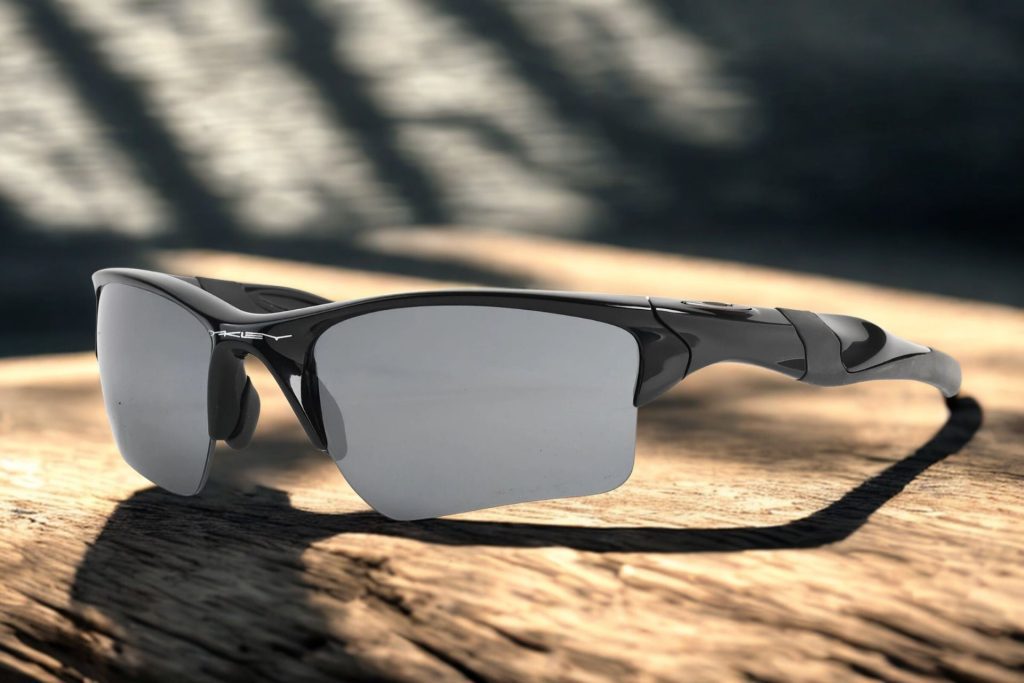
EZContacts reviewer Dominik agrees they’re perfect for outdoor activities:
“The best looking and performing sunglasses. Love my Oakley 2.0 half jacket sunglasses. Great for running, golfing, and just about any activity. The snug fit is comfortable and reassuring.”
360 Coverage and Protection
It’s important to protect your eyes when hiking. You don’t want to be caught off guard by a blinding ray of light in the middle of an important stretch of trail.
You can opt for wraparound hiking sunglasses, and don’t worry, they don’t need to be clunky. There are plenty of lightweight designs to choose from.
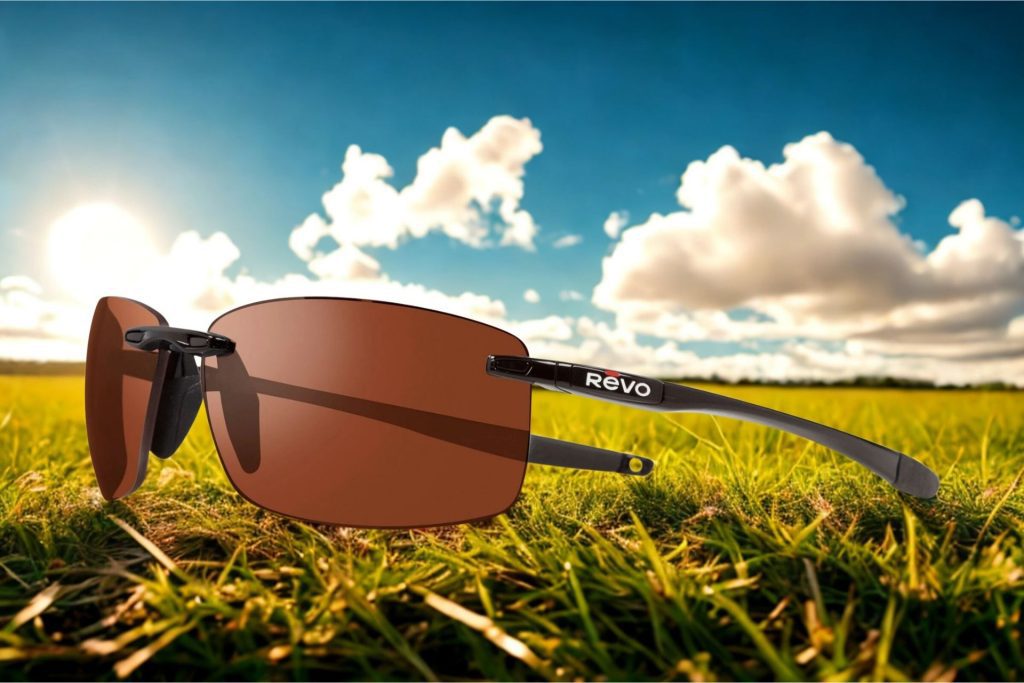
The unisex Revo Descend is super lightweight and features a wraparound shape that protects against harsh UV rays. This is a good pair for casual, short hikes that aren’t too rigorous.
The frame may be more fragile than some tougher models, but they look stylish, making them a good pair for daily wear, too.
Reviewer Wendalyn agrees:
“Love these glasses. This is my second pair. Lightweight, greater clarity than other sunglasses- perfect for sports and driving.”
Sturdy and Durable Construction
If you’re an avid hiker who enjoys multi-day trails and off-the-beaten-path excursions, you’ll need a pair of shades that can keep up with you. They should be durable and ready for your rugged adventures.
The key is to choose construction that’s made to last, doesn’t scratch easily, and won’t fall apart if dropped.
The unisex Oakley Jawbreaker (aptly named) is ideal for a wide range of rugged sports, as many reviewers attest that it holds up in extreme conditions. You can tell just by looking at the design that they’re made to last. And after all, they are designed by Oakley.
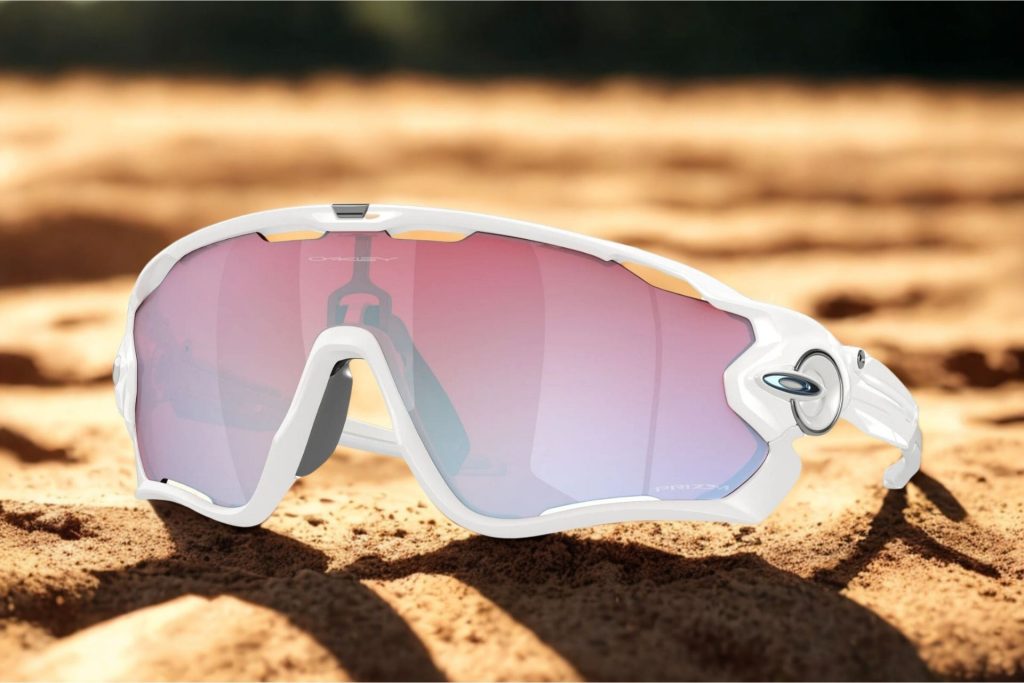
Reviewer Isaac shared that they stand up to rugged mountain biking, which means they’ll also be a great fit for mountain hiking!
“I have had and tried every type of glasses for mountain biking. These are the most comfortable, clear with high def, and most importantly never fog!”
Lucimara said they’re great for trails:
“I can see everything on the trail, love how there is nothing on your field of vision. I also love the look.”
Check the Fit
Wearing sunglasses that are too big and slide off your face can be a problem while hiking. On the flip side, your sunglasses can also be too small and cause tension or tightness at your temples. Neither is ideal, which is why it’s important to choose the right size and a good, comfortable fit.
You want to choose sunglasses that are comfortable to wear for hours at a time while you’re out traversing the trails. These unisex Under Armour sunglasses are perfect for low-light trails and feature a comfortable fit.
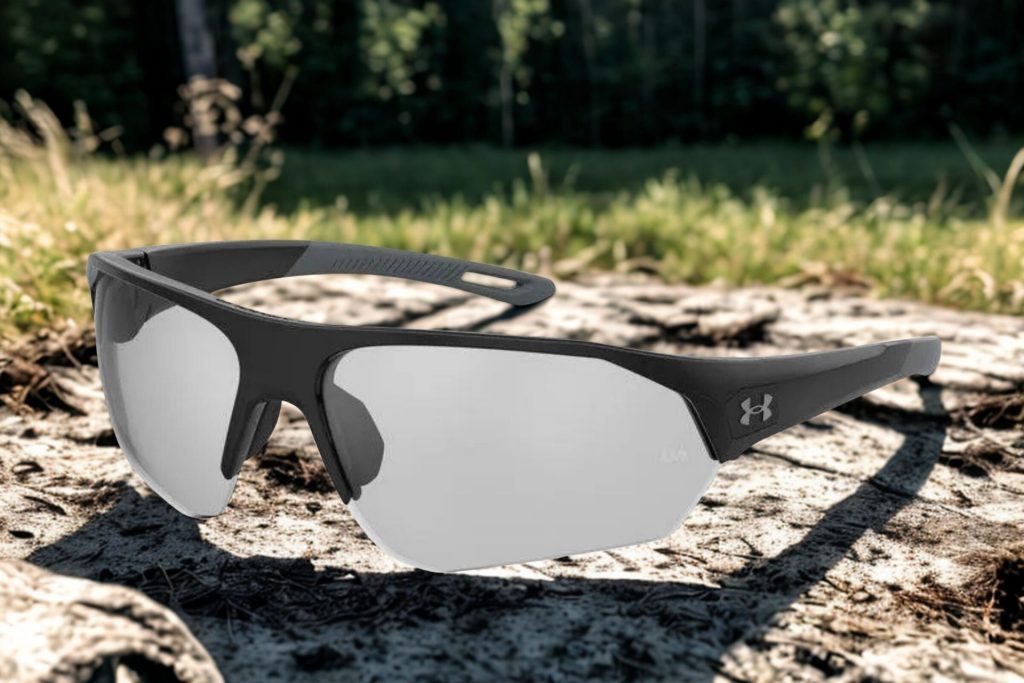
Reviewer Tom shared his experience:
“I wear these on mtb trails- great protection, clear lenses that are perfect for low light and sunny areas of the trail. Very comfortable frames.”
TL;DR
Hiking sunglasses require some extra research to find the best-fitting and performing pair. They should be protective but also enhance your experience.
- They shouldn’t slide down your nose or fall off your face; that’s why fashionable designer shades aren’t usually made for hiking.
- Polarized sunglasses aren’t the best choice for low-light trails like forests and jungles since they can distort depth perception.
- Opt for a pair with good nose grips and durable construction so they can withstand your active lifestyle and stay put on your face when you’re traversing a mountain.
- Wraparound shapes are best for providing 360 coverage and protecting your eyes from all angles.
- The fit should be comfortable and not pinch or squeeze your temples.

