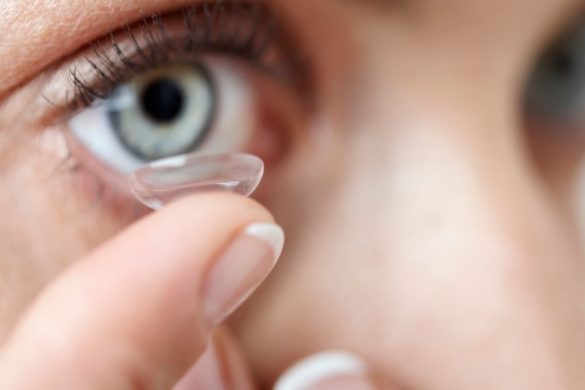
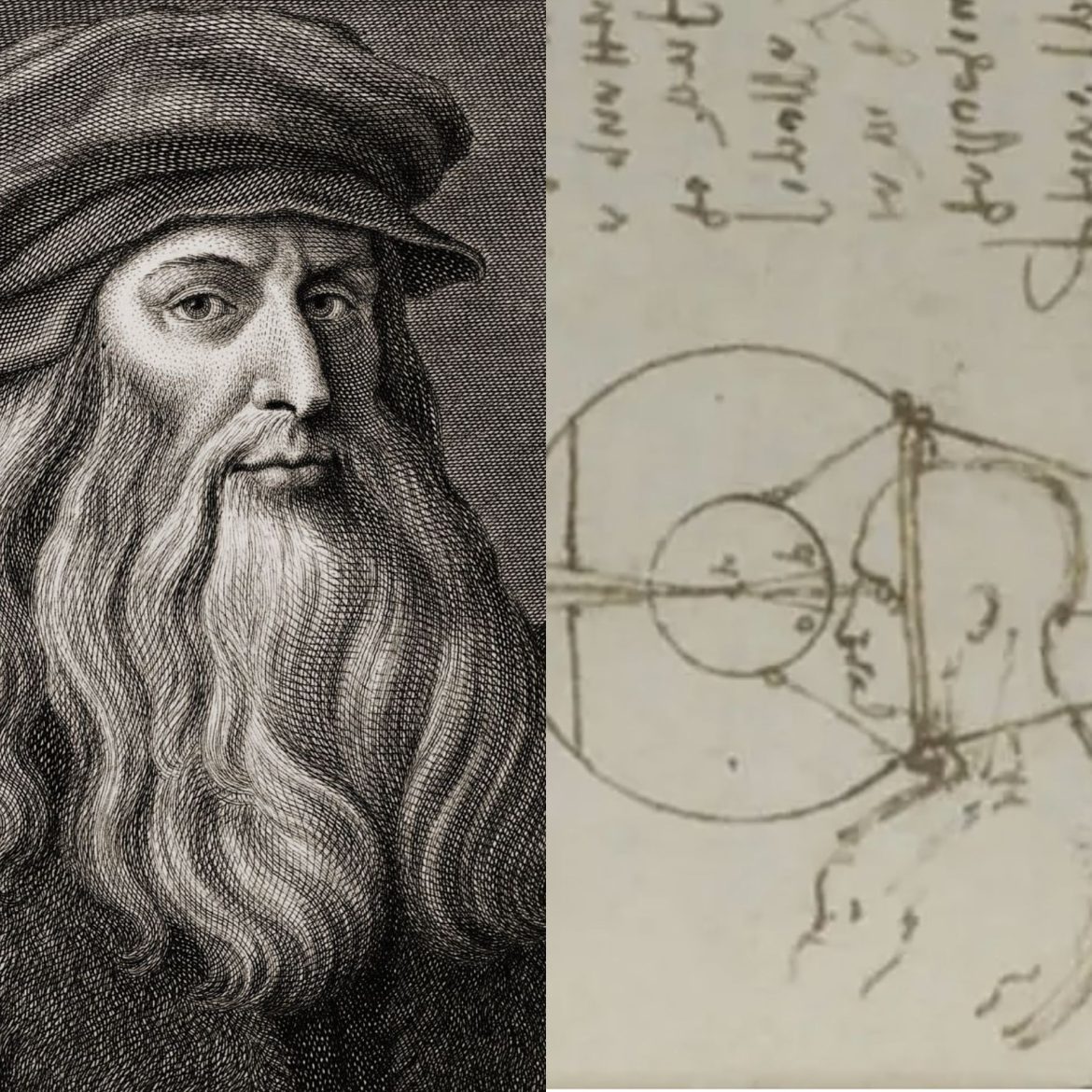
Did you know that contact lenses were once just imagined by Leonardo da Vinci? His sketches from the late 15th century envisioned a device that could change the curvature of light as it entered the eye.
It took centuries for this vision to become a reality, but wow! Contact lens technology has come so far! Let’s go back and see when and how the genius creations you now wear on your eyes came to be.
Early 19th Century: Experiments and Prototypes
In 1888, Adolf Gaston Eugen Fick created the first working contact lens prototype. He experimented first with rabbits, then on himself, and then with a few volunteers. His lens was clunky, uncomfortable, and made from heavy brown glass. But it sat directly on the cornea and somehow worked.
So, not counting the imaginings of da Vinci, you could say that 1888 was the year when contact lenses were invented. This laid out the groundwork for future lens innovations that followed.
Mid-20th Century: The Creation of Acrylic Lenses
The first major breakthrough came in the middle of the 20th century. Acrylic, or polymethyl methacrylate/PMMA, was developed and later used in several consumer products, including contact lenses. Acrylic lenses (or what we now refer to as “hard lenses”) were introduced in the 1930s and 1940s as improvements of their glass predecessors.
PMMA lenses were better than glass lenses. They offered improved clarity and durability. The downside was that they still felt rigid and uncomfortable. Plus, oxygen permeability was practically missing! This added to the discomfort and risks of corneal hypoxia (oxygen deficiency).
While this relegated these hard lenses to something you use only for short periods, it led to future innovations that sought to improve lens breathability.
Late 20th Century: Oxygen Revolution
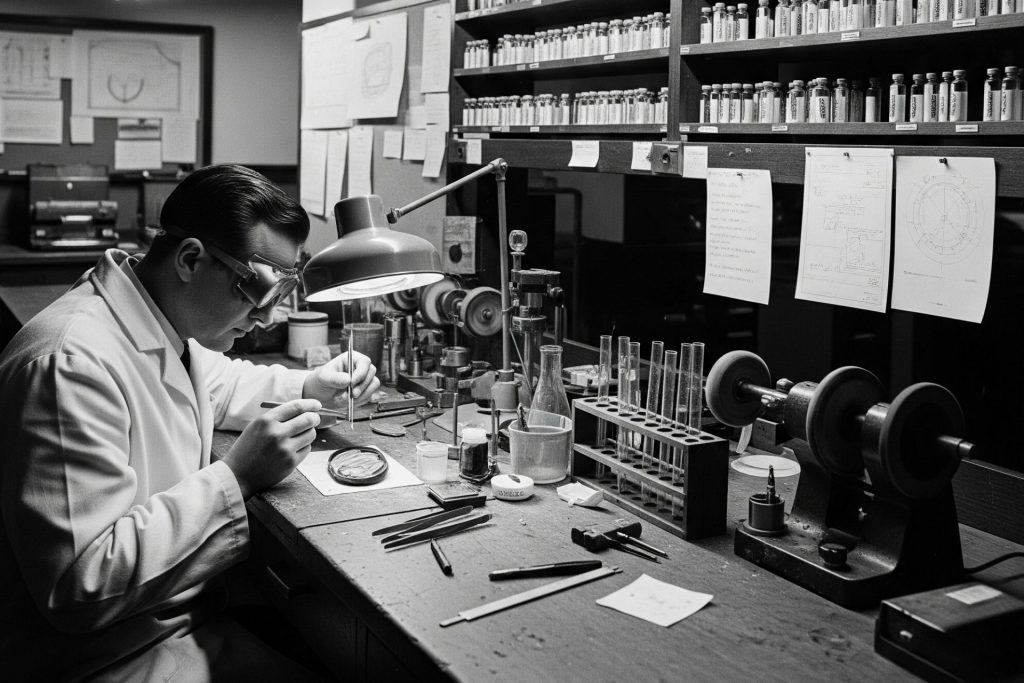
And sure enough, within a few decades, we entered the era of oxygen in contact lenses!
It started in the 1960s when Czech chemists Otto Wichterle and Drahoslav Lim looked into “hydrophilic gels for biological use.” Their work led to the development and manufacturing of hydrogel soft contact lenses in several countries.
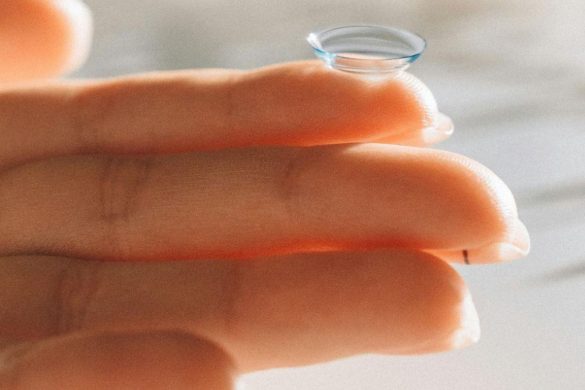
Improved oxygen permeability was one of the big deals with these new lenses. They were made from hydrophilic materials like hydroxyethyl methacrylate (HEMA), which stayed moist longer and allowed for more oxygen. These were also flexible lenses that felt comfortable and worked!
In 1965, the National Patent Development Corporation, a private company in the U.S. that invested in patents and inventions, bought the American rights to these lenses. This was later sublicensed to Bausch + Lomb so the contacts could be manufactured in the U.S. The U.S. Food and Drug Administration later approved the use and production of these soft contact lenses in 1971.
The rest, as they say, is history! The industry exploded, and more and more people began to choose soft contact lenses for their vision correction needs!
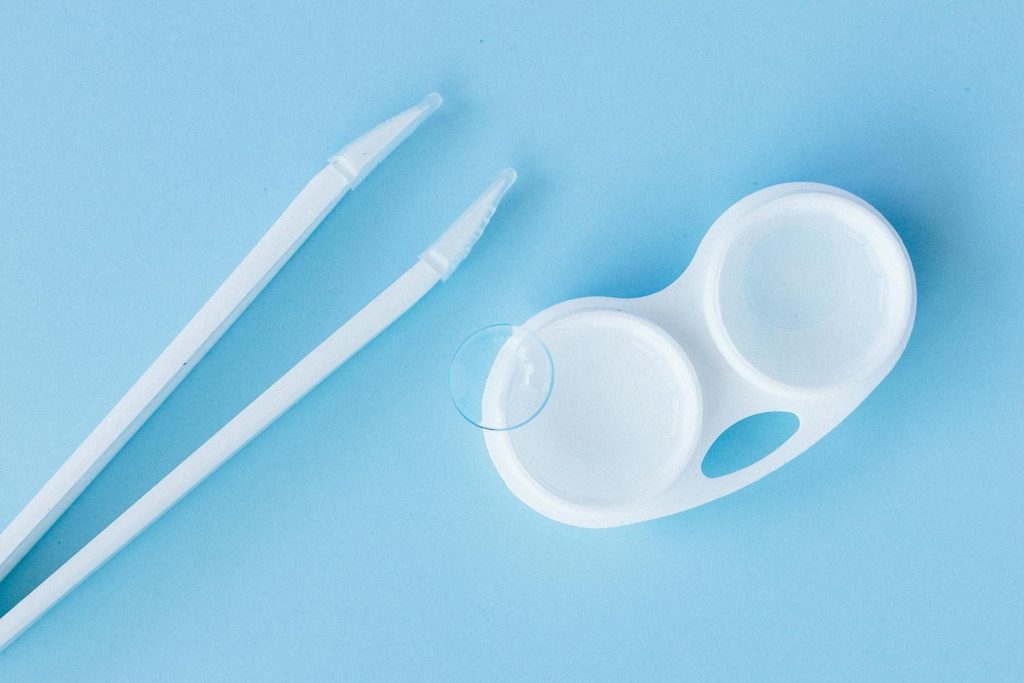
Hard Lenses Leveled Up
With optometrists prescribing soft contact lenses more, hard lenses needed to catch up, especially when it came to oxygen permeability.
This began to happen only in the late 1970s to the 1990s, and owed much of the progress to chemist Norman Gaylord, who developed new oxygen-permeable hard contact lenses. These hard contacts were now more popularly referred to as rigid gas permeable (RGP) lenses. This new breed of hard lenses boasts of improved oxygen permeability that, as some claimed, was even better than what soft contacts offered.
Today’s Modern Refinements and Lens Innovations
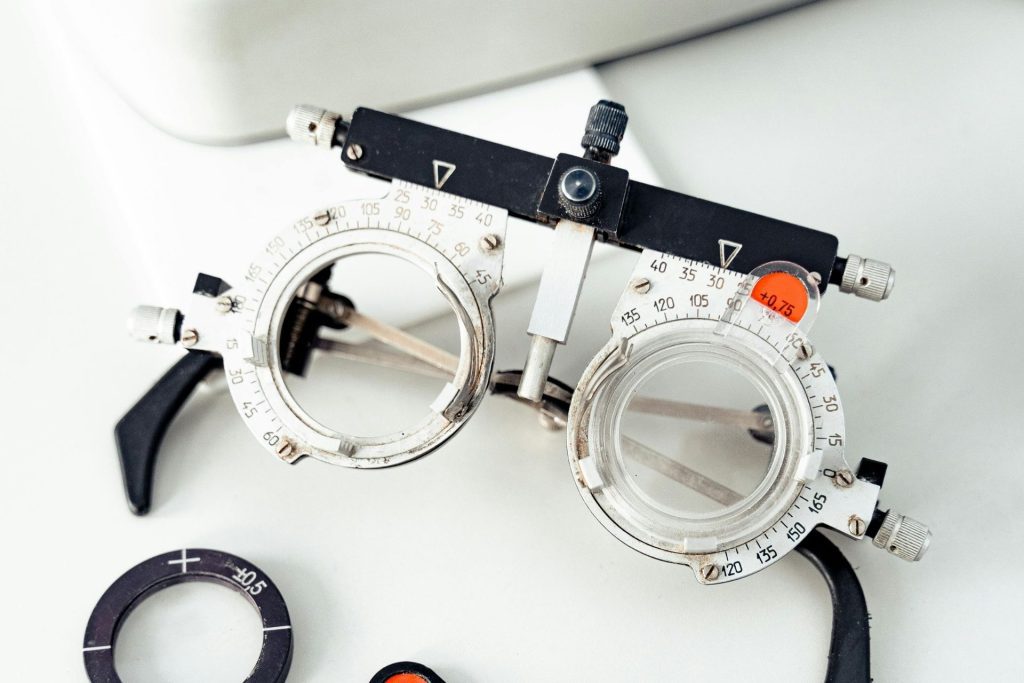
But wait… there’s more! Lens technology researchers continue to work non-stop to bring the contact lens-wearing public product innovations:
Toric Lenses
Toric lenses are designed for people with irregularly shaped corneas, such as those with astigmatism. They were initially RGP lenses, but soon, soft toric lenses were also produced.
Multifocal Lenses
Multifocal lenses offer visual correction for people with myopia, hyperopia, and presbyopia. This eliminates the need for reading glasses.
Orthokeratology Lenses
Orthokeratology lenses are worn overnight to reshape the cornea and temporarily correct refractive errors. You won’t need to wear lenses during the day. These are increasing in popularity as a vision correction alternative.
Disposable Lenses
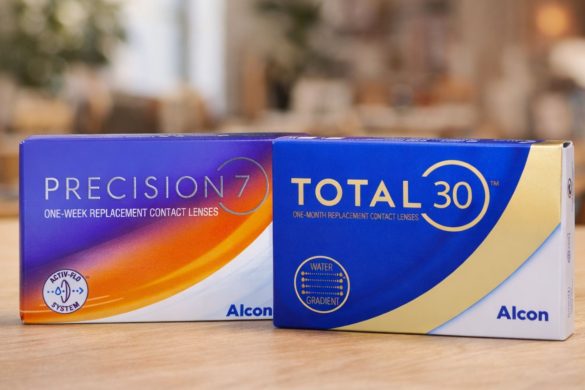
Disposable lenses were first conceptualized by British optometrist Rishi Agarwal in 1972. Today, you have the option of daily, bi-weekly, and monthly disposable contact lenses.
The Future of Contact Lenses
The future of contact lenses looks bright and clear. Innovations continue, and you can look forward to lenses that defy expectations!
Advanced Lens Designs
Continued refinements in lens design improve breathability, comfort, and convenience. Companies regularly launch improved versions of their contact lens product lines.
Biocompatible Materials
The search for even more biocompatible materials aims to further improve comfort, reduce the risk of complications, and extend the wear time.
Smart Lenses
This might sound like something from science fiction, but researchers are now exploring the possibility of integrating sensors and electronics into contact lenses. This will allow contacts to work like smart glasses. These developments extend to healthcare too, as health parameters, such as sugar levels of diabetics, can potentially be monitored.
TL;DR
It may have started with a sketch from da Vinci, but contact lenses have come a long way. They were first invented in 1888, and since then, they’ve gone through so much reinvention:
- Acrylic, or PMMA, contact lenses were developed in the mid-20th century. Oxygen permeability and comfort were the main issues with these lenses.
- Development in soft contact lens technology from the mid-1960s to the 1970s led to more comfortable and oxygen-breathing lenses. These soft lenses became preferred by the contact lens-wearing market.
- Hard lenses improved their oxygen permeability and became popularly known as Rigid Gas Permeable lenses.
- Lens technology innovations followed, including toric, multifocal, Orthokeratology, and disposable lenses.
- The future of contact lenses remains promising, with improvements in comfort designs and the use of biocompatible materials, as well as the development of smart lenses.