
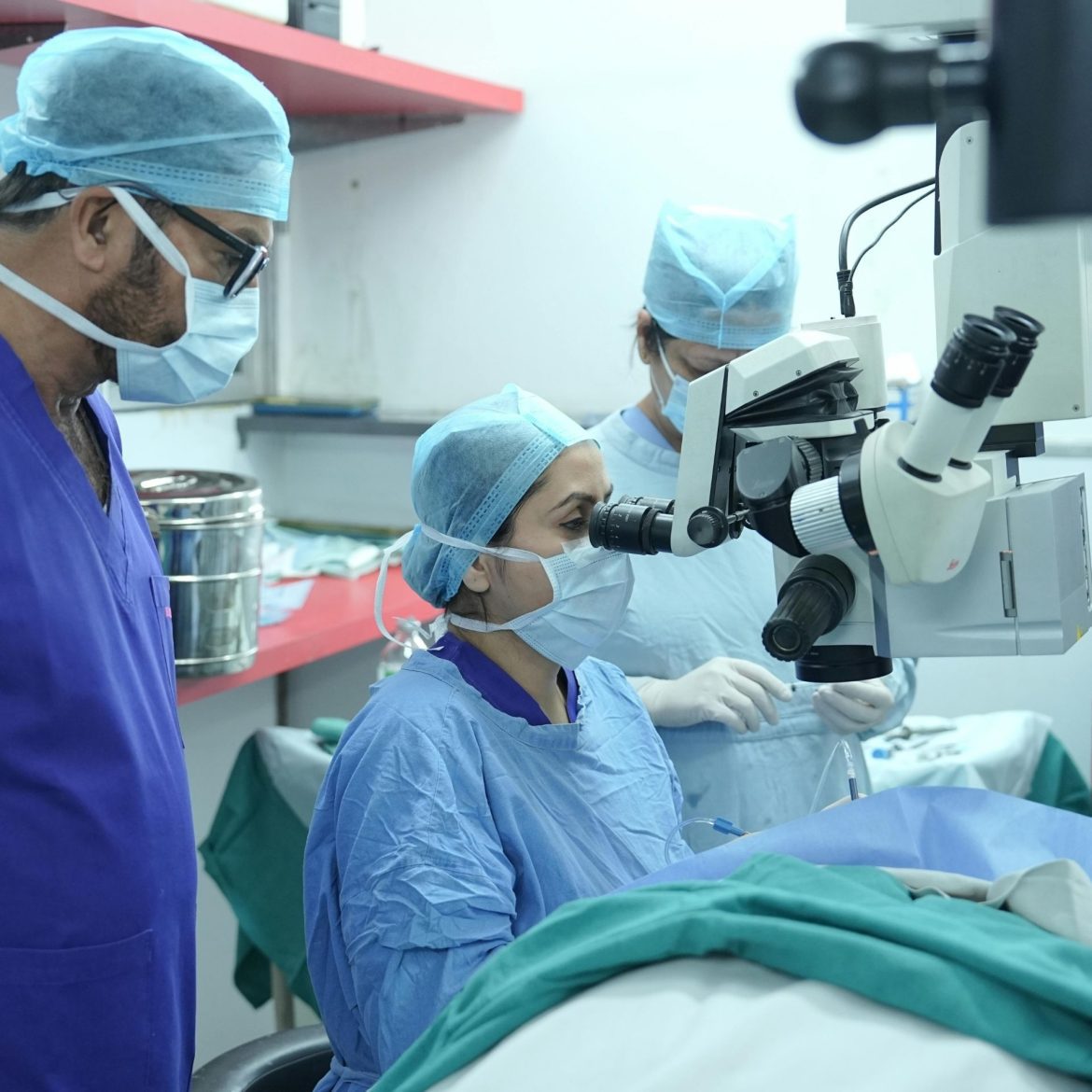

If you need cataract surgery for both eyes, one of your first questions should be: how long between cataract surgery on each eye?
There is a recovery period necessary for each eye. The length of time depends on several factors. Find out about the optimal timing between your cataract surgeries and know your options.
What Happens During Surgery
Cataract surgery is one of the most common surgeries in the world. It’s when the clouded lens of your eye is replaced by an artificial lens to give you visual clarity. The procedure has a high success rate overall. In the U.S., the success rate is as high as 95%.
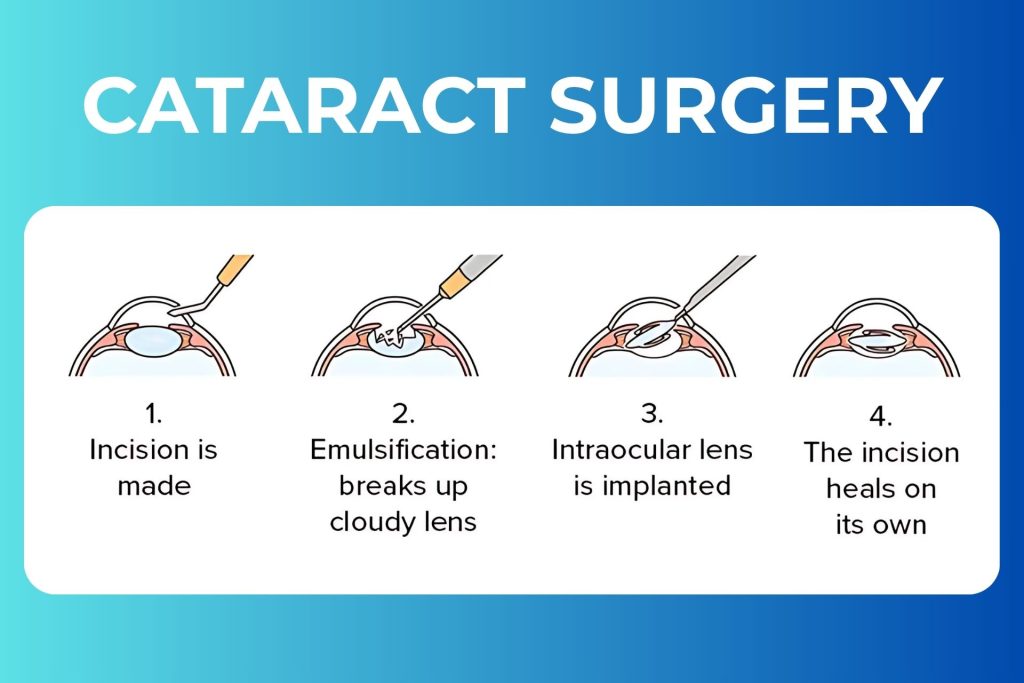
However, there are possible complications. The gap between surgeries is there to monitor for these complications and to see how well the patient recovers.
Why Timing Matters
Following the optimal timing between cataract surgeries ensures that you get the best possible outcome without complications.
There are a few factors to consider:
- How Your Eyes Heal: Post-surgery recovery is different per person. Ideally, your first eye should be healed before proceeding with your other eye’s cataract surgery.
- Watching for Complications: Your doctor will need time to monitor the outcome of your first cataract surgery. They need to know if there are complications, such as infection, blurry vision that doesn’t subside, and maybe even lens detachment.
- The Need to Regain Clear Vision Sooner: The timing of your surgeries will affect how quickly you regain clear vision. Your doctor might prescribe a shorter gap between surgeries so you can recover your vision faster.
What Affects Your Cataract Surgery Timing
There are a few things that your eye surgeon needs to consider when scheduling your cataract surgery:
Patient’s Health

Your overall health and any pre-existing conditions will affect your post-cataract surgery recovery time. This might lengthen the time between cataract surgeries.
Here’s what your eye surgeon needs to consider when it comes to your health:
Cardiovascular Health
Your heart health matters, especially if you’ve had heart attacks or suffer from unstable heart conditions and uncontrolled high blood pressure. You need to be stable first before every eye procedure.
Diabetes
Diabetic patients may have slower wound healing capabilities. This applies to cataract surgery, too. And this makes them more at risk of infections. Your blood sugar level needs to be managed before and after surgery.
Bleeding Disorders
If you’re taking blood thinners or if you’re currently suffering from any bleeding disorder, then your eye surgeon might want to delay your surgery. They might require you to make adjustments to your medication.
Compromised Immune System
If you’re suffering from a compromised immune system, perhaps from chemotherapy, HIV, or autoimmune diseases, your surgeon needs to assess your immune system status first before you get the go-ahead for cataract surgery.
Neurological Conditions
Certain neurological conditions might affect your ability to cooperate during the procedure or during the post-operative recovery. Uncontrollable tics and movements can get in the way of a successful cataract surgery. Your surgeon will need to assess this before giving you a go-ahead for your surgery.
Eye Health
If you are suffering from eye conditions, such as glaucoma or macular degeneration, expect treatment and scheduling cataract surgeries to be a bit more complicated. Your doctors might even have to coordinate treatment plans.
Medication Interactions
Some medications can have negative interactions with the anesthetic drugs used during surgery. They could also potentially increase your risk of complications from surgery.
Overall Fitness
You need to be in good physical condition overall. This means that you should typically be able to heal and manage potential discomfort normally and follow through with post-surgery instructions, including follow-up consultations.
Type and Severity of Cataract
The type and severity of your cataracts will also come into play when it comes to timing your procedure.
Just imagine a scenario where your cataracts are so severe that you can’t see clearly. So much so that it gets in the way of safety and basic tasks. Your doctor will want to lessen the gap between surgeries so you can regain vision right away.
Another example is if you have posterior subcapsular cataracts. These are cataracts at the back of the lens, which might cause vision problems, especially in bright light. Your doctor might schedule your cataract surgeries sooner.
Typical Timing Breakdowns
Here’s how your eye surgeon will typically schedule your cataract surgeries:
Immediate Surgery (Same Day)
If your cataracts are equally severe, your surgeon may choose to perform surgery on both eyes on the same day. Note that this is not common and is only an option for extreme cases.
Short Interval (1 Week)
- Pros:
- Quick recovery/healing period for both eyes.
- Patients can regain vision faster.
- Cons:
- Less time to monitor possible complications.
- The first eye might not heal properly/compromised healing.
Moderate Interval (2-3 Weeks)
- Pros:
- Enough time to heal and monitor for complications.
- Reduces the risk of complications.
- Cons:
- Patients may experience uneven visual clarity during this period. The corrected eye will see more clearly than the other eye.
Longer Interval (4 Weeks or More)
- Pros:
- You get enough time to heal.
- Your doctor has ample time to assess your recovery.
- Lower risk of complications.
- Cons:
- Delayed overall recovery.
- Patients may need to manage visual clarity issues for a longer time.
What to Do Post-Surgery

While this applies to both times that you get cataract surgery, it is particularly important after the first time. Follow these practices to protect your eyes and allow them to heal properly in time for your second surgery:
- Follow-Up Appointments: Your surgeon needs to monitor your eye’s healing. Book regular check-ups in between surgeries.
- Avoid Strain: Stay away from any physical exertion. No bending over, heavy weights, and any other stressful activities. Rest and healing should be your top priority for a few weeks, or maybe even for a month or two.
- Medication: Expect your doctor to prescribe medications that help reduce inflammation and prevent infection. These are meds that you need to use as directed.
- Protective Eyewear: Protect your eyes from UV rays and bright light, as well as dirt and debris. Wearing sunglasses or protective eyewear is a big plus.
Potential Complications
While cataract surgery enjoys a high success rate and is generally safe, be aware of possible complications:
- Infection: It is rare, but some people suffer from infections post-surgery.
- Inflammation: Some patients may experience inflammation of the eyes. This can affect their vision and recovery.
- Retinal Detachment: This is a serious eye condition where your retina (a thin layer of tissue at the back of the eye) detaches from its normal position. This rarely happens, but when it does, it is considered a medical emergency. Go to the hospital immediately.
The timing of your cataract surgeries is an important consideration, so make sure to talk to your doctor about it. Let them know your concerns. Make sure to follow their instructions when it comes to pre-surgery prep and post-surgery recovery.
TL;DR Summary
- The clouded lens of your eye is replaced during cataract surgery. There is a requisite recovery period when doing this surgery for both eyes.
- Timing between surgeries allows healing, monitoring for complications, and visual recovery.
- The scheduling of your cataract surgery is also affected by your eye and heart health, immune system, and neurological conditions, and other health complications, such as diabetes and bleeding disorders.
- The type and severity of your cataracts can also affect your surgery’s timing.
- After surgery, wear protective eyewear and make time for follow-ups with your doctor.
- Potential complications from cataract surgery include infection, inflammation, and retinal detachment.

