Tag:

Vision

adjusting-V2

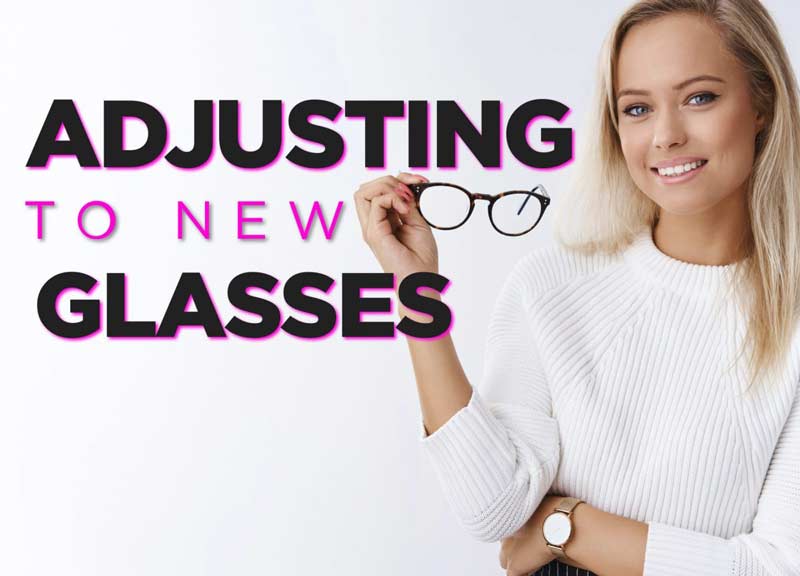
Adjusting To New Glasses: 6 Common Concerns

If you wear glasses, you know there’s nothing better than replacing your old, outdated lenses with an up-to-date prescription and a stylish new pair of frames.

We all know the drill: you get your eyes checked, get a new prescription, choose your frames, and wait a week or so for your new specs to arrive. You get the call, pick up your new glasses, slide them on expecting to see the world in all its crystal clear brilliance…. But woah! Something doesn’t seem quite right.  

The truth is new glasses, especially with new prescriptions, don’t always produce the expected outcome right away. It’s actually quite common to experience an adjustment period.

In other words, the new glasses that are designed to help you see better, reduce headaches, and improve your eyes’ stamina and ability to focus can actually produce the opposite effect—at least initially. It’s common to feel like you are wearing the wrong prescription.

DON’T PANIC! 

We’ve researched the topic to shed some light on the most common concerns of eyewear patients who are getting used to new glasses and answered the most common questions about adjusting to new glasses.
Continue Reading
contact lens buying guide

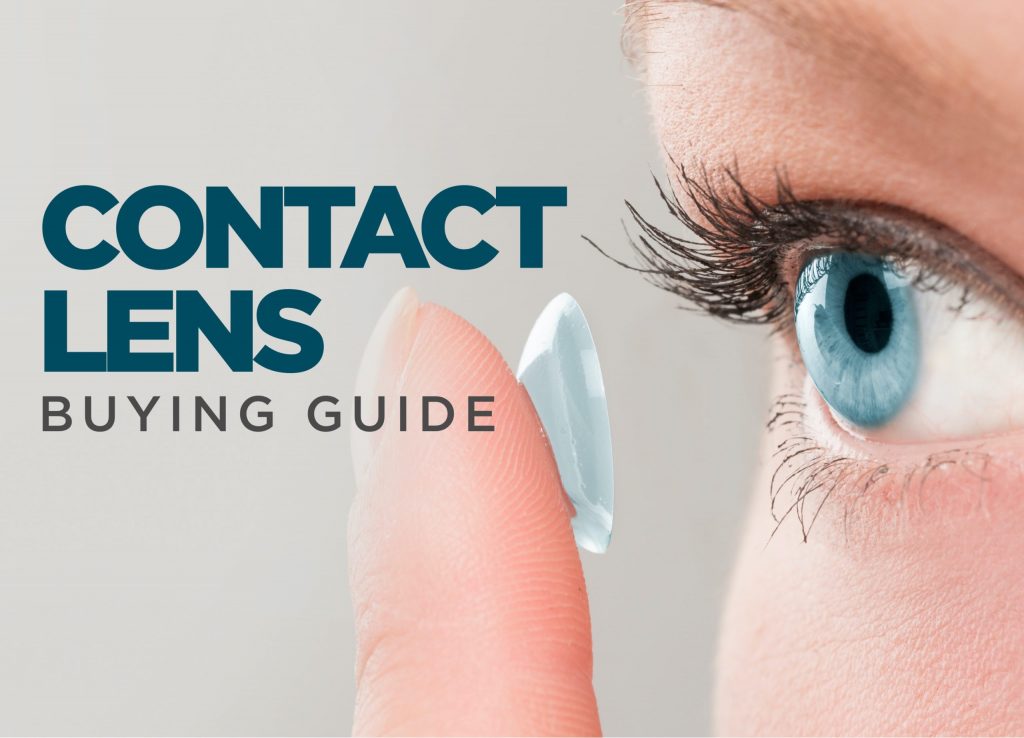
Buying Contact Lenses Online: A Step-by-Step Guide

One-fifth of contact lenses buyers in the United States—and rising—now buy their contact lenses online, according to All About Vision. Of course, price and convenience both factor into the continued escalation of online purchases. Though the choices are many, the process of buying contact lenses online need not be confusing. Your prescription provides all the information you need. 

Ready to begin buying contact lenses? Let’s look at the different types of contact lenses and how to order them properly. 

Continue Reading
allergies and contact lenses

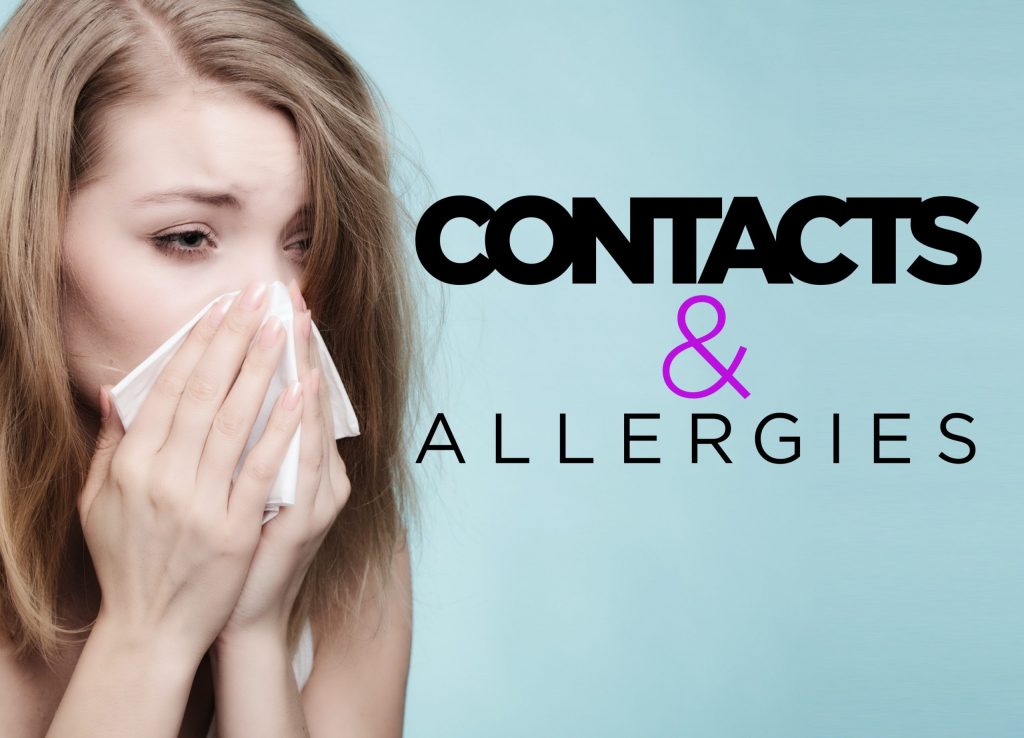
Allergies and Contacts: Our Top Tips for Managing Allergy Season

Most people consider spring to be when allergy season strikes. Tree pollen hits hardest come early spring, but is then followed by grass pollen in the late spring, weed pollen in the summer, and ragweed pollen in the late summer and deep into fall. And, according to Purvi Parikh, MD, an allergist and immunologist with Allergy & Asthma Network, it’s always allergy season because, in addition to lengthy pollen seasons, year-round offenders include dust mites, mold, and pet dander. Allergies are especially hard on contact lens wearers. Allergies and contacts can be a tricky mix. 

It’s bad enough that you wake up and your eyes feel gritty, swollen, and itchy. Then you have to put in your contact lenses. Ouch. 

According to the American Optometric Association, there are approximately 45 million contact lenses wearers in the United States. Many cease wearing contact lenses due to seasonal allergies. Some stop only temporarily, while others throw in the towel and give up on wearing contacts.

But you don’t have to. Understanding the symptoms and treatment options available can bring relief and help you weather allergies and contacts issues.

Continue Reading
sunglasses with contact lenses

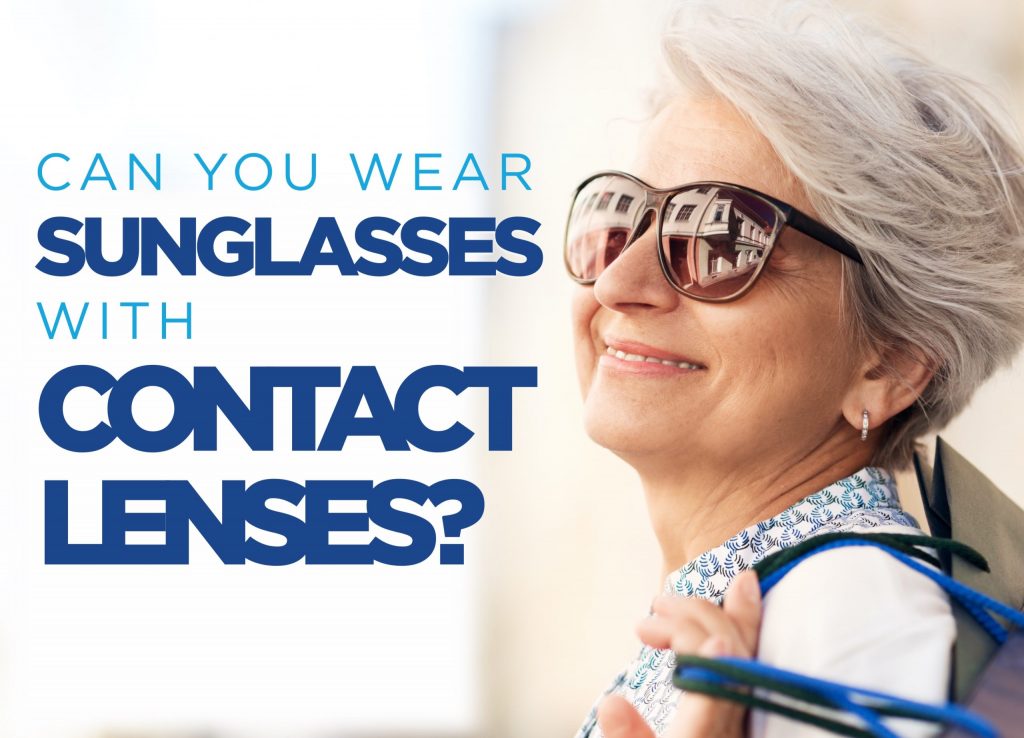
Can You Wear Sunglasses With Contacts? How to Protect Your Eyes

If you’re like most contact lens wearers, you experienced a wonderful feeling of relief the day you started using them. Now the question is: what do you do when you head out into the bright sunlight? Can you wear sunglasses with contacts? 

The answer is, yes, the combination works as well as peanut butter and jelly and provides an added level of eye protection you can’t get with contacts alone.

Read on to answer the question of can you wear sunglasses with contacts once and for all!

Continue Reading
myopia epidemic children

What is Childhood Myopia? Here’s What to Know

One-third of the U.S. population is currently affected by myopia, and childhood myopia is also on the rise. And the World Health Organization reports the numbers are bound to grow massively. In fact, they claim that by the year 2050, half the world’s population will experience myopia.

The WHO goes on to say that 20% of those individuals, especially in underdeveloped countries, will also be at a significantly increased risk for blindness.

Continue Reading

Socialize With Us #EZONTHEEYES

Scroll to Top