
Tag:

Presbyopia

Old man with black glasses brought down to his nose

Bye Presbyopia Glasses, Hello Eye Drops? New Clinical Evidence

Eye drops instead of reading glasses? It might not be science fiction anymore! 

A recent Guardian article discussed newly developed presbyopia eye drops that, when used twice a day, can allow you to see more clearly when viewing things up close. Goodbye, reading glasses!

I dug deeper, and I learned that using eye drops to “fix” presbyopia isn’t a new idea. Some drops have been in use or under development since 2021. Let’s find out more about this and explore our options more closely!

Continue Reading
Elderly woman looking around corner

Contact Lenses for Presbyopia

Presbyopia often sneaks up on you. One day, your vision’s perfect. And then, all of a sudden, you have to hold your phone up to your nose to read your messages.

But wait up! There’s no need to sound the alarm. You don’t have to wear eyeglasses if you don’t want to. You’ve also got contact lens options! Let’s see what’s in store for you if you take this route.

Continue Reading
progressives

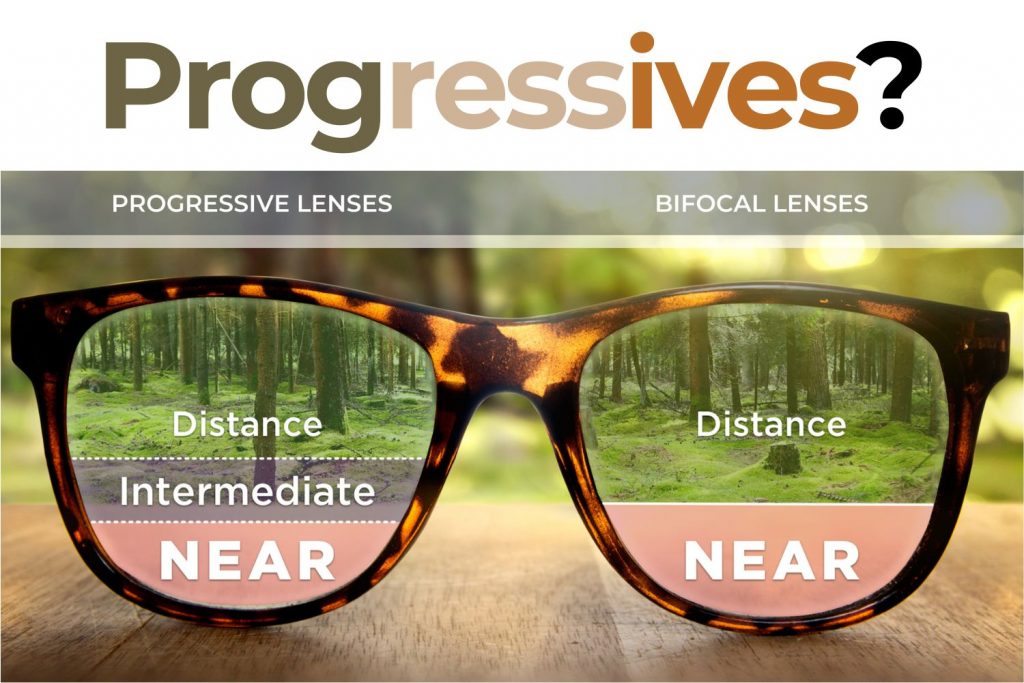
What Are Progressive Lenses? Explained Simply

What are progressive lenses? It’s a question many contact wearers ask. Progressive lenses, also known as multifocal lenses or PALs (progressive addition lenses), are a type of lens designed to provide clear vision at multiple distances without the need for separate pairs of glasses.

PALs are primarily used to treat presbyopia, an age-related condition that affects the eye’s ability to focus on up-close objects. Progressive lenses provide a smooth and seamless transition between different prescription strengths within a single lens.

Unlike traditional bifocal or trifocal lenses, progressive lenses do not have visible lines separating the different prescription strength zones. Instead, the lenses gradually change in power from the top (distance vision) to the bottom (near vision), with intermediate powers located in between.

The lens is divided into three parts:

  1. Distance vision: the upper portion
  2. Intermediate vision: the middle portion
  3. Near vision: the lower portion

Read on to answer the question of what are progressive lenses, and to learn all about these lenses!

Continue Reading
Man looking at book rhrough binoculars

Presbyopia: Are Things Looking Fuzzy in Your Forties?

Imagine: You turn 40. Suddenly reading up close is a challenge. A menu in a dark restaurant, instructions on a medicine bottle, and even your kid’s homework become difficult to read. You find yourself adjusting your font size and relying on your phone’s flashlight to help in dimly lit restaurants.

You are experiencing presbyopia. Let’s take a closer look (bad joke).

Continue Reading
Scroll to Top