![]()
Want to know how to take better care of your eyes and get the eyewear that works best for your needs? We’ve got you covered here with an essential list of eye care and eyewear tips and valuable resources.
![]()
Want to know how to take better care of your eyes and get the eyewear that works best for your needs? We’ve got you covered here with an essential list of eye care and eyewear tips and valuable resources.
![]()
As a kid, I remember wanting to be like Superman. Ah, to be faster than a speeding bullet and more powerful than a locomotive. But the one superpower I really wish I had now is night vision!
If you’re over 40, there’s a good chance you know exactly what I’m talking about. As we age, and especially after 40, the lenses in our eyes start to change, which affects our ability to see clearly, especially at night. In fact, people in their 50s generally require twice as much light to see well in the dark as someone in their 30s, according to the National Safety Council.
![]()
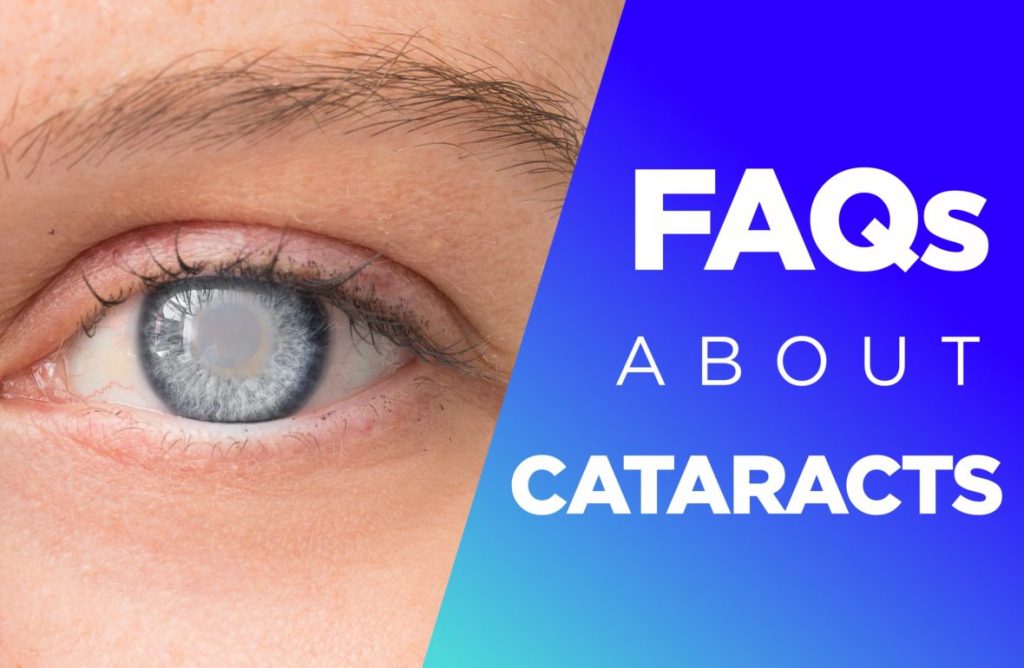
Are you becoming more sensitive to light and challenged by glare? Experiencing changes in your vision? You may be developing cataracts in eyes.
You’re not alone. The National Eye Institute estimates 50 million Americans will be living with cataracts by 2050.
Following are frequently asked questions about cataracts, and of course, the answers.
![]()
We know the eyes are the window to the soul, but did you know they are also the window to your health, specifically your cardiovascular health? There’s an eye cardiac connection that researchers are starting to study more and more. New research published in the American Journal of Medicine recently found a distinct correlation between the health of your eyes and the health of your heart.
Specifically, researchers found that approximately half of the nearly 2.2 billion cases of vision impairment worldwide could be improved, or even prevented, by taking simple steps to improve your overall cardiovascular health.
In addition, doctors have learned that a regular annual eye exam is the most reliable, non-invasive way to identify a number of serious—often fatal—cardiovascular conditions such as high blood pressure, high cholesterol, and diabetes.
![]()
Most people consider spring to be when allergy season strikes. Tree pollen hits hardest come early spring, but is then followed by grass pollen in the late spring, weed pollen in the summer, and ragweed pollen in the late summer and deep into fall. And, according to Purvi Parikh, MD, an allergist and immunologist with Allergy & Asthma Network, it’s always allergy season because, in addition to lengthy pollen seasons, year-round offenders include dust mites, mold, and pet dander. Allergies are especially hard on contact lens wearers. Allergies and contacts can be a tricky mix.
It’s bad enough that you wake up and your eyes feel gritty, swollen, and itchy. Then you have to put in your contact lenses. Ouch.
According to the American Optometric Association, there are approximately 45 million contact lenses wearers in the United States. Many cease wearing contact lenses due to seasonal allergies. Some stop only temporarily, while others throw in the towel and give up on wearing contacts.
But you don’t have to. Understanding the symptoms and treatment options available can bring relief and help you weather allergies and contacts issues.